
The Maison Kojira Kitchen Notes
BANGKOK, OCTOBER 2026. A good life contains a surprising number of good meals.
Some are cooked carefully. Some are assembled in ten minutes. Some begin at a market, others with whatever is left in the fridge. The memorable ones tend to involve good ingredients, a little knowledge and, often, good company at the table.
At Maison Kojira, we spend an unreasonable amount of time thinking about what makes food worth looking forward to, and the small decisions that make eating well easier to keep doing. Kitchen Notes is Maison Kojira’s food magazine, where we share some of that in a small collection of ideas for eating, cooking and entertaining well.
How to Make Vegetables the Star of the Meal
A good farmers’ market can give you half the answer. The rest is knowing how to season what you bring home.
There is something inherently optimistic about a table full of good vegetables. Tomatoes that smell ripe before you cut them. Aubergines with taut, glossy skin. Bunches of asparagus, mushrooms still carrying a little earth, courgettes small enough to remain sweet, beetroot with the leaves still attached. The pleasure starts with choosing them. Cooking is where each vegetable gets its own character.
How to Season Vegetables our broader guide to making that happen: using salt, acidity, fat, heat and texture to make vegetables more delicious in different ways. Sometimes that means very little intervention. Sometimes it means pushing much harder.
With How to Salt Tomatoes, the question is partly when you want the juice to appear and become part of the dish. When to Salt Mushrooms changes according to whether you want deep browning or their savoury liquid in a sauce or risotto.
Do You Need to Salt Aubergine or Eggplant? revisits a kitchen rule that has survived even as the aubergines themselves have changed. How to Season Beets shows why their sweetness and earthiness often need acid, dairy or something savoury as much as they need salt.
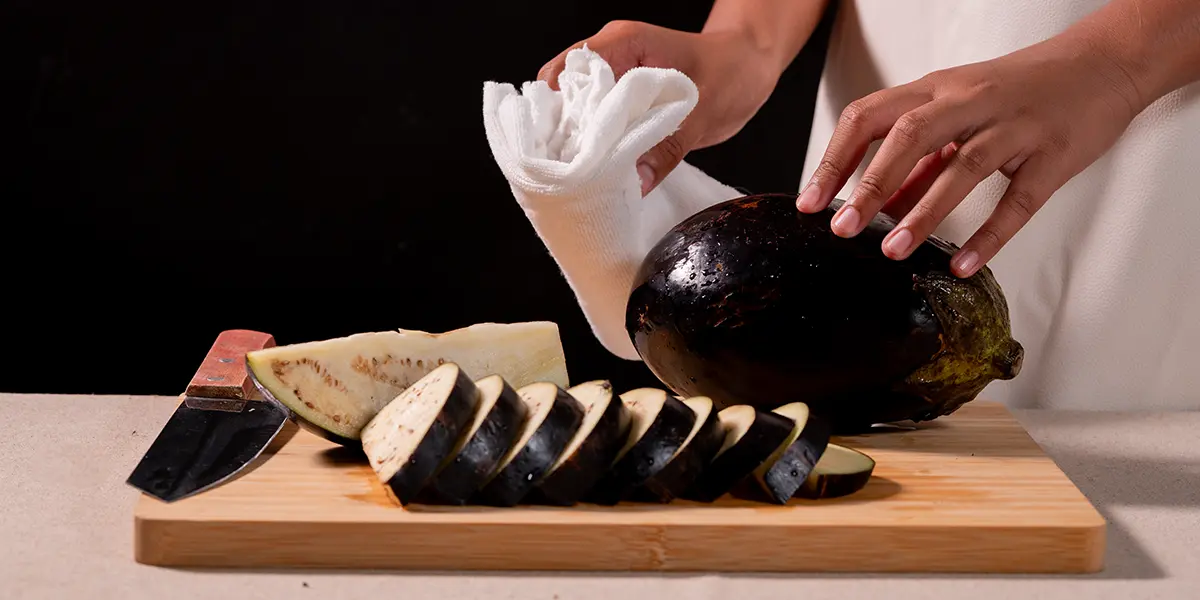
Then there is How to Salt Zucchini or Courgette, where a little attention to water and texture can mean the difference between something fresh and yielding and something merely soft. How to Season Asparagus changes again with thickness, colour and how you cook it.
A good finishing salt can give the same vegetables another life. Kojira Preserved Lemon Salt makes grilled courgettes, tomatoes or asparagus brighter. Kojira Fermented Mushroom Salt can take roast vegetables somewhere deeper and more savoury. Neither requires changing the whole dish.
There is a nutritional advantage to making vegetables this desirable, of course. Fibre, folate, potassium, vitamin C, carotenoids and other plant compounds become much easier to eat regularly when the plate itself is doing the persuading. Or, for the parents among us, when the child at the table reaches for another piece without being asked.
Latest from Kitchen Notes, our Food Magazine
Your Protein Target Is the Easy Part
Protein now comes with numbers. For someone training regularly, particularly with weights, somewhere around 1.6 grams per kilogram of body weight a day is a useful target; some people push closer to 2 grams. If you weigh 75kg, that can mean roughly 120 to 150 grams of protein before the day is over.
Eggs, yoghurt, chicken, fish, meat, lentils and peas make the numbers achievable.
Making protein worth eating three or four times a day is harder. Which explains the chicken. And the eggs. And the Greek yoghurt. And the second chicken.
The nutritional logic is sound. Protein supplies the amino acids used to maintain and build muscle and becomes particularly relevant when you train, recover, lose weight while trying to preserve lean mass, or simply want meals that keep you satisfied. But protein does not have to mean an endless rotation of animal foods. Lentils, beans, peas, tofu and tempeh all contribute, and combining different sources across the day makes a high-protein way of eating considerably more varied.
The harder problem is culinary. How do you eat protein at breakfast, lunch, dinner and perhaps somewhere in between without eventually feeling that your entire diet has acquired the texture of meal prep?
Start with eggs. When to Salt Eggs shows how the same protein changes depending on whether it is scrambled, fried, boiled or finished at the table.
How to Salt Yoghurt takes another staple in a different direction entirely: yoghurt can move from fruit and honey to olive oil, herbs, cucumber, garlic or a good finishing salt without changing what made it useful in the first place.
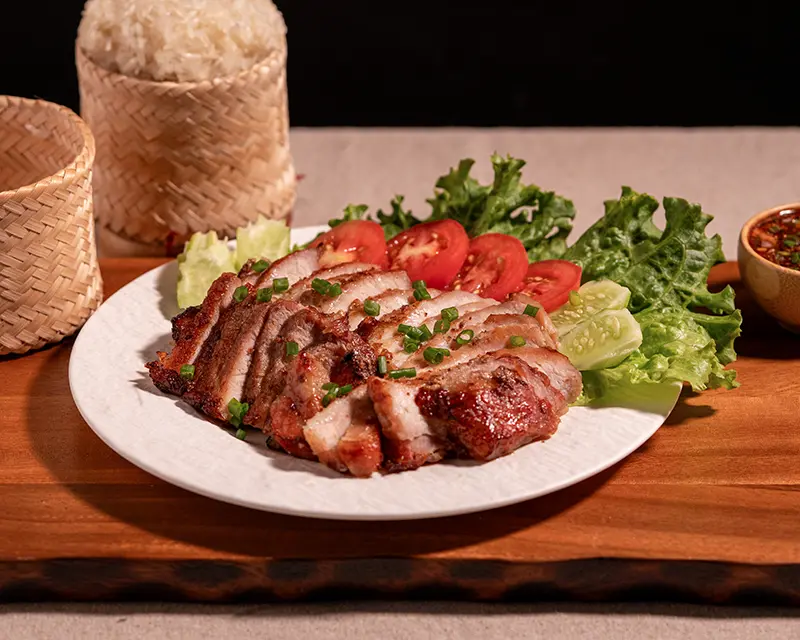
Chicken rewards the same thinking. Browning, acidity, spice, herbs and finishing salts can take the same basic ingredient in very different directions. With meat, When to Salt Meat explains why timing affects more than the surface seasoning. And if fish is part of your protein rotation, When to Salt Seafood opens another set of possibilities without requiring you to rebuild the rest of the plate.
Plant proteins benefit perhaps even more from attention to flavour. Lentils and peas bring earthiness and sweetness; fermented ingredients, acidity, herbs, toasted spices and umami can stop them tasting worthy rather than delicious.
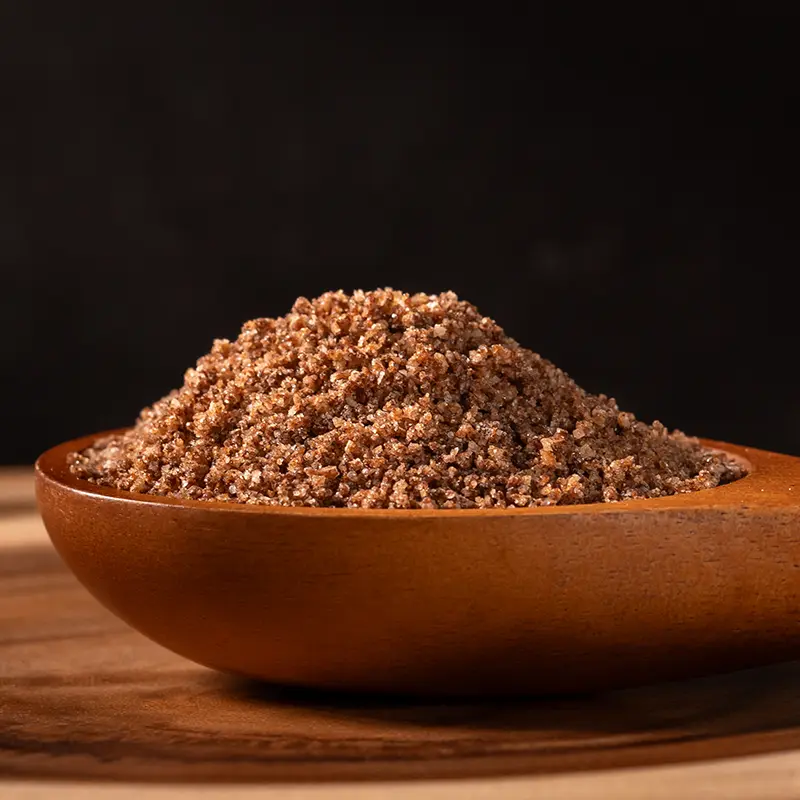
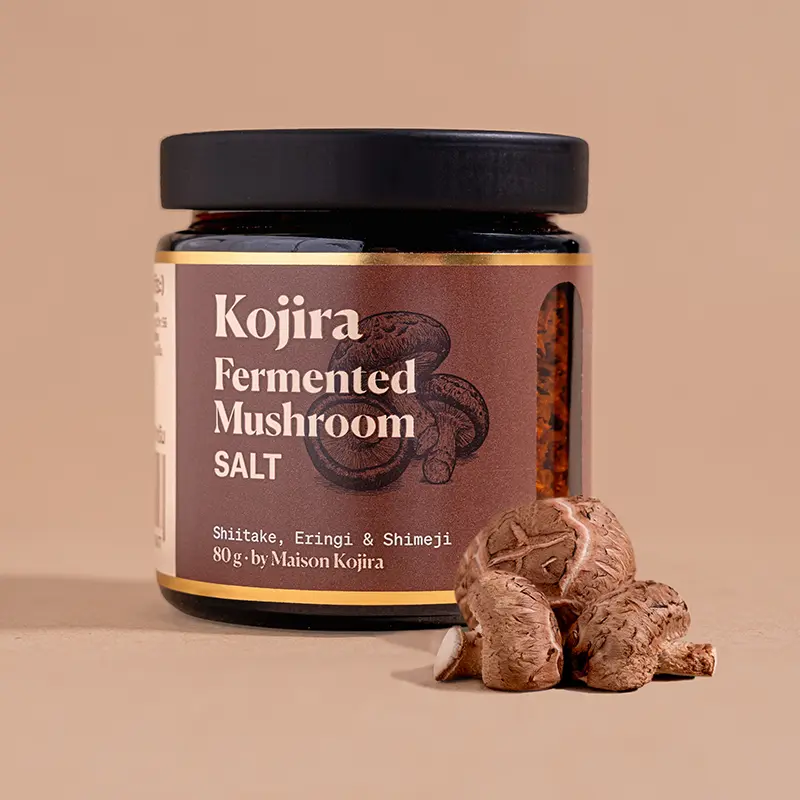
This is also where Kojira Black Garlic Salt and Kojira Fermented Mushroom Salt make practical sense. A pinch can move eggs, chicken, steak, tofu, lentils or vegetables towards a completely different flavour profile while leaving the underlying meal intact.
You do not need to count protein to care about any of this. But if you are eating it three or four times a day, you have more reason than most to make every one of those times taste different.
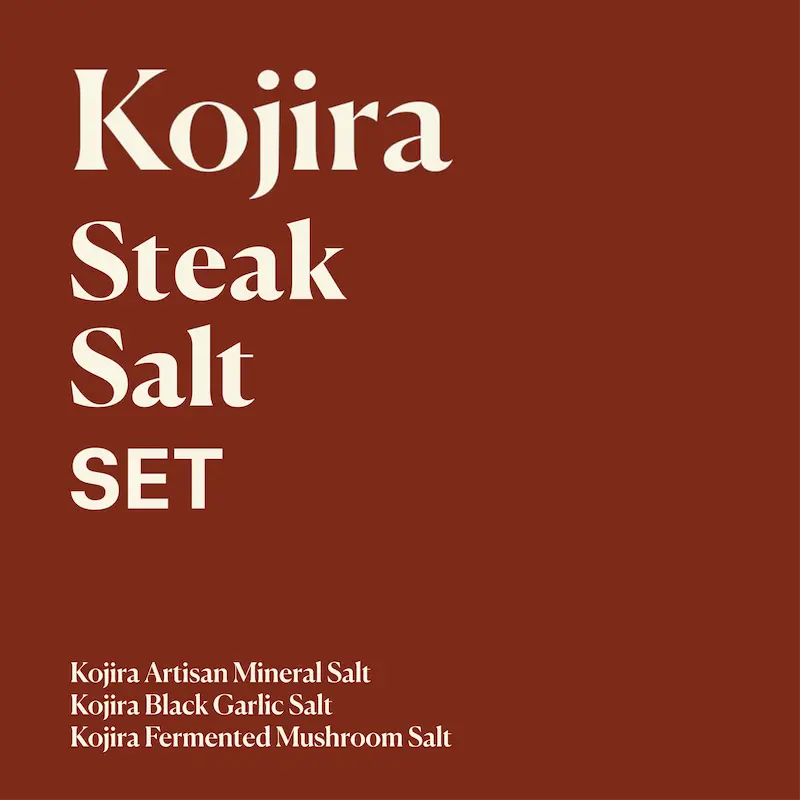
Three Salts for a Better Steak
For the nights when protein means a really good steak, our Kojira Steak Salt Set brings three distinct flavours together. Kojira Artisan Mineral Salt seasons the meat before cooking, Kojira Black Garlic Salt brings savoury sweetness to the browned crust, and Kojira Fermented Mushroom Salt deepens the flavour of warm fat and resting juices. Three salts, each with its own delicious job.
Carbs Galore. The Side Dish Makes or Breaks the Meal
Rice, potatoes, pasta and bread are often the simplest things on the table. Get them right, and everything around them tastes better.
The hack to a great meal is simple: the side dish often gives you the easiest gains on the plate. Salt fries while the surface will still hold it. Season mash after the butter goes in. Let rice stay quiet beside a powerful curry. Small changes, disproportionate payoff.
With rice, the first question is what the rest of the meal needs from it. How to Season Rice explains why fragrant jasmine rice beside a strong curry may need very little, while rice served with eggs, vegetables or grilled fish can carry much more of the seasoning itself.
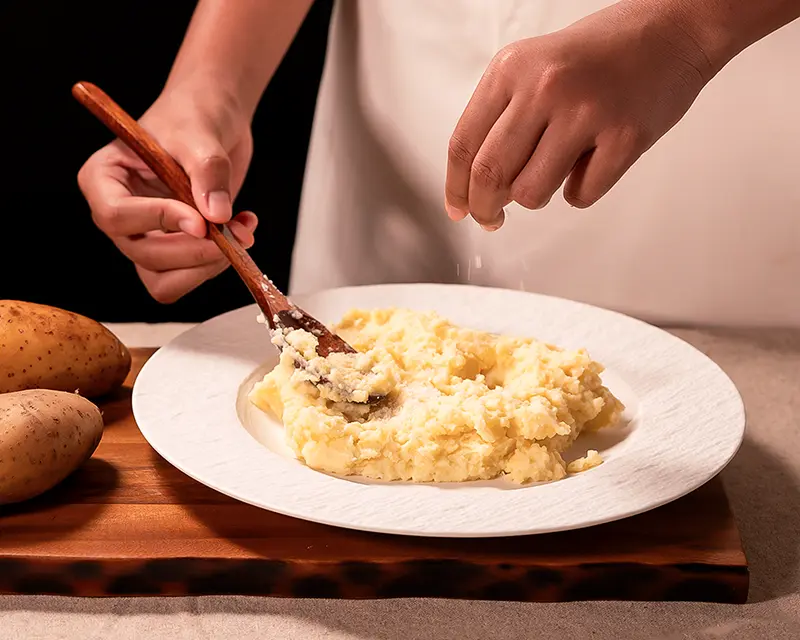
Potatoes offer even more opportunities. When to Salt Potatoes is the starting point, but boiling, roasting, frying and mashing all change the answer.
When to Salt Fries comes down partly to catching them while the hot surface will still take the salt. When to Salt Roast Potatoes has to account for crisp edges and concentration in the oven.
How to Season Boiled Potatoes starts in the cooking water, while How to Season Mashed Potatoes makes an important distinction: good butter and cream bring richness, but they do not automatically fix bland potatoes.
A finishing salt can then take the same potato somewhere else entirely.
Kojira Black Garlic Salt is particularly good here, adding roasted sweetness and savoury depth to fries straight from the fryer, a bowl of roast potatoes brought to the table, or mash served alongside steak or roast chicken.
Pasta has its own piece of inherited wisdom to question. The water does not need to taste literally like the sea. How to Salt Pasta looks at the pasta water, sauce and final seasoning as parts of the same calculation. How to Season Risotto becomes even more interesting because stock, Parmesan and reduction keep changing the salt level as it cooks.
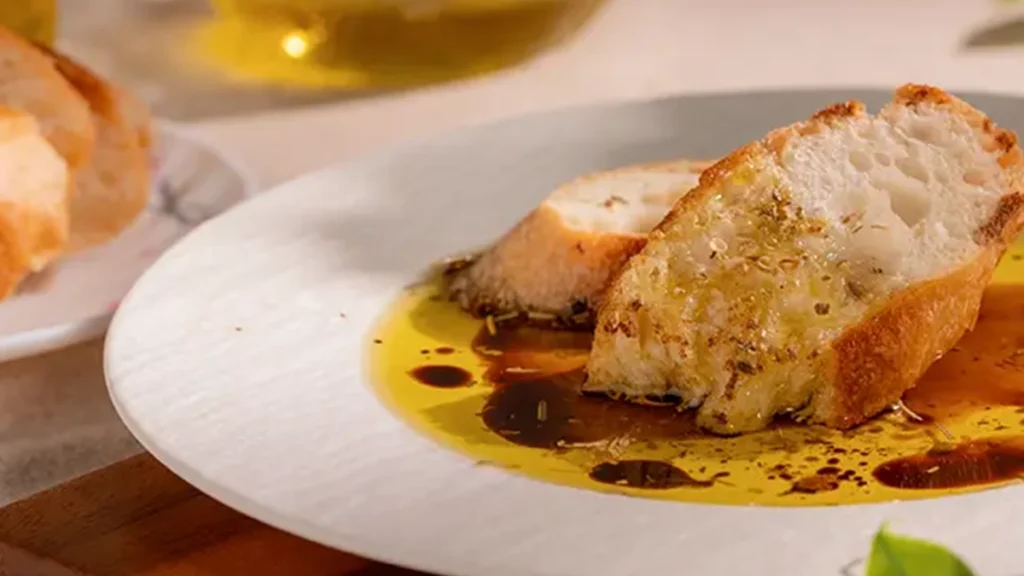
And bread? Sometimes that is barely a side dish at all. A good loaf from the bakery, still with a proper crust, can become the first thing everyone reaches for. Our Olive Oil Bread Dip recipe shows how good bread, good olive oil and the right finishing salt can set up the meal that follows.
The main dish may get the photograph. But quite often, it is the rice, potatoes, pasta or bread that makes you go back for another bite.
Fish Is One of the Few Foods That Works as Well for a Quick Lunch and a Long Table
Fish can bring high-quality protein, omega-3 fats, iodine, selenium and vitamin D to the table, often with remarkably little cooking. Most of us already know that eating more fish is probably a good idea. The more useful question is how to make it happen often enough to matter.
Fortunately, fish has become much easier to keep around. Good frozen fillets mean it no longer needs to be bought from the fish counter and cooked that evening. A good tin of sardines or mackerel can become lunch in minutes with bread, olive oil and something sharp. Shrimp cooks almost absurdly quickly. Salmon needs little more than heat, seasoning and something fresh or acidic. Even a whole fish, gleaming on a platter and impressive enough for a long lunch with friends, can require less work than preparing individual portions.
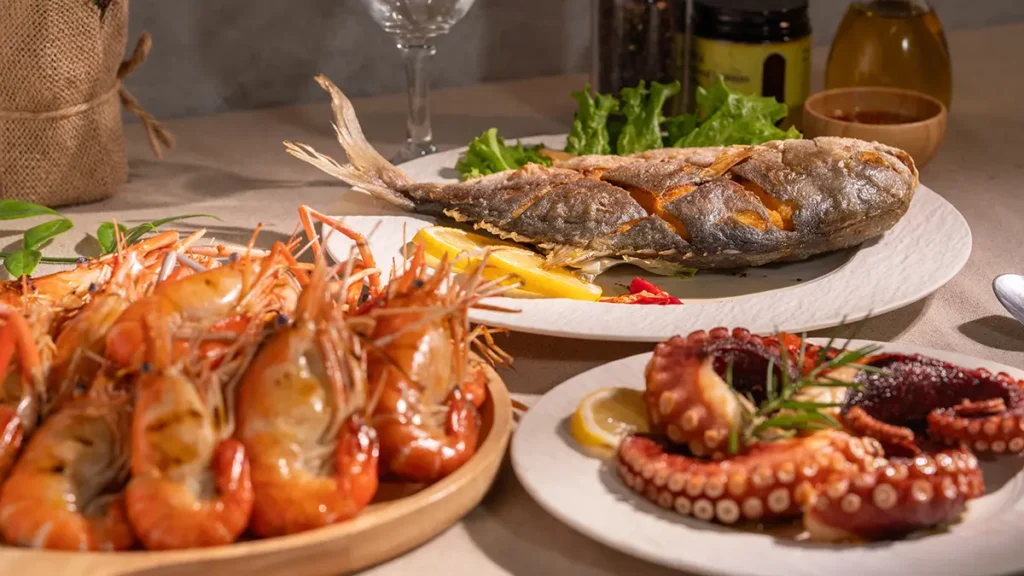
There are good nutritional reasons to make room for it. Fish provides complete protein, while oily species such as salmon, sardines and mackerel are among the better dietary sources of EPA and DHA omega-3 fats. Depending on the species, seafood can also contribute useful amounts of iodine, selenium and vitamin D.
But “eat more fish” is not quite enough advice. Species matter. Large, long-lived predatory fish tend to accumulate more mercury, while smaller oily fish such as sardines and many types of mackerel are generally better suited to eating regularly.
Provenance matters too. A beautiful fish laid over crushed ice can tell you surprisingly little on its own. “Wild” is not automatically better than “farmed”; species, feed, fishery and farming method tell you much more than the label alone. If sustainability matters to you, the Marine Conservation Society’s Good Fish Guide is a useful place to check what you are buying.
Once the fish reaches your kitchen, the questions become more enjoyable.
When to Salt Seafood is the broad place to start. Fish and shellfish are delicate enough that timing, surface moisture and cooking method can determine whether salt improves the result or gets in the way.
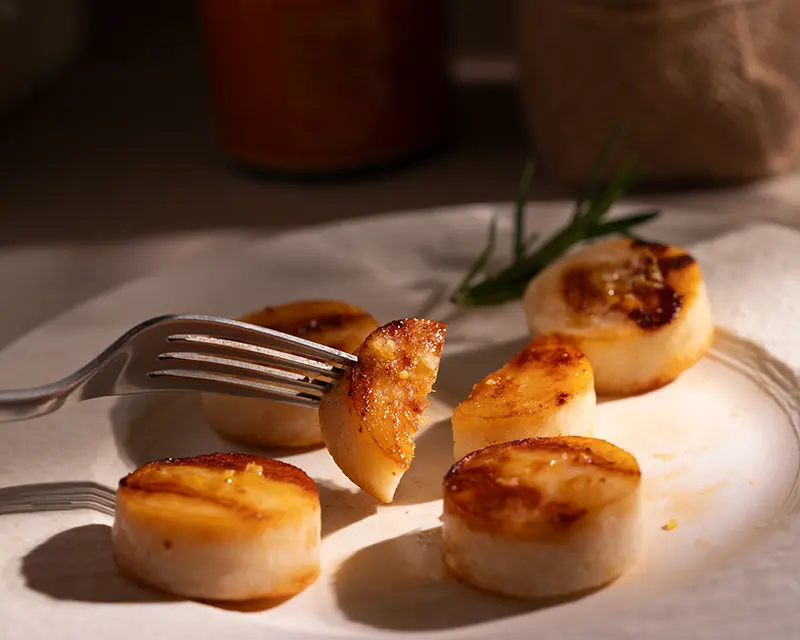
How to Season Scallops starts with one of the easiest expensive ingredients to disappoint. A scallop needs a dry surface if it is going to develop a clean brown crust, while its naturally sweet centre needs enough seasoning to come alive without being buried. When it works, very little else is required.
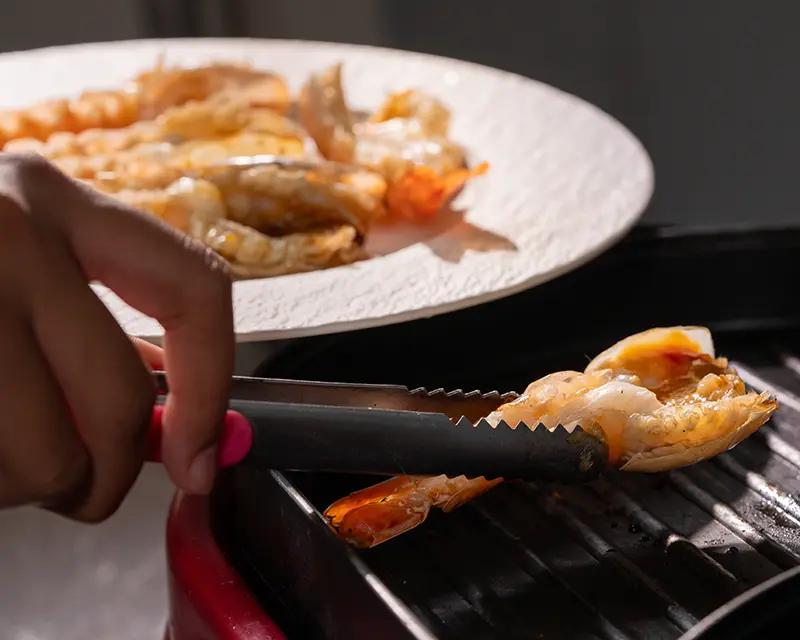
How to Season Shrimp presents a different problem. How do you get seasoning onto the flesh while keeping the prawns juicy and preserving their sweetness? Shell, salt, citrus, garlic, chilli and char can all help, but they do different jobs. A plate of grilled prawns with lemon and good seasoning can be almost embarrassingly simple for something that feels so generous.
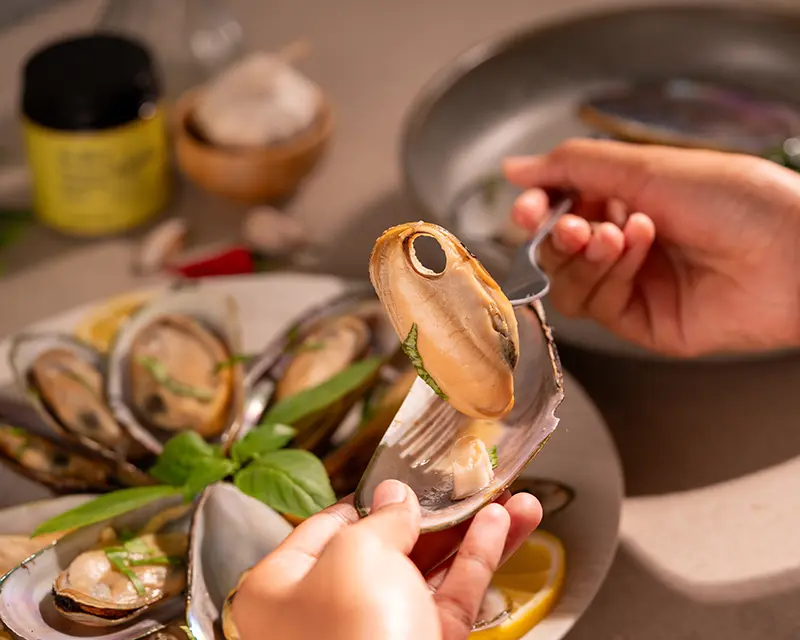
Our Mussels Recipe brings a delicious mussel preparation wherein we replace the standard addition of white wine with preserved lemon, the mussel broth and garlic and basil.
How to Season Salmon starts with richness. Salmon can carry smoke, herbs, saffron, chilli and citrus more confidently than many lean fish, but it still benefits from choosing a direction rather than adding everything at once. Timing matters too: salt immediately before cooking or give it enough time for the surface moisture drawn out by the salt to settle again.
How to Season Octopus separates two jobs that are easily confused. Cooking makes octopus tender. Drying, charring, acidity and final seasoning are what turn that tenderness into something you would happily order again.
And How to Season Whole Fish deals with a question that disappears when you buy a fillet: where exactly should the seasoning go? Skin, cavity and flesh receive salt differently, and once the fish reaches the table there is another chance to season the newly exposed flesh as it is shared.
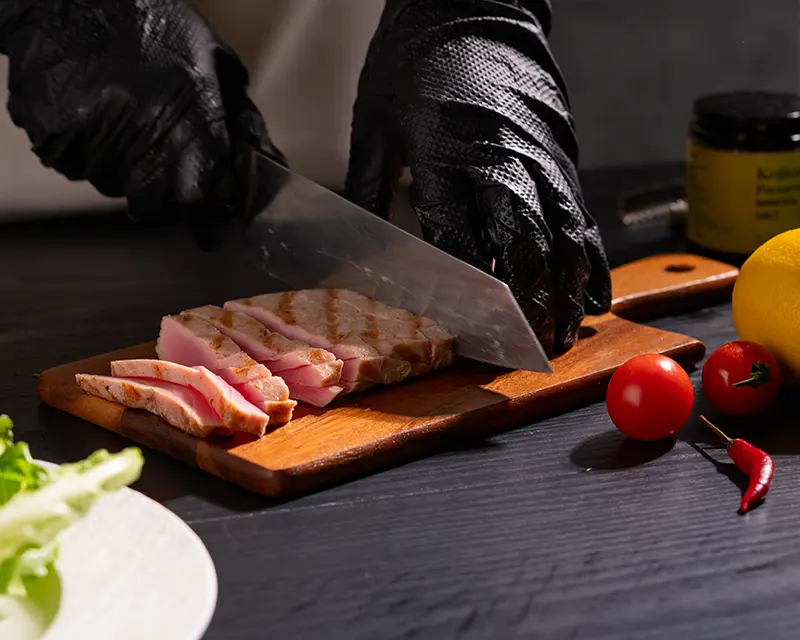
Tuna Steak Seasoning is about getting two very different surfaces right. A hot sear gives the outside its crust, while the centre stays tender and pink. Season lightly before cooking, then add a final pinch of salt after slicing, directly onto the freshly exposed flesh. It’s a small detail that makes a remarkable difference to every bite.
Fish has one further advantage that nutrition tables tend to miss: it is unusually good at the table. A whole fish set down between several people immediately feels generous. Prawns, grilled quickly and served on a large plate, create their own informality. Salmon can move from weekday lunch to something you would happily serve guests with little more than herbs, citrus, olive oil and decent seasoning.
In other words, fish is easy enough for everyday cooking, and special enough to serve when people come over.
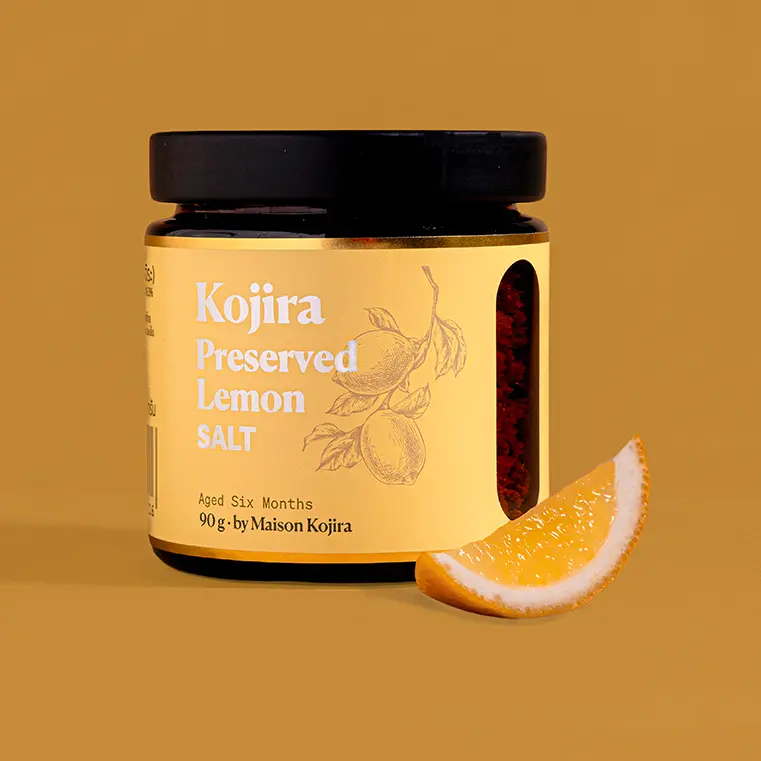
Kojira Preserved Lemon Salt
Six-month preserved lemon gives seafood the brightness of citrus with the deeper, savoury character that comes from preservation.
Use it while cooking or at the table with salmon, shrimp, scallops, white fish or grilled seafood. Added at the end, more of the lemon aroma and texture remains immediate.
Six Little Tricks to be the Perfect Host
Good hosting is less about showing off than making people feel considered: something good to eat, a table that feels intentional, and enough preparation that you can enjoy your guests too.
1. Put something on the table before anyone needs to ask for it
Bread from a good bakery, olive oil in a shallow bowl, perhaps a few olives or radishes alongside it. Nothing complicated. It gives people something to reach for while the first bottle is opened and everyone settles in.
Our Olive Oil Bread Dip guide shows why a good oil usually needs less added to it, not more.
2. Put something generous in the middle
A whole fish on a platter. A bowl of deeply browned roast potatoes. Tomatoes dressed with olive oil. Burrata opened at the table. Bread that people tear rather than portion politely.
Food in the middle changes the mood because people serve one another, pass things around and take a little more without ceremony. How to Season Whole Fish and When to Salt Roast Potatoes matter because a centrepiece still has to taste as good as it looks.
3. Use contrast before you add complexity
Rich food often wants acidity. Soft food can benefit from crunch. Sweetness can take salt. Earthiness may need freshness.
A spoonful of yoghurt beside something roasted, lemon over grilled fish, herbs over something slow-cooked, a final crystal of salt on chocolate. Why Salt Makes Food Taste Better and How Salt Affects Texture explain why the right contrast can do more for a dish than adding another elaborate component.
4. Give them one thing they have not tasted before
Burrata finished with Kojira Preserved Lemon Salt. Ricotta with olive oil and something sharp. Black Garlic Salt on roast potatoes. A few crystals of salt over ripe melon, strawberries or chocolate dessert.
How to Season Burrata, How to Season Ricotta, Salt on Fruit and Salt on Desserts all work from the same idea: a small surprise can make something familiar feel newly worth paying attention to.
5. Finish something where people can see it
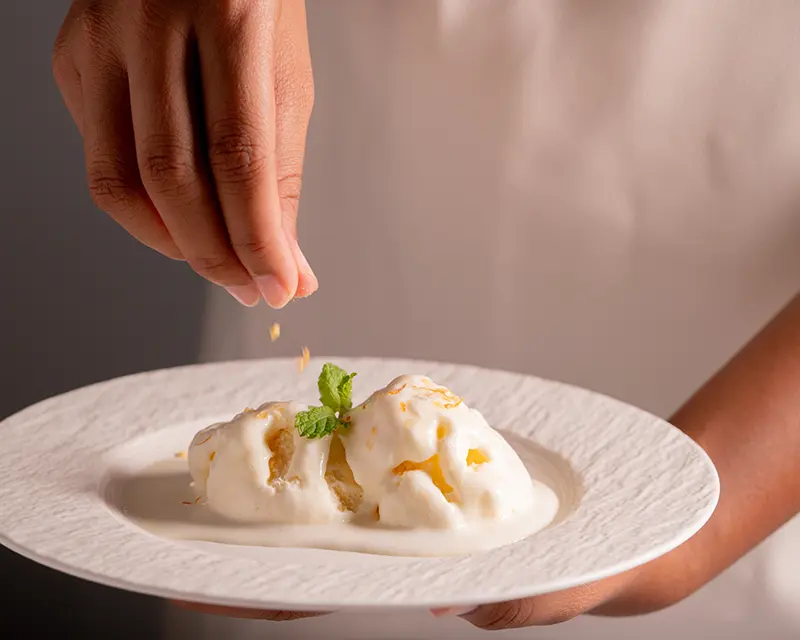
Pour the olive oil. Tear over the herbs. Open the burrata. Spoon sauce around the fish. Give the potatoes their final salt at the table.
There is practical value in doing this at the last moment, but a little theatre is allowed too. How Chefs Use Finishing Salt explains why some aroma, texture and seasoning are best added just before eating.
6. Arrange the work so you get to be a guest too
Perfect hosting does not mean effortless cooking. Make foie gras and six courses if that is your idea of fun. Set the table properly. Chill the wine. Light the candles.
Just decide in advance which work can happen before anyone rings the bell: dessert made, drinks cold, starters that can wait, serving dishes ready, and a main course that will survive somebody arriving twenty minutes late.
If you have been hesitating to invite people over, there is a fair chance they are waiting for exactly the same thing: more time with friends, fewer plans that live entirely on a screen, and a reason to sit somewhere together for a few hours.
Hosting begins with the invitation. The rest is mostly food and good company.
Food Science Sounds Complicated. Mostly, It Answers Questions You Have Probably Already Asked
Why does a ripe tomato taste sweeter after you salt it? Why do mushrooms sometimes take on a deep brown crust and sometimes sit in their own liquid? Why can a beautifully seared scallop taste more aromatic after adding something that has no aroma of its own?
At Maison Kojira, we spend an unreasonable amount of time on questions like these. They are the small details that separate food that is merely well cooked from food you remember.
Salt is a good place to start. It does far more than add saltiness. It can suppress bitterness, allowing sweetness already present in tomatoes, carrots or fruit to become more apparent. How Salt Affects Flavour looks at how those effects work together; Why Salt Makes Food Taste Better goes further into the relationship between saltiness, bitterness, sweetness and savouriness.
Then there is water, perhaps the least glamorous ingredient in the kitchen and one of the most consequential. If you have ever wondered why one batch of mushrooms browns deeply while another steams, or why a scallop refuses to develop that fine caramelised crust, surface moisture is often the answer. Salt dissolves, draws water outward and, given enough time, can move back into food with it. How Salt Moves Through Food follows that process; How Salt Affects Browning explains what happens when moisture, heat and time meet in the pan.
Smell raises another, stranger question: Does Salt Smell? Pure salt is essentially odourless. Yet a properly seasoned dish can seem noticeably more aromatic. Flavour is assembled from taste, smell and physical sensation, and much of what we perceive while eating reaches the nose from inside the mouth.
How Salt Affects Aroma explains why seasoning can change what you seem to smell without contributing an aroma of its own. Texture matters just as much. The crackle of crisp skin, the yielding centre of a scallop, the sudden crunch of a salt crystal on butter or tomato: we do not experience flavour with the tongue alone.
How Salt Affects Texture looks at what salt does to proteins and plant structure; How Salt Affects Mouthfeel looks at what those changes feel like when you eat them. Which brings us to one of the simplest questions and one of the easiest to underestimate: Do All Salts Taste the Same?
Dissolve several plain salts completely and many of their differences become much harder to perceive. Leave the crystals intact and grain size, shape, dissolution and texture become part of the experience. That distinction is why the salt you use in pasta water need not be the salt you choose for a sliced tomato, a piece of grilled fish or warm bread with good butter.
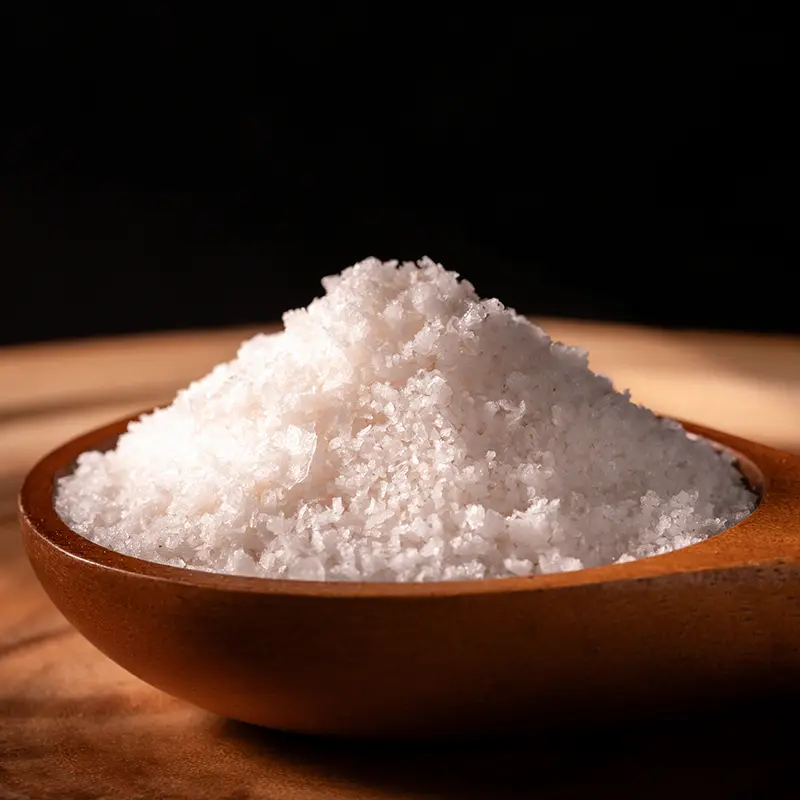
It is also where Kojira Artisan Mineral Salt fits. A mineral salt can be an everyday kitchen ingredient and still deserve the same attention we give olive oil, vinegar or flour: where it comes from, how it is made, the size of the crystal, and what happens once it touches food.
If questions like these have ever occurred to you while cooking, How Salt Affects Flavour is the place to start. Just be warned: once you know what is happening in the pan and on your tongue, it becomes surprisingly difficult not to want the answer to the next question too.
Kojira Artisan Mineral Salt
An everyday salt made with the kind of attention usually reserved for ingredients people save for special occasions.
For cooking, seasoning and finishing, with clean mineral character and crystals substantial enough to remain noticeable when used at the table.
Umami Has Been Recognised as the Fifth Taste for Decades. Many People Still Struggle to Describe It
Umami is the savoury depth in ripe tomatoes, mushrooms, Parmesan, black garlic and fermented foods. Japanese cooks had been building meals around it long before science gave it a name.
Two Expressions of Umami

In Japan, some of the most elegant cooking begins with something remarkably restrained: water and kombu. The best kombu has its own provenance, with varieties from places such as Rishiri and Rausu in Hokkaido prized for the character they bring to dashi. Clear, delicate, almost austere to look at, the broth can carry an extraordinary savoury depth.
That depth fascinated the Japanese chemist Kikunae Ikeda. In 1908, while studying the distinctive taste of kombu dashi, he isolated glutamate and gave the taste a name: umami, from umai, meaning delicious or savoury.
More than a century later, the word has travelled much further than the explanation. Most of us recognise umami immediately in food, even if we would struggle to isolate it on the tongue.
It is there in a ripe tomato, browned mushrooms, aged Parmesan, soy sauce, black garlic and a stock that has been allowed to take its time.
Yet those foods do not taste remotely alike.
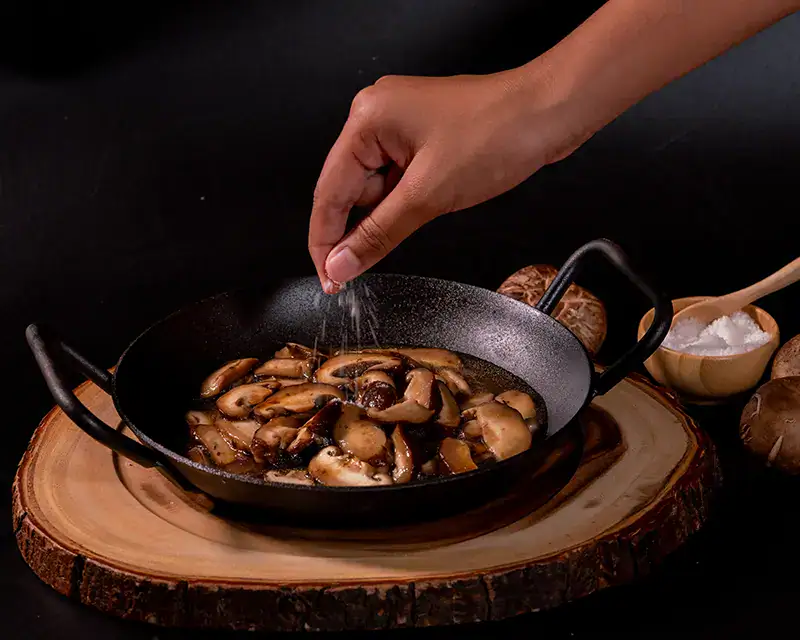
A tomato brings umami with acidity, sweetness and juice. Mushrooms bring it with earthiness and, once browned, deeper roasted notes. Black garlic adds sweetness and the complexity that comes from weeks of ageing. Fermented mushrooms take savouriness in another direction again.
That is why What Is Umami Salt? is more interesting than the name first suggests. The salt is only one part of the experience; the ingredient carrying the umami determines whether the result is bright, earthy, sweet, fermented or deeply savoury.
And then there is the obvious comparison. Umami Salt vs MSG looks at the difference between adding purified glutamate and building savouriness through ingredients that arrive with their own aroma, texture, acidity, sweetness and character.
You can see the same thing in ordinary ingredients. How to Salt Tomatoes shows how seasoning can make their sweetness and savouriness more apparent. When to Salt Mushrooms changes according to whether you want deep browning or their intensely savoury liquid to become part of the dish.
The Last Pinch Gets All the Attention. The First One Matters Just as Much
Watch a good cook season and you rarely see salt added only once. It goes in early, gets tasted halfway through, and quite often appears again just before the plate leaves the kitchen.
There is a reason restaurant cooks keep salt within arm’s reach. Seasoning is not a ceremony performed at the end of cooking. It is part of building the dish.
Salt a piece of meat before it reaches the pan and you give the seasoning time to move beyond the surface. Add Black Garlic Salt to potatoes before roasting and its mellow, savoury sweetness becomes part of the crust and cooking juices. Stir Fermented Mushroom Salt into a risotto or sauce and the mushroom character settles into the dish rather than sitting above it.
Then comes the final adjustment.
A few crystals over a sliced tomato, roast potatoes, burrata or grilled fish arrive differently. The salt is still distinct. Its texture remains.
Aromatic ingredients such as preserved lemon, black garlic or fermented mushroom are encountered more immediately.

Sometimes that is exactly what you want. Our Finishing Salt Guide looks at that last stage in detail: which foods benefit from finishing salt, how much to use and when to add it.
How Chefs Use Finishing Salt goes a little further behind the pass.
Chefs season in layers because the same salt can do different things depending on when it meets the food. The final pinch is not there because somebody forgot to season dinner. It is another decision.
That is also how we make our gourmet salts to be used.
Preserved Lemon Salt can season fish before roasting and return again at the table. Black Garlic Salt can go onto potatoes before they crisp or over them as they arrive on the platter. Fermented Mushroom Salt can deepen a sauce, lentils or risotto, then add a more pronounced savoury note when used at the end.
Join the Maison Kojira Letter
Get new Kitchen Notes from the Maison Kojira food magazine, with practical ideas on flavour, ingredients, cooking and entertaining well.