How Salt Affects Flavour: 6 Powerful Mechanisms
Salt is why a tomato suddenly tastes more like tomato.
It is why thick fries taste flat one moment and complete the next. Why a spoon of soup smells stronger after seasoning. Why grilled meat tastes deeper, eggs taste richer, and bitter greens become easier to eat.
Used well, salt changes how flavour reaches you: what hits first, what disappears, what becomes clearer, what smells louder, and how each bite feels in the mouth. That is how salt affects flavour at the level of the whole dish, not just on the surface of the food.
Is Salt a Flavour?
Salt is a taste, not a flavour by itself. Flavour is the full experience of taste, aroma, texture, temperature, fat, moisture, and mouthfeel. Salt changes flavour because it changes how those parts reach you: what tastes clearer, what smells stronger, what feels sharper, and what becomes more complete.
The Six Ways Salt Changes Flavour
Most people think salt has one job: add saltiness.
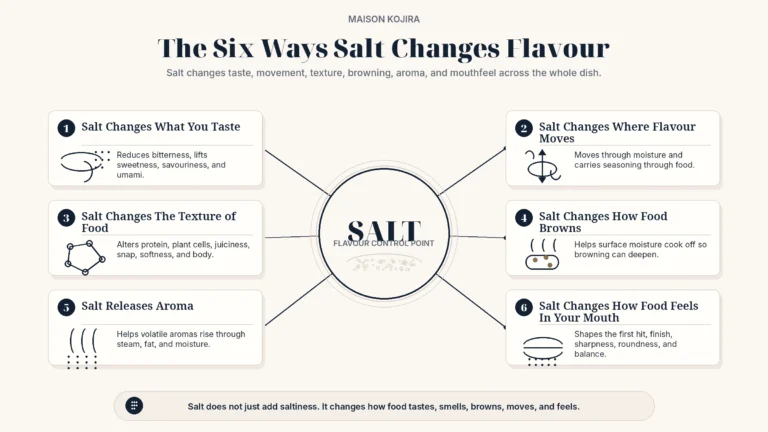
In cooking, it has at least six. Each one explains how salt affects flavour in a different way: what tastes clearer, what smells stronger, what browns deeper, what feels sharper, and what becomes more complete.
1. Salt Changes What You Taste
2. Salt Changes Where Flavour Moves
3. Salt Changes The Texture of Food
4. Salt Changes How Food Browns
5. Salt Releases Aroma
6. Salt Changes How Food Feels In Your Mouth
This is how salt affects flavour across the whole dish: it changes what you taste first, how aroma rises, how moisture moves, how food browns, and how each bite feels as you eat.
1. Salt Changes What You Taste
Salt makes certain flavours easier to notice. A tomato tastes more like tomato. Bitter greens become less harsh. Chocolate tastes deeper. Eggs taste richer. The food has not changed into something else, but your perception of it has shifted.
Salt reduces the flavours that get in the way, especially bitterness, and lets sweetness, savouriness, and umami come forward. This is why a small pinch can make food taste clearer, rounder, and more complete.
→ Explore how salt interacts with sweetness, bitterness, and umami
2. Salt Changes Where Flavour Moves
Salt does not stay politely where it lands. Once it touches moisture, it starts moving. On cucumber, tomato, fish, or meat, it pulls juice towards the surface. In other foods, given time, it moves deeper. Either way, flavour starts to collect in different places.
That is why a sliced cucumber starts to glisten after salting. Why meat can taste seasoned below the crust. Why food often tastes more complete after it rests. Salt changes where moisture goes, and flavour follows the moisture.

→ Learn how salt salt moves through food
3. Salt Changes The Texture of Food
Salt changes the way food feels when you bite into it. In meat, it can help the flesh hold moisture and become juicier. In vegetables, it can draw out water, soften the structure, or make the bite cleaner. In starches, it can make food feel less flat and more complete.
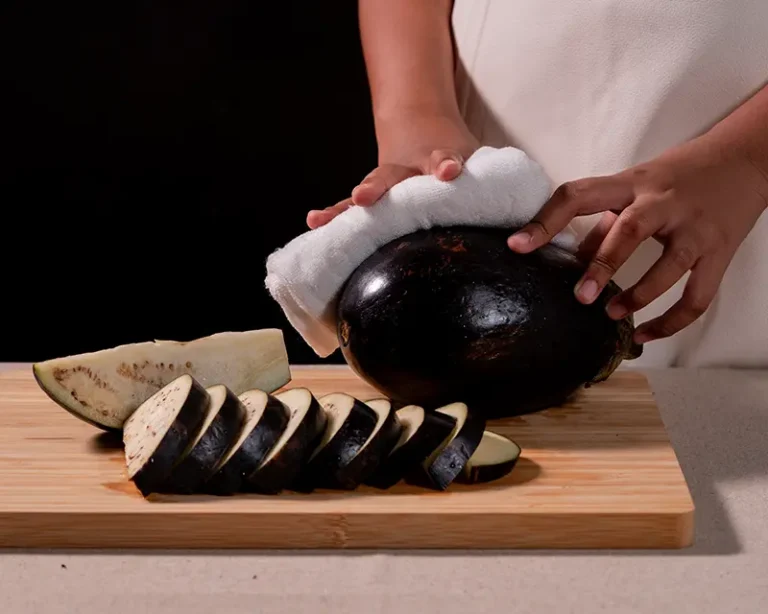
You notice this as tenderness, firmness, juiciness, snap, softness, or body. Salt affects flavour partly because texture affects how flavour is experienced.
→ See how salt affects texture
4. Salt Changes How Food Browns
Salt changes browning by changing what happens to moisture at the surface.
A wet surface steams. A drier surface browns. When salt pulls moisture out and that moisture evaporates, heat can work harder on the food itself. That is when roasted vegetables deepen, meat builds crust, and potatoes become more savoury.
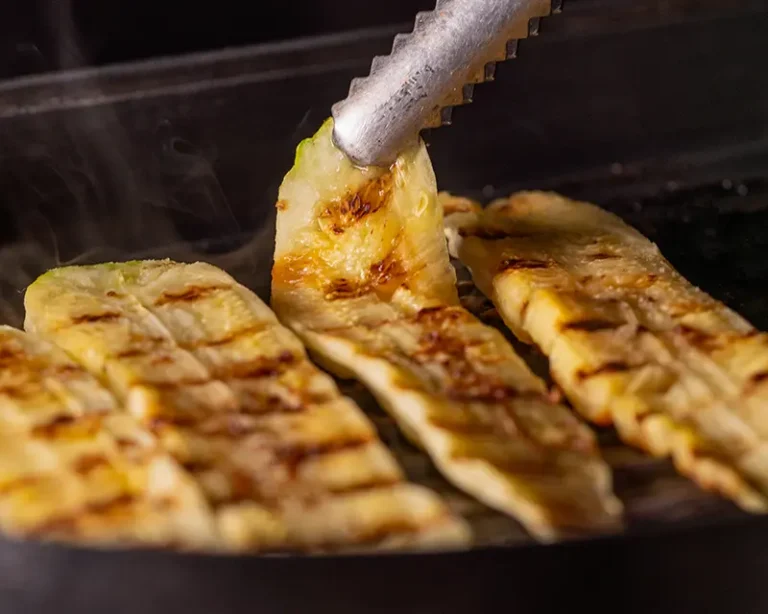
The result is not just colour. Browning brings roasted, nutty, savoury flavours that were not there before.
→ Understand how salt affects browning
5. Salt Releases Aroma
A good soup tells you what it is before the spoon reaches your mouth.
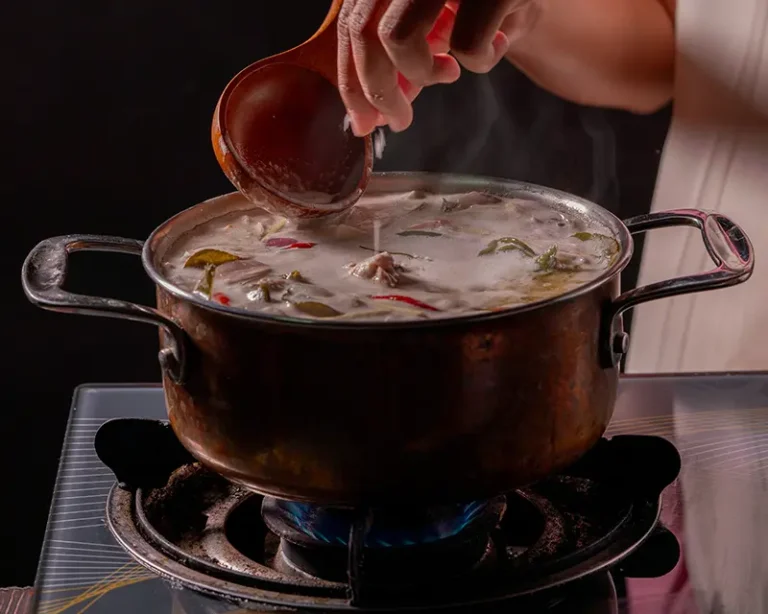
Salt helps that happen. In hot or moist food, it changes how aroma compounds move through liquid, fat, and steam. More of the dish reaches your nose before you taste it.
That is why a spoon of tom kha kai can smell louder after seasoning. The flavour starts before the bite, because aroma is already doing part of the work.
→ Learn how salt affects aroma
6. Salt Changes Mouthfeel
The same amount of salt can feel sharp, soft, round, or dull depending on where it sits.
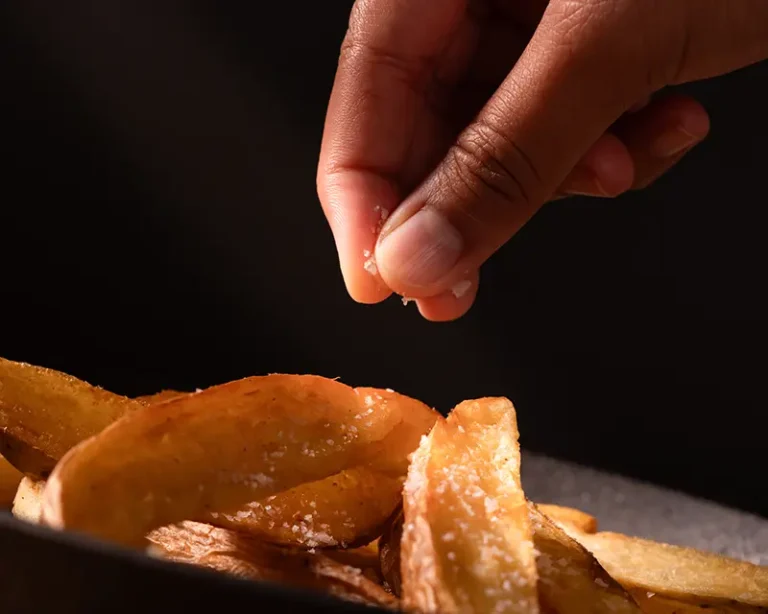
Salt on the surface hits first. You taste it immediately, then the food underneath follows. On thick fries, the outside tastes sharper before you bite into the soft, hot potato. Dissolved salt behaves differently: it spreads through the food and creates a more even seasoning.
That is mouthfeel. Salt changes not only what you taste, but how flavour arrives, fades, and finishes in the mouth.
→ Explore how salt affects mouthfeel
How the Six Mechanisms Work Together
In real food, this is how salt affects flavour: the six changes overlap in the same bite.
Salt a tomato and several things happen at once. Moisture rises to the cut surface. Flavour collects in that juice. Bitterness drops back. Sweetness and acidity become clearer. The tomato smells brighter because more aroma reaches your nose. The surface tastes sharper than the flesh underneath.
The same thing happens in a different way with thick fries. Salt stays on the outside first, so the first bite tastes sharper. Then it dissolves into the hot potato, making the soft centre taste fuller. Texture, mouthfeel, taste, and moisture are working together in the same bite.
That is why timing and placement matter. Salt added early moves into food. Salt added at the end stays closer to the surface. The amount matters, but where and when you add it often matter more.
Applying These Salt Principles in the Kitchen
Once you understand how salt affects flavour, seasoning becomes less random. These six changes are what cooks control through timing, placement, and the form of salt
For a complete overview of finishing salts, including different types, crystal structures, and when to use them, see the main guide:
Want to use this like a cook, not just understand the science? The next step is technique: when to add salt, how high to sprinkle, how to pinch by feel, and why finishing salt behaves differently at the last moment.
Ingredient Guides
Different ingredients respond to salt in different ways depending on their structure, moisture content, and cooking method. The guides below show how chefs apply finishing salt across common ingredient groups.
Proteins
→ How to Use Finishing Salt on Meat
→ How to Use Finishing Salt on Seafood
→ When to Salt Eggs
Vegetables and Fresh Produce
→ How to Use Finishing Salt on Vegetables
→ How to Salt Tomatoes
→ How to Salt Asparagus
→ Do You Need to Salt Aubergine or Eggplant?
→ How to Salt Zucchini or Courgette
→ When to Salt Mushrooms
→ How to Salt Beetroot or Beets
Bread, Pasta and Grains
→ Best Salts for Olive Oil Bread Dip
→ How to Salt Pasta
→ How to Salt Rice
→ How to Salt Risotto
→ How to Salt Grain Salads
→ When to Salt Potatoes
Simple Foods
→ How to Use Finishing Salt on Simple Foods
Fruits and Desserts
→ Salt on Fruit
→ Salt on Desserts
Explore Culinary Salts
Understanding how salt affects flavour makes it easier to choose the right salt for the right moment in cooking.
The Maison Kojira collection brings together culinary salts selected for their flavour, mineral character, and behaviour in the kitchen.