How Salt Moves Through Food
How salt moves through food is not only about moisture. Moisture is the carrier. The real mechanism is flavour movement: salt changes where water goes, and flavour follows.
Salt does not stay where you sprinkle it. Once salt touches moisture, it starts moving. First it dissolves. Then it pulls water toward the surface. Given time, dissolved salt can move back into the food with that moisture. As the water moves, flavour moves with it.
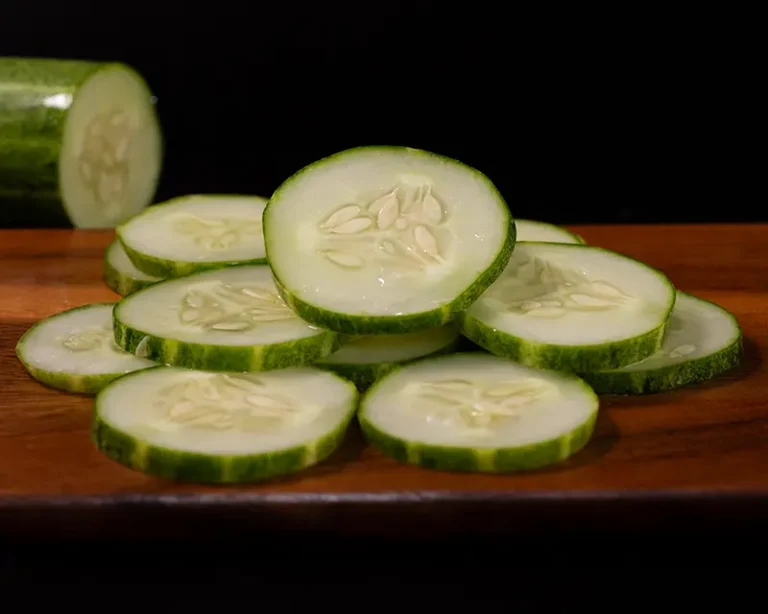
That is why sliced cucumber begins to glisten after salting. Why meat can look wet at first, then taste seasoned below the crust later. Why food often tastes more complete after it rests.
The 4 Stages of Flavour Movement
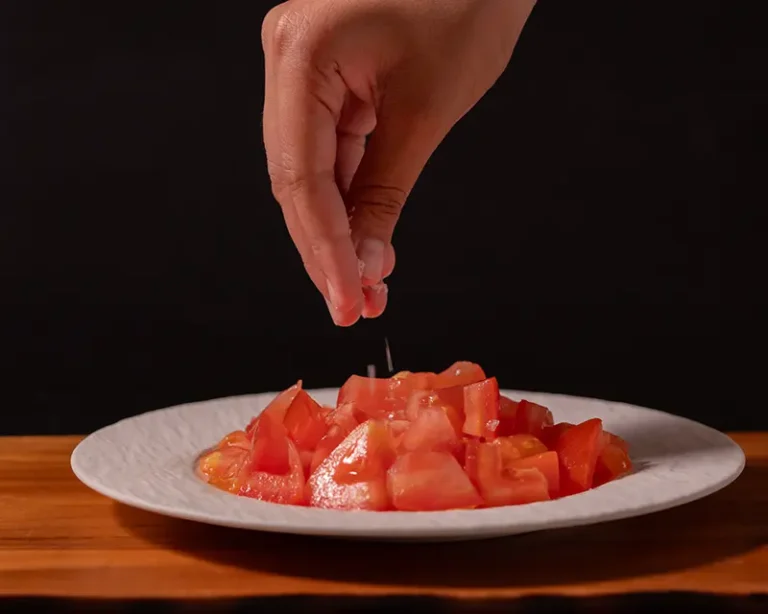
To understand how salt moves through food, think of it as a sequence rather than a single action. First it dissolves. Then moisture moves. Then dissolved salt can travel deeper. As moisture and seasoning move, flavour collects in different places.
1. Salt Dissolves Into Surface Moisture
Salt does not move through food as dry crystals. When salt lands on cucumber, tomato, fish, meat, vegetables or dough, it first needs moisture. It dissolves into the water already present on the surface of the food. That creates a salty surface brine.
This is the starting point. Once salt has dissolved, it can begin changing where water, seasoning and flavour collect.
2. Moisture Moves Toward the Salt
Water moves toward areas with a higher concentration of dissolved particles. When salt creates a salty layer on the surface of food, moisture from inside the food moves toward that layer. This is why sliced cucumbers, aubergine, cabbage and tomatoes release liquid after salting. The salt has not created water. It has changed where the water moves.
This first outward movement is why salted food can look wet before it tastes deeply seasoned.
3. Dissolved Salt Moves Back Into Food
Once salt has dissolved in surface moisture, it can begin moving back into the food. At first, the seasoning is mostly on the outside.
Given time, dissolved salt spreads deeper through the moisture inside the ingredient. Thin foods such as fish fillets or sliced vegetables season quickly because the salt only needs to travel a short distance. Larger cuts of meat or dense foods need more time.
This is the stage where how salt moves through food becomes visible in flavour. Meat salted ahead of cooking can taste seasoned below the crust, while food salted at the last moment often tastes seasoned only on the surface.
4. Flavour Follows the Moisture
As water moves, dissolved seasoning and flavour move with it. Some flavour collects near the surface. Some seasoning moves inward. Some moisture is drawn out, while some is retained or redistributed. This is why timing changes the final taste of food after salting.
Salt added at the last moment gives surface impact. Salt given time can season deeper. Food that rests after salting often tastes more complete because salt, moisture and flavour have had time to move together.
Why Salted Vegetables Release Water
When salt is sprinkled on vegetables, water often appears on the surface within a few minutes. This happens because salt changes how water moves inside the plant tissue.
Vegetables contain a large amount of water stored inside their cells. When salt dissolves on the surface, it creates a highly concentrated salty layer. Water from inside the vegetable moves toward this area, dissolving the salt and forming a light brine on the surface.
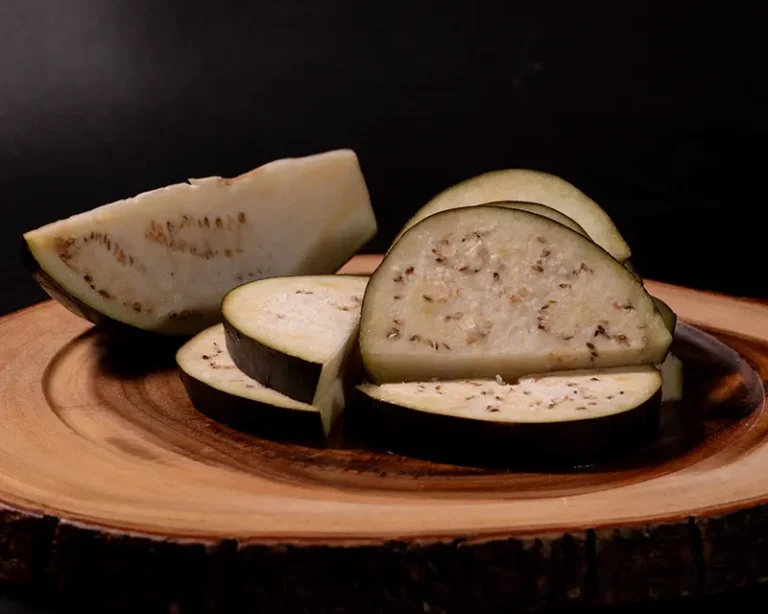
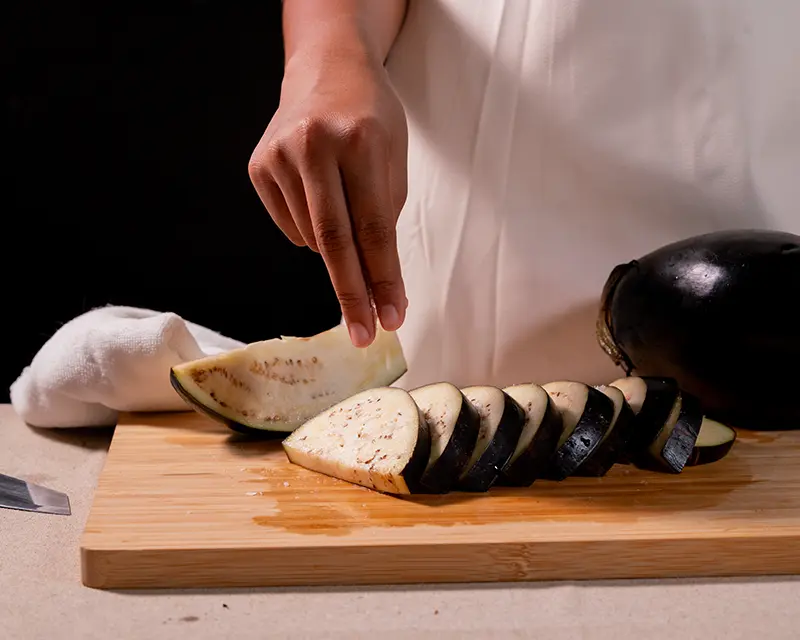
Cooks often use this effect intentionally. Salting vegetables such as cucumbers, eggplant, or cabbage draws out moisture before cooking, which concentrates flavour and changes the texture of the ingredient.
What Salt Movement Changes in Cooking
In cooking, salt movement shows up in three ways:
Surface Flavour
Salt added at the last moment stays mostly on the outside. This gives immediate impact, but less seasoning below the surface.
Deeper Seasoning
Salt given time can move inward with moisture. This is why meat, fish and dense vegetables can taste more evenly seasoned after resting.
Moisture Balance
Salt can draw moisture outward, help proteins retain water, or redistribute moisture inside the food. The result depends on timing, ingredient structure and how much salt is used.
Salt Movement in Practice
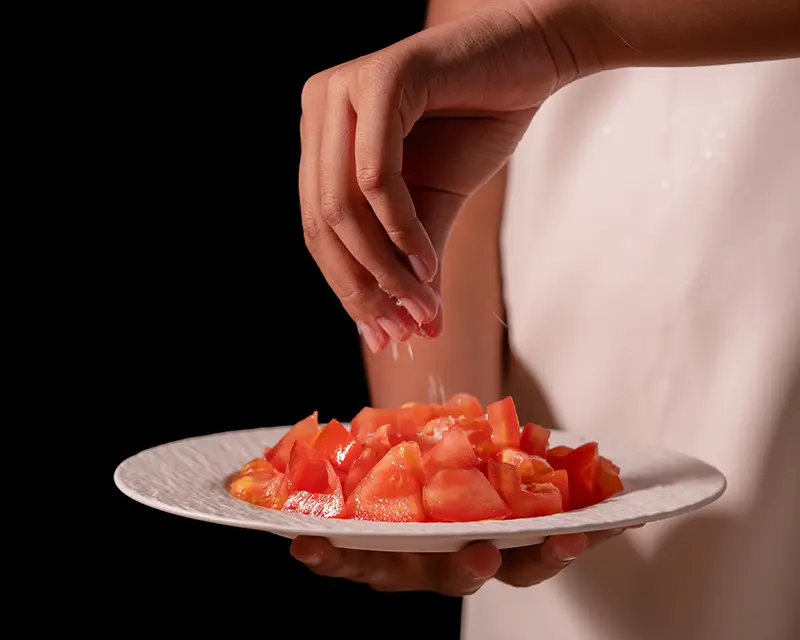
Once you understand how salt moves through food, tomatoes and aubergine become easier to season. Both show the same principle clearly: salt dissolves, moisture moves, and flavour starts collecting in different places.
Frequently Asked Questions About How Salt Moves Through Food
Does salt actually move through food?
Yes. Once salt dissolves into moisture, it can move through food gradually, especially in meat, fish, vegetables, dough, sauces and brines. That is why how salt moves through food depends on moisture, time and ingredient structure.
Why does salt draw water out of food?
Salt creates a higher concentration on the surface. Water moves toward that salty layer, which is why salted vegetables begin to weep.
Does salt season food below the surface?
Yes, but it needs time. Thin foods season quickly. Larger cuts of meat or dense foods need longer for dissolved salt to move inward.
Why does timing matter when salting food?
Late salting gives surface flavour. Earlier salting gives salt time to dissolve, move with moisture and season more deeply.
Does salt dry out food?
It can, especially when surface moisture is drawn out and then evaporates. Used with enough time and the right amount, salt can also help food retain moisture.
Read More About Salt & Flavour
This page focuses on how salt moves through food and changes where moisture, seasoning and flavour collect. For the full system on how salt changes the way food tastes, see → How Salt Affects Flavour.
Related Mechanisms: