How Salt Affects Browning, Crust and the Maillard Reaction
Salt can help food brown beautifully, or stop browning almost completely.
You see it in the pan. A steak forms a dark crust, or sits there steaming. Mushrooms turn golden and savoury, or collapse into water. Chicken skin becomes crisp, or stays pale and soft. Roasted vegetables deepen at the edges, or taste cooked but flat.
How salt affects browning comes down to surface moisture and timing. Browning needs heat and a relatively dry surface. Salt changes both. It pulls moisture toward the surface, helps flavour collect there, and changes how quickly that moisture cooks off.
That is why salt can improve crust when timing is right, and delay browning when water is still sitting on the food. Salt does not brown food by itself. It changes the conditions that let browning happen.
This guide explains how salt affects browning in real cooking: steak, chicken, mushrooms, onions, potatoes, roasted vegetables, Maillard reaction, caramelisation and finishing salt after the crust is built.
Where Salt Changes Browning Most
The question is not only whether to salt, but when the surface will be dry enough to brown instead of steam. That timing is the centre of how salt affects browning.
Steak and Dense Meat
Steak, lamb chops, pork chops, thick beef cuts
Salt well ahead of cooking, then let the surface dry, or salt immediately before searing. Avoid the middle window, when salt has pulled moisture out but the surface has not dried again.
Chicken Skin
Roast chicken, thighs, wings, skin-on breasts
Salt early when you want better seasoning and drier skin. Moisture on the surface slows browning, so give the skin time to dry before roasting or searing.
Mushrooms
Button mushrooms, shiitake, oyster, shimeji, portobello
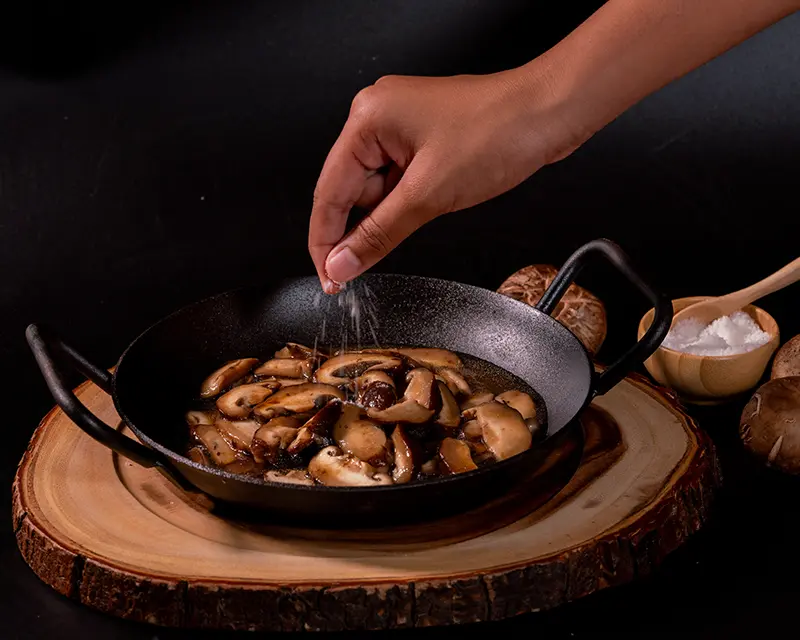
Mushrooms release a lot of water. Salt too early and they can stew before they brown. Cook off moisture first, then salt once colour begins to build.
Roasted Vegetables
Aubergine, carrots, onions, tomatoes, pumpkin, courgette
Salt earlier when you want softness and moisture release. Salt later when you want stronger surface browning, roasted edges and more contrast.
Potatoes and Fries
Roast potatoes, fries, wedges, thick-cut potatoes
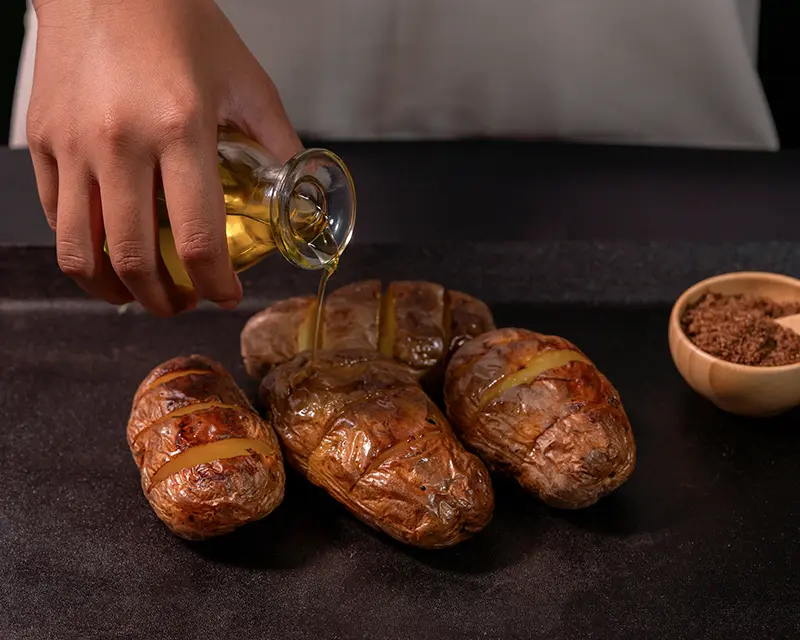
Salt can make browned potato taste more complete, but surface moisture is the enemy of crispness. Dry the potato well before browning, then finish with salt while hot.
Onions and Sugary Foods
Onions, shallots, carrots, fruit, caramelising vegetables
Salt helps draw out moisture and can slow the start of browning. Once water cooks off, sugars concentrate and caramelisation becomes easier to control.
👨🏼🍳 Browning Rule: salt helps browning when the surface has time to dry. If water is still sitting on the food, heat makes steam before it makes crust.
Browning Needs a Dry, Hot Surface
Browning begins when the surface of food is hot enough and dry enough for colour, crust and roasted flavour to develop. This is the most important thing to understand about how salt affects browning: water has to leave before crust can form.
If the surface is wet, the food steams before it browns. You see this with mushrooms sitting in their own water, chicken skin that stays pale, or steak that never quite builds a crust. Heat is going into evaporating water instead of browning the food.
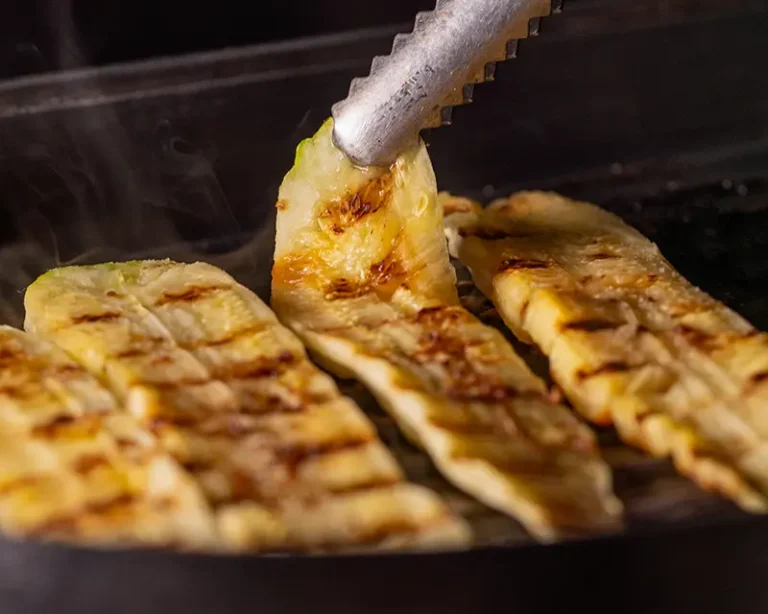
Salt changes that surface. It pulls moisture out, helps dissolved flavour collect near the outside of the food, and changes how quickly water evaporates during cooking. That is why timing matters so much.
Salt added well ahead of cooking can season the food and give the surface time to dry again before heat is applied. Salt added shortly before searing can leave moisture sitting on the surface and slow browning. Salt added at the end does not build crust, but it can sharpen the browned flavour already created.
Salt does not brown food by itself. It changes the conditions that allow browning reactions to happen.
How Salt Influences the Maillard Reaction
The Maillard reaction creates many of the savoury, roasted aromas in grilled meat, baked bread, roasted mushrooms and seared vegetables. It happens when amino compounds from proteins react with reducing sugars under heat. This is where how salt affects browning becomes practical: the surface needs enough heat, enough dryness, and enough time for roasted flavour to develop.
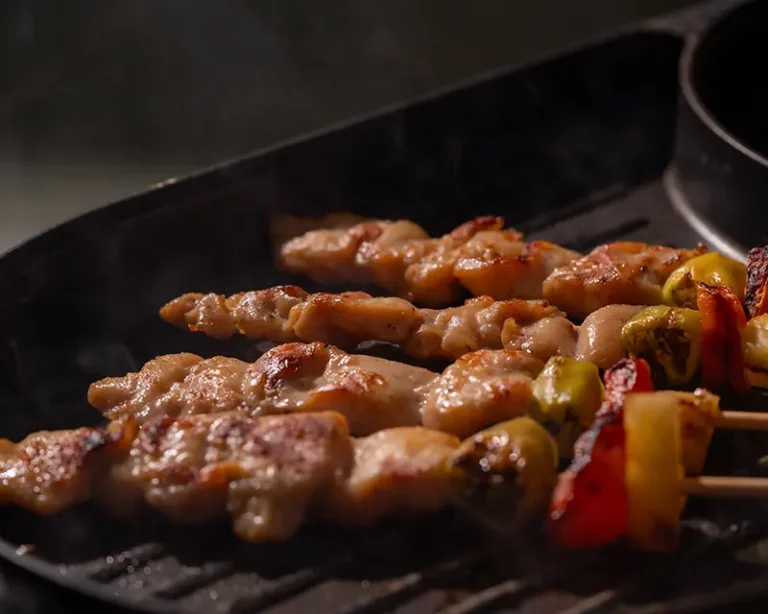
Salt does not take part in the reaction directly. Its influence is physical. It changes how moisture moves, how the surface dries, and how proteins, sugars and dissolved compounds concentrate at the surface, where browning takes place.
This is why salting meat well ahead of cooking can improve browning, while salting shortly before searing can weaken it. In the short window, water sits on the surface. With enough time, that moisture can redistribute or evaporate, leaving a better-seasoned and drier surface.
How Salt Influences Caramelisation
Caramelisation is another type of browning that occurs when sugars are heated to high temperatures. Unlike the Maillard reaction, caramelisation does not involve proteins or amino acids. It happens when sugars themselves break down under heat and transform into new flavour and colour compounds.
This process is responsible for the deep sweetness of caramel, the rich flavour of slowly browned onions, and the roasted notes that develop in fruits and some vegetables during cooking.
For caramelisation to begin, the surface of the food must become hot and relatively dry. As water evaporates during cooking, sugars become more concentrated and temperatures can rise high enough for sugar molecules to start breaking apart and reorganising.
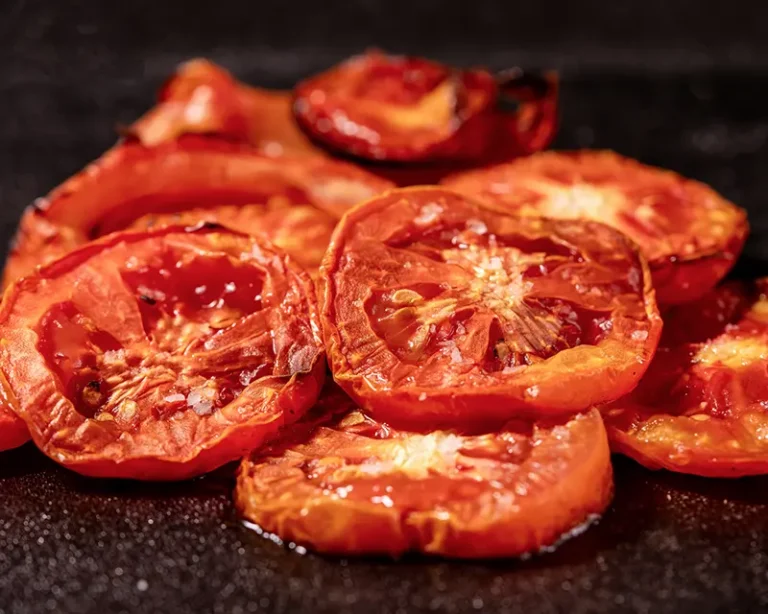
Salt does not trigger caramelisation directly, but it can influence the conditions that allow it to occur. By changing how moisture moves and evaporates during cooking, salt can help shape when sugars become concentrated enough and hot enough for caramelisation to develop. This is another way how salt affects browning indirectly: it changes moisture movement first, then colour and flavour follow.
Practical Timing: When Salt Helps Browning
How salt affects browning depends mostly on timing: salt helps when it improves surface dryness before cooking.
For steak, chicken or dense meat, salt either immediately before cooking or well ahead of time. The awkward middle window is the problem. Salt has drawn moisture to the surface, but the surface has not had enough time to dry again.
For mushrooms, salting early can pull out water and slow browning. Cook them first until their moisture releases and evaporates, then season once they begin to colour.
For vegetables, the timing depends on the goal. Salt earlier when you want softness and moisture release. Salt later when you want stronger surface browning and contrast.
For finishing salt, add it after browning. It will not build crust, but it can make browned flavours sharper, more aromatic and more textured.
Browning in Practice
Once you understand how salt affects browning, the same rule becomes more useful in specific dishes. Mushrooms, roast potatoes and other high-moisture foods do not fail because salt is wrong. They fail because water is still on the surface when heat arrives.
These guides show how browning works in real cooking: when to salt, when to wait, and when the food needs dryness before seasoning can help.
Read More About Salt & Flavour
This page focuses on how salt affects browning.
For the full system on how salt changes the way food tastes, see → How Salt Affects Flavour.
Related Mechanisms:
- → How Salt Affects Aroma
- → How Salt Affects Mouthfeel
- → Why Salt Makes Food Taste Better
- → How Salt Moves Through Food
- → How Salt Affects Texture
Frequently Asked Questions About Salt & Browning
Does salt help or prevent browning?
Salt can do both. It helps browning when it gives the surface enough time to dry before cooking. It can delay browning when water is still sitting on the surface as heat is applied. That is why how salt affects browning depends less on salt alone and more on moisture, heat, surface dryness and timing.
Why does salt create a better crust?
Salt can support crust formation when it helps the surface dry before cooking. A dry surface browns better than a wet one. This allows browning reactions to develop more easily and creates a deeper crust.
Does salt affect the Maillard reaction directly?
No. Salt does not take part in the Maillard reaction itself. It changes the conditions, such as moisture and temperature, that determine how easily the reaction occurs.
Does salt affect caramelisation?
Salt does not trigger caramelisation directly, but it influences how moisture evaporates and how sugars concentrate, which affects when caramelisation begins.
Why does salting meat too early reduce browning?
Salt draws moisture out of the surface. If that moisture remains during cooking, it limits surface temperature and slows down browning.