How Salt Affects Mouthfeel: 3 Powerful Sensory Effects
Salt changes how flavour feels as you eat. It can hit sharply on the surface, spread smoothly through moisture, or linger longer because saliva carries flavour across the mouth.
This page is about mouthfeel, not food structure. Texture is what salt changes inside the food: proteins, plant cells, moisture, firmness, and tenderness. Mouthfeel is what you experience as you eat: the first hit of surface crystals, the smoothness of dissolved salt, and the way saliva spreads flavour across the tongue.
That is the simplest way to understand how salt affects mouthfeel: the same amount of salt can feel sharp, soft, round, or dull depending on crystal size, placement, and timing.
The 3 Ways Salt Changes Mouthfeel
How salt affects mouthfeel depends on where the salt sits and how quickly it dissolves. Surface crystals, dissolved salt, and saliva each create a different sensation in the mouth.
Surface Salt Hits First
Sharp, bright, immediate
Surface crystals dissolve directly on the tongue, giving a sharp first hit before the food underneath catches up.
Dissolved Salt Feels Smoother
Even, round, integrated
Salt dissolved into yoghurt, sauce, broth, or juice spreads through saliva, so the sensation feels smoother and more continuous.
Saliva Carries Flavour Longer
Fuller, juicier, longer-lasting
Salt stimulates saliva, helping flavour compounds move across the tongue and linger after each bite.
👨🏼🍳 Mouthfeel Rule: surface salt gives impact, dissolved salt gives smoothness, and saliva helps flavour spread and linger.
Why Surface Salt Hits First
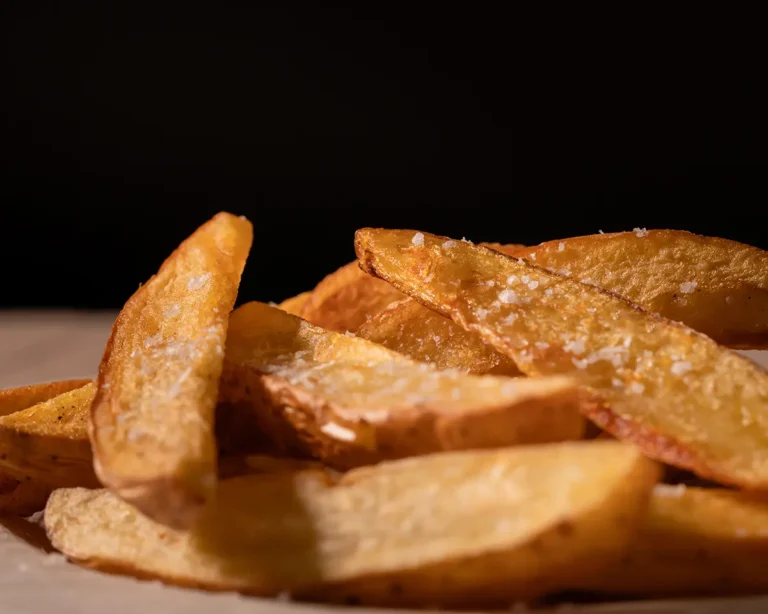
On crisp foods, how salt affects mouthfeel is easiest to taste. A salted fry can feel sharp at first, then soft and full once you bite into the hot potato underneath. You taste surface salt before you taste the rest of the food.
When salt is fully dissolved and mixed through a dish, the effect is smoother. Each bite carries a more even level of salinity, so the seasoning feels integrated rather than sudden.
Surface salt gives a different experience. Individual crystals dissolve directly on the tongue as you eat, creating short bursts of concentrated saltiness. This is why finishing salts are often added just before serving. A few crystals on thick fries, warm eggs, roasted vegetables, bread, or chocolate can make the first bite brighter and the surrounding flavours more vivid.
The choice is practical. Salt mixed into food builds background seasoning. Salt on the surface creates contrast, impact, and a more noticeable finish.
Why Dissolved Salt Feels Smoother
Surface crystals give you the first hit. Dissolved salt gives you a smoother spread.
You notice this in yoghurt, labneh, broth, sauce, tomato juice, melted butter, or anything with enough moisture for the salt to disappear before or during the bite. Instead of landing as separate crystals, the salt moves through liquid and saliva, so the flavour feels more even across the mouth.
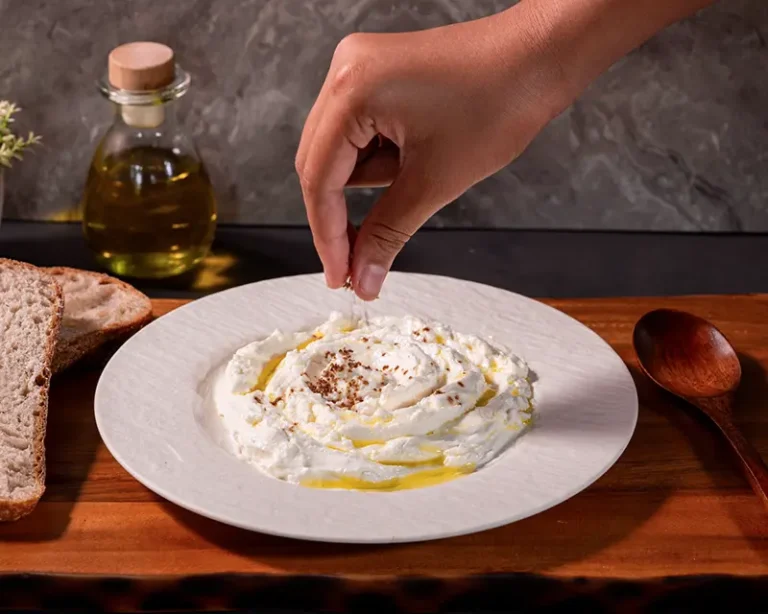
On soft, moist foods, how salt affects mouthfeel is different. Instead of landing as separate crystals, the salt moves through liquid and saliva, so the flavour feels more even across the mouth.
Some foods give both sensations at once. Salt on yoghurt or labneh can give a small crystal bite first, then a smoother finish as the salt dissolves into moisture and fat.
Why Salt Makes Your Mouth Water and Flavour Linger
The third part of how salt affects mouthfeel is saliva. Salt does more than make food taste salty. It makes flavour move. You notice this when a bite seems to stay alive for a little longer: a salted tomato tastes juicier, a salted sauce feels fuller, or a warm egg yolk seems to carry more aroma after the first taste.
When salt touches the tongue, it stimulates saliva. That extra moisture helps dissolve flavour compounds from the food and spread them across the mouth. As a result, flavours become easier to perceive.
Saliva also helps carry flavour molecules toward the back of the mouth, where they can travel upward to the nose. This strengthens the aroma part of flavour while you eat.
That is why salt can make food feel more vivid and longer-lasting. It helps taste and aroma spread, so the flavour does not disappear as quickly after each bite.
How Crystal Size Changes Salt Perception
Crystal size matters because how salt affects mouthfeel depends partly on how quickly salt dissolves.
Very fine salt dissolves almost instantly when it touches moisture on the tongue. Because it disappears quickly, it spreads through saliva and creates a smoother, more even saltiness.
Larger crystals behave differently. They take longer to dissolve, so the saltiness appears in small waves as the crystals break down while you chew.
Flaky salts create another sensation. Their thin, fragile layers break easily between the teeth, exposing new surfaces that dissolve quickly. This creates sharp bursts of saltiness that appear suddenly and then fade.
This is why the same amount of salt can feel different depending on crystal size. Fine salt gives even seasoning. Larger crystals give more noticeable moments of salinity. Flaky crystals give a light crunch and a bright first hit.
Mouthfeel in Practice
Once you understand how salt affects mouthfeel, the difference becomes easier to taste. Surface salt gives impact. Dissolved salt gives smoothness. The best timing depends on what you want the food to feel like in the mouth.
Fries show surface salt at its clearest. Salt added at the end stays partly on the outside, giving a sharper first hit against the hot, soft potato inside.
Yoghurt and labneh show the smoother side of salt. Some crystals may hit first, but most dissolve into moisture and fat, making the dairy taste rounder, fuller, and more savoury.
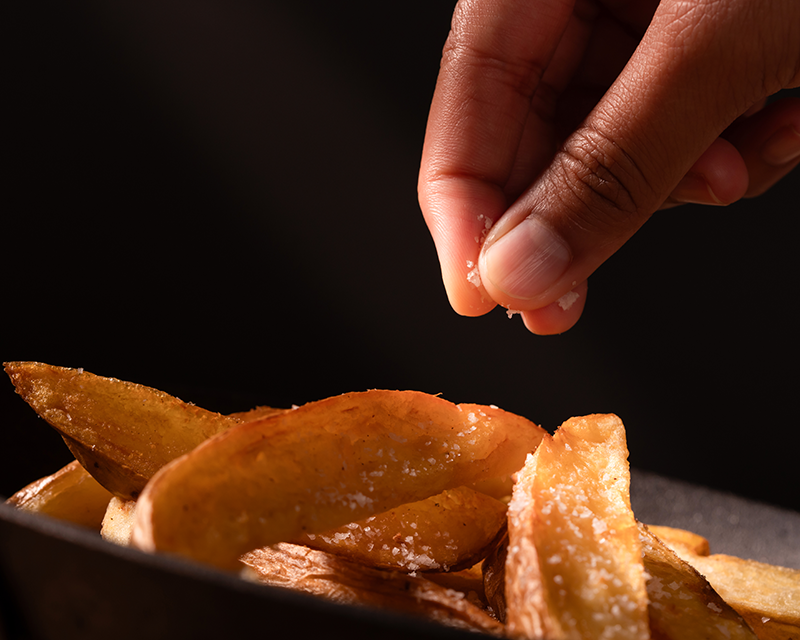
When to Salt Fries So They Stay Crisp
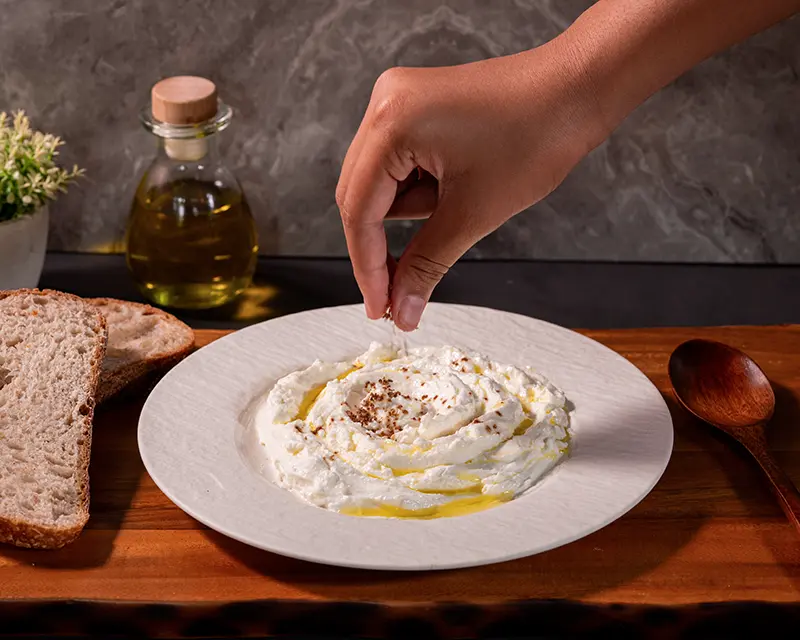
How to Salt Yogurt, Greek Yogurt and Labneh Beautifully
Frequently Asked Questions About Salt and Mouthfeel
Why does salt make the mouth water?
Salt activates taste receptors that trigger saliva production. This extra saliva helps dissolve and spread flavour across the mouth, changing how food feels while eating.
How does saliva change mouthfeel?
Saliva acts as a carrier for flavour. It dissolves compounds from food and spreads them across the tongue, making flavours feel smoother, more continuous, and longer-lasting.
Does salt change how flavour spreads in the mouth?
Yes. Salt helps flavour compounds dissolve and move with saliva, allowing them to spread more evenly across the tongue and feel more complete.
Why does salt taste stronger on the surface of food?
When salt sits on the surface, it dissolves directly on the tongue and creates short bursts of concentrated flavour. When mixed evenly, the same amount feels more subtle and constant.
How does salt affect mouthfeel?
How salt affects mouthfeel depends on placement, crystal size, moisture, and saliva. Surface crystals feel sharper, dissolved salt feels smoother, and saliva helps flavour spread and linger.
Read More About Salt & Flavour
This page focuses on how salt affects mouthfeel.
For the full system on how salt changes the way food tastes, see → How Salt Affects Flavour.
Related Mechanisms: