When to Salt Seafood: 5 Rules for Tender Fish, Shrimp and Shellfish
When to salt seafood is not only a question of flavour. It is a question of timing.
Fish and shellfish give you very little room to recover. Salt a fillet too early or too heavily and the surface can release moisture before it reaches the pan. Salt scallops too far ahead and they can weep instead of searing. Salt shrimp carelessly and they can go from sweet to sharp in one pinch. Oysters, clams and mussels may already bring enough brine before you add anything.
That is why seafood needs a lighter hand than most foods.
The rule is not simply “salt before cooking” or “salt after cooking.” It depends on what you want the salt to do. Sometimes you salt early to firm the surface and help browning. Sometimes you salt at the end because the seafood is delicate, moist, naturally briny, or already cooked. And sometimes the best move is to taste first and add nothing.
At Maison Kojira, we think seafood is one of the clearest tests of salt. Not because it needs more salt, but because it shows whether the salt has control. A good salt should make fish taste cleaner, scallops sweeter, shrimp brighter, and lobster more precise. It should not make seafood taste salty.
👨🏼🍳 Quick answer: when to salt seafood depends on the cooking method. Salt before cooking when you need a drier surface for browning. Salt after cooking when the seafood is delicate, moist, naturally briny, raw, steamed, poached, or already finished with butter, broth, olive oil, or citrus.
The 5 Rules for Salting Seafood
When to salt seafood depends on what the salt needs to do. Is it helping the surface brown, or is it finishing a delicate piece of fish or shellfish at the table? These five rules cover most seafood cooking.
1. Salt Before Cooking Only When It Helps Browning
Use early salt for fish fillets, scallops, squid, or octopus going into a hot pan or onto the grill.
The goal is not heavy seasoning. The goal is a drier surface, better contact with heat, and a cleaner crust. Salt lightly, give it a short rest, then pat the seafood dry before cooking.
2. Salt Delicate Seafood Late
Steamed fish, poached shrimp, lobster, crab, and soft shellfish are easier to control after cooking.
These foods have moist surfaces, so salt dissolves quickly. Add it too early and it disappears into the liquid. Add it at the end and a few crystals can still sharpen the bite.
3. Taste Naturally Briny Seafood First
Oysters, clams, mussels, crab, and caviar may already carry enough salinity.
Taste before adding anything. Sometimes the right amount of salt is none. Sometimes it is one or two crystals, placed carefully.
4. Use Finishing Salt Where It Can Stay on the Surface
Finishing salt works best on dry, warm, or lightly oily seafood.
Think seared scallops, grilled fish, shrimp with olive oil, lobster with butter, or octopus from the grill. The crystals should stay visible for a moment before they dissolve. That is where contrast happens.
5. Use Less Salt with Butter, Broth and Shellfish
Butter carries salt quickly. Broth concentrates salinity. Shellfish often bring their own brine.
What tastes balanced in the first bite can become too much by the third. Use less than you think, then taste.
When to Salt Seafood: Before or After Cooking?
Salt seafood before cooking only when timing helps the cooking. For fish fillets, scallops, squid, or octopus going into a hot pan or onto the grill, a light early salt can help firm the surface and support browning. Keep it restrained, rest briefly, then pat the seafood dry before it hits the heat.
Salt seafood after cooking when control matters more than browning. That includes steamed fish, poached shrimp, lobster, crab, oysters, mussels, clams, and anything naturally briny or served with butter, broth, olive oil, or citrus. Add the salt at the end so it stays precise instead of dissolving into the liquid.
So the practical answer is simple: salt before cooking when you need a better surface, and salt after cooking when you need a cleaner finish. With seafood, the wrong timing can make salt disappear, or make it too strong. The right timing lets a small amount do more. This is why deciding when to salt seafood is really a question of moisture control, surface texture, and timing.
When to Salt Seafood by Type
Different seafood needs different timing. The same pinch of salt behaves differently on dry fish skin, wet shrimp, raw oysters, hot scallops, or shellfish in broth.
Fish Fillets
Salt lightly before searing or grilling, then finish after cooking.
For pan-seared or grilled fish, salt 10 to 15 minutes before cooking, then pat dry before the fish hits the pan. For steamed, poached, or very delicate fish, salt at the end.
Scallops
Salt just before searing, or after cooking.
Scallops need a dry surface to brown. If you salt too far ahead, they can release moisture and sear poorly. Pat them dry, cook hot, then finish with a few crystals.
Shrimp and Prawns
Salt lightly at the end, or just before grilling.
Shrimp are small and absorb salt quickly. Add too much and their sweetness disappears. For boiled or poached shrimp, season after draining while they are still warm.
Lobster and Crab
Salt after cooking, especially when butter is involved.
Lobster and crab already carry sweetness and natural salinity. Butter makes salt travel fast, so use a restrained pinch after cooking rather than heavy seasoning earlier.
Oysters and Raw Shellfish
Taste first. Often, do not salt at all.
Oysters, raw clams, and other raw shellfish are already briny. If they need anything, use one or two crystals at the final moment, placed carefully.
Mussels and Clams
Do not salt the cooking liquid unless it truly needs it.
Mussels and clams release their own salinity into the broth. Salt the finished dish lightly at the end, after tasting the liquid and shellfish together.
Octopus, Squid and Calamari
Salt after grilling, frying, or crisping.
These have more texture than delicate fish, but the surface still matters. Salt after high heat so the exterior stays defined and the seasoning lands on the bite, not in the pan.
Common Mistakes When Salting Seafood
The most common seafood salting mistakes are not dramatic. They are small timing errors that change the texture or make the salt feel stronger than expected.
Salting too far ahead. Fish and scallops can release moisture if salted too early or too heavily. That moisture makes browning harder and can leave the surface soft instead of cleanly seared.
Forgetting to pat seafood dry. Early salt only helps when the surface is dried before cooking. If the fish goes into the pan wet, the heat has to drive off water before it can build colour.
Salting shellfish cooking liquid too early. Mussels, clams, crab and lobster already bring natural salinity. Salt the water or broth too soon and the whole dish can move from briny to salty before you notice.
Using too much salt with butter. Butter carries salt quickly. A pinch that tastes balanced at first can feel too strong once it spreads through melted butter, lobster, crab, scallops or white fish.
Treating oysters like cooked seafood. Raw shellfish is already direct and briny. Taste first. Often the right move is no salt at all.
Which Salt Works Best with Seafood?
Seafood is one of the best places to notice the character of a salt, because there is so little to hide behind. A few crystals can make fish taste cleaner, scallops sweeter, shrimp brighter, or lobster more defined. The right salt depends on where you want the dish to go.
For very delicate seafood, a clean mineral salt is usually the safest choice. It brings structure without adding a separate flavour. Use it when you want fish, scallops, shrimp, crab, oysters, clams, octopus, or squid to stay clear and precise.
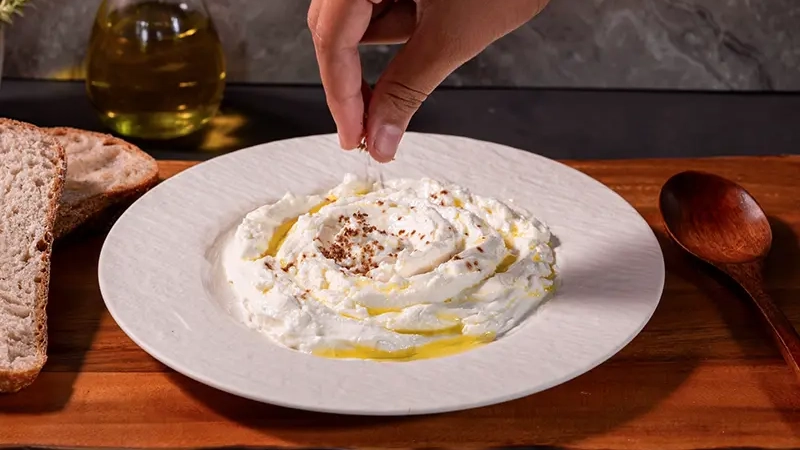
Preserved lemon salt belongs where seafood wants brightness: white fish with olive oil, scallops with butter, shrimp with herbs, lobster with warm juices, or yoghurt and seafood sauces. The goal is not to make the dish taste lemony. It is to bring lift, acidity, and a cleaner finish.
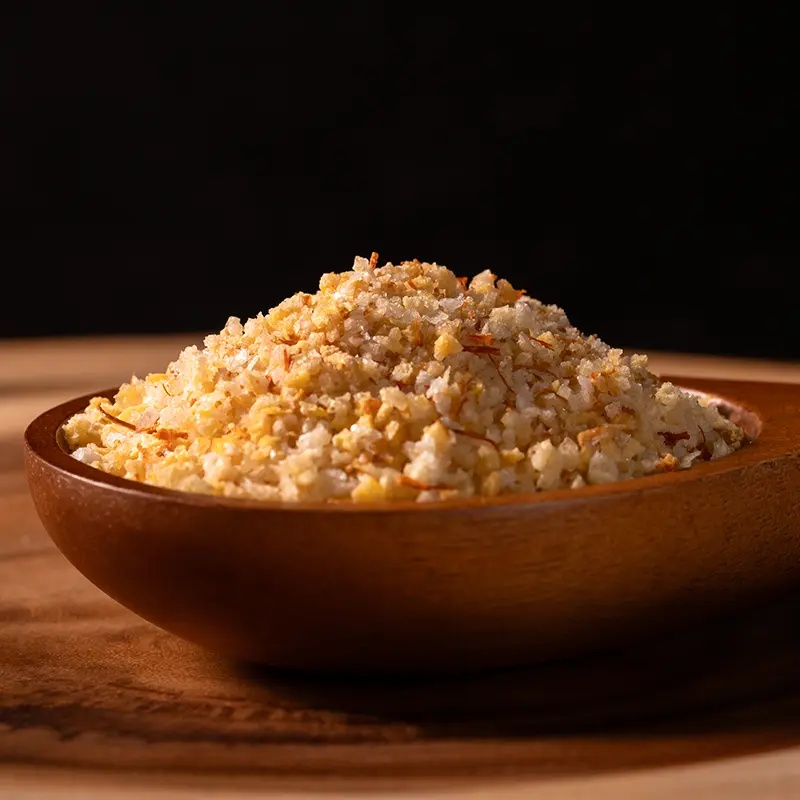
Saffron salt works best when seafood is carried by fat or warmth. Think lobster with butter, scallops with olive oil, white fish with pan juices, seafood rice, or a warm sauce where saffron has room to open. It adds colour, aroma, and warmth rather than sharpness.
Stronger salts can work too, but they need a reason. Smoked salt, black garlic salt, mushroom salt, or chilli salt can pull seafood into a deeper, darker direction. That can be beautiful with grilled octopus, squid, rich broths, or smoky preparations, but it is usually too much for very clean fish or raw shellfish.
The best salt for seafood is not always the most dramatic one. It is the one that lets the seafood stay recognisable, while making the bite cleaner, brighter, warmer, or more complete.
Bring Seafood Into Focus
Seafood needs less salt than most foods, but the right salt can change the whole direction.
Choose saffron when you want warmth, colour and aroma around butter, olive oil, lobster, scallops or white fish. Choose preserved lemon when you want brightness around shrimp, crab, yoghurt sauces, olive oil and delicate fish.
Frequently Asked Questions About When To Salt Seafood
These quick answers cover the most common timing decisions: when to salt seafood before cooking, when to salt at the end, and when to leave it alone.
Should you salt fish before or after cooking?
For pan-seared or grilled fish, salt lightly 10 to 15 minutes before cooking, then pat the fish dry before it hits the pan. For steamed, poached, or very delicate fish, salt at the end instead.
Should you salt scallops before searing?
Only lightly, and not too far ahead. Scallops need a dry surface to brown. Pat them dry before cooking, sear them hot, then finish with a few crystals after cooking.
Should you salt shrimp before or after cooking?
For grilled shrimp, you can salt lightly just before cooking. For boiled or poached shrimp, salt after draining while the shrimp are still warm. Shrimp absorb salt quickly, so use a light hand.
Do oysters need salt?
Usually no. Oysters are already briny. When deciding when to salt seafood, oysters are the clearest reminder to taste first. Add one or two crystals only if the oyster tastes flat or needs definition.
How Finishing Salt Works Across Different Ingredients
Seafood is the delicate end of salting. Other foods give you more room to work.
Mushrooms need timing for browning. Eggs need restraint. Potatoes need salt at different moments depending on whether they are boiled, roasted, mashed or fried. Rice and pasta need seasoning built in from the start.
For the broader methods, see How Chefs Use Finishing Salt. For specific foods, continue with the guides below.
Meat
Eggs and Vegetables
→ When to Salt Eggs
→ How to Salt Vegetables
Starches and Grains
→ When to Salt Potatoes
→ How to Salt Grain Salads
→ How to Salt Pasta
→ How to Salt Rice
→ How to Salt Risotto