Finishing Salt: That Last Pinch That Makes Food Complete
Quick Answer
What Is Finishing Salt?
Finishing salt is salt added at the end of cooking or just before serving to make food taste complete. Because it is added late, it does not fully disappear into the dish. It gives the final bite cleaner seasoning, light texture, contrast, aroma, and a more finished taste.
What Are the Main Characteristics of Finishing Salt?
The main characteristics of finishing salt are timing, texture, control and final flavour. It is used late, when the food is already seasoned inside and the surface still needs lift.
You notice good finishing salt the moment you take the first bite. The egg tastes cleaner, the tomato tastes riper, the yoghurt feels brighter, bread and olive oil have more contrast, and grilled meat tastes more complete after resting. A good finishing salt should be easy to pinch, visible where it lands, pleasant on the tongue and clear without making the food taste merely salty.
At Maison Kojira, finishing salt is not decoration. We make mineral and gourmet salts, so we have to think carefully about where better salt improves the final bite: on eggs, tomatoes, yoghurt, bread and olive oil, grilled meat, roasted vegetables, fruit, or anything served at the table.
This page is the starting point for our salt guides. It explains what finishing salt is, when to use it, how it differs from cooking salt, which types make sense, and where to go deeper: vegetables, meat, seafood, eggs, yoghurt, cheese, potatoes, rice, pasta, fruit, desserts, flavour science, chef technique, and the question of whether all salts really taste the same.
Finishing Salt vs Cooking Salt
The difference is not that one is “real salt” and the other is not. The difference is timing. Cooking salt is added earlier so it can dissolve into the food. Finishing salt is added later so it can complete the final bite.
Cooking Salt
Cooking salt is used during preparation. It dissolves into pasta water, soup, dough, sauces, meat, vegetables, grains, or potatoes so the food tastes seasoned throughout.
Use it when the centre of the food needs seasoning, or when salt needs time to move, dissolve, soften, draw out moisture, or balance the dish from within.
Finishing Salt
Finishing salt is used at the end of cooking or just before serving. Because it is added late, it does not fully disappear into the dish.
Use it when the food is already cooked, sliced, dressed, rested, warm, creamy, crisp, or ready for the table, and needs cleaner seasoning, light texture, contrast, aroma, or a more finished taste.
Most dishes need both. Cooking salt seasons the food from within. Finishing salt makes the final bite feel complete.
When to Use Finishing Salt
Use finishing salt when the food is already cooked, dressed, sliced, rested, or ready for the table, but still needs a final lift. It works best when the centre is already seasoned and the surface can still carry a little salt, texture, aroma, or contrast.
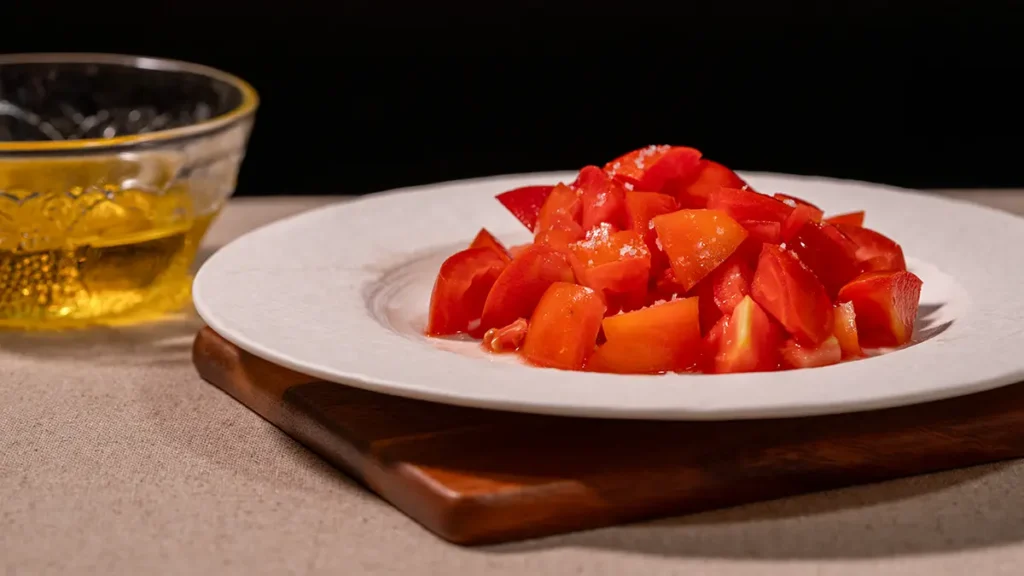
Reach for it when eggs taste rich but need definition, tomatoes taste ripe but slightly flat, roast vegetables need an edge, yoghurt needs brightness, bread and olive oil need contrast, or grilled meat needs one last adjustment after resting.
The best moment is usually late: after heat has done its work, after moisture has settled, and just before the food is eaten.
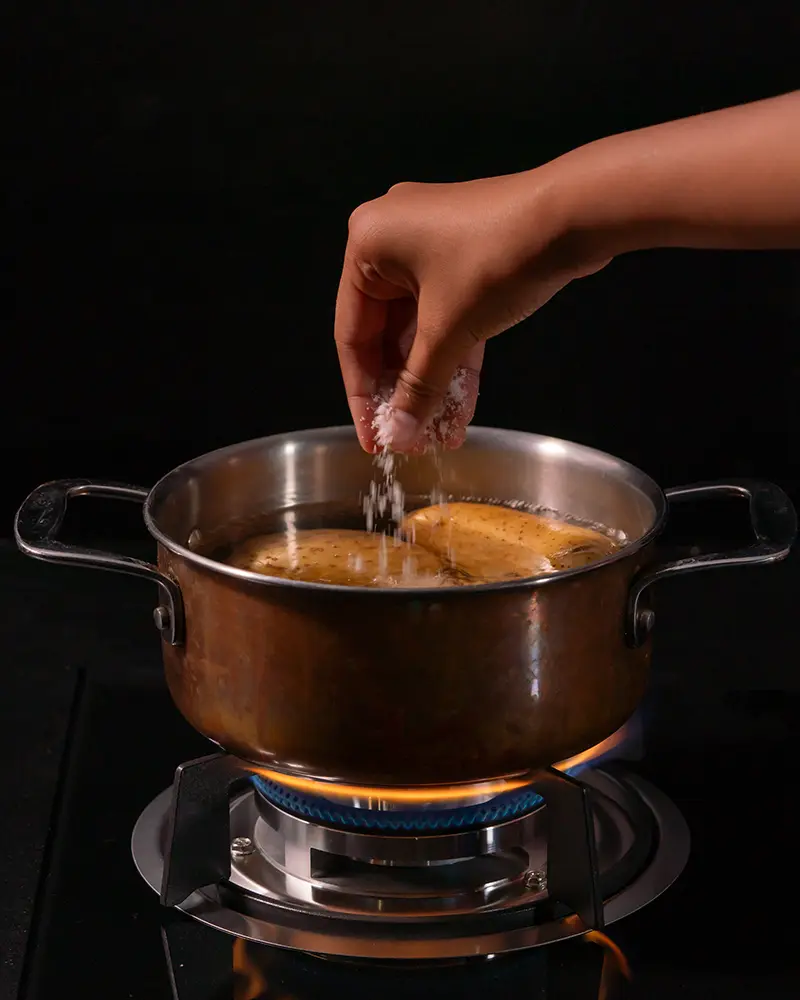
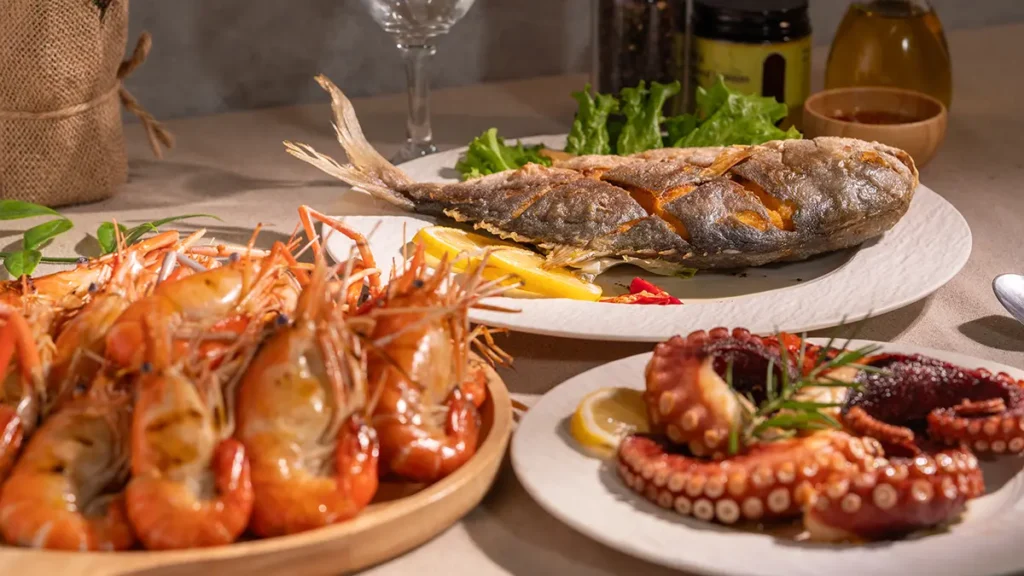
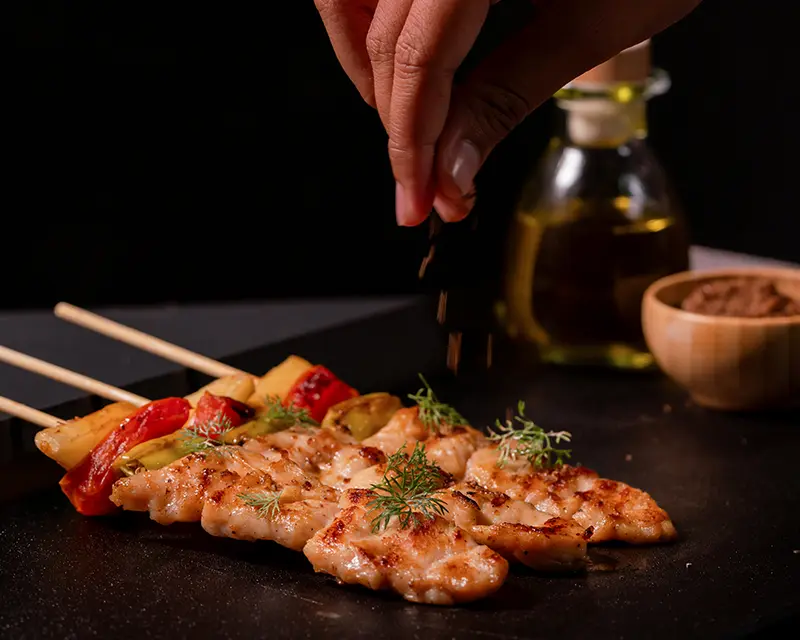
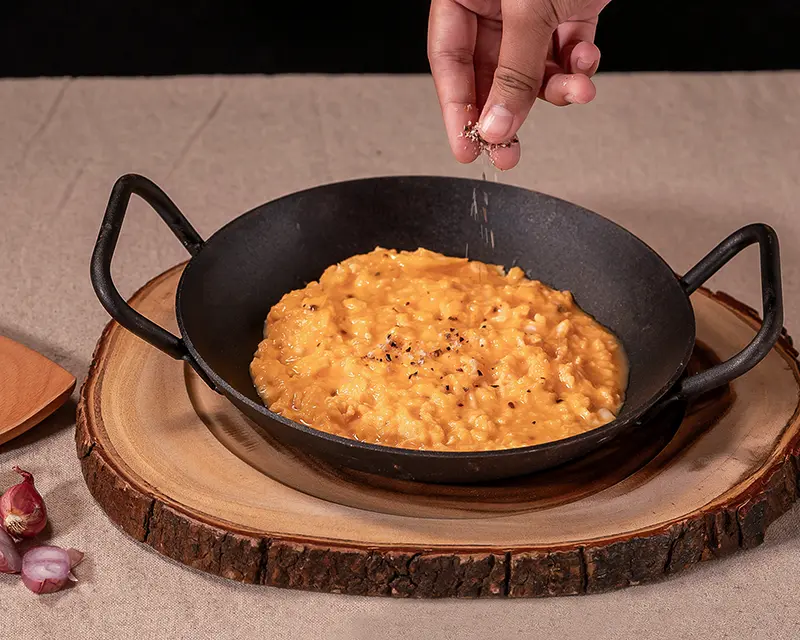
The basics are simple, but the final pinch can do different jobs. These guides go deeper into the foods where salt timing changes the result most: potatoes, seafood, meat and eggs. Start with the food in front of you, then use finishing salt only where the final bite needs lift.
How to Use Finishing Salt
Finishing salt works best when it is added late and with control. Start lighter than you think, sprinkle from above so the crystals spread evenly, then taste before adding more. Match the salt to the food: clean mineral salt for clarity, coarse crystals for texture, and gourmet salts when the dish can use brightness, umami, aroma or depth.
Why Finishing Salt Works
Finishing salt works because the final pinch changes more than saltiness. Added at the end, salt can sharpen what you taste, lift aroma, move moisture, change texture, affect browning, and shape how the bite finishes.
For a broader scientific overview of how sodium affects taste and flavour in food, see the National Academies chapter on the taste and flavour roles of sodium.
But not every salt difference matters in every situation. When salt disappears into pasta water, soup, dough or a long-cooked sauce, many differences shrink. When it remains close to the surface, crystal size, mineral character and ingredient depth become easier to taste.
Want to Understand Flavour More Clearly?
Join the Maison Kojira Letter for practical notes on salt, ingredients and the small decisions that make everyday food taste better.
For the full flavour architecture: why salt changes taste, aroma, moisture, texture, browning and mouthfeel.
→ Why Salt Makes Food Taste Better
→ How Salt Affects Aroma
→ How Salt Affects Browning
→ How Salt Moves Through Food
→ How Salt Affects Texture
→ How Salt Affects Mouthfeel
For the honest answer on when better salt matters, when salt differences disappear, and why some differences are tasted directly while others reach you through aroma.
How to Choose a Finishing Salt
Finishing salt starts where the recipe is almost done. The eggs are rich, but need definition. The tomato is ripe, but tastes slightly flat. The steak has rested, but the sliced meat needs one final lift. The yoghurt is creamy, but wants brightness. The roasted vegetables are sweet and browned, but need a sharper edge.
That is where finishing salt earns its place. Sometimes the right salt makes the food taste cleaner. Sometimes it gives a small crunch. Sometimes it brings lemon, mushroom, black garlic, saffron, smoke, herbs or another flavour into the last bite.
So the better question is not which finishing salt is best. It is what the dish still needs just before you serve it.
Clean Final Seasoning
Use this when the food itself should taste clearer, brighter and more complete.
This is where a good mineral salt belongs: on tomatoes, eggs, olive oil, bread, roast vegetables, grilled meat, potatoes, mushrooms and anything that needs a final pinch without changing direction.
It should make the food taste more awake, not more complicated.
Light Crunch
Use this when texture is part of the pleasure.
Flaky salt gives a brief crisp hit before it dissolves. It works well on soft eggs, ripe tomatoes, buttered bread, salads, chocolate, roast vegetables and anything where the salt should be felt for a moment on the tongue.
This is not deep seasoning. It is the little spark on the surface.
Added Aroma or Ingredient Depth
Use this when the dish can take more than salinity.
This is where gourmet salts belong: mushroom on steak or eggs, preserved lemon on yoghurt or fish, black garlic on roasted vegetables, saffron on rice, or herbs, chilli and smoke where they genuinely fit the food.
A good gourmet salt should still taste like salt first. Then it should open into something deeper, brighter, warmer or more aromatic.
Regional or Traditional Character
Some salts matter because of where they come from, how they are made, or the cuisine they belong to.
Fleur de sel, sel gris, kala namak, bamboo salt, volcanic salt and other traditional salts can bring texture, aroma, mineral character or cultural specificity.
Use them deliberately. Origin alone does not make a salt better for every food.
When You Do Not Need Finishing Salt
Finishing salt belongs at the end. It is usually the wrong salt when seasoning needs to disappear into the food.
Use fine salt, kosher salt or another cooking salt when salting pasta water, dough, soup, sauce, brine, boiled vegetables, meat before cooking, or anything that needs seasoning inside rather than on the surface.
A finishing salt should finish the dish. It should not do the work of the whole recipe.
Maison Kojira Gourmet Salts
In the chooser above, Maison Kojira sits in two places.
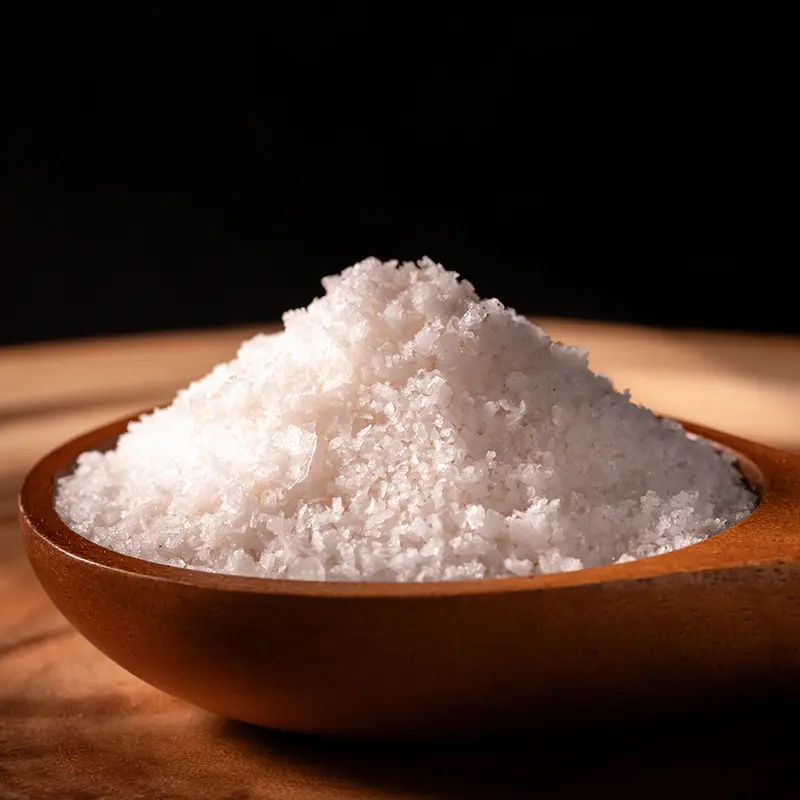
Our Kojira Artisan Mineral Salt belongs under clean final seasoning: the final pinch for eggs, tomatoes, olive oil, bread, roasted vegetables, grilled meat, potatoes and anything that should taste clearer without taking on another flavour.
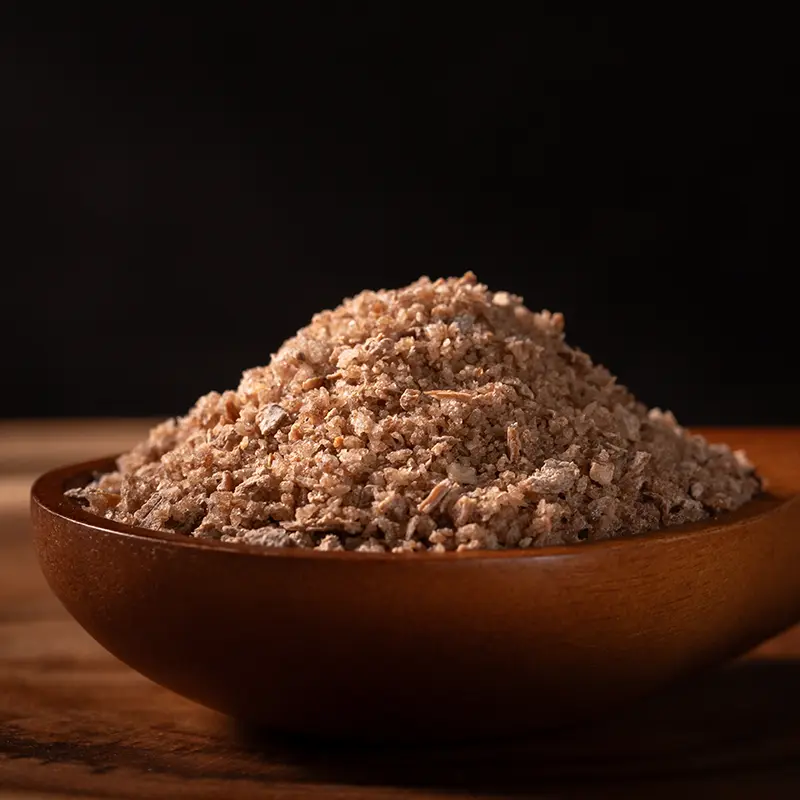
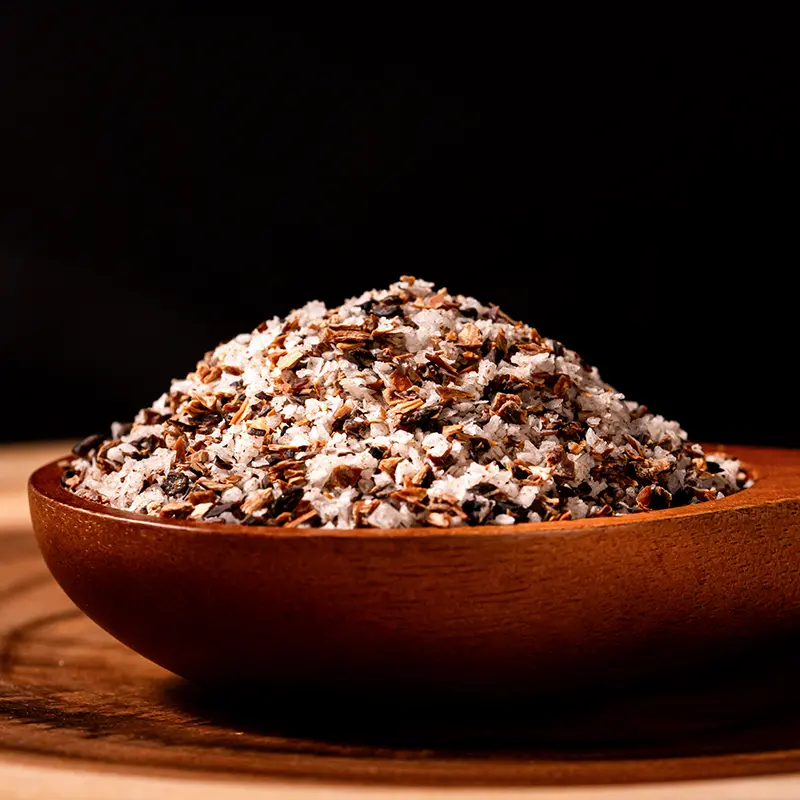
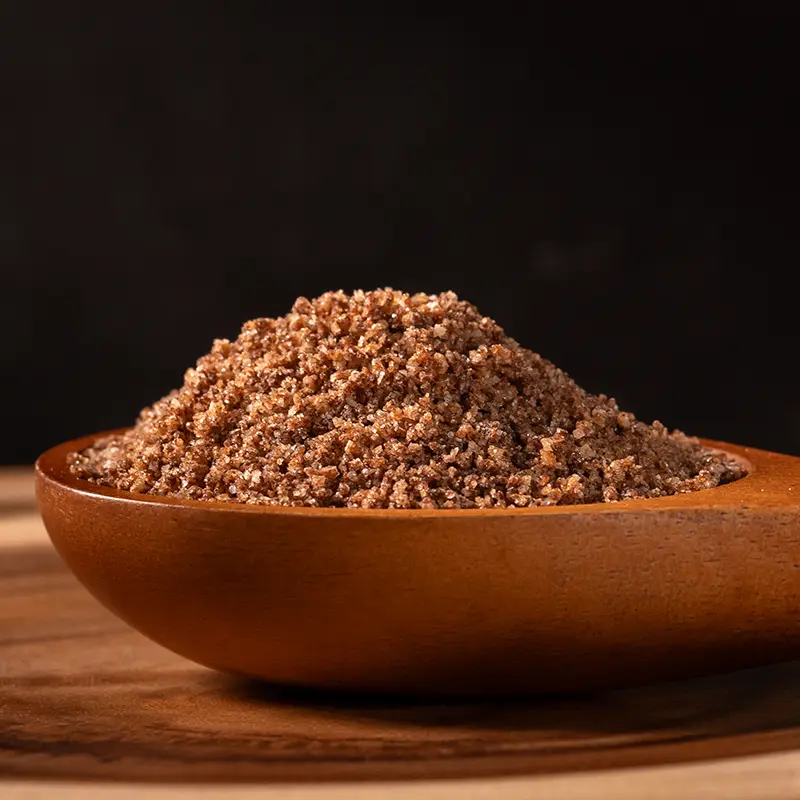
Our gourmet salts belong under added aroma or ingredient depth. Kojira Fermented Mushroom Salt is for umami. Kojira Preserved Lemon Salt is for brightness. Kojira Black Garlic Salt is for dark savoury sweetness.
All of these salts can finish a dish, but the gourmet salts can also work earlier when their flavour belongs in the cooking. Use them in butter, yoghurt, rice, roasted vegetables, pan juices, fish, meat, dressings or warm sauces, then add a smaller final pinch if the surface still needs lift. For plain pasta water, dough, brines or deep salting where only salinity matters, use a cooking salt instead.
The Umami Side of Gourmet Salt
Some gourmet salts do more than finish the surface. They add savoury depth, length and structure to food that tastes good at first but fades too quickly.
This is where mushroom and black garlic salts matter. Regular salt makes flavour clearer. Umami salt makes flavour deeper, rounder and more lasting, especially on eggs, meat, roasted vegetables, mushrooms, potatoes, broth, buttered toast and warm dishes that need more than a clean final edge.
→ What is Umami Salt: Why Food Tastes Flat Without It (and How to Use It Properly)
→ MSG vs Umami
Where to Use Finishing Salt
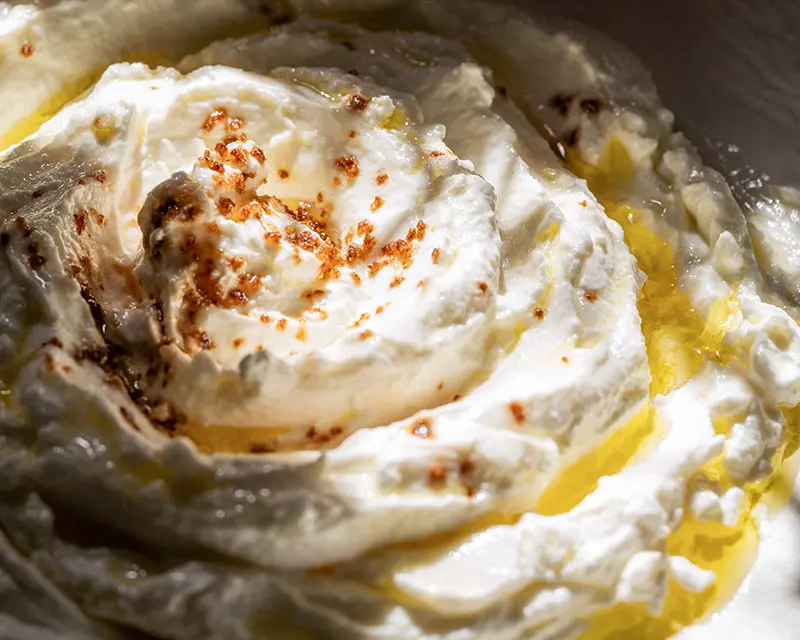
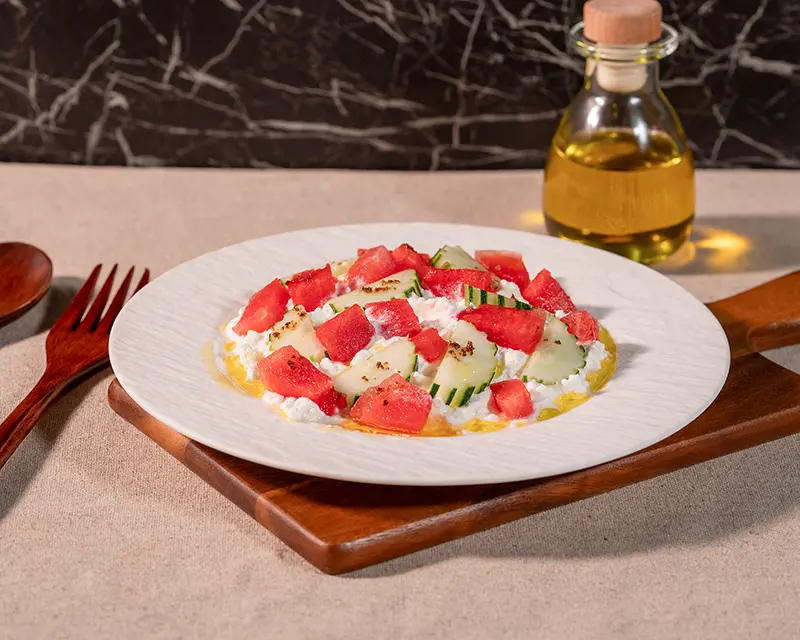
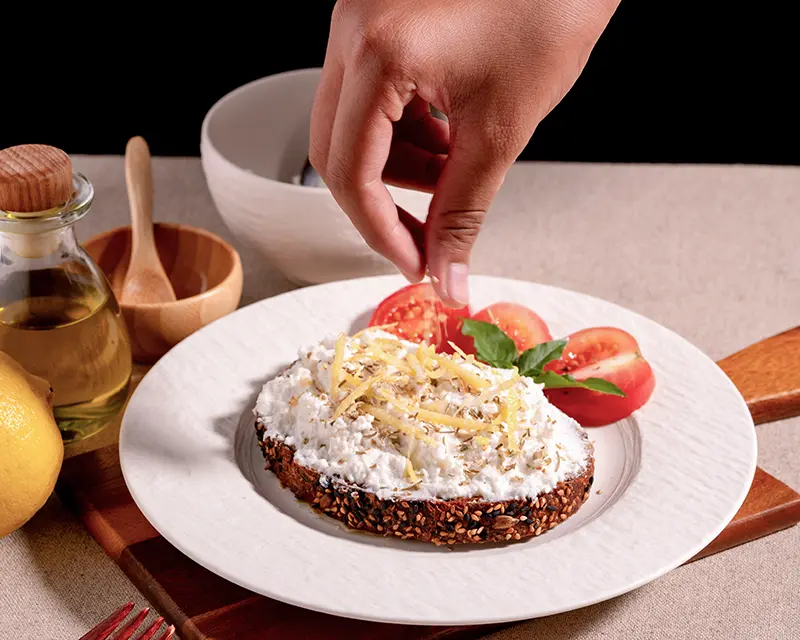
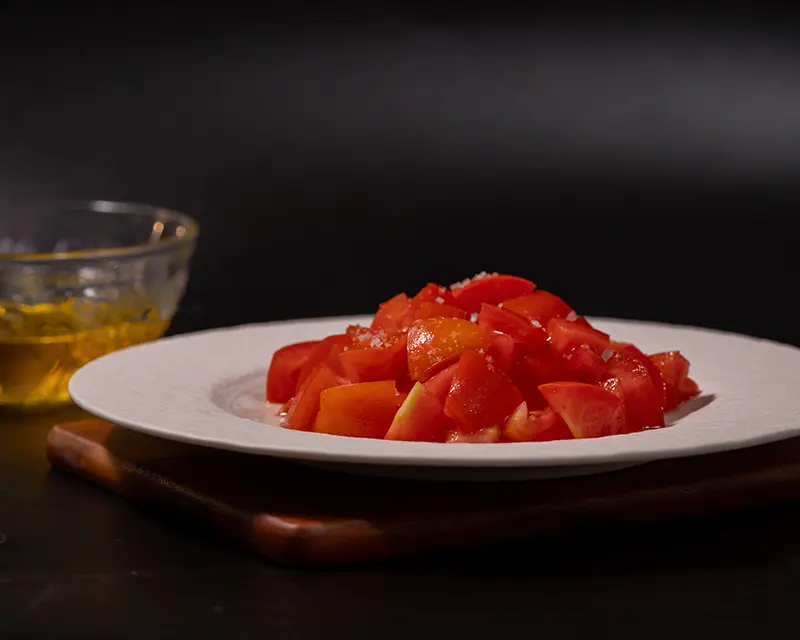
You do not use finishing salt the same way on every food. On eggs, you want the yolk to taste richer and cleaner. On tomatoes, you want ripe sweetness to come forward. On yoghurt or soft cheese, you usually want brightness and contrast. On potatoes, you may want crisp edges to feel sharper. On steak or seafood, the final pinch often matters after cooking, when juices have settled and the surface needs one last lift.
That is why this guide is organised by food, not by salt theory. Choose what you are serving, then go deeper into the timing, amount and kind of salt that works best there.
Dairy
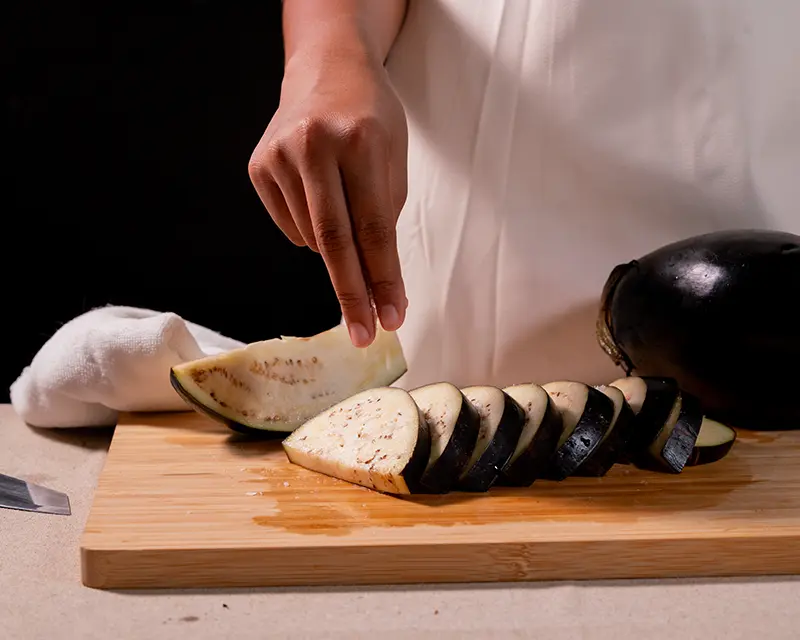
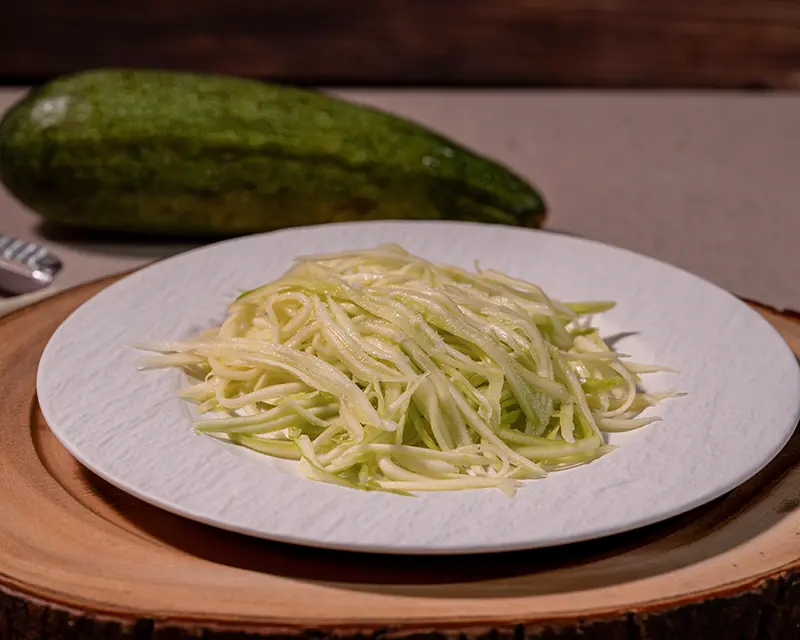
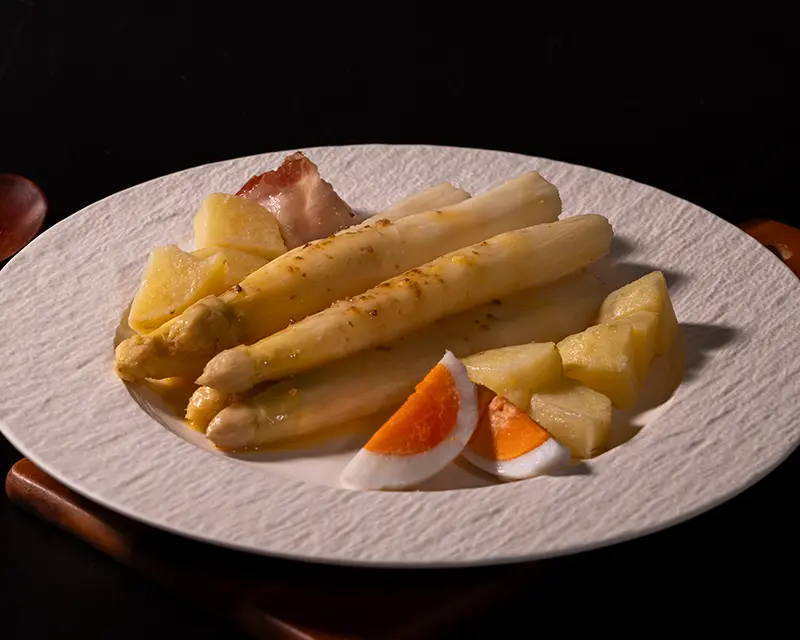
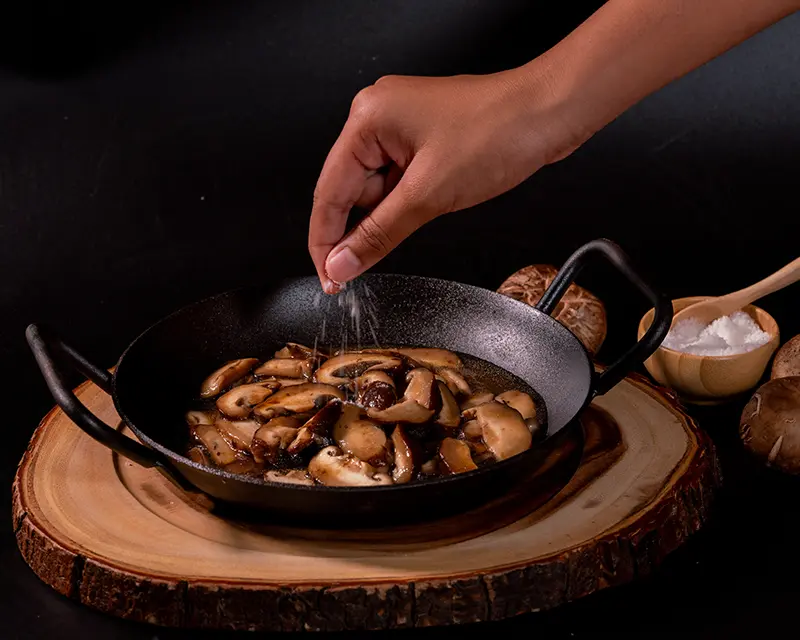
Vegetables and Fresh Produce
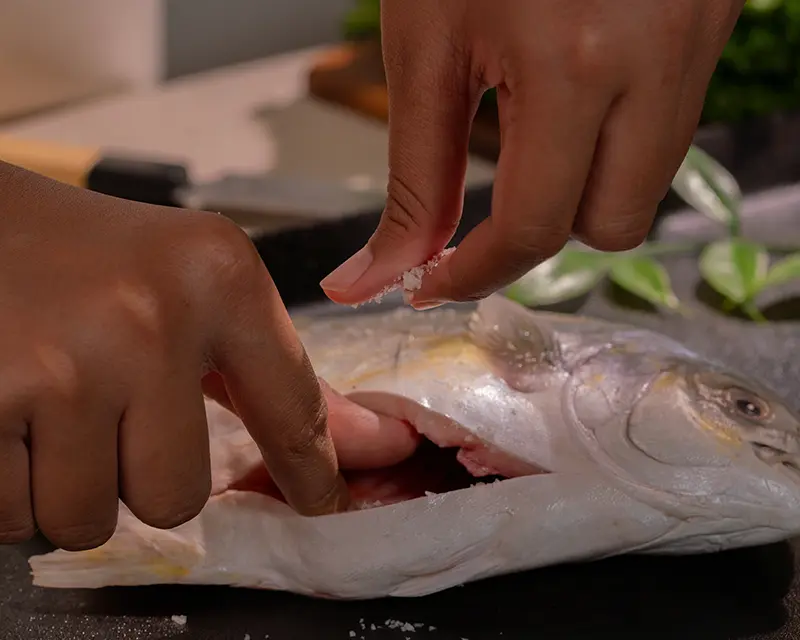
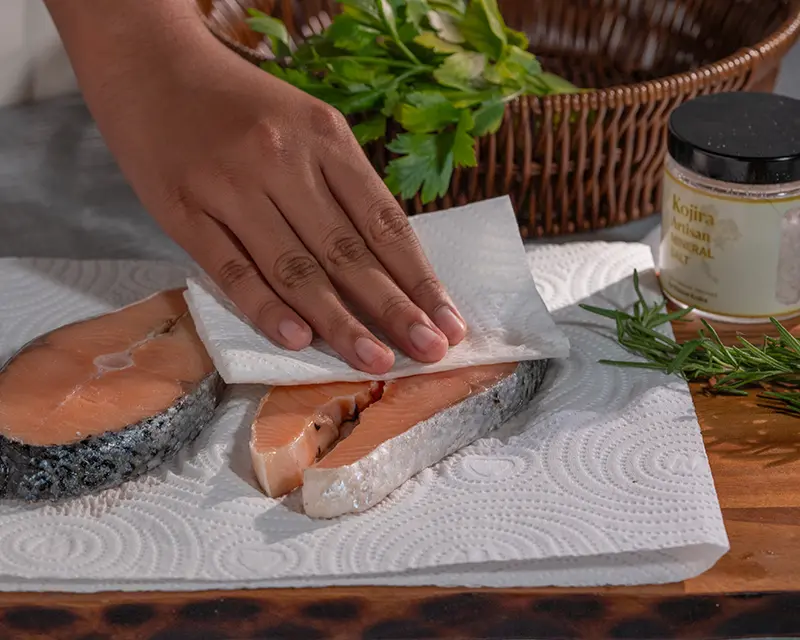
Seafood
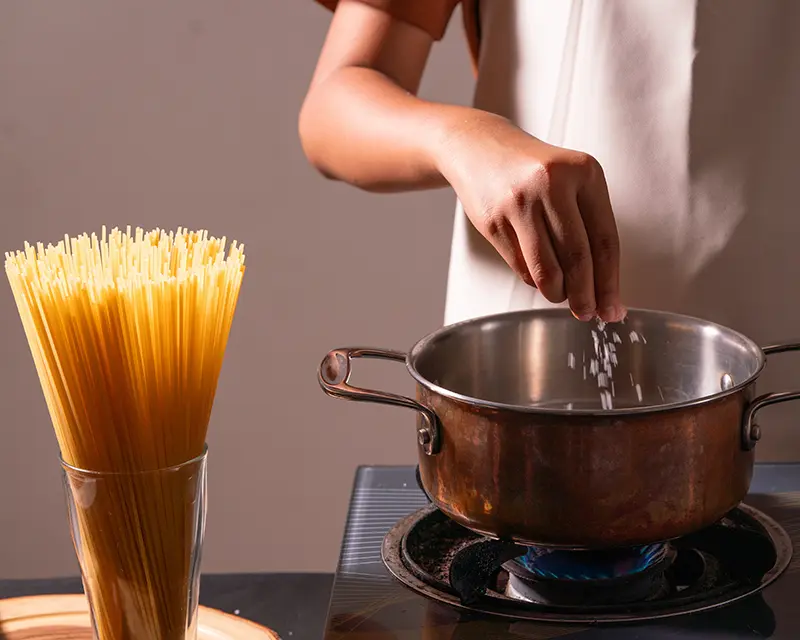
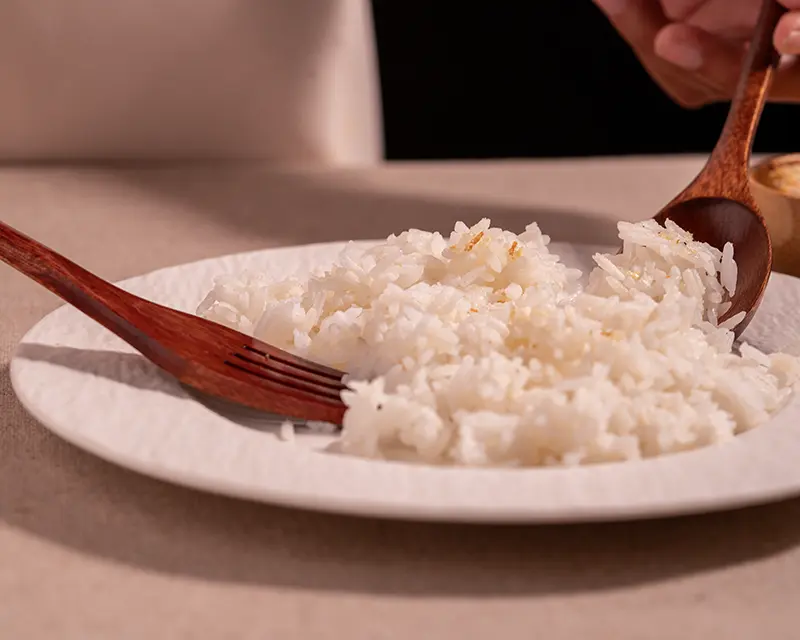
Starches
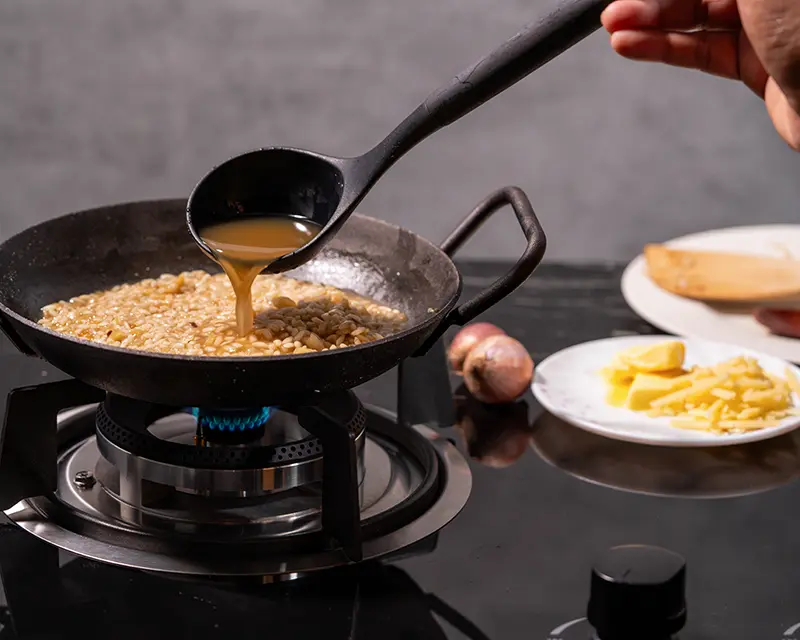
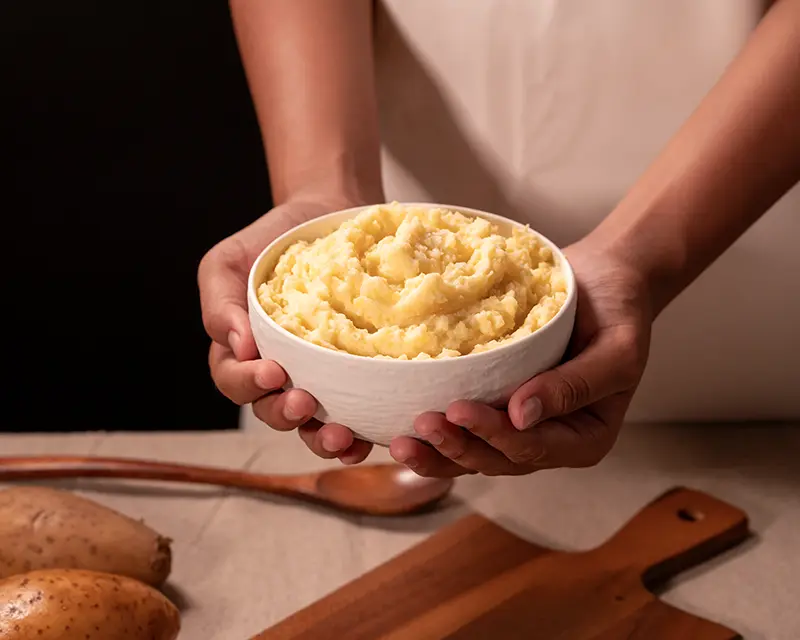
Potatoes
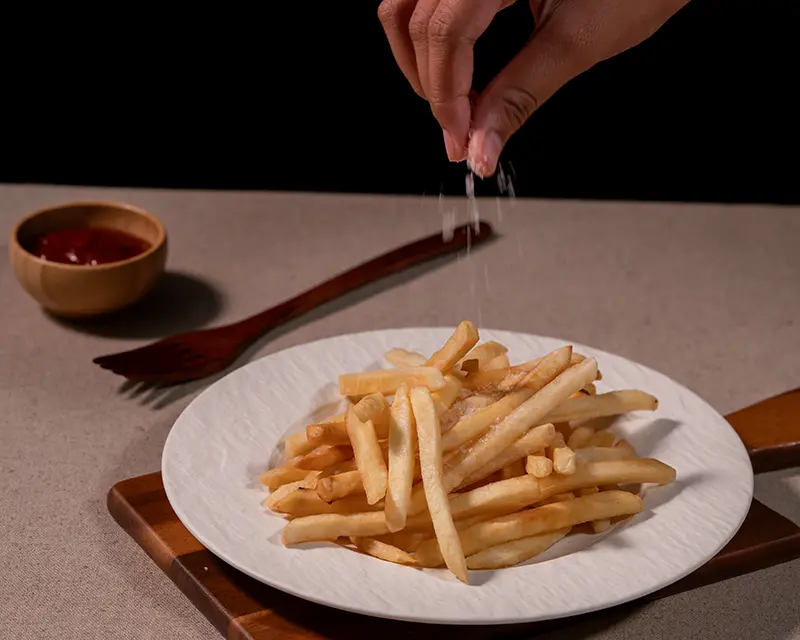
When to Salt Fries for Perfect Crispness
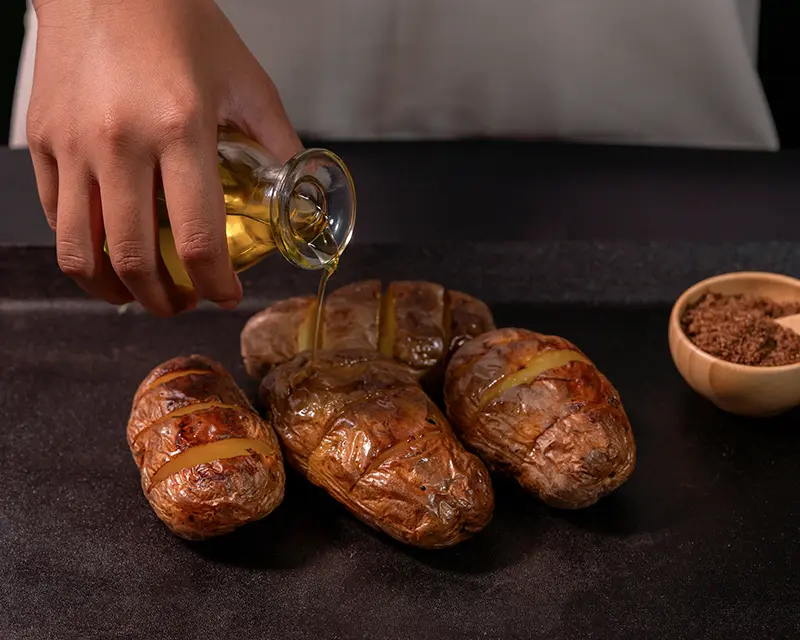
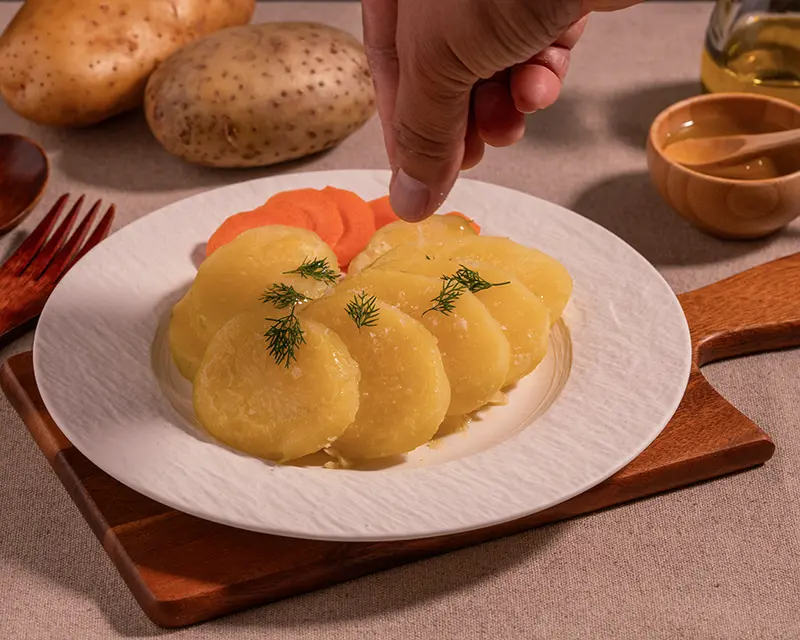
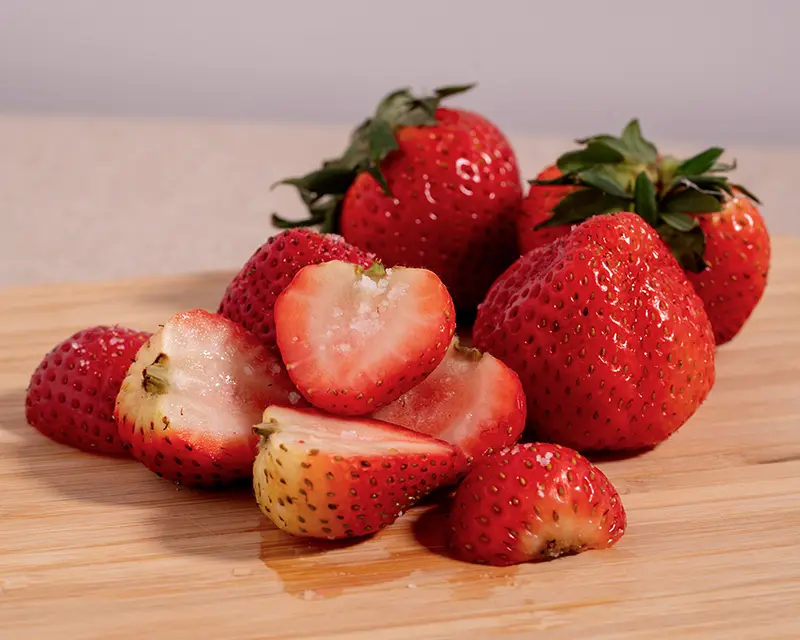
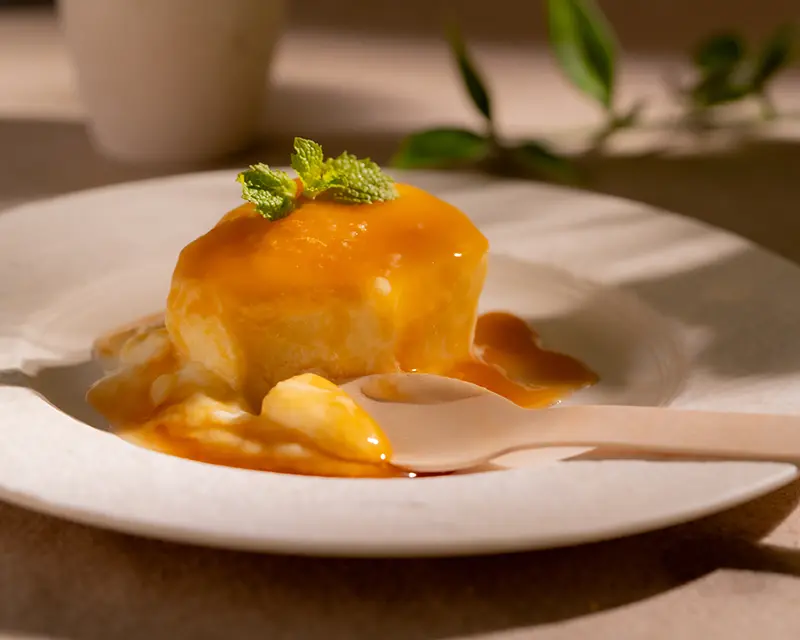
Fruits & Desserts
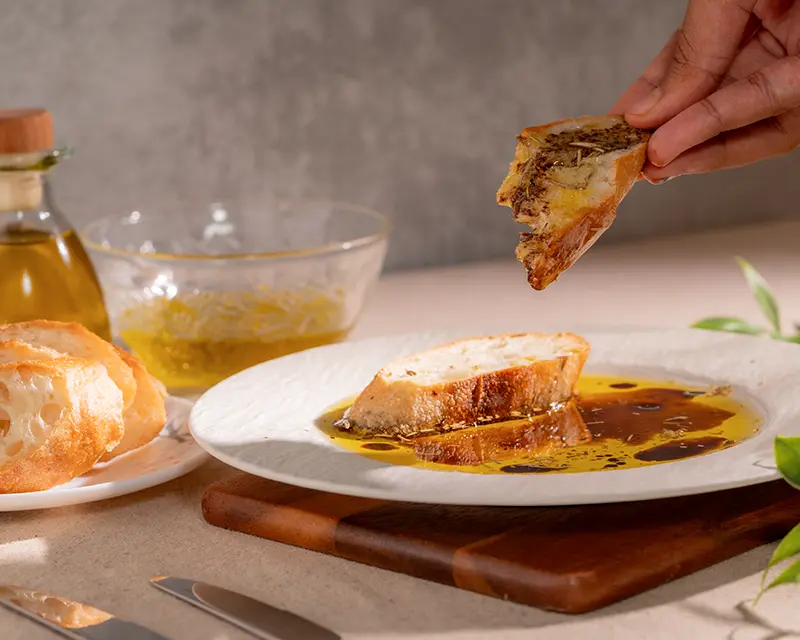
Dips and Spreads
What Makes a Good Finishing Salt?
A good finishing salt should make the last bite easier to finish well. You should be able to pinch it, see where it lands, taste it clearly, and understand why it belongs on the food.
Some salts are useful because they give clean salinity. Some are useful because they add texture. Some are useful because they carry mushroom, lemon, black garlic, saffron, smoke or herbs into the final bite. The test is simple: does the salt improve the food at the moment you serve it?
Can You Control It?
You should be able to feel a finishing salt between your fingers. If it is too fine, it disappears quickly and can make the surface taste salty before you realise how much you used. If the crystals are too large, they can feel clumsy on delicate food.
A good finishing salt gives you control. You can lift a small pinch, sprinkle it from above, and see where it lands. That matters on eggs, tomatoes, yoghurt, burrata, steak, roast potatoes and anything where the final seasoning sits close to the surface.
Does It Taste Clean?
A finishing salt is tasted more directly than salt stirred into soup, dough or pasta water. That means the salinity has to be clean.
It should make the food taste clearer, brighter and more complete. It should not taste dusty, bitter, metallic or harsh. On a tomato, it should pull the ripeness forward. On eggs, it should make the yolk taste richer. On grilled meat, it should sharpen the juices without making the surface taste aggressive.
Does It Fit the Surface?
The surface decides how finishing salt behaves.
- On warm, moist food, salt starts to melt quickly. A pinch on eggs, fish, steak juices or roasted vegetables will partly dissolve and spread into the surface.
- On dry or crisp food, the crystals stay intact for longer. Fries, roast potatoes, bread crusts and crisp vegetables can carry more texture because the salt remains visible and tactile.
- On cold, creamy food, salt is easy to notice. Yoghurt, ricotta, burrata and labneh need a lighter hand because the salt sits clearly against fat, acid and creaminess.
So the amount is never fixed. Use less on delicate, cold or creamy food. Use slightly more on dense, fatty or starchy food. Taste before adding more.
Does It Add Something That Belongs?
If a finishing salt carries another ingredient, that ingredient has to belong in the final bite.
Mushroom makes sense where the food wants umami. Preserved lemon makes sense where the dish needs brightness. Black garlic belongs where dark savoury sweetness helps. Saffron belongs where aroma should rise from the food. Smoke, herbs and chilli work only when the dish can carry them.
This is where gourmet salts either earn their place or become seasoning powder. The salt should still taste like salt first. Then the added ingredient should open into the food naturally, as if it was always meant to be there.
Frequently Asked Questions About Finishing Salt
What is finishing salt?
Finishing salt is salt added at the end of cooking or just before serving. It stays closer to the surface of the food, so you taste it more directly than salt dissolved into pasta water, soup, dough or sauce.
Use it when the food is already cooked, rested, dressed or ready for the table, but still needs a final lift.
What is finishing salt used for?
Finishing salt is used to make the final bite taste more complete. It can add clean salinity, a small crunch, contrast, brightness, aroma or ingredient depth.
It works especially well on foods where the surface matters: eggs, tomatoes, yoghurt, soft cheese, grilled meat, seafood, mushrooms, potatoes, fruit, desserts, bread and olive oil.
How much finishing salt should I use?
Use less than you think, then taste.
For a single plate, start with a small pinch sprinkled from above. Use less on delicate, cold or creamy foods like fish, yoghurt, ricotta, burrata and fruit. Use slightly more on dense, fatty or starchy foods like steak, potatoes, eggs, rice, beans or roasted vegetables.
The goal is not to make the food taste salty. The goal is to make the bite feel clearer, brighter or more complete.
Can you cook with finishing salt?
Yes, but it depends on the salt. A plain finishing salt is usually best saved for the end. If it dissolves fully into pasta water, soup, dough or brine, you lose the texture and surface effect that make it useful.
Gourmet salts are different. When the salt carries real ingredients, it can work before the final pinch as well. Mushroom salt can season meat, eggs, butter, beans or roasted vegetables. Preserved lemon salt can go into yoghurt, fish, chicken, dressings or grains. Black garlic salt can deepen roasted vegetables, potatoes or pan juices. Saffron salt can season rice, butter or warm sauces.
The rule is simple: use cooking salt when you only need salinity deep inside the food. Use gourmet salt when its added flavour belongs in the dish. Then finish with a smaller pinch at the end if the surface still needs lift.
Is expensive finishing salt worth it?
Sometimes.
If salt disappears fully into water, dough, soup or sauce, many differences become less noticeable. If it stays close to the surface of eggs, tomatoes, yoghurt, bread, butter, steak, seafood, fruit or roasted vegetables, texture, mineral character and ingredient depth are easier to taste.
Better finishing salt is worth it when it can still be noticed in the final bite.
Join the Maison Kojira Letter
Eat sharper. Host better. Be more present. Get practical notes on flavour, ingredients and the small details that make food worth sharing.