When to Salt Potatoes So They Taste Fully Seasoned
A fry, a roast potato, a spoonful of mash, and a warm boiled potato all ask for salt in different ways. Sometimes salt belongs in the water. Sometimes it belongs the second the potatoes leave hot oil. Sometimes it should wait until butter, olive oil, cream, gravy, or herbs have changed the dish.
That is why potatoes are one of the clearest tests of seasoning. Salt can season the centre, grip a crisp surface, sharpen a hot edge, lift a warm finish, or make richness taste complete. That is why when to salt potatoes matters as much as how much salt you use.
This guide helps you understand when to salt potatoes by form: fries, roast potatoes, mashed potatoes, and boiled potatoes, then points you to the full method for each one.
👨🏽🍳 Potato Rule: when to salt potatoes depends on their form. Crisp potatoes need surface timing. Soft potatoes need internal seasoning. Rich potatoes need a final adjustment after the fat is in place.
Use the sections below to choose when to salt potatoes for the dish you are actually making.
When to Salt Fries
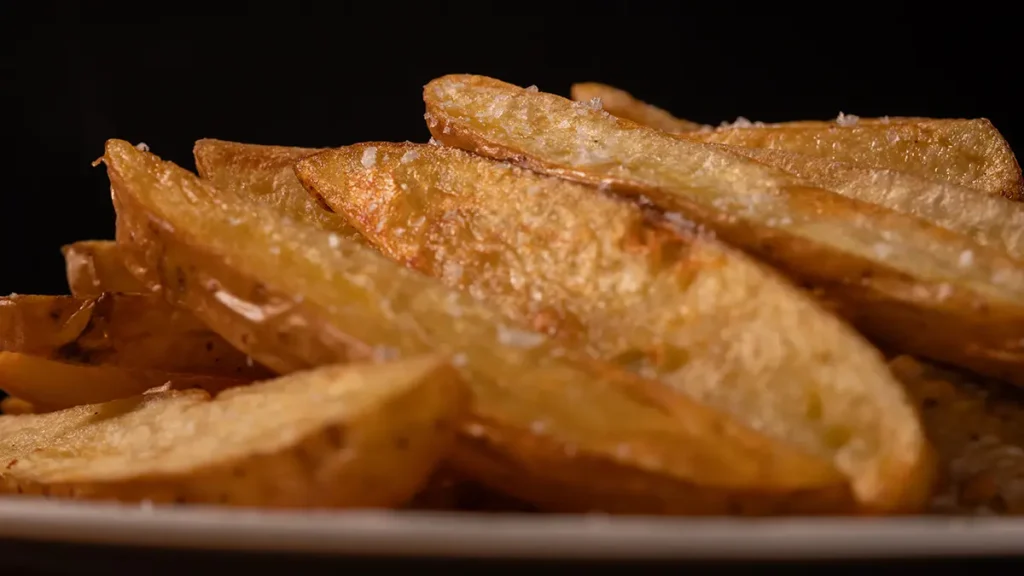
Fries are about speed. They give you only a few seconds when the surface is hot, lightly oily, and ready to hold salt.
Salt them immediately after frying, baking, or air-frying. That is when the crystals grip, soften slightly, and stay where you taste them: on the crisp outer layer. Wait too long and the fries cool before the salt can become part of the bite.
Best when you want: crisp fries with salt that sticks, not a plate of potatoes with seasoning scattered underneath.
👨🏼🍳 Read the full guide: When to Salt Fries
When to Salt Roast Potatoes
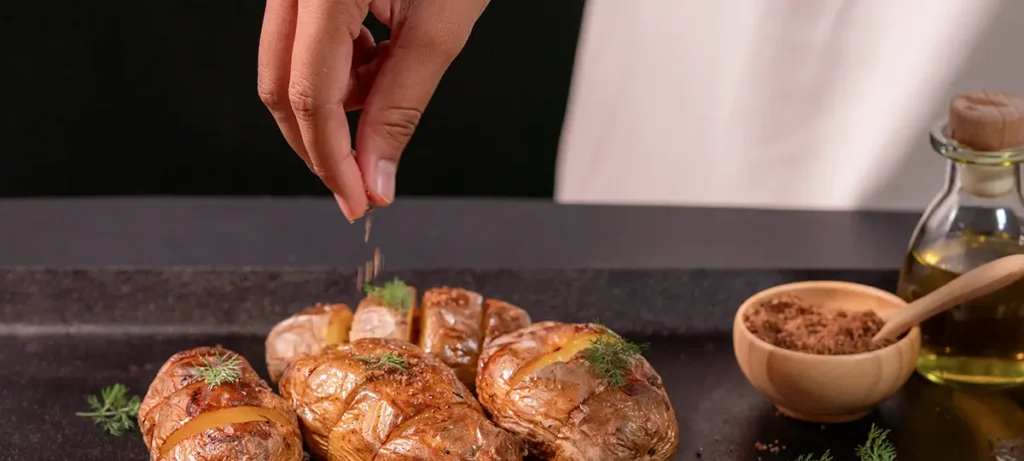
Roast potatoes are table food: roast chicken, lamb, beef, BBQ, gravy, herbs, long meals, and people going back for one more piece.
They need salt in two places. Salt the cooking water so the centre tastes seasoned, then finish hot after roasting so the crisp edge gets its final lift. If you only salt at the end, the edge may taste seasoned while the middle stays unfinished.
Best when you want: crisp edges, fluffy centres, browned fat, herbs, gravy, and potatoes people take one more of.
👩🏼🍳 Read the full guide: When to Salt Roast Potatoes
How to Season Mashed Potatoes
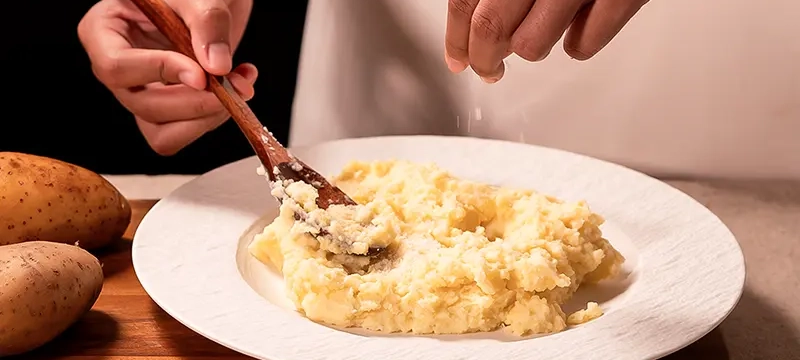
Mashed potatoes are about richness. Butter, cream, olive oil, cheese, gravy, or pan juices can make mash feel generous, but the seasoning still has to start before the potatoes are mashed.
Salt the cooking water first, so the potato tastes seasoned inside. Then mash, add the fat that gives the dish its character, and taste again. The final pinch belongs after the butter, cream, olive oil, cheese, or pan juices have changed the texture and flavour.
Best when you want: smooth mash that tastes rich all the way through, with the final salt added after the fat has done its work.
👩🏼🍳 Read the full guide: How to Season Mashed Potatoes
How to Season Boiled Potatoes
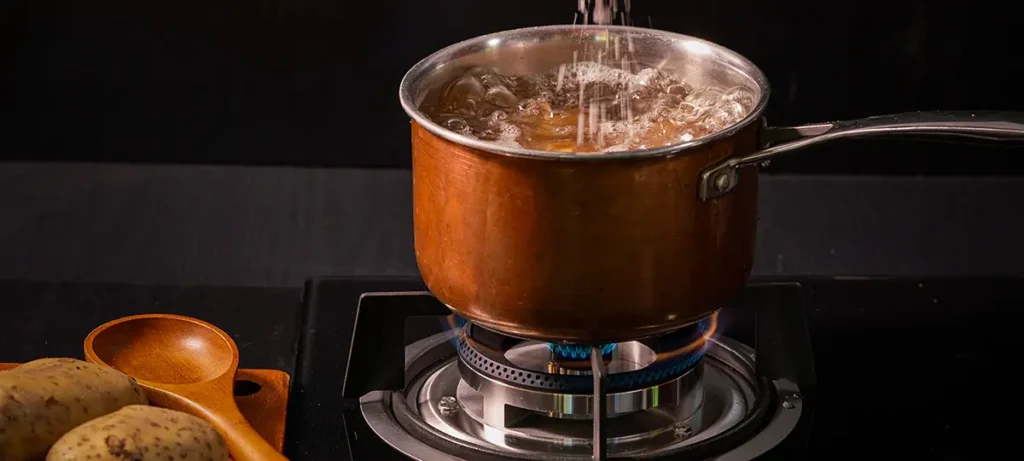
Boiled potatoes are one of the cleanest ways to make good potatoes taste like themselves: warm, tender, lightly sweet, and ready for butter, olive oil, herbs, gravy, fish, eggs, mushrooms, yoghurt sauce, or a final pinch of mineral salt.
Salt the cooking water so the potato has a seasoned base while it cooks. Then finish while the potatoes are still warm, when steam is rising and the surface can take on butter, olive oil, herbs, sauce, or finishing salt.
Best when you want: tender potatoes that taste seasoned inside, then carry butter, olive oil, herbs, gravy, yoghurt sauce, or mineral salt while still warm.
👨🏼🍳 Read the full guide: How to Season Boiled Potatoes
Potatoes Across the Table
Potatoes are foundational table food across Europe, the Americas, and beyond because they carry so many kinds of flavour without losing their own character.
They sit beside Dutch and Belgian vegetables, meat, gravy, and pan juices. They belong with Scandinavian fish, dill, mustard, and butter. They become German and Austrian potato salads, British new potatoes with herbs, Irish comfort food, French pommes vapeur, Eastern European potatoes with sour cream, onions, dill, and mushrooms, American potato salads and seafood boils, and Andean potato dishes with sauces, herbs, cheese, chilli, stews, or meat.
The form changes. The salt logic changes with it. That is why when to salt potatoes matters: fries, roast potatoes, mash, and boiled potatoes each deserve a different salting moment.
Go Deeper on Potato Salt Timing
Potatoes make salt timing easy to understand because each form asks for something different: surface grip, centre seasoning, crisp edges, soft texture or a final warm finish. These guides explain the mechanics behind those decisions.
Frequently Asked Questions About When to Salt Potatoes
Should you salt potatoes before or after cooking?
When to salt potatoes depends on the dish. Boiled potatoes, mashed potatoes, and roast potatoes usually need salt in the cooking water first, so the centre tastes seasoned. Fries need salt immediately after cooking, while the surface is still hot and lightly oily.
When should you use finishing salt on potatoes?
Use finishing salt at the end, while the potatoes are still hot or warm. It works best on fries, roast potatoes, warm boiled potatoes, and finished mash because the surface can still hold the crystals, soften them slightly, and carry flavour.
Why do potatoes need salt in the cooking water?
Salted water seasons the potato while it cooks. This matters most for boiled potatoes, mashed potatoes, and potatoes that will later be roasted. If the centre starts bland, finishing salt can improve the surface, but it cannot fully season the inside.
Do different potato dishes need different salting times?
Yes. Fries need surface salt immediately after cooking. Roast potatoes need salted water for the centre and final salt after roasting. Mashed potatoes need salted water, then a final adjustment after fat is added. Boiled potatoes need salted water, then a warm finish.
Join the Maison Kojira Letter
Eat sharper. Host better. Be more present. Get practical notes on flavour, ingredients and the small details that make food worth sharing.