Does Salt Smell?
Salt itself does not smell. A clean salt crystal has no aroma because it does not send anything meaningful into the air. You can hold plain salt under your nose and smell almost nothing.
But salted food can smell stronger, and that is the part cooks notice. A sliced tomato smells brighter after salting. A boiled egg smells fuller with a pinch of salt on the yolk. Hot rice, grilled meat, mushrooms, soup, and roasted vegetables often seem more expressive after seasoning.

The smell is not coming from the salt. It is coming from the food. Salt changes the surface of the ingredient. As soon as it touches moisture, it begins to dissolve and creates a thin salty layer on the food. That layer pulls juices and flavour compounds towards the surface. Some stay on the tongue. Some lift into the air, especially when the food is warm.
That is why food can smell more vivid after salting. Salt does not create aroma. It helps expose what is already there.
Why Food Can Smell Stronger After Salting
Think about a tomato.
Before salting, the cut surface smells fresh, but often quiet. Add salt and wait a minute. The surface becomes glossy. Juice begins to collect. The tomato smells sharper, greener, sweeter and more alive.
The salt has pulled moisture to the surface. With that moisture come flavour compounds. Some stay on the tongue. Some lift into the air. Your nose catches them before you even take a bite.
The same thing happens with warm food, but faster. On eggs, steak, fish, potatoes or roasted vegetables, heat helps aroma compounds rise. Salt brings more flavour to the surface, and warmth helps carry it upwards.
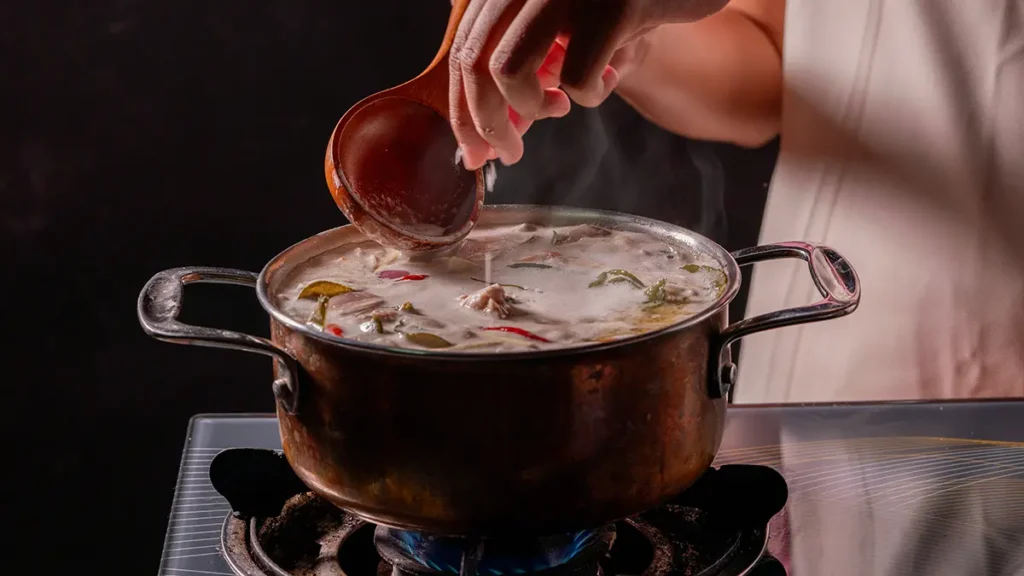
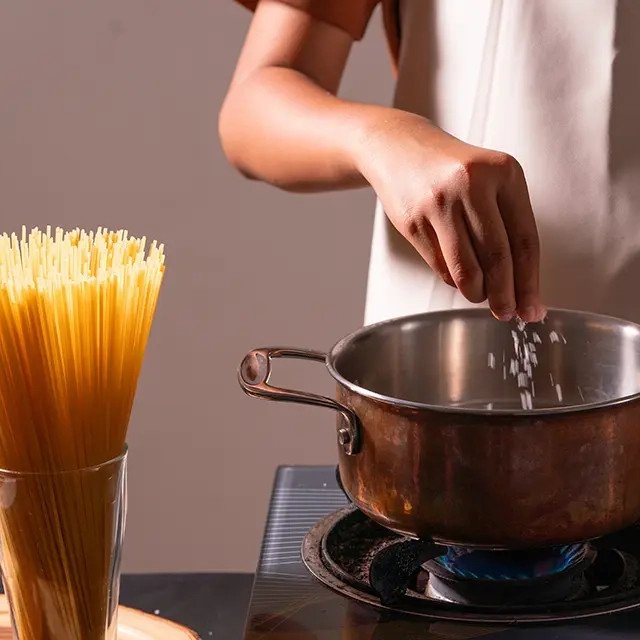
This is why timing matters. Salt added too early can disappear into the food. Salt added at the end can sit on the surface, where its effect is sharper and more immediate. We explain it more deeply in How Salt Affects Aroma.
When Salt Seems to Have a Smell
Salt seems to smell when something aromatic is attached to it.
Sea air smells salty, but that smell comes from sea spray and marine compounds, not dry salt crystals. A smoked salt smells because of smoke. A garlic salt smells because of garlic. A citrus salt smells because of oils from the peel.
The same is true for flavoured finishing salts.
Black garlic salt carries the deep, sweet aroma of aged garlic. Mushroom salt carries savoury notes from the mushrooms. Preserved lemon salt carries citrus oil, peel and brine. Saffron salt carries the warm floral aroma of saffron.
The salt is the structure. The aroma comes from what the salt carries.
What This Means in Cooking
Use salt differently depending on what you want from the food. For deep seasoning, add salt earlier so it can move into the ingredient. For aroma, brightness, and contrast, add some salt at the end, especially on warm or moist foods. This keeps more of the effect at the surface, where your nose and tongue notice it first.
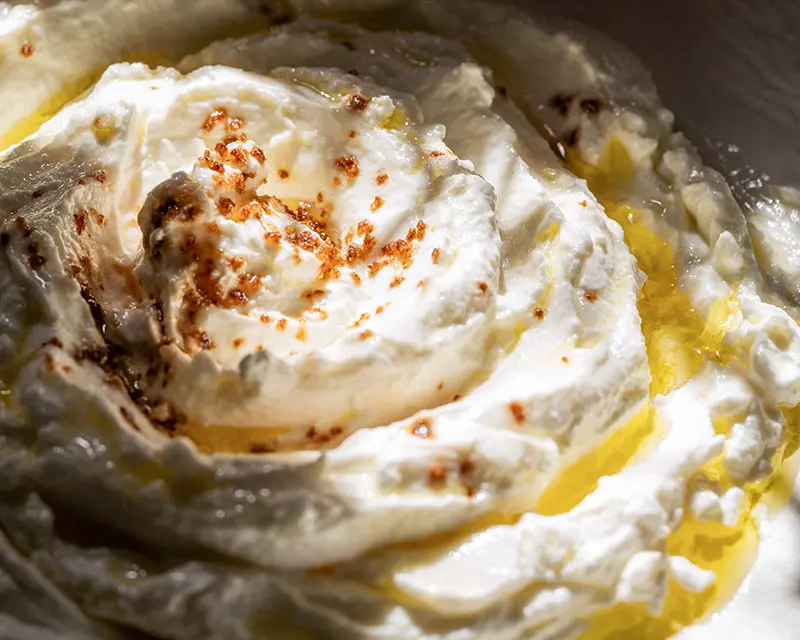
That is why finishing salt works best on foods with a clear surface: sliced tomatoes, soft eggs, grilled fish, roast vegetables, steak, rice, avocado, fruit, and chocolate desserts. The salt stays close to the surface, catches moisture, and makes the food feel more vivid at the moment you eat it.
Salt has no smell by itself. But used well, it makes food speak louder.
Smell, Aroma and Flavour
Smell is only one part of flavour. Salt also changes taste, texture, moisture, and aroma release, which is why a small amount can make food feel brighter, fuller, or more vivid without having a smell of its own.
Food science treats sodium as more than simple saltiness: it affects how flavour is perceived and how food becomes more palatable. In cooking, that means salt can change not just how food tastes, but how quickly aroma reaches the mouth and nose.
That larger role is what we explore in How Salt Affects Flavour: how salt changes taste, aroma, texture, moisture, browning, and mouthfeel.
Frequently Asked Questions About Salt and Smell
What does salt smell like?
Salt itself has no smell. Any scent associated with salt comes from surrounding compounds, such as sea air, moisture, smoke, storage conditions, or the food it touches.
Does sea salt have a smell?
Sea salt can carry a faint scent when it contains moisture or trace compounds from its environment. The smell does not come from the salt itself.
Can you smell salt in food?
You don’t smell the salt directly. Salt makes aromas in food more noticeable by helping release compounds that were already present.
Why does salt sometimes smell like chlorine?
That perception usually comes from trace compounds, storage conditions, processing residues, or environmental factors, not from pure salt itself.
Join the Maison Kojira Letter
Curious why salt changes food so much? The Maison Kojira Letter goes deeper into aroma, salt timing, final pinches and the small decisions that make daily food taste more complete.