MSG vs Umami: What’s the Difference?
MSG and umami are closely related, but they are not the same thing. Umami is one of the five basic tastes found naturally in foods such as mushrooms, tomatoes, seaweed and aged cheeses. MSG is a purified source of glutamate that creates the same savoury taste, but without the broader flavour compounds that naturally come with those foods.
That distinction explains why MSG creates savoury taste so effectively while still tasting different from mushrooms, miso, stock or aged cheese. MSG delivers the savoury signal; whole foods deliver the signal together with aroma, texture and countless other flavour compounds.
Quick Answer
MSG vs Umami: What’s the Difference?
MSG and umami are not the same thing.
Umami is one of the five basic tastes, found naturally in foods such as mushrooms, tomatoes, seaweed, aged cheese and fermented foods.
MSG (monosodium glutamate) is a seasoning that creates umami by delivering glutamate directly. It produces the same savoury taste, but without the broader flavour compounds that naturally accompany umami-rich foods.
Umami
A basic taste.
Found naturally in many foods.
Comes with aroma, texture and other flavour compounds.
Part of a whole food.
MSG
A seasoning.
Purified monosodium glutamate.
Delivers glutamate directly.
An isolated flavour compound.
Taste is not just about pleasure. Before food is digested, taste gives the body clues about what is arriving. Sweetness points toward energy. Saltiness points toward sodium. Sourness detects acidity. Bitterness often warns against compounds the body treats with suspicion. Umami points toward savoury depth: amino acids, proteins, stocks, aged foods, mushrooms, seaweed, meat, cheese and fermentation.
That is why good food rarely feels like flavour alone. It feels like signal and substance arriving together: the taste cue, and the food behind it.
MSG is interesting because it keeps one part of that equation and strips away much of the rest. It is not fake umami. MSG is real umami in its narrowest form: a fast savoury signal delivered through glutamate.
The question is not whether MSG works. It does. The better question is what gets lost when the savoury signal is separated from the food that usually carries it.
Is MSG Umami?
MSG is umami, but in a very stripped-down form. The taste we call umami is the deep savoury taste you recognise in ripe tomatoes, mushrooms, meat stock, seaweed, aged cheese, soy sauce, miso and fermented foods. It is brothy, mouth-filling and satisfying. It makes food feel more rounded and complete.
One of the main compounds behind that taste is glutamate, an amino acid found naturally in many umami-rich foods. When your taste receptors detect glutamate, they read it as savoury depth. MSG is monosodium glutamate: glutamate joined with sodium so it can be used as a dry seasoning. When MSG dissolves into food or on your tongue, it delivers glutamate directly. That is why MSG tastes umami.
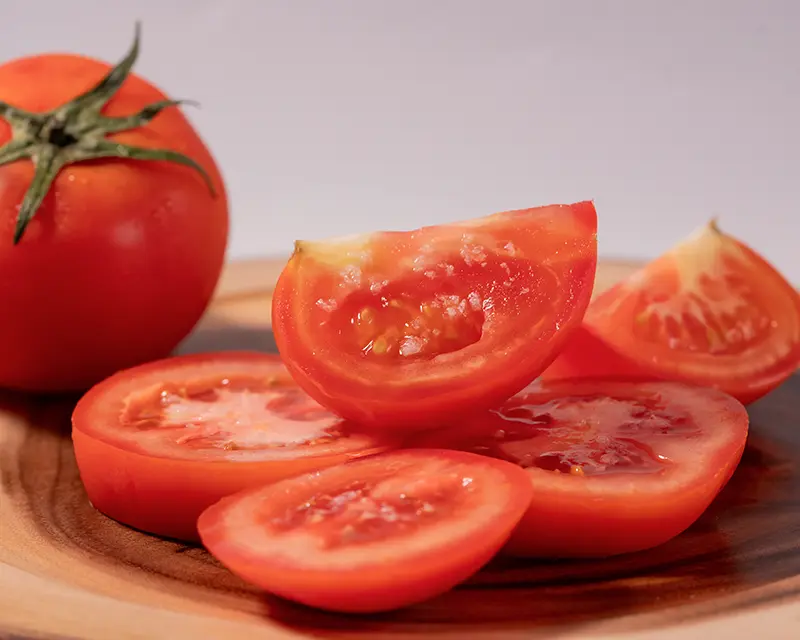
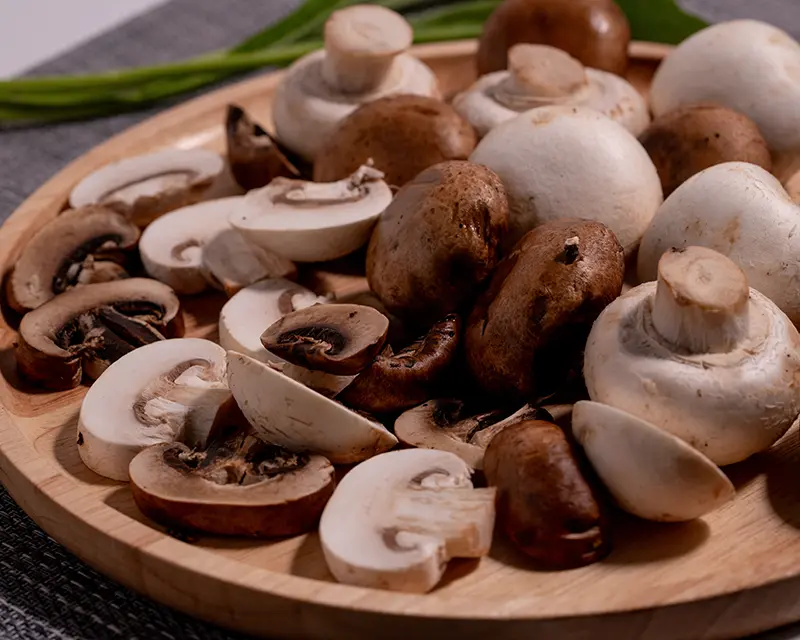
But directness is not the same as depth. In a mushroom, glutamate arrives with moisture, texture, aroma and earthiness. In stock, it arrives with minerals, fat, collagen, aromatics and time. In miso or soy sauce, it arrives with salt, fermentation, sweetness, acidity and age.
MSG gives the umami signal without that wider food experience. It can make food taste more savoury, but still feel narrow. It gives the tongue one clear message: umami. Whole-food umami gives the message with the ingredients, nutrients, aroma and structure that usually make savoury food satisfying.
What Does MSG Actually Do?
MSG stands for monosodium glutamate. It is not “pure umami,” because umami is a taste, not an ingredient. Sugar is not pure sweetness either. It is a substance that creates sweetness. MSG works in the same way: it is glutamate joined with sodium, which turns it into stable, dry crystals that can be sprinkled, dissolved and used as a seasoning.
That matters because glutamate is one of the main compounds the tongue recognises as umami. In whole foods, glutamate arrives inside ingredients such as mushrooms, tomatoes, seaweed, meat stock, aged cheese, soy sauce, miso and fermented foods. In MSG, glutamate arrives in sodium-salt form, ready to dissolve and deliver savoury taste directly.
That directness is why MSG works, and why it feels different from food-based umami.
Why People Ask This Question
MSG is not just a chemistry question. It sits somewhere between kitchen tool, public scare and personal experience.
Part of that comes from the old idea of “Chinese Restaurant Syndrome,” a phrase that spread in the United States after diners began linking symptoms such as headaches, flushing, tightness and weakness to Chinese restaurant meals. The phrase became much bigger than the evidence behind it. From there, the suspicion travelled far beyond Chinese food itself, turning MSG from a seasoning into something that felt suspicious.
That does not mean every concern is invented. Some people still report headaches, flushing, tightness, allergy-like symptoms or a strange “too much” feeling after eating food with added MSG. At the same time, regulators such as the FDA classify added MSG as generally recognised as safe, and controlled studies have not consistently reproduced reactions in people who identify as MSG-sensitive.
So there are two lazy answers. One says MSG is poison. The other says any concern about MSG is stupid. Neither is useful if you care seriously about food, flavour and what a seasoning actually does.
The better question is not only whether MSG is safe. It is what MSG actually does to food, and what kind of umami it creates.
MSG can create umami taste. It can make food taste more savoury, quickly and reliably. But it does that by giving the taste system one clear signal: glutamate. The question is what happens when that signal arrives without the food structure, ingredients and nourishment that normally carry umami.
When Signal Gets Separated From Structure
Modern food is very good at separating taste signals from the structures that once carried them. In whole foods, sweetness arrives with more than sweetness. Fruit, milk, honey, grains, roots and fermentation bring water, fibre, acids, aroma, texture, minerals and bulk. Strip those away and you get sugar: real sweetness, but sweetness detached from much of the food structure and nourishment that usually comes with it.
That is the idea behind “empty calories.” The calories are real. The sweetness is real. What is missing is the wider food substance: the fibre, water, acids, minerals, texture and nutrients that normally make sweetness part of food. That does not make sugar fake sweetness. It makes it powerful and incomplete.
Umami-rich foods work in a similar way. They taste good for a reason. Mushrooms, meat stock, miso, tomatoes, aged cheese, seaweed and fermented foods do not bring only one taste molecule. They deliver glutamate inside real ingredients, with amino acids, peptides, minerals, acids, fats, aroma compounds, texture, fermentation, ageing, heat and time. That is why umami feels satisfying: it tells the taste system that savoury food with amino acids and substance is arriving.
MSG does not isolate umami itself. Umami is the taste. What MSG isolates is one powerful route into that taste: glutamate, converted into a sodium salt so it can be used as a dry seasoning. It gives the tongue free glutamate, one of the main molecules behind umami taste. The signal is real. The savoury hit is real. But much of the food is missing. MSG gives the message without the meal. It tells the tongue “umami” without bringing the mushroom, the broth, the browned edge, the miso, the aged cheese, the seaweed, the fermentation, the fat, the minerals, the texture, the ingredient complexity or the nutrients those foods naturally contain. That is why “empty umami” is the right phrase. It does not mean fake umami. It means real umami signal, separated from the food substance and nourishment that normally come with it.
What This Means in the Mouth
The difference shows up when you eat. MSG can make food taste more savoury very quickly. It dissolves, spreads and gives the tongue a clean umami signal. That is useful when a soup, sauce, noodle dish or stir-fry tastes flat and needs a fast savoury lift.
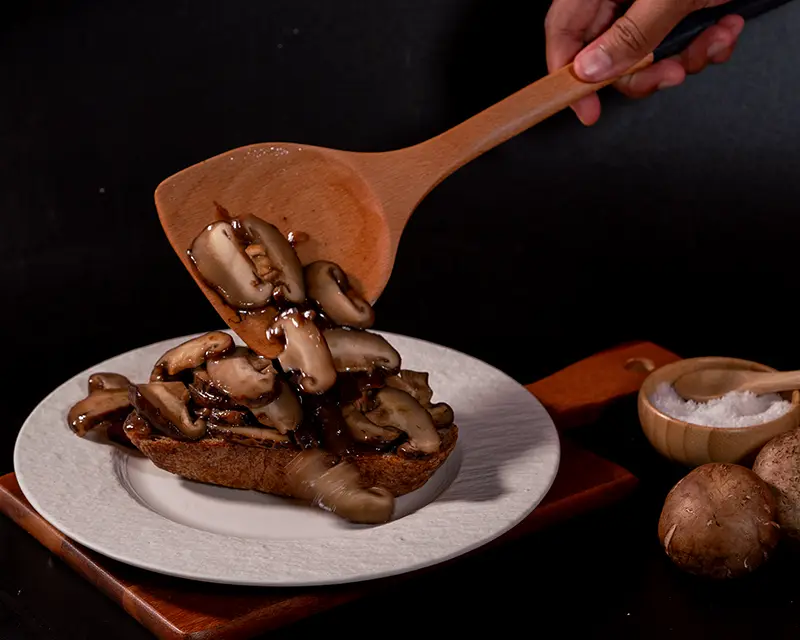
But whole-food umami behaves differently. A browned mushroom gives savouriness with moisture, chew, aroma and earthiness. A broth gives savouriness with minerals, fat, collagen, aromatics and time. Miso gives savouriness with salt, fermentation, sweetness and acidity. Aged cheese gives savouriness with fat, protein, crystals, aroma and age.
That is why MSG and food-based umami can both make food taste more savoury, but they do not feel the same. MSG is clean and immediate. Whole-food umami has more body, more texture, more aroma and a longer finish.
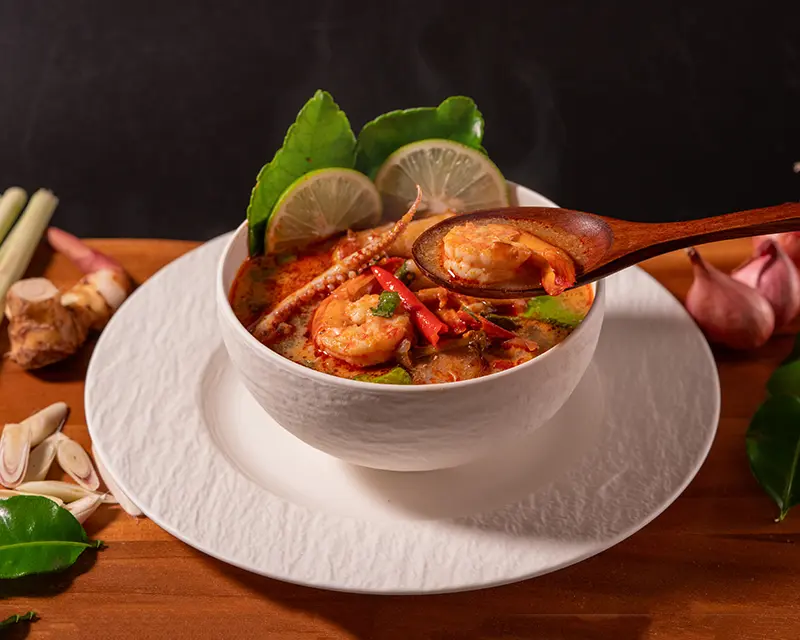
That directness is useful. MSG works well when a soup, sauce, noodle dish, fried rice, marinade, snack or stir-fry needs a fast savoury lift without changing its flavour direction very much. It is clean, quick and consistent.
It is also limited. MSG can make food taste more savoury, but it does not add the mushroom, the stock, the browned edge, the fermented note, the fat, the minerals, the texture or the ingredient character that make umami feel complete.
How MSG Is Made: From Kombu Broth to MSG
MSG has a more interesting origin than its reputation suggests. The story begins with kombu dashi, the Japanese seaweed broth. In the early twentieth century, Japanese chemist Kikunae Ikeda noticed that kombu had a deep savoury taste that was not sweet, salty, sour or bitter. He identified glutamate as one of the key compounds behind that taste, which he called umami.
That origin matters. MSG began with real food: seaweed, broth, minerals, aroma and savoury depth. But the modern seasoning is not powdered kombu. It is glutamate converted into its sodium-salt form, so it becomes stable, dry, soluble and easy to use as a seasoning.
Commercial production changed over time. Early MSG was made from plant proteins such as wheat gluten, later soybeans. Modern MSG is usually made through industrial microbial fermentation of plant carbohydrates such as sugar cane, sugar beet, cassava, corn or molasses. The glutamate is then isolated, purified and converted into monosodium glutamate crystals.
MSG vs Salt: Are They the Same?
No. MSG and salt are different seasonings. Table salt is sodium chloride, and it gives saltiness. MSG is monosodium glutamate, and it gives umami. It contains sodium, but its main effect in cooking comes from glutamate, not from saltiness.
That matters because salt and MSG solve different problems. If food tastes underseasoned, salt may fix it. If food tastes salty enough but still lacks savoury depth, MSG can make it taste more umami. But it does not build the same structure as stock, mushrooms, browned meat, tomatoes, miso or fermented foods. It gives the savoury signal directly, which is useful, but also the limit.
So, Is MSG the Empty Calories of Umami?
In a culinary sense, yes.
Not because MSG is fake. Not because it cannot work. MSG creates real umami taste through glutamate in sodium-salt form. It can make food taste more savoury, quickly and reliably.
But “empty umami” is useful because it names what has been removed. In real umami-rich foods, savoury taste usually comes with nutrients and food substance. Mushrooms, broth, seaweed, meat, aged cheese, miso and fermented foods do not only bring glutamate. They bring amino acids, peptides, protein structure, minerals, fats, acids, aroma, texture, fermentation products and the wider nutritional material of the ingredient itself.
That is why umami feels meaningful. It tells the body: savoury, nutrient-bearing food is arriving.
With MSG alone, that cue is real, but much of the food is not. The tongue receives the message of umami without the mushroom, the broth, the seaweed, the meat, the miso, the aged cheese, the fermentation, the minerals, the fats, the texture or the nutrients those foods naturally contain.
The Convenience Question
There is a simple reason people use MSG: life is busy, and MSG is easy.
Not everyone has time to make broth, brown mushrooms, age cheese, ferment miso, simmer bones or build flavour slowly on a normal weekday. You still want to cook. You want food that tastes good quickly, without turning every meal into a project.
MSG solves that problem extremely well. You add a small amount of powder, it dissolves, and the food tastes more savoury. That convenience is not a minor detail. It is exactly why MSG became popular and useful in home kitchens, restaurants, noodles, snacks, sauces and prepared foods.
The Other Easy Route
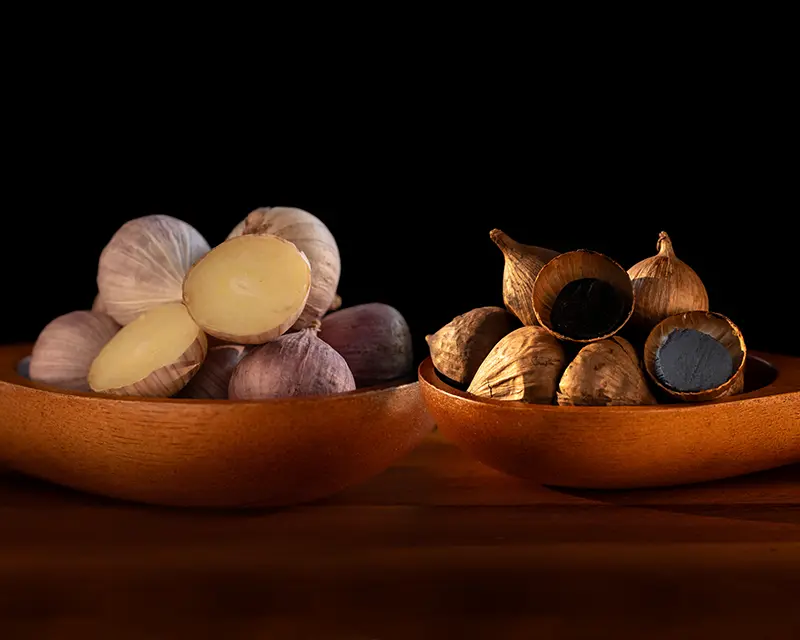
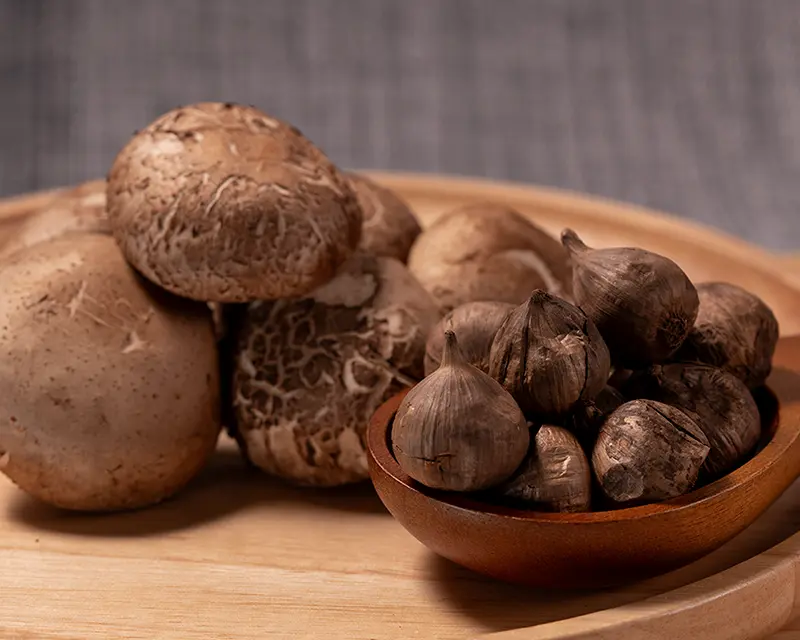
MSG is one way to make umami easy: glutamate joined with sodium, turned into a dry seasoning you can sprinkle. But it is not the only way to make umami convenient. You can also start with foods that are already rich in umami, such as mushrooms, black garlic, seaweed, miso, tomato, aged cheese, fermented ingredients or slow-cooked stock, then carry their savoury depth into salt.
That is what umami salt does. It gives you the same basic convenience, a seasoning you can add in seconds, but the umami comes from ingredients with their own flavour, aroma, texture, minerals and food substance. Instead of isolating one savoury cue, umami salt keeps more of the food behind the cue.
What Is Umami Salt?
Umami salt is salt combined with umami-rich ingredients. It is not MSG, and it is not purified glutamate. It is salt used as a carrier for foods that naturally taste savoury: mushrooms, black garlic, fermented ingredients, seaweed, tomato or other sources of food-based umami.
Because it is still salt, it seasons. Because it carries umami-rich ingredients, it also adds depth, aroma and character. A mushroom umami salt makes food taste deeper, earthier and more stock-like. A black garlic salt adds dark sweetness, balsamic depth and slow savoury intensity.
That is why umami salt works: it keeps the ease of a seasoning, but carries the savoury depth of real ingredients. It gives you convenience without reducing umami to purified glutamate alone.
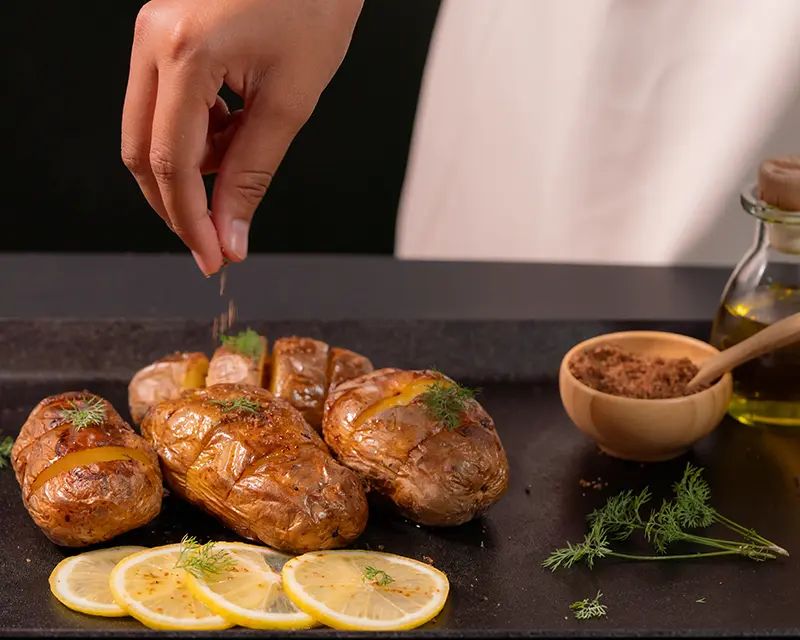
MSG vs Umami Salt in Cooking
MSG and umami salt do not create the same cooking effect. MSG is direct: it hits quickly, spreads evenly and gives a clean savoury lift. Umami salt is ingredient-led: it opens more slowly, carries aroma and texture, and leaves a longer flavour trail.
What It Does
MSG
Adds fast, reliable savouriness through purified glutamate in sodium-salt form.
Umami Salt
Seasons while adding savoury depth from real umami-rich ingredients carried by salt.
Taste Effect
MSG
Clean, direct, brothy and neutral. It makes food taste more savoury quickly, without adding much flavour character of its own.
Umami Salt
Deeper, darker, rounder, more aromatic and more ingredient-led. It changes the flavour direction, not only the savoury level.
How It Behaves
MSG
Dissolves quickly, spreads evenly and gives a fast savoury hit. Because it does not bring much aroma, texture or ingredient character, the effect is clean but relatively short.
Umami Salt
Can land on the surface, dissolve into warm food, melt into fat, or become part of broth, butter, cream, yolk or roasted edges. The effect builds more slowly, but carries more aroma, texture and finish.
When It Works Better
MSG
Use MSG when food is already balanced but slightly flat, and you want a neutral savoury boost without changing the flavour direction.
Umami Salt
Use umami salt when the dish already tastes good but needs more depth, length or character.
The Trade-Off
MSG
It gives the savoury cue, but not the mushroom, broth, miso, fat, minerals, texture, nutrients or ingredient structure that usually come with food-based umami.
Umami Salt
It keeps the ease of a seasoning, but brings umami through real ingredients rather than purified glutamate alone.
Final Verdict
MSG is real umami. It is not poison, not magic and not the same thing as whole-food umami.
It is a useful seasoning when a dish needs a clean, fast savoury lift. But it should not be confused with the foods that taught the body to value umami in the first place: mushrooms, broth, seaweed, meat, aged cheese, miso and fermented foods, with their nutrients, aroma, texture, minerals, fat, acidity, fermentation and time.
Frequently Asked Questions About MSG vs Umami
Is MSG umami?
Yes. MSG creates umami taste because it delivers glutamate, one of the main compounds the tongue recognises as umami. MSG is not “pure umami,” because umami is a taste, not an ingredient. It is glutamate in sodium-salt seasoning form.
Is MSG the same as umami?
No. Umami is the savoury taste category. MSG is one way to create that taste. Mushrooms, tomatoes, seaweed, meat stock, aged cheese, miso, soy sauce and fermented foods can also create umami, but they bring more than glutamate alone.
Is MSG the same as salt?
No. Table salt is sodium chloride, and its main taste is saltiness. MSG is monosodium glutamate, and its main taste effect is umami. MSG contains sodium, so it can taste slightly salty, but it is not the same as salt.
What does MSG taste like?
MSG tastes savoury, brothy and direct. It can make food taste more rounded and umami-rich, but it does not bring much aroma, texture or ingredient character of its own.
Is MSG the empty calories of umami?
In a culinary sense, yes. MSG is not fake umami, but it gives a savoury cue without the wider food substance that usually comes with umami-rich ingredients: mushrooms, broth, seaweed, meat, aged cheese, miso, fermentation, minerals, fats, texture and nutrients.
Is umami salt the same as MSG?
No. Umami salt is salt combined with umami-rich ingredients such as mushroom, black garlic, seaweed, tomato or fermented foods. MSG gives a clean glutamate cue. Umami salt adds savouriness with salt, aroma and ingredient character.
Continue the Flavour Logic
If MSG is one way to add a savoury signal, these guides go deeper into how umami, salt and flavour structure work in real cooking.
Join the Maison Kojira Letter
The Maison Kojira Letter goes deeper into umami, ingredient-led savouriness and the small decisions that make daily food taste more complete.