How to Salt Tomatoes: Early for Juice, Late for Slices
Cut the tomato first. Then taste one piece.
You are looking for the tomato’s mood: sweet and fragrant, firm and quiet, juicy enough to carry olive oil, or mild enough that it needs time with salt before it reaches the plate. That first bite tells you what to do.
If the tomato is ripe, sweet, juicy, and fragrant, keep your hands light. Slice it, add olive oil if you want richness, and finish with salt just before serving. You keep the tomato clean, fresh, and alive.
If the tomato is mild, firm, watery, or less fragrant than you hoped, give salt more time. Add a small pinch, toss gently, and wait a few minutes. The tomato will start to release juice. The salt moves into that juice, spreads across the cut flesh, and makes the tomato taste more present.
That is the difference between juicy and watery.
Watery means the tomato liquid has nowhere useful to go. Juicy means the liquid becomes part of the dish: spooned around burrata, caught by bread, mixed with olive oil, sharpened with vinegar, or carried into basil and herbs.
👨🏼🍳 Quick Rule: taste the tomato first. Salt early when it needs time to open up, or when you want juice. Salt late when it is already expressive and you want clean slices.
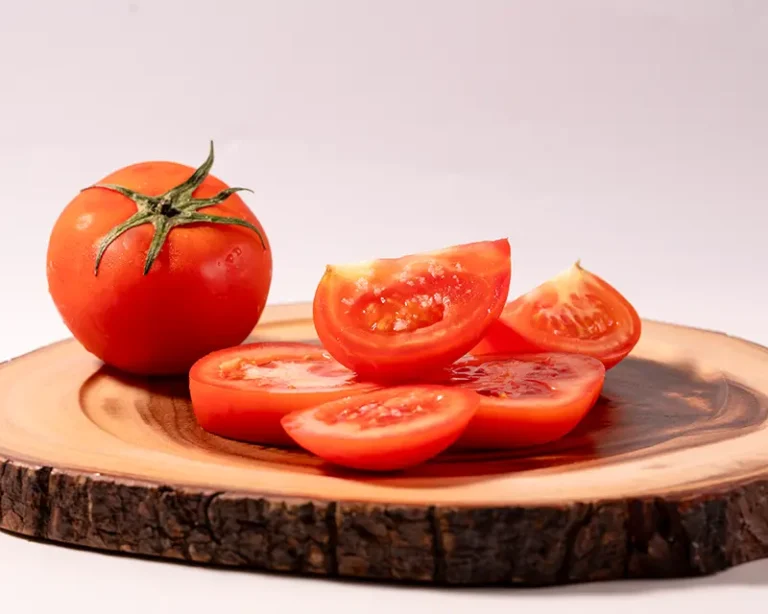
How Do You Know When To Salt Tomatoes Early?
Salt tomatoes early when you want the tomato to season itself before the dish is finished.
This is useful when the tomato is mild, firm, or not as fragrant as you hoped. A few minutes with salt pulls juice to the surface and spreads seasoning through the cut tomato. The tomato becomes fuller before it meets olive oil, cheese, bread, herbs, or acid.
It is especially useful with rich foods: burrata, mozzarella, ricotta, avocado, eggs, grilled bread, olive oil, or fatty fish. Richness can make a quiet tomato disappear. Salting the tomato earlier gives it more voice in the bite.
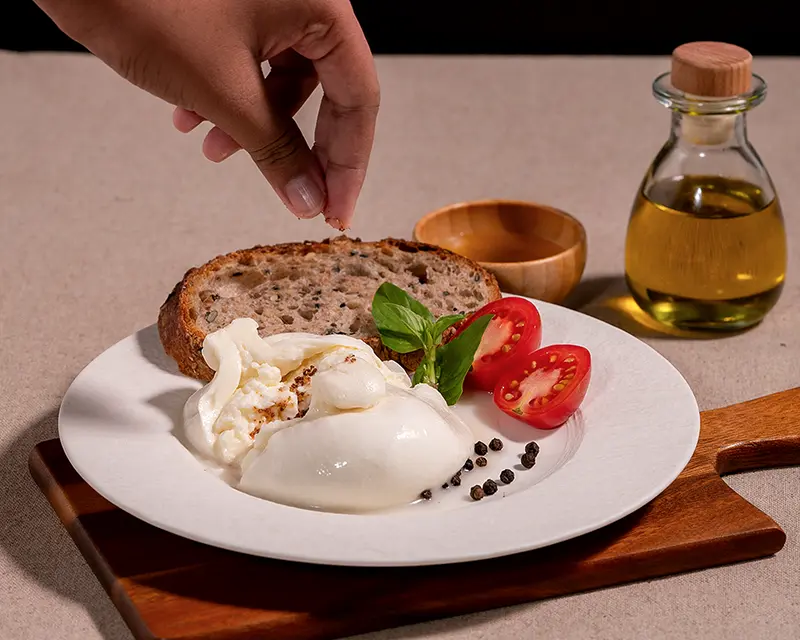
For burrata, this matters. If the tomatoes are already excellent, salt late and keep them clean. If they are mild, salt them earlier in a bowl, let the juices form, then spoon the tomatoes and their salted juice around the burrata. Add olive oil, basil, and a final pinch of finishing salt at the end.
That gives you tomato flavour through the whole bite, not just salt on the surface.
👨🏽🍳 Better Rule: salt early when the tomato needs time to become more generous.
When To Salt Tomatoes Late
Salt tomatoes late when you want the tomato to stay clean, fresh, and intact.
This is the right move for sliced tomatoes, tomato toast, sandwiches, caprese, burrata, mozzarella, simple tomato plates, or any dish where too much juice would make the bread wet, the cheese watery, or the plate look tired.
Cut the tomatoes, arrange them, add olive oil if you want richness, then finish with salt just before serving. The salt sharpens the first bite, but the tomato has less time to collapse or flood the plate.
This works best when the tomato is already ripe enough to stand on its own. You are not asking salt to transform it. You are using salt to make the tomato taste more vivid at the moment you eat it.
For sandwiches and toast, salt as late as possible. Add the tomato, finish with a small pinch, then close the sandwich or serve the toast. If you salt too early, the bread catches the juice before you do.
👩🏻🍳 Quick Rule: salt late when the tomato is already good and you want the slice to stay clean.
How Much Salt To Use on Tomatoes
Use less than you think at first.
Tomatoes change quickly with salt because the salt dissolves into their juice almost immediately. A small pinch can do a lot, especially on ripe tomatoes, thin slices, cherry tomatoes, or tomatoes served with cheese, olives, capers, anchovies, cured meat, or salty dressings.
For sliced tomatoes, start with a light, even pinch across the surface. Wait a few seconds, taste, then add more only if the tomato still tastes muted.
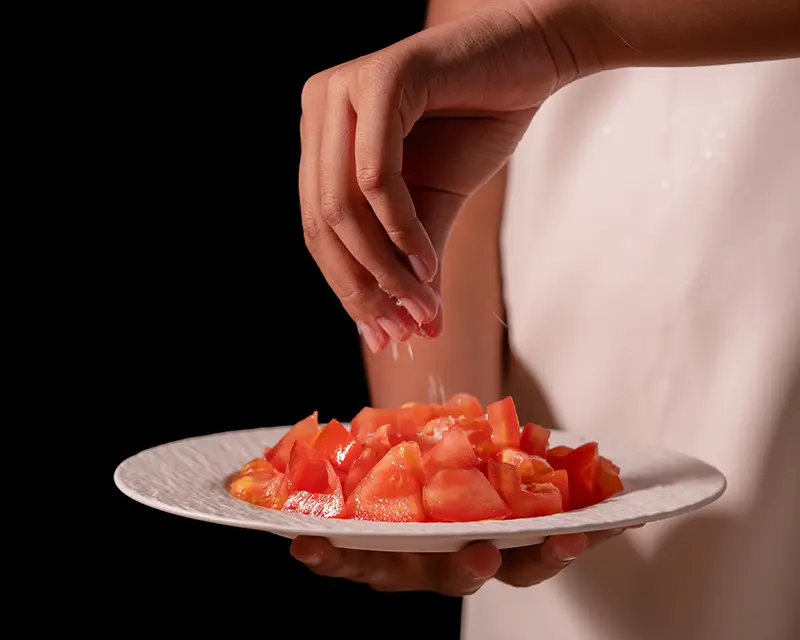
For chopped tomatoes or tomato salad, salt a little earlier and toss gently. After a few minutes, taste the tomato juice in the bowl. That juice tells you whether the salad needs more salt, more oil, more acid, or nothing at all.
For roasted or grilled tomatoes, taste after cooking. Heat concentrates sweetness and acidity, but it can also concentrate salt. Finish with a small pinch while the tomatoes are still warm.
There is no fixed ratio for how much salt to use, as there is for pasta water. Tomatoes vary too much. A perfect tomato needs almost nothing. A milder tomato may need time, acid, oil, herbs, or the right finishing salt.
👨🏼🍳 Better Rule: salt tomatoes by taste, not habit.
Tomatoes With Olive Oil
Tomatoes and olive oil are simple, but the order changes the dish.
If you want a clean plate, add olive oil first and finishing salt last. The oil gives richness, and the salt lands on the tomato surface for a brighter first bite.
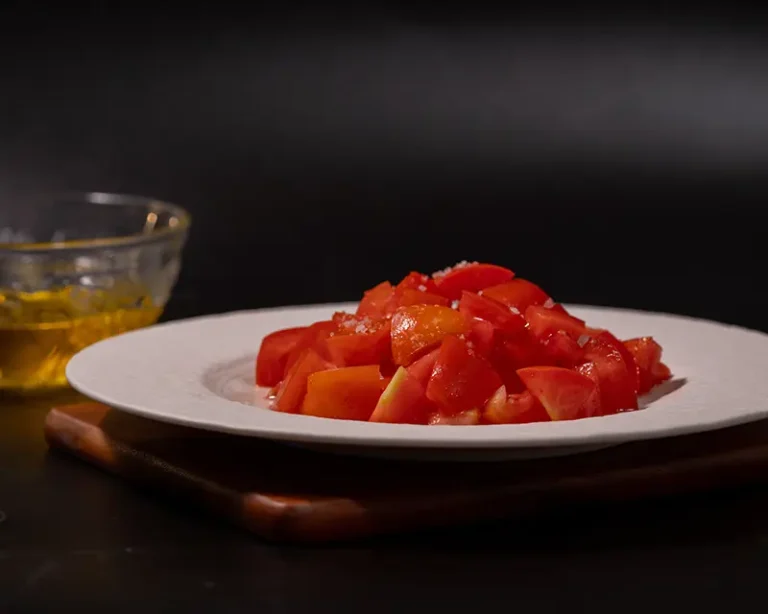
If you want tomato juice for bread, burrata, mozzarella, or salad, salt first and wait a few minutes. Once the juice collects, add olive oil and stir gently. The oil softens the acidity, the tomato juice carries the salt, and the bowl becomes something you want bread for.
If you want neat slices, add oil first and salt at the last moment.
If you want tomato juice for bread, burrata, mozzarella, or salad, salt first, wait a few minutes, then add oil.
👨🏽🍳 Quick Rule: salt last for clean slices. Salt first for tomato juice.
Want Better Salt Instincts?
The Maison Kojira Letter goes deeper into salted tomatoes, olive oil, and the small timing decisions that make daily food taste brighter, cleaner and more complete.
Roasted or Grilled Tomatoes
Heat changes tomatoes completely.
Fresh tomatoes are sharp, juicy, and bright. Roasted or grilled tomatoes move in another direction: softer, sweeter, darker, sometimes almost jammy. Water leaves, sugars concentrate, acidity rounds out, and the tomato starts leaning savoury.
Salt before roasting or grilling when you want the tomato to concentrate. Cut the tomatoes, add a little salt, give them space, and let the heat do the work. You want the tomato juices to reduce, not sit around the tomatoes.
If there is too much liquid in the tray, pour some off or give the tomatoes more time. You are looking for softened flesh, darker edges, and thick, sweet juices, not tomatoes sitting in thin liquid.
Salt after roasting or grilling when you want the final bite to wake up. A small pinch of finishing salt on warm tomatoes melts into the surface and makes the sweetness, smoke, oil, and acidity more vivid.
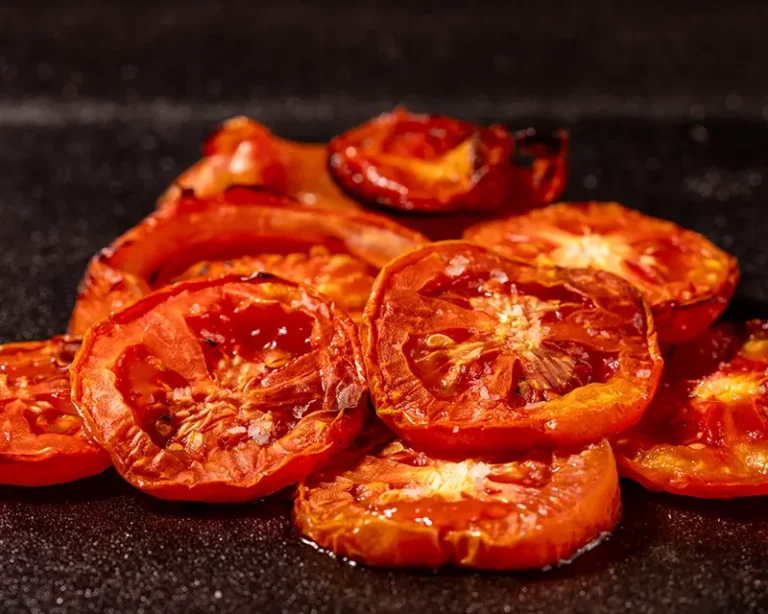
This is where deeper salts work well. Black garlic salt can make roasted tomatoes taste sweeter and more savoury and adds umami. Saffron salt works when the tomatoes are going towards olive oil, seafood, fennel, rice, or couscous.
👨🏼🍳 Quick Rule: salt early when you want the tomato to reduce and deepen. Salt late when you want the warm tomato to taste brighter at the table.
When Finishing Salt Belongs on Tomatoes
Finishing salt belongs when the tomato is ready to eat.
Use it after you have made the real decision: early salt for juice, late salt for clean slices, oil first or salt first, roasted deep or fresh and bright.
At that point, the tomato is no longer theoretical. It is on toast, beside burrata, in a bowl with olive oil, warm from the grill, or sitting in its own salted juice. If it is already juicy, finishing salt can make the surface brighter. If it is soft and roasted, finishing salt can give contrast. If it is mild, the right gourmet salt can add citrus, umami, warmth, or depth.
Do not add finishing salt too early if you want texture. It will dissolve into the tomato juice and disappear. That can be useful when you want tomato juice for dressing, but it is not the same as a final pinch at the table.
Use finishing salt when the tomato is already cut, arranged, cooked, or dressed, and you want the last bite to feel more vivid.
👨🏼🍳 Better Rule: finishing salt belongs when the tomato is ready to eat, not while you are still deciding what the tomato should become.
Best Finishing Salts for Tomatoes
Choose the finishing salt by what you want the tomato to become.
Artisan Mineral Salt
Use on ripe sliced tomatoes, tomato toast, olive oil, basil, mozzarella, burrata, and simple tomato salads. It is best when the tomato is already good and you want clarity, texture, and a clean finish.
Preserved Lemon Salt
Use on tomato salad, cucumber, herbs, feta, yoghurt-style dressings, seafood, summer plates, and tomatoes with olive oil. It is one of the strongest salts for fresh tomatoes because it adds brightness without adding more liquid.
Black Garlic Salt
Use on roasted tomatoes, grilled tomatoes, tomato toast, eggs, mushrooms, grilled meat, or darker savoury dishes. It works when the tomato can handle sweetness, depth, and umami.
Saffron Salt
Use on warm tomatoes with olive oil, seafood, fennel, rice, couscous, or Mediterranean and North African dishes. It adds aroma and warmth rather than sharpness.
👩🏽🍳 Salt Pairing Rule: choose the salt by what you want to lift: clean tomato flavour, citrus brightness, roasted sweetness, warmth, or savoury depth.
Frequently Asked Questions About Salting Tomatoes
Does salt make tomatoes watery?
Yes. Salt pulls moisture to the surface of cut tomatoes. That can make sandwiches or clean plates watery, but it can also create delicious tomato juice for salads, burrata, olive oil, herbs, and bread.
When should you salt tomatoes?
Salt tomatoes early when you want juice, or want them to taste deeper. Salt them late when you want clean slices, tomato toast, sandwiches, caprese, or a plate that stays neat.
Should you salt tomatoes before adding olive oil?
Salt first if you want tomato juice to mix with the olive oil and become part of the dressing. Add olive oil first and salt at the end if you want cleaner slices and a brighter surface.
What finishing salt is best for tomatoes?
Use artisan mineral salt for ripe sliced tomatoes and olive oil. Use preserved lemon salt when you want brightness. Use black garlic salt for roasted or grilled tomatoes. Use saffron salt for warm tomato dishes with olive oil, seafood, rice, couscous, or fennel.
Use the Same Salt-Timing Logic Elsewhere
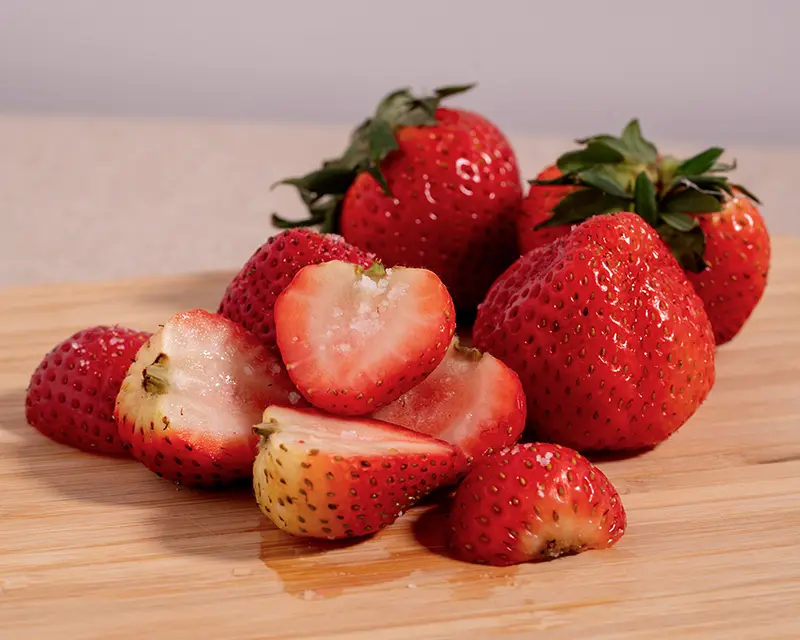
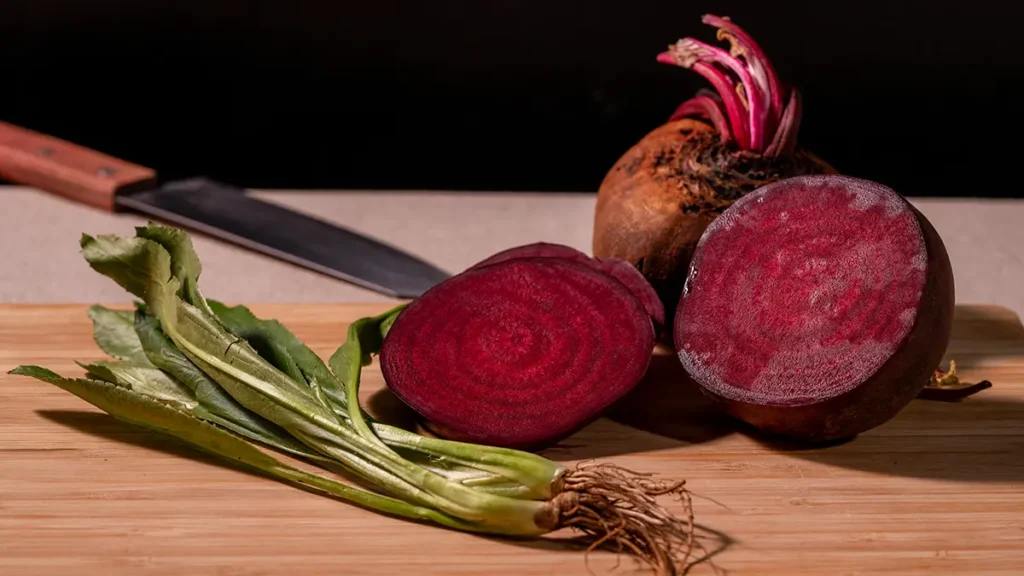
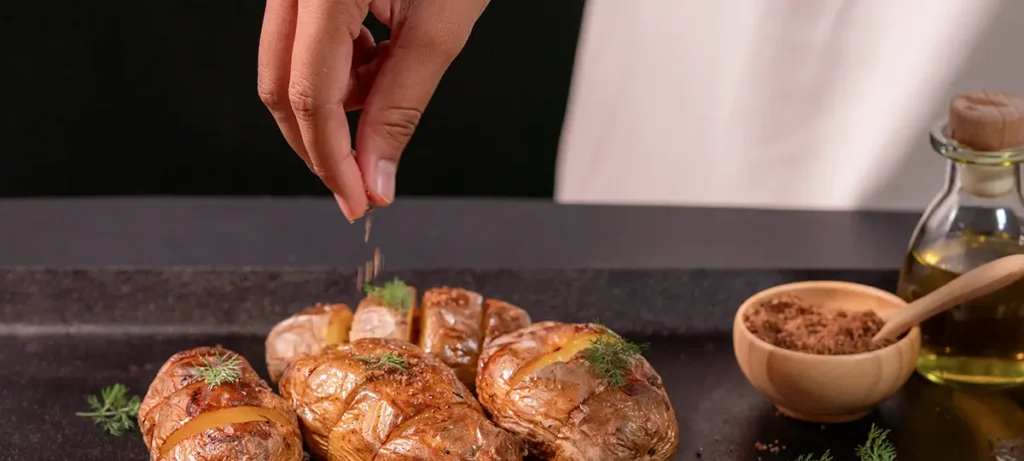
Once you understand how to salt tomatoes, the same timing logic applies to soft cheese, eggs, fruit, vegetables, potatoes and yogurt: salt earlier when you want juice, softness or depth; salt later when you want structure, brightness and a clean final bite.

Join the Maison Kojira Letter
Eat sharper. Host better. Be more present. Get practical notes on flavour, ingredients and the small details that make food worth sharing.