How to Season a Whole Fish All the Way Through
A whole fish is one of the last foods that still reaches the table recognisably as an animal. Head, skin, bones and tail remain intact. It belongs equally to Mediterranean lunches, Chinese banquets, Thai family tables, beach grills, riverbanks and campfires. The setting changes, but the ritual remains familiar: the fish arrives whole, people gather around it, open it, choose their parts and keep returning to it while the conversation continues.
That same intactness is what makes a whole fish difficult to season well. Salt scattered over the outside can make the skin taste salty while the thicker parts underneath remain bland.
Quick Answer
How to Season a Whole Fish
Dry the fish thoroughly, then season it in stages rather than treating the skin as the only seasoning surface. Salt the cavity first. For a thicker fish, make shallow cuts through the skin and work a small amount of salt into them. Season the skin lightly and shortly before cooking.
For frying, grilling or roasting, keep the surface dry so the skin can brown properly. For steaming, use less salt on the skin and concentrate more of the seasoning inside the cavity and any scored cuts.
Cook the fish whole and bring it to the table intact. Once it is opened, taste the thicker portions beneath the skin and add a restrained final pinch only where the fish still needs it. This final seasoning is the fourth salt moment and completes the fish where it is actually eaten.
Why a Whole Fish Needs Four Salting Moments
A whole fish is one animal, but it does not season as one piece. Skin, bones and differences in thickness divide the parts you eat, so salt applied in one place will never reach them all equally. Maison Kojira usually believes more is more. But here, restraint works better: adding extra salt to the surface risks salty skin around fish that still tastes flat underneath.
Prepare the Fish Before Salting
Most whole fish sold by a fishmonger or market have already been cleaned, gutted and scaled. Gutting removes the internal organs and leaves a hollow opening along the underside of the fish, beginning just behind the head. This is the cavity. If you have caught the fish yourself, clean, gut and scale it before you begin seasoning.
Once the fish is ready, dry it thoroughly inside and out. Water left on the skin or inside the cavity dilutes the seasoning and makes crisp skin harder to achieve when frying, grilling or roasting.
Dry the Fish Thoroughly
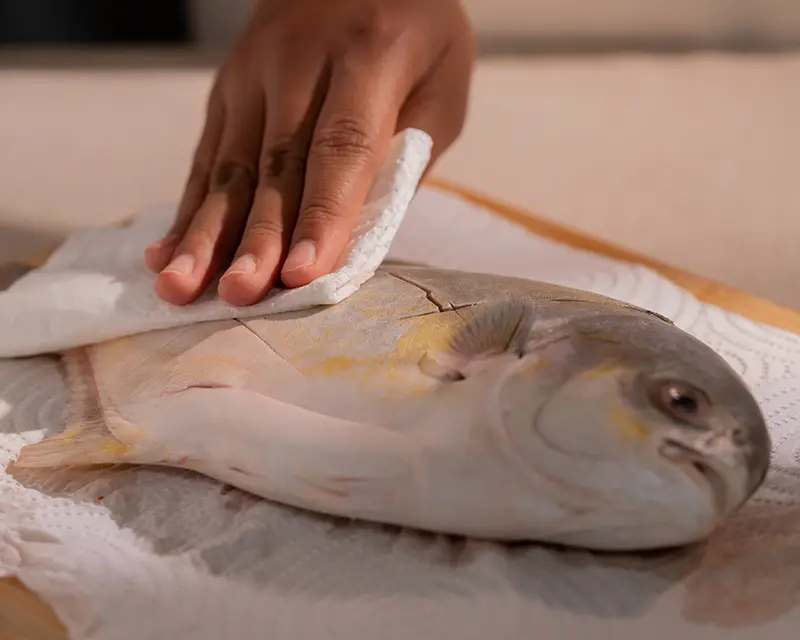
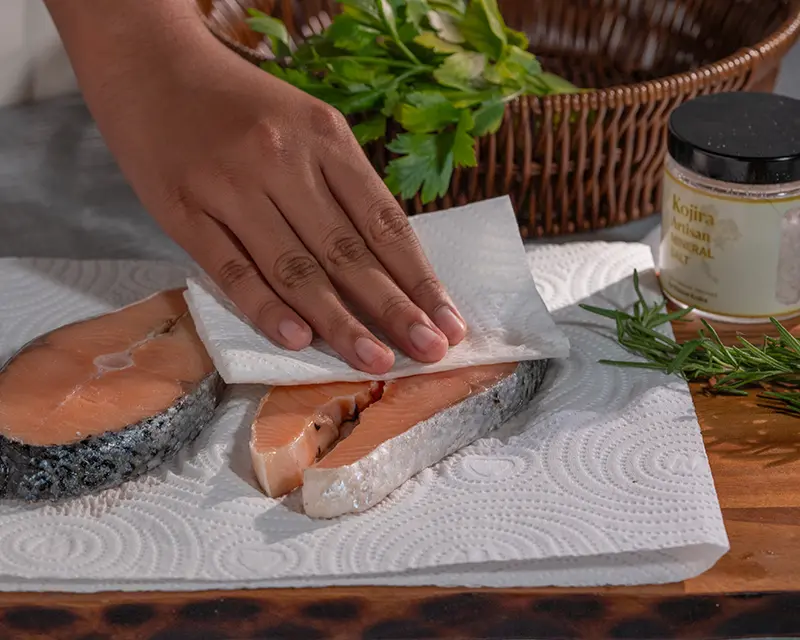
Use kitchen paper to pat the skin, cavity and areas around the fins dry. Give the cavity extra attention, because rinse water often collects there unnoticed. When the surface still feels damp, leaving the fish uncovered in the refrigerator for a short time helps it dry further before cooking.
Score the Thickest Parts
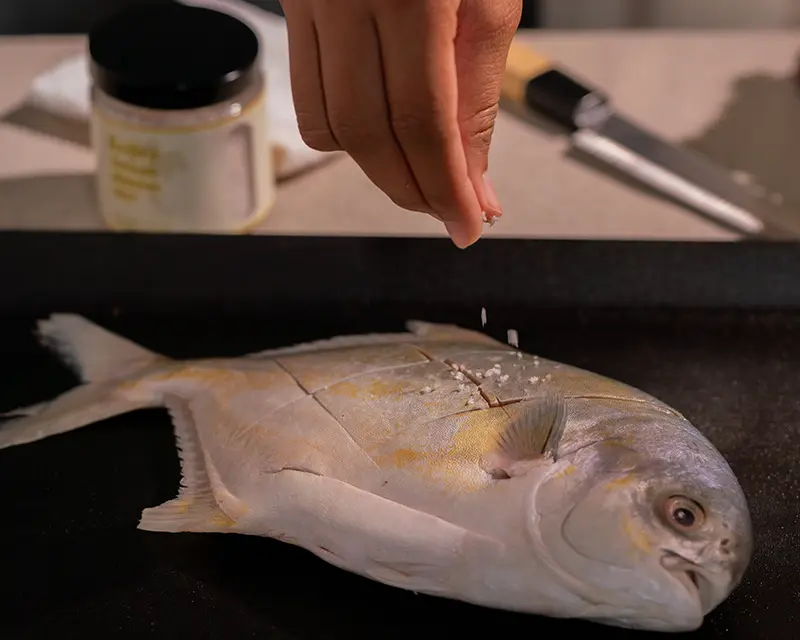
If the fish is thick through the middle, make two to four shallow diagonal cuts across the thickest part of each side. Smaller, thinner or more delicate fish can remain intact. Cut through the skin and just beneath it, without reaching the bones. These cuts give both salt and heat easier access to the areas that would otherwise remain protected.
Scoring works particularly well for frying, grilling and roasting, especially with a thick-bodied fish. Smaller or more delicate fish may not need it, and a fish intended for steaming can often remain intact.
The Four Salting Moments
Once the fish is dry and scored where needed, you can season each part according to the job it has to do. The first three moments happen before cooking. The fourth comes at the table, after the fish has been opened and you can finally taste the parts that were hidden beneath the skin.
1. Salt Inside the Cavity
Open the cavity and sprinkle in a light, even layer of salt, reaching towards the thicker areas near the head and backbone. This seasons surfaces the salt on the skin cannot reach and gives the fish flavour from within.
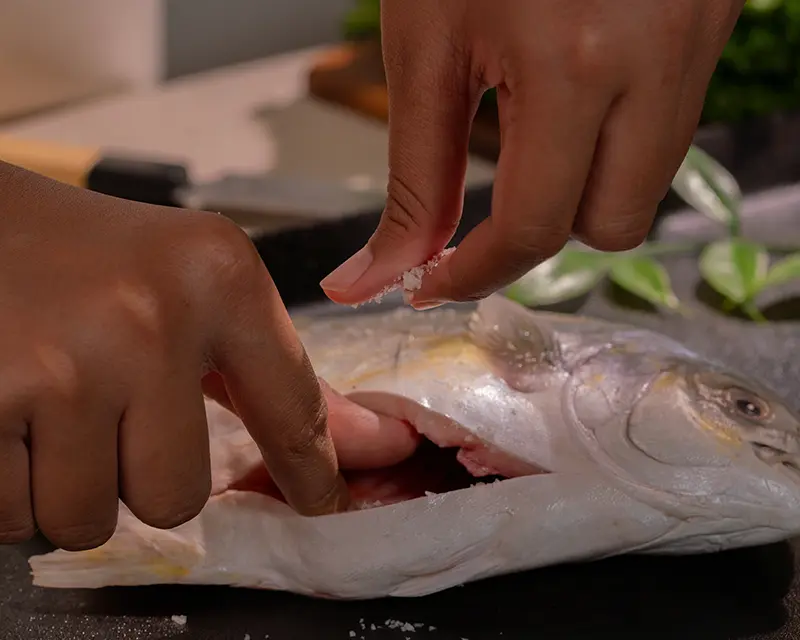
You can keep it clean with Kojira Artisan Mineral Salt, or build another layer by using Kojira Preserved Lemon Salt with thin slices of fresh lemon and a few herbs. The fresh lemon brings brightness and aroma; the preserved lemon adds softened peel bitterness, acidity and deeper savoury character.
Keep the amount restrained. The cavity should season and perfume the inner surfaces, not become a concentrated pocket of salt.
2. Salt the Scored Cuts
Use your fingertips to work a small amount of salt into each cut rather than leaving it sitting only on the skin. The cuts give the salt access to the thicker parts of the fish, where surface seasoning would otherwise struggle to reach.
You do not need much. A light pinch in each opening is enough to create another layer of seasoning without turning the cuts into salty pockets. Kojira Artisan Mineral Salt works well here because it seasons cleanly and lets the character of the fish remain clear.
For grilling or roasting, you can also press a little chopped herb or finely grated lemon zest into the cuts. Keep wet ingredients to a minimum when frying, because a drier surface browns better and reduces hot-oil splatter.
3. Salt the Skin Shortly Before Cooking
Once the cavity and cuts are seasoned, add a light, even layer of salt across both sides of the fish. This is the most visible salting moment, but it should not carry the entire burden of seasoning. The earlier layers have already reached the parts the skin cannot. The surface only needs enough salt to season the exterior without overpowering it.
For frying, grilling and roasting, salt the skin shortly before cooking so it stays as dry as possible. If moisture beads on the surface, pat it dry again before the fish meets the heat. For steaming, you can use even less on the skin and let the cavity, cuts and accompanying sauce carry more of the seasoning.
4. Finish the Fish at the Table
Carry the fish to the table whole and give everyone a moment to admire it before you open it. You can lift the skin yourself or invite one of your guests to do it. As the fish is revealed, people begin choosing their favourite parts, reaching across the table and returning to it while the conversation continues.
Taste the thicker portions together before adding anything else. This is the first moment when you can judge the seasoning exactly where the fish will be eaten. Add a restrained final pinch of finishing salt only where it still tastes flat.
Place two or three salts within reach and let everyone finish their portion in their own way: clean mineral salinity, preserved lemon or herbs for freshness, saffron for aroma, or chilli for heat. The fish continues to change around the table, and the final seasoning becomes part of the pleasure of sharing it.
Serve Food Like You Know What You Are Doing
The Maison Kojira Letter shares the timing, flavour and hosting details that turn ordinary ingredients into food people remember.
Which Salt Works Best With Whole Fish?
You can season a whole fish with one salt from start to finish, but the final moment at the table gives you room to introduce contrast. Use a clean salt during preparation, then offer one or two more expressive choices once the fish has been opened.
For Clear, Balanced Seasoning
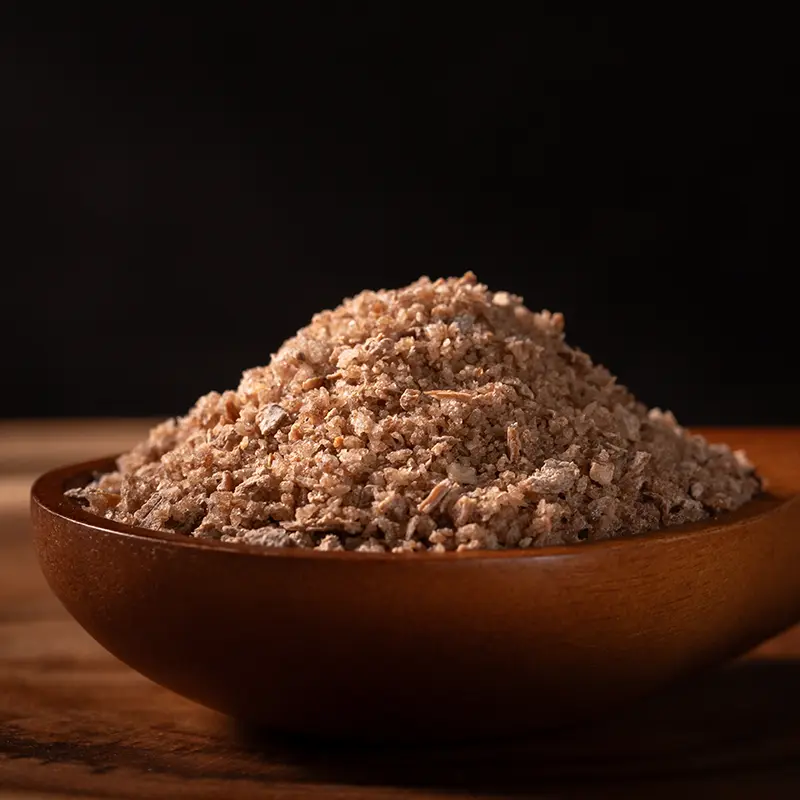
Kojira Artisan Mineral Salt is the most versatile choice. Use it inside the cavity, in the scored cuts and lightly across the skin when you want the flavour of the fish to remain central. It also gives you a precise final adjustment at the table without introducing another dominant flavour.
It is made from inland mineral brine drawn from our family’s salt land in Isaan, then reduced over wood fire and dried in the sun.
For Layers of Lemon
Kojira Preserved Lemon Salt works especially well inside the cavity with thin slices of fresh lemon and herbs. The fresh lemon brings brightness and aroma, while the preserved lemon adds softened peel bitterness, acidity and deeper savoury character.
The lemons are preserved for more than six months before being combined with Kojira Artisan Mineral Salt.
Use it again sparingly once the fish has been opened. A final pinch reconnects the exposed portions with the citrus cooked inside, creating layers of lemon rather than one flat lemon flavour.
For Herbs or Heat
An herb salt can echo the herbs cooked inside the cavity and bring freshness to grilled, roasted or steamed fish. Chilli salt works particularly well with fried or grilled fish, adding fruitiness and heat without committing the entire dish to one level of spice.
You do not need every option on the table. Choose two or three salts with clearly different roles and let everyone discover which one suits their portion best.
How the Cooking Method Changes the Salting
Frying, grilling, roasting and steaming do not require four different seasoning systems. You still season the cavity, any scored cuts and the skin before cooking, then taste again once the fish is opened. What changes is how much salt belongs on the surface, how dry the fish needs to remain and where additional flavour can be added.
Frying a Whole Fish
For frying, surface dryness matters most. Season the cavity and scored cuts first, then add only a light layer of salt to the skin shortly before the fish goes into the pan or oil.
Keep fresh lemon, wet marinades and juicy herbs away from the exterior. Moisture slows browning and increases hot-oil splatter. You can still place dry herbs or a restrained amount of Preserved Lemon Salt inside the cavity, then serve fresh lemon at the table.
Grilling a Whole Fish
Grilling benefits from the same dry surface, but gives you more room for aromatics. Season inside the cavity and scored cuts, then salt the skin lightly before brushing it with oil.
Fresh herbs and thin lemon slices can go inside the fish, provided they are not packed so tightly that they trap too much steam. The cuts also create places where smoke, salt and aromatics can meet the thicker parts of the fish.
Roasting or Baking a Whole Fish
Roasting is the most forgiving method for layering flavour. You can season the cavity with mineral salt or Preserved Lemon Salt, then add lemon, herbs, garlic or other aromatics before the fish goes into the oven.
Salt the scored cuts and skin separately rather than relying on the cavity mixture to season everything. The oven softens the aromatics and perfumes the cavity and the fish closest to it, while the exterior still needs its own light seasoning.
Steaming a Whole Fish
For steaming, use less salt on the skin. There is no browned surface to build, and sauces served with steamed fish often bring additional salinity.
Concentrate the seasoning inside the cavity and, for a thicker fish, in a few shallow cuts. Smaller or more delicate fish may not need scoring at all. Once the fish is opened, taste it with the sauce before deciding whether it needs a final pinch.
How Much Salt Does a Whole Fish Need?
As a starting point, use 6 to 8 g of total salt for every kilogram of cleaned, gutted fish. For a 1 kg fish, that means 6 to 8 g shared across the cavity, scored cuts, skin and final seasoning at the table, rather than the full amount at every stage.
Stay near 6 g per kilogram when steaming the fish or serving it with soy sauce, fish sauce, capers or another salty accompaniment. Move closer to 8 g per kilogram when frying, grilling or roasting the fish and serving it more simply.
Reserve a small part of that total for the table. Once the fish is opened, taste the thicker portions before using it. The fourth salting moment gives you a chance to correct the seasoning; it does not oblige you to add more.
Because flavoured salts also contain lemon, saffron, herbs or chilli, equal weights will not always season with equal intensity. Use the gram guideline as your starting point, then let the final taste of the fish decide.
Cleaned Fish Weight |
Total Salt |
|---|---|
|
500 g |
3-4 g |
|
750 g |
4.5-6 g |
|
1 kg |
6-8 g |
|
1.5 kg |
9-12 g |
Common Mistakes When Seasoning a Whole Fish
Whole fish usually goes wrong through uneven placement rather than too little salt overall. These mistakes can leave you with salty skin, flat-tasting fish underneath or a surface that refuses to crisp.
Salting Only the Outside
A generous layer over the skin still cannot reach the cavity or the thicker portions near the backbone. Divide the salt between the cavity, scored cuts, skin and final seasoning at the table.
Using All the Salt Before Cooking
The suggested 6–8 g per kilogram is the total amount for the entire fish. Keep a small portion back until the fish is opened, then correct only the areas that still need it.
Leaving the Fish Damp
Water dilutes the surface seasoning and makes browning more difficult. Dry the skin, cavity and areas around the fins carefully, especially before frying, grilling or roasting.
Scoring Too Deeply
The cuts only need to pass through the skin and slightly into the fish. Cutting down to the bones can release moisture and make the fish more likely to break apart when you serve it.
Packing the Cavity Too Tightly
Fresh lemon and herbs add aroma, but leave enough room for heat to circulate. A tightly packed cavity traps steam and can make the fish cook less evenly.
Forgetting the Sauce
Soy sauce, fish sauce, capers, salted butter and other accompaniments all add salinity. Stay near the lower end of the salt range when the fish will be served with a salty sauce.
Frequently Asked Questions About How to Season Whole Fish
Should You Salt Whole Fish Before or After Cooking?
Both. Salt the cavity, scored cuts and skin before cooking, then reserve a small amount for the table. Once the fish is opened, taste the previously hidden portions and finish only where needed.
How Far Ahead Should You Salt a Whole Fish?
You can season the cavity and scored cuts while preparing the fish, but salt the skin shortly before frying, grilling or roasting. If the surface releases moisture, pat it dry again before cooking. For steaming, the exact timing matters less because you are not trying to create crisp skin.
Do You Have to Score a Whole Fish?
Score a whole fish when it is thick through the middle and the deeper portions need help cooking and seasoning evenly, especially for frying, grilling or roasting. Make shallow cuts through the skin and just into the fish. Smaller, thinner or delicate fish often cook better intact, while steaming usually requires little or no scoring.
How Much Salt Should You Use Per Kilogram of Fish?
Start with 6 to 8 g of total salt per kilogram of cleaned, gutted fish. Divide it between the cavity, scored cuts, skin and final seasoning rather than applying all of it at once. Stay near the lower end when serving the fish with a salty sauce.
More Guides on Seafood, Browning and Finishing Salt
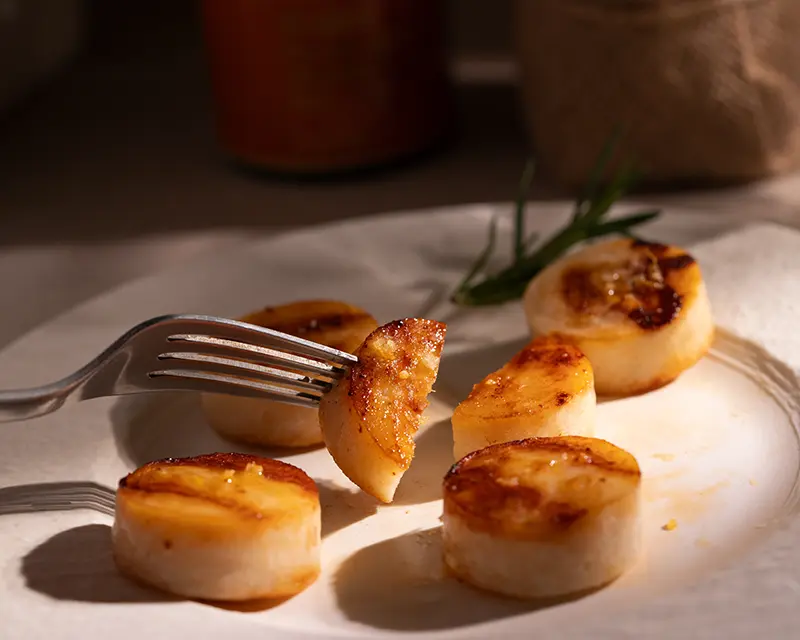
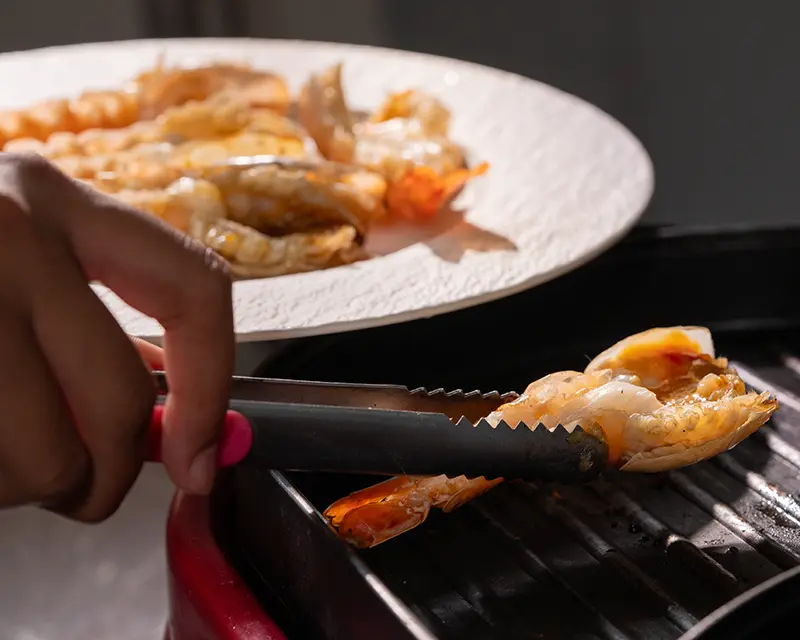
Whole fish brings several salting decisions together: the cavity, scored cuts, skin and final seasoning at the table. The same questions appear with grilled octopus, scallops, shrimp, browning and finishing salt. Understand how each ingredient responds to heat and moisture, then decide where and when the salt can do its best work.


Join the Maison Kojira Letter
Eat sharper. Host better. Be more present. Get practical notes on flavour, ingredients and the small details that make food worth sharing.