When to Salt Mushrooms: Before or After Cooking?
Salt mushrooms near the end when you want them browned.
That is the practical answer. But mushrooms deserve slightly more attention than a rule. At Maison Kojira, mushrooms sit close to our own materials: mineral salt, fermentation, rain, brine, wild honey, and the kind of ingredients people still go looking for when the season is right.
Prakay grew up with mushroom foraging in Isaan, northeastern Thailand, where her family works salt fields and where food is still tied to weather, land, and timing. After rain, mushrooms appear. Later, they become soup. That memory is part of why mushrooms feel natural to us: they are simple, but never empty.
The same logic applies in the pan.
First the mushrooms look firm and pale. Then they soften, give off water, and sit for a moment in their own liquid. If you salt too early, that wet stage can last longer, and the mushrooms steam before they get colour.
For sautéed, roasted, or grilled mushrooms, let the heat pull out the moisture first. Let that moisture cook off. Once the pan looks drier, the edges darken, and the mushrooms start to smell savoury and almost meaty, add salt.

Salt earlier only when you want the mushroom liquid in the dish: soup, broth, cream sauce, gravy, risotto, ramen, hot pot, or slow-cooked mushrooms. In those dishes, you are not trying to keep the pan dry. You want the mushrooms to give their liquid to the dish because that liquid carries flavour.
So the rule is simple: salt later when you want browning, salt earlier when you want the mushroom juices in the dish.
👨🏽🍳 Salt Rule: salt mushrooms near the end for browning. Salt earlier for soup, sauce, broth, risotto, or any dish where the mushroom liquid belongs.
What Decides When to Salt Mushrooms
Salt changes mushrooms in three different ways.
It can pull out water.
This is useful when you want mushroom liquid in the dish. For soup, broth, cream sauce, gravy, risotto, ramen, or hot pot, the liquid coming out of the mushrooms is flavour. Salt earlier so that flavour moves into the dish.
It can protect browning.
This is what matters for sautéed mushrooms, roasted mushrooms, grilled mushrooms, mushroom toast, eggs, steak, or game. Let the mushrooms release moisture first, let the pan dry out again, then salt once the surface starts to brown.
It can finish the flavour.
This is where finishing salt belongs. Once the mushrooms are browned, roasted, grilled, or sitting on toast, a final pinch can make them taste deeper, cleaner, more savoury, or more aromatic.
Mushrooms already have depth. Salt should not make them taste salty first. It should help you decide where their water, aroma, and savoury flavour go. That is why when to salt mushrooms depends on whether you want liquid, browning, or final surface flavour.
👩🏻🍳 Kitchen Rule: salt early when you want mushroom liquid in the dish. Salt later when you want browning. Finish at the end when you want depth, texture, or a cleaner final bite.
Want Better Salt Timing?
The Maison Kojira Letter goes deeper into mushrooms, browning, and the small seasoning decisions that make everyday food taste deeper and more complete.
When to Salt Mushrooms for Sautéing
For sautéed mushrooms, wait before you salt. Start with a hot pan and give the mushrooms enough space. At first, they may look dry. Then they soften and release water. Let that water cook off. Once the pan sounds quieter, the surface looks darker, and the mushrooms start to brown, add salt.
At that point, salt lands on browned mushroom, not on a pan full of mushroom water. If you salt too early, the mushrooms can release water before the surface has colour. The pan fills, the heat drops, and you spend the next few minutes boiling off liquid instead of building flavour.
This matters most for button mushrooms, cremini, portobello, and other common mushrooms with plenty of moisture. It also matters for mushroom toast, omelettes, steak, game, potatoes, pasta, or anything where you want browned mushrooms, not a pan of grey slices.
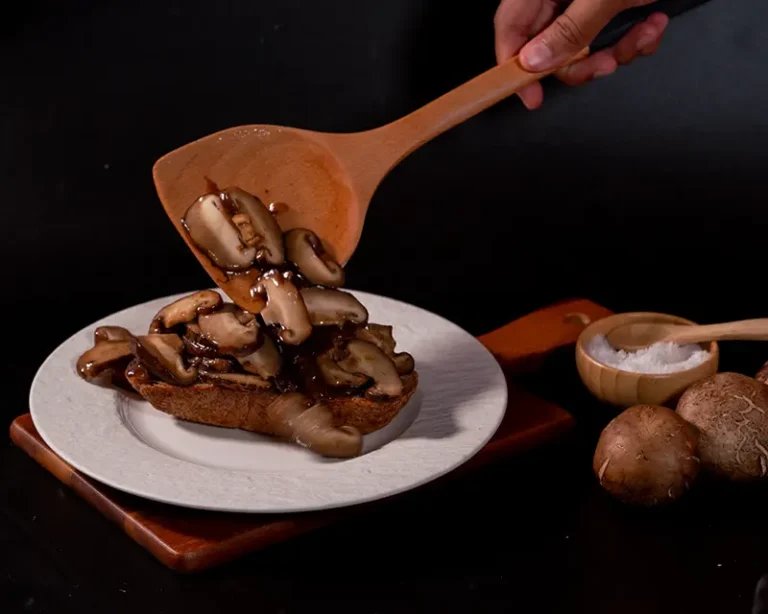
Add butter or oil once the pan is hot. Cook the mushrooms until the water has gone and the colour has started, then salt near the end. If you want garlic, herbs, or a splash of wine, add them after the mushrooms have started to brown. Once the water has cooked off, stop stirring so much. Mushrooms need contact with the pan to brown. If you keep moving them, the surface keeps cooling and the colour takes longer to build.
Be careful with the final pinch. Mushrooms shrink as they cook, so the same amount of salt tastes stronger at the end than it would at the beginning. Salt lightly, taste, then adjust.
👨🏼🍳 Sauté Rule: for browned mushrooms, heat first, moisture off, colour next, salt near the end.
When to Salt Mushrooms Earlier
Salt mushrooms earlier when you want their liquid in the dish. This is the opposite of sautéing. For soup, broth, gravy, cream sauce, risotto, ramen, hot pot, or slow-cooked mushrooms, the liquid that comes out of the mushrooms is not something to avoid. It becomes part of the base.
In those dishes, early salt helps the mushrooms soften, release moisture, and share their savoury flavour with the sauce or broth around them. The pan does not need to stay dry because you are not trying to build crisp browned edges.
This works especially well with mushrooms cooked in butter, cream, wine, stock, miso, soy, or rice. Dried mushrooms are their own version of this: porcini, shiitake, or mixed dried mushrooms give flavour to the soaking liquid before they ever reach the pan.
Taste before adding more salt. Mushroom liquid can taste mild at first, then become much stronger as it reduces. If the dish also has stock, soy sauce, miso, parmesan, anchovy, cured meat, or salted butter, the salt can build quickly.
👩🏽🍳 Sauce Rule: salt mushrooms earlier when you want their liquid to become part of the sauce, broth, rice, or slow-cooked dish.
Different Mushrooms Need Different Salting
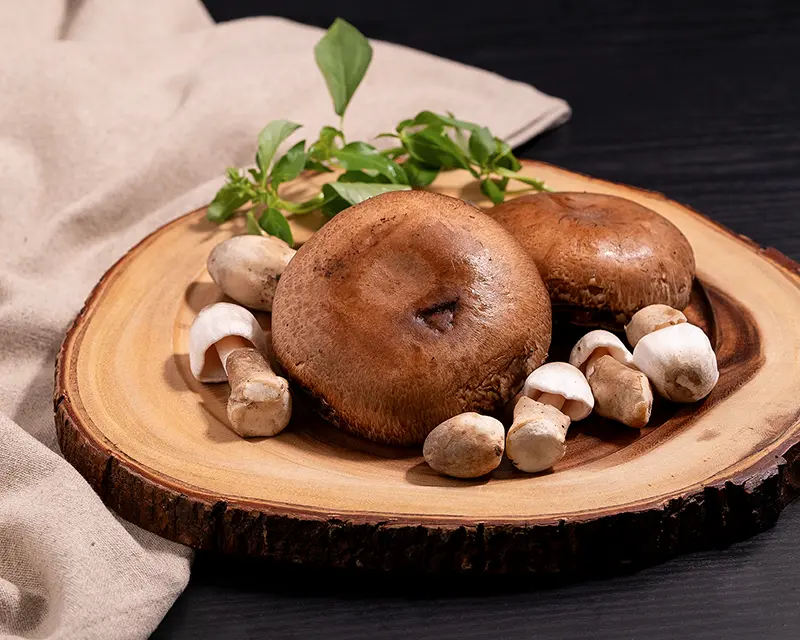
Mushrooms do not all cook the same way, so you should not salt them all the same way. When to salt mushrooms also depends on the type: delicate mushrooms need less, thick mushrooms need colour first, and dried mushrooms need their liquid tasted before more salt goes in.
Shiitake
Shiitake brings its own savoury depth. The cap is firm, the aroma is stronger, and the stem can be tough, so it does not need heavy seasoning. Once the cap starts to brown, a light pinch is usually enough. It works beautifully with butter, soy, miso, rice, noodles, eggs, and broth, but too much salt too early can make it taste flatter than it should.
King Oyster
King oyster is all about texture. Thick slices can almost eat like scallop or steak when they are scored, seared, and given enough contact with the pan. Let the colour come first, then salt. That keeps the surface savoury and browned rather than wet. It belongs with butter, garlic, miso, soy, steak, eggs, rice, and black pepper.
Oyster Mushrooms
Oyster mushrooms are softer and more delicate, but their edges can become crisp and almost meaty. They usually taste better torn than sliced too neatly. Once those thin edges start to brown, salt brings the flavour forward without making the mushroom collapse too soon.
Enoki
Enoki is quick, fine, and delicate. It takes seasoning almost immediately because the strands are so thin. It is better in broth, hot pot, ramen, miso soup, butter sauce, or soy-based dressing than treated like a heavy sauté mushroom. A small amount of salt in the liquid, or a light finish at the end, is usually enough.
Porcini
Porcini already tastes like the forest. Fresh porcini wants restraint: brown it in butter or oil, then salt once the flavour has concentrated. Dried porcini is different because the soaking liquid carries so much depth. Taste that liquid before adding more salt, especially in risotto, pasta, eggs, potatoes, cream, game, or autumn herbs.
Raw Mushrooms
Raw mushrooms only need a little salt. Thin slices soften slightly and take olive oil, lemon, herbs, or finishing salt well. Thick raw slices often stay rubbery and uneven, so they need more care than they seem to.
👨🏽🍳 Mushroom Rule: use less salt on delicate mushrooms, wait for colour on texture mushrooms, and taste the liquid before salting dried or broth-based mushrooms again.
When Finishing Salt Belongs on Mushrooms
Add finishing salt when the mushrooms are browned and almost ready to eat.
For sautéed mushrooms, wait until the water has cooked off and the edges have taken colour. For roasted or grilled mushrooms, wait until the surface looks darker and the texture has changed. For mushrooms on toast, eggs, rice, noodles, potatoes, steak, or game, add the final salt right before serving.
That timing matters because mushrooms shrink as they cook. A small pinch at the start can taste much stronger later, after the water leaves and the flavour concentrates.
Finishing salt should make browned mushrooms taste deeper, cleaner, or more complete. It should catch on the surface, touch the butter or oil, and sharpen the savoury edge without making the whole dish taste salty.
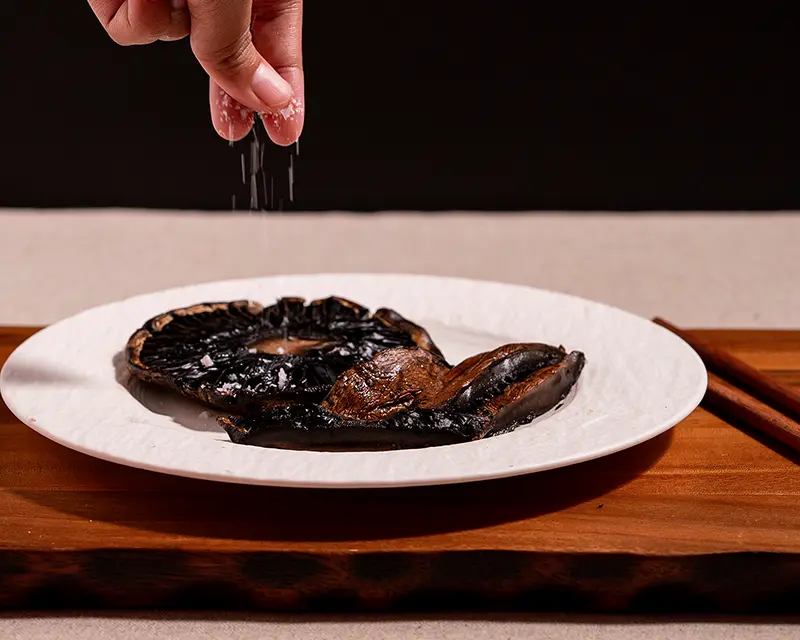
This is where gourmet salts work especially well. Mushrooms already have depth, so the salt can choose the final direction: mineral and clean, darker and sweeter, fermented and savoury, or brighter when the dish needs lift.
Use finishing salt on mushrooms with butter, toast, eggs, rice, noodles, potatoes, roast chicken, steak, game, miso, soy, cream, herbs, or broth. Use less when the dish already has soy sauce, miso, parmesan, anchovy, cured meat, salted butter, or reduced stock.
👩🏻🍳 Finishing Rule: finish mushrooms after browning, after shrinking, and after tasting. The final pinch should deepen the mushroom, not bury it.
Best Finishing Salts for Mushrooms
Choose the finishing salt by how deep, clean, or aromatic you want the mushrooms to taste.
Fermented Mushroom Salt
This is the strongest match for mushrooms. Use it on sautéed mushrooms, mushroom toast, eggs, rice, noodles, potatoes, roast chicken, steak, game, broth, cream, miso, soy, or buttered vegetables.
It may sound strange to add mushroom salt to mushrooms, but it works because it does not simply repeat the flavour. It concentrates the savoury side. Used lightly, it makes browned mushrooms taste longer, deeper, and more complete. Use too much and the dish can turn heavy, so treat it like an amplifier, not a blanket.
Black Garlic Salt
Use on deeply browned mushrooms, mushroom toast, steak, roast chicken, potatoes, eggs, miso butter, soy-glazed mushrooms, or darker savoury plates. It adds sweetness and depth, especially when the mushrooms are already roasted, grilled, or browned.
Artisan Mineral Salt
Use when the mushrooms are delicate or already carrying strong flavour from butter, broth, soy, miso, cream, herbs, or stock. It gives clarity and texture without changing the direction of the dish.
Herb Salt
A thyme salt, rosemary salt, parsley salt, or sage salt is one of the most natural mushroom pairings. It works with buttered mushrooms, eggs, toast, potatoes, roast chicken, cream, pasta, and autumn dishes. The herb lifts the mushroom without pulling it away from its foresty, savoury character.
👨🏽🍳 Salt Pairing Rule: use fermented mushroom salt for depth, black garlic salt for darker savoury plates, artisan mineral salt for clarity, herb salt for aromatic lift.
Frequently Asked Questions About Salting Mushrooms
Should you salt mushrooms before cooking?
Not when you want them browned. For sautéed, roasted, or grilled mushrooms, salt near the end, after most of the moisture has cooked off and the mushrooms have started to colour. Salt earlier when the mushroom liquid belongs in the dish, such as soup, sauce, broth, risotto, ramen, or hot pot.
When should you salt sautéed mushrooms?
Salt sautéed mushrooms once the pan has dried out and the mushrooms have started to brown. If you salt too early, they can release water before the surface has colour, which makes them steam instead of brown.
How do you sauté mushrooms without them getting watery?
Use a hot pan, give the mushrooms enough space, and wait before salting. Let the mushrooms release moisture first, then let that moisture cook off. Once the edges start to brown, add salt and finish the dish.
Use the Same Timing Logic Elsewhere
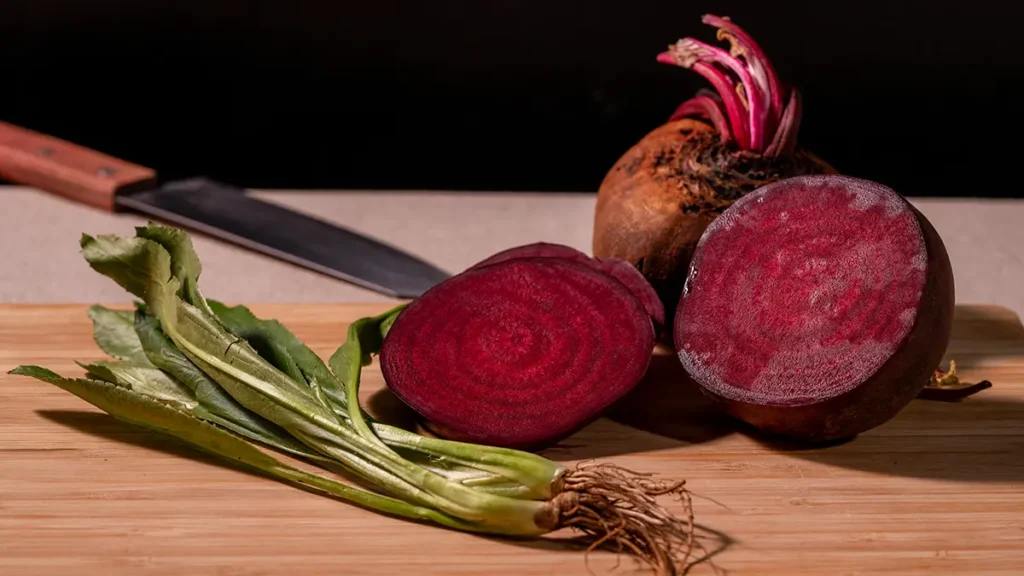
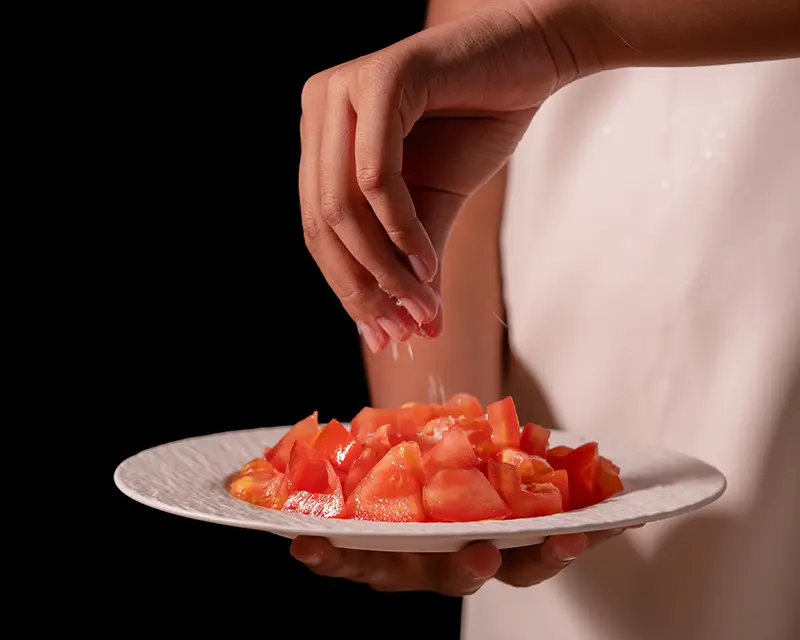
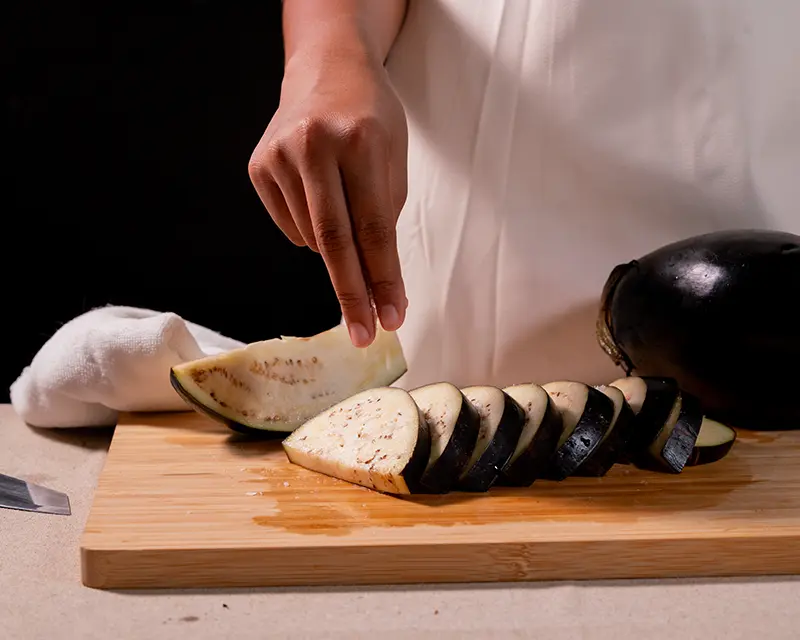
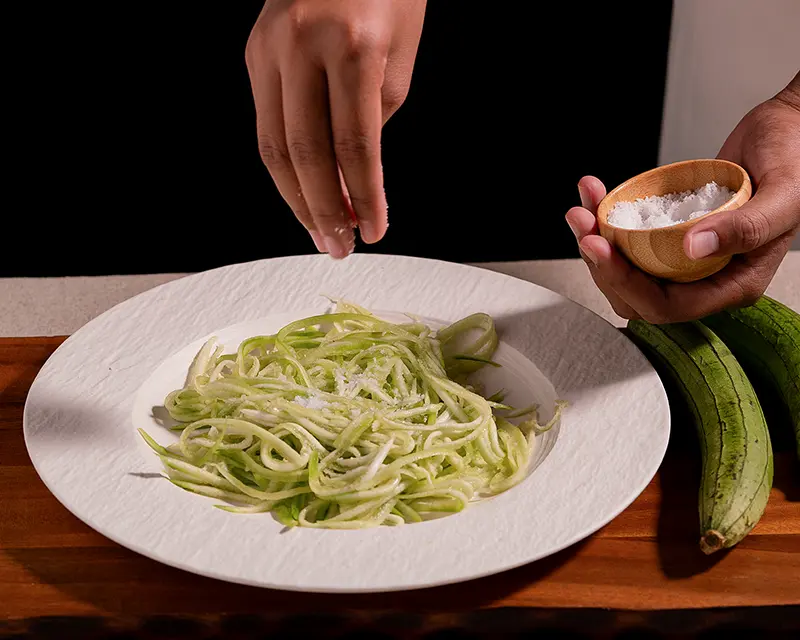
Once you understand when to salt mushrooms, the same timing logic applies to other ingredients with a lot of moisture: salt earlier when you want their juices in the dish, and salt later when you want the surface to brown, crisp or stay clean.
Technique and Foundations
Join the Maison Kojira Letter
Eat sharper. Host better. Be more present. Get practical notes on flavour, ingredients and the small details that make food worth sharing.