How to Salt Zucchini or Courgette Before It Goes Wrong
Zucchini, also called courgette, looks simple because it cooks so quickly. That is exactly why it goes wrong so often.
It is full of water, and once heat starts pulling that water out, the dish can change fast: roasted slices turn soft before they brown, fritters loosen in the pan, grilled pieces go limp, and a simple summer plate starts tasting thin.
Salt gives you control over that water. Salt zucchini before cooking when the water would get in the way: grated zucchini for fritters, thick slices for roasting, ribbons for salad, or pieces that need to brown instead of steam. Salt, wait, squeeze or pat dry, then cook.
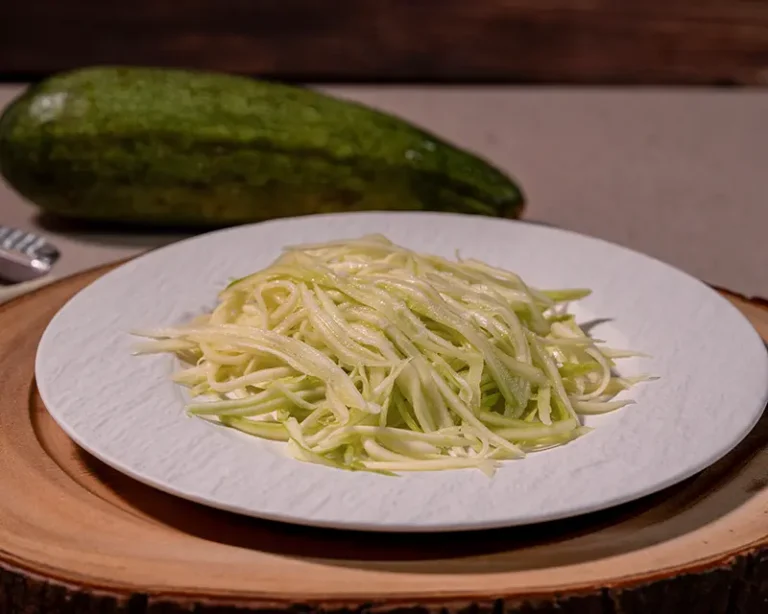
For quick high-heat cooking, small pieces, or a dish where the zucchini should stay soft and fresh, you may not need to salt ahead. Cook it properly, then season as the dish comes together.
This is why zucchini belongs so naturally to summer cooking. It grows fast, arrives in abundance, and works with olive oil, basil, mint, lemon, ricotta, tomato, aubergine, peppers, fish, and herbs. In Italian markets, even the flowers are used: stuffed, fried, or folded into simple dishes.
The trick is deciding where the water should go: out before cooking, off during cooking, or never onto the plate.
👩🏻🍳 Salt Rule: salt zucchini before cooking when you need water out. Season during or after cooking when you want it quick, sweet, and fresh.
The Three Ways Zucchini Goes Wrong
Zucchini usually goes wrong in one of three ways. Decide which problem you are solving before you salt.
It Turns Watery
Grated zucchini, thick slices, gratins, roasting trays, fritters, and anything that sits too long before serving.
What Happens
Salt and heat pull water from the zucchini. If that water stays in the dish, the result tastes thin, wet, and diluted.
What To Do
Salt first, wait until moisture appears, then squeeze or pat dry before cooking.
It Turns Limp
Thin slices, crowded pans, low heat, overcooked ribbons, and zucchini salted too early for a fresh dish.
What Happens
The zucchini loses structure before it has time to brown or stay fresh. Instead of soft and sweet, it becomes slack.
What To Do
Use higher heat, avoid crowding, let the pieces sit long enough to colour, and season closer to serving.
It Tastes Sweet But Flat
Properly cooked zucchini that has colour, softness, or freshness, but still feels dull on the plate.
What Happens
The water is under control, but the flavour has no edge. The zucchini tastes mild instead of alive.
What To Do
Finish with a small pinch of salt, then add lemon, herbs, yoghurt, ricotta, olive oil, fish, or toasted nuts.
👨🍳 Kitchen Rule: solve the right problem: water before cooking, limpness during cooking, or flatness at the end.
When You Should Salt Zucchini Before Cooking
Once you know which problem you are solving, the timing becomes simple. Salt zucchini before cooking when you do not want its water released into the pan, batter, tray, or salad bowl.
That matters most in four cases.
For fritters, grated zucchini needs salting because it holds more water than it looks. Salt it, wait a few minutes, then squeeze it hard. If you skip that, the mixture loosens, the pan spits, and the fritters turn soft instead of crisp at the edges.
For roasting, thick zucchini slices can release water before they brown. Salt them lightly, wait until moisture appears, then pat them dry before adding oil. That gives the slices a better chance to roast instead of sitting in their own liquid.
For raw zucchini ribbons or salads, a short salt rest softens the ribbons and seasons them before dressing. This works well with olive oil, lemon, mint, basil, ricotta, yoghurt, fish, or toasted nuts. Keep the rest short if you still want freshness.
For gratins, tian, or baked layers, salting first helps stop zucchini from flooding the dish while it cooks. This matters when zucchini sits beside tomato, aubergine, peppers, cheese, cream, or breadcrumbs.
👨🏽🍳 Salt Rule: salt zucchini before cooking when you want the water out before it reaches the dish. Grate, slice, salt, wait, squeeze or pat dry, then cook.
When You Can Skip Salting Zucchini
You do not need to salt zucchini ahead every time.
If the pieces are small, the pan is hot, and the dish is quick, salting first can be extra work without much reward. Thin slices, small cubes, or quick sautéed zucchini can go straight into the pan with oil, then be seasoned as they cook.
Skip early salting when you want the zucchini soft, sweet, and simple: folded into pasta, cooked quickly with garlic and olive oil, grilled in thin slices, or served warm with herbs, ricotta, yoghurt, lemon, or fish.
This is where zucchini starts to feel like summer food. Italian and Provençal kitchens understand that well: courgette with basil, mint, tomato, aubergine, peppers, olive oil, grilled fish, or a little cheese. Even the flowers are used when they are available, stuffed or fried because the plant gives more than just the vegetable.
If water is not going to ruin the dish, you do not need to fight it in advance. Cook the zucchini well, then season it when it tastes sweet but still a little flat.
👩🏾🍳 Salt Rule: skip early salting when the zucchini is small, quick, or meant to stay soft. Season during cooking, then finish at the end if it needs lift.
How To Salt Zucchini or Courgette Before Cooking
Cut or grate the zucchini first. Salt works best once the zucchini is opened up. Grated zucchini gives up water quickly. Thick slices take longer. Ribbons only need a few minutes before they soften and become easier to dress.
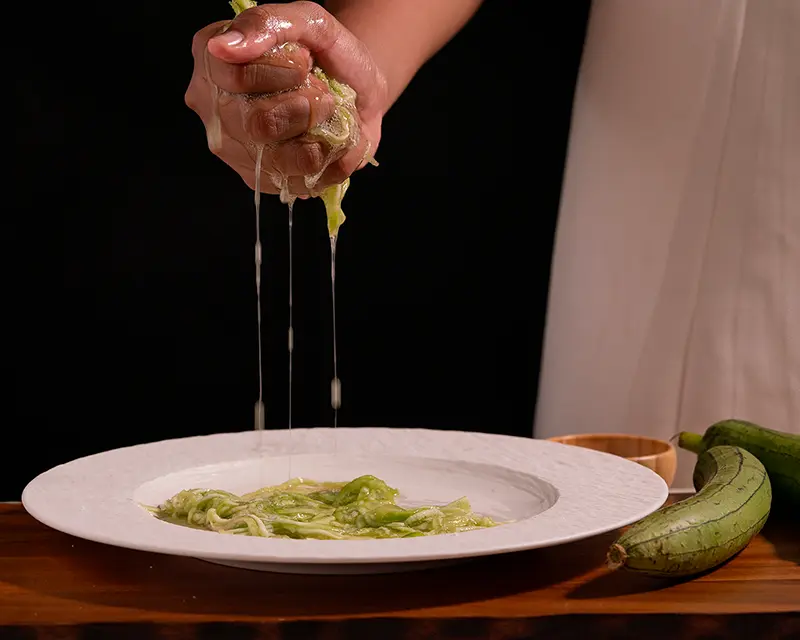
For fritters, grated zucchini is the moment where salting makes the biggest difference. Add a light pinch of salt, toss, and wait 10 to 15 minutes. Then squeeze it hard with your hands, a clean towel, or cheesecloth. The water that comes out explains why so many zucchini fritters turn soft before they crisp.
For roasted or grilled slices, salt the cut sides lightly and wait 15 to 20 minutes. When the surface starts to glisten, pat the zucchini dry before adding oil. Now the heat has a better chance to brown the flesh instead of chasing off water first.
For ribbons or raw salads, be gentler. A few minutes with salt is enough to soften the zucchini and make it ready for olive oil, lemon, mint, basil, ricotta, yoghurt, fish, or toasted nuts. You still want freshness, not limp ribbons.
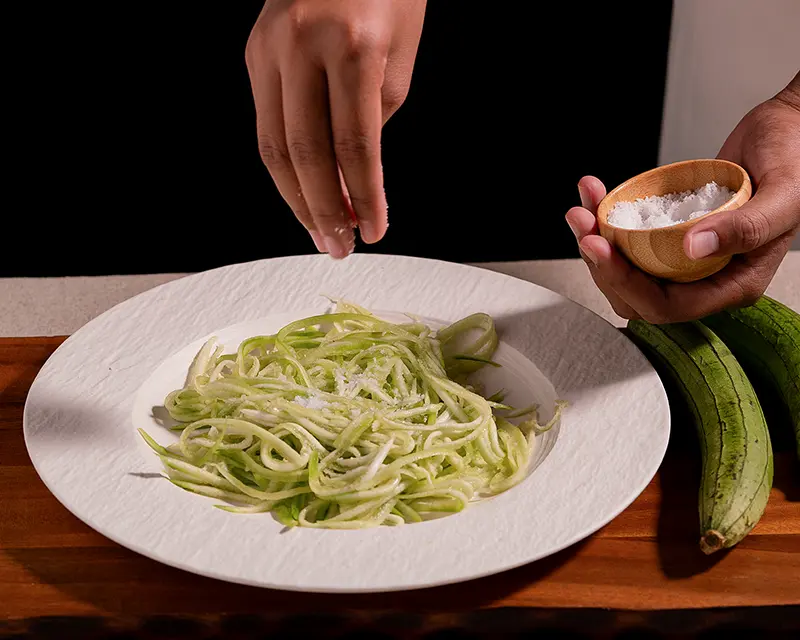
Most of the time, you do not need much salt. The goal is not to make zucchini taste salty. The goal is to move some water out before it weakens the dish.
👨🏼🍳 Method Rule: cut or grate, salt lightly, wait until water appears, then squeeze or pat dry before cooking.
Cook With Better Timing
Join the Maison Kojira Letter for practical notes on salt timing, water, heat and the small decisions that keep simple food from going flat.
Grilled, Roasted, and Summer Zucchini
Zucchini is at its best when it still tastes like summer. That can mean grilled slices with olive oil and mint, roasted pieces with basil and lemon, courgette folded into pasta with ricotta, or a Provençal-style tray with tomato, aubergine, peppers, garlic, and herbs.
This is also where salting becomes a judgement call.
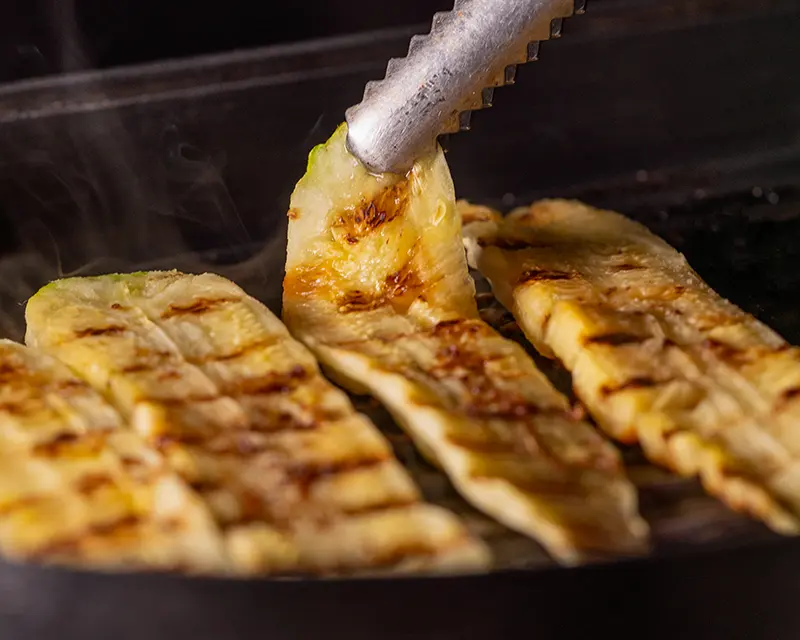
For thick slices or pieces that need colour, salt before cooking, wait until moisture appears, then pat dry before adding oil. The zucchini has a better chance to brown, and the finished dish tastes sweeter instead of wet.
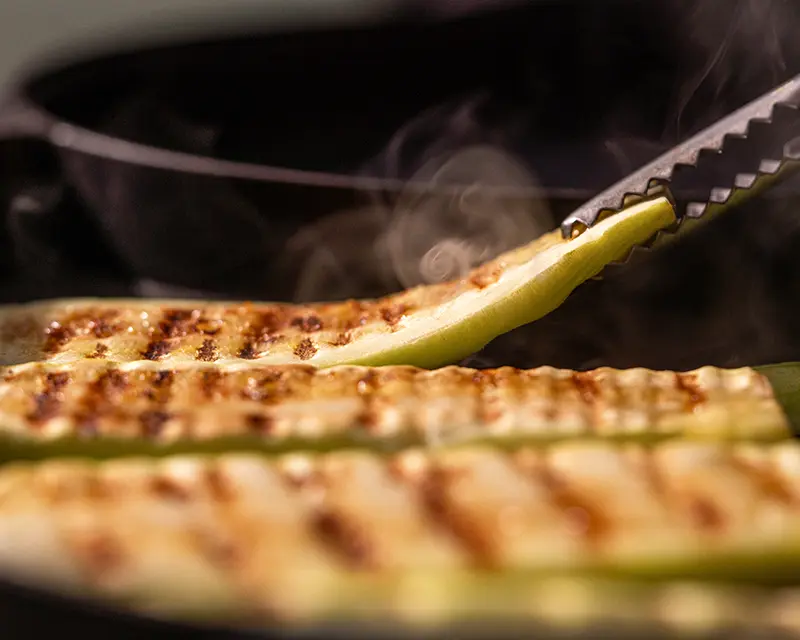
For thin slices on a hot grill or in a hot pan, you can often skip the early salting. Cook them quickly, let them take colour, then season while they are still warm. Add olive oil, lemon, herbs, yoghurt, ricotta, fish, or toasted nuts depending on where the plate is going.
Zucchini flowers belong to the same world. In Italian cooking, the flowers are treated as part of the plant’s gift: stuffed, fried, or added to simple summer dishes. They are delicate, so they need less salt than the fruit itself. Season the filling or batter carefully, then finish lightly.
👩🏽🍳 Summer Rule: salt zucchini before cooking when water would stop browning. Skip the early salt when the pieces are thin, the heat is high, and you want the zucchini sweet, quick, and fresh.
When Finishing Salt Belongs on Zucchini
Grilled slices, roasted pieces, raw ribbons, fritters, courgette flowers, and summer vegetable plates all benefit from a last pinch because zucchini is mild, sweet, and full of water. Even when cooked well, it can taste a little soft around the edges.
Finishing salt gives it a cleaner bite.
Use it on grilled zucchini with olive oil and mint, roasted zucchini with basil and lemon, zucchini ribbons with ricotta or yoghurt, fritters with herbs, courgette flowers, pasta, fish, eggs, or a tray of tomato, aubergine, peppers, and garlic.

This is where gourmet salts change the dish quickly: preserved lemon salt makes zucchini brighter, artisan mineral salt keeps it clean and precise, saffron salt adds warmth to courgette flowers, rice, seafood, or ricotta, and black garlic salt works when the zucchini is roasted darker or served with mushrooms, miso, steak, or eggs.
Add finishing salt while the zucchini is still warm, or just before serving. Use less if the dish already contains feta, parmesan, anchovy, capers, soy sauce, miso, or a salty dressing.
👨🏽🍳 Finishing Rule: use finishing salt when zucchini tastes sweet but a little flat, or when the dish needs brightness, texture, warmth, or depth.
Best Finishing Salts for Zucchini or Courgette
Choose the finishing salt by the way the zucchini is cooked and what sits beside it.
Preserved Lemon Salt
Use on grilled zucchini, raw ribbons, courgette with olive oil, mint, basil, yoghurt, ricotta, fish, tomato, or summer salads. This is the best choice when zucchini tastes sweet but needs brightness.
Artisan Mineral Salt
Use on simple roasted zucchini, grilled slices, courgette flowers, eggs, olive oil, pasta, or plates where the zucchini itself should stay clean and fresh. It gives clarity, texture, and a precise final edge.
Black Garlic Salt
Use on darker roasted zucchini, grilled zucchini with mushrooms, miso-style zucchini, steak, roast chicken, lentils, potatoes, or eggs. Skip it on light raw ribbons or delicate courgette flowers.
👩🏽🍳 Salt Pairing Rule: use preserved lemon salt for brightness, artisan mineral salt for clarity, saffron salt for warmth, and black garlic salt when the zucchini is roasted darker or deeply savoury.
Frequently Asked Questions About Salting Zucchini or Courgette
Should you salt zucchini before cooking?
Salt zucchini before cooking when excess water would weaken the dish. This is useful for fritters, thick roasted slices, gratins, tian, raw ribbons, or anything that needs to brown instead of steam. For quick high-heat cooking, you can often skip the early salting and season as you cook.
How long should you salt zucchini?
For grated zucchini, 10 to 15 minutes is usually enough before squeezing. For slices or wedges, wait 15 to 20 minutes, then pat dry before adding oil or heat. For ribbons or raw salads, a few minutes is enough.
How do you stop zucchini from becoming watery?
Cut or grate it, salt lightly, wait until water appears, then squeeze or pat dry. This is especially important for fritters, baked layers, and roasted slices.
Should you salt zucchini before roasting?
Yes, if the slices are thick or watery. Salt lightly, wait until the surface glistens, pat dry, then add oil and roast. If the pieces are thin and the oven is hot, you may not need to salt ahead.
What finishing salt works best on zucchini?
Use preserved lemon salt for brightness, artisan mineral salt for a clean finish, saffron salt for courgette flowers, rice, ricotta, seafood, or egg, and black garlic salt for darker roasted zucchini or savoury dishes with mushrooms, miso, steak, or eggs.
More Guides on Water, Browning and Final Salt
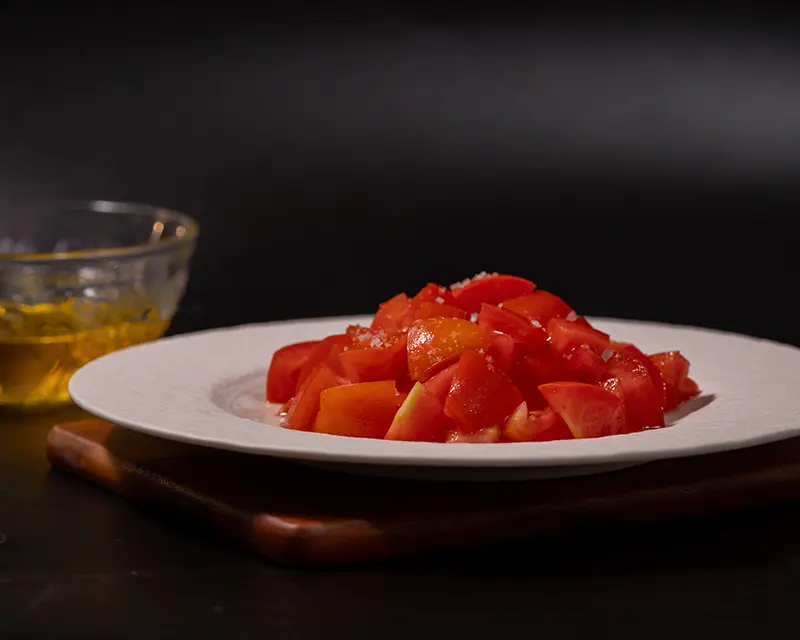
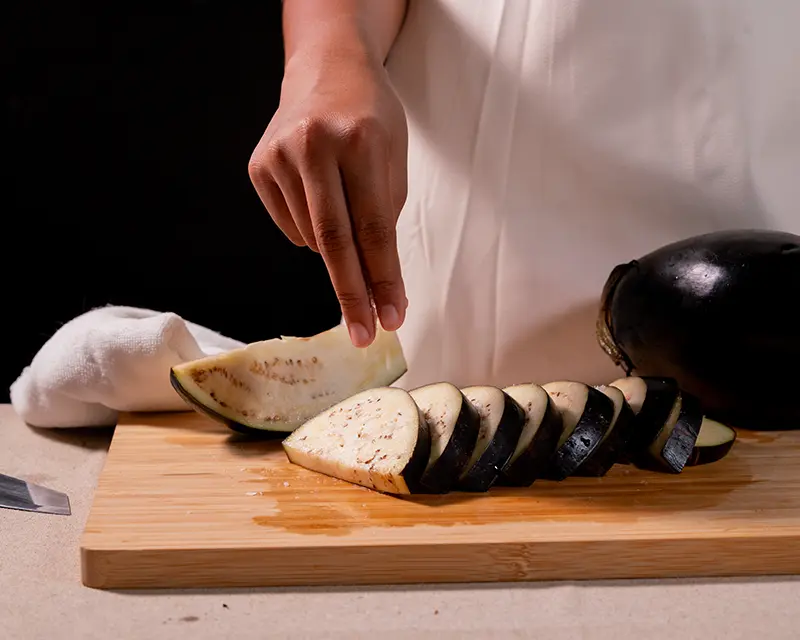
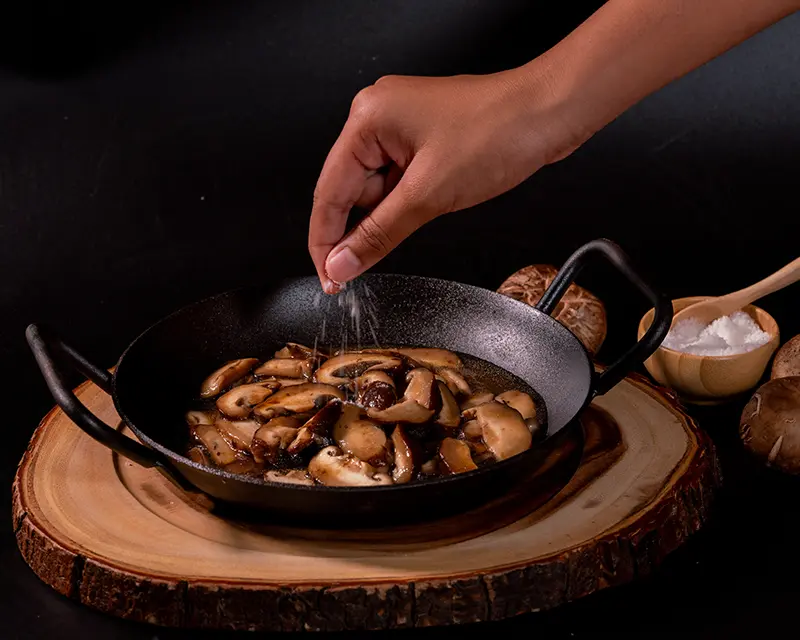
Zucchini is one of the clearest examples of salt timing: remove water when it gets in the way, wait when freshness matters, and finish late when the cooked vegetable needs lift. These guides continue the same logic across tomatoes, aubergine, mushrooms, vegetables and browning.
Technique and Foundations
Join the Maison Kojira Letter
Eat sharper. Host better. Be more present. Get practical notes on flavour, ingredients and the small details that make food worth sharing.