Why Salt Makes Food Taste Better: 7 Surprising Effects
Why salt makes food taste better is more surprising than it sounds. Salt does not simply add saltiness. It changes what your tongue notices first, what fades into the background, and which flavours feel clearer, sweeter, deeper or more complete.
This is why a tomato tastes more like a tomato after salting, chocolate tastes deeper with a pinch of salt, and mushrooms or meat taste more savoury when properly seasoned.

Understanding why salt makes food taste better helps you season with more control, because it shows that salt is changing perception, not simply adding a salty taste.
The Surprise Is Not Saltiness
Saltiness is one of the fundamental tastes detected by the human tongue.
When salt dissolves in saliva, it creates the sensation we recognise as salty. This gives food its baseline seasoning. Without enough salt, many ingredients taste flat or incomplete. With too much, saltiness dominates and makes the food harsh.
Most of this effect comes from sodium itself. Trace minerals in natural salts can add faint mineral, bitter or rounded notes, but they do not define saltiness in the same direct way.
Why Salt Makes Food Taste Better: 7 Ways Salt Changes Taste
The surprise is not that salt tastes salty. The surprise is that salt changes what your tongue notices. It can make some flavours quieter, others clearer, and the whole dish feel more complete.
1. Salt Softens Bitterness
This is one of the strangest things salt does. Salt can make bitter foods taste less harsh without removing the bitter compounds themselves. Dark greens, cacao, coffee, olives and Brussels sprouts can all become more balanced with proper seasoning.
2. Salt Lifts Sweetness
Sweetness can become clearer with a small pinch. Fruit, chocolate, caramel, carrots and tomatoes often taste sweeter and more rounded when salt is used carefully.
3. Salt Amplifies Umami
Savoury foods can taste deeper. Mushrooms, tomatoes, aged cheese, broths, fermented foods and meats become more satisfying when salt brings their umami forward.
4. Salt Balances Acidity
Sharpness can become structure. Citrus, vinegar, tomatoes and fermented foods still taste bright, but salt helps the acidity feel rounder and less aggressive.
5. Salt Makes Fat Taste Richer
Rich foods need definition. Butter, olive oil bread dips, cream, cheese and fatty meat can taste fuller, cleaner and more complete when properly seasoned.
6. Salt Clarifies Flavour
Ingredients become easier to recognise. Instead of tasting blurred or flat, herbs, vegetables, meats and sauces can feel more focused and vivid.
7. Salt Creates Contrast
Small bursts of salt make other flavours stand out. Sweetness, richness, acidity and aroma become more distinct when salt creates contrast on the palate.
Together, these seven effects explain why salt makes food taste better across sweet, savoury, acidic, bitter and rich foods without simply making them taste salty.
Want to Understand Flavour More Clearly?
The Maison Kojira Letter brings you practical notes on salt, ingredients and the small decisions that make everyday food taste better.
1. Why Salt Softens Bitterness
Many foods naturally contain bitter compounds. These include ingredients such as dark leafy greens, cacao, coffee, olives, and certain vegetables such as Brussels sprouts.
Bitterness is an important part of flavour, but when it becomes too strong it can make food taste harsh or unpleasant.
Salt can reduce the perception of bitterness. When a small amount of salt is added, bitter flavours become softer and more balanced. This is why bitter foods often taste better after proper seasoning.
In cooking, this is why bitter greens, cacao, coffee, olives and Brussels sprouts often taste more balanced after proper seasoning. This is one reason why salt is often added to vegetables during cooking. The salt does not remove the bitter compounds themselves, but it changes how the tongue perceives them.
2. Why Salt Enhances Sweetness
Salt can make sweet flavours taste stronger and more rounded.
This effect appears in both sweet and savoury foods. A small pinch of salt can make fruit taste sweeter, improve the flavour of chocolate or caramel, and bring out the natural sweetness in vegetables such as carrots or tomatoes.

Salt does not add sweetness itself. Instead, it changes how the tongue perceives sweet compounds that are already present in the food. This is why desserts often contain a small amount of salt even when the dish is primarily sweet. The salt helps balance the flavour and allows the sweetness to stand out more clearly.
This is why salted caramel works and why chocolate often tastes deeper with salt rather than simply saltier.
3. Why Salt Amplifies Umami
Salt can strengthen savoury flavours in food. This effect is most noticeable in ingredients that naturally contain compounds associated with umami.
Foods such as mushrooms, tomatoes, aged cheese, fermented products, and cooked meats often taste richer and more savoury once they are properly salted.
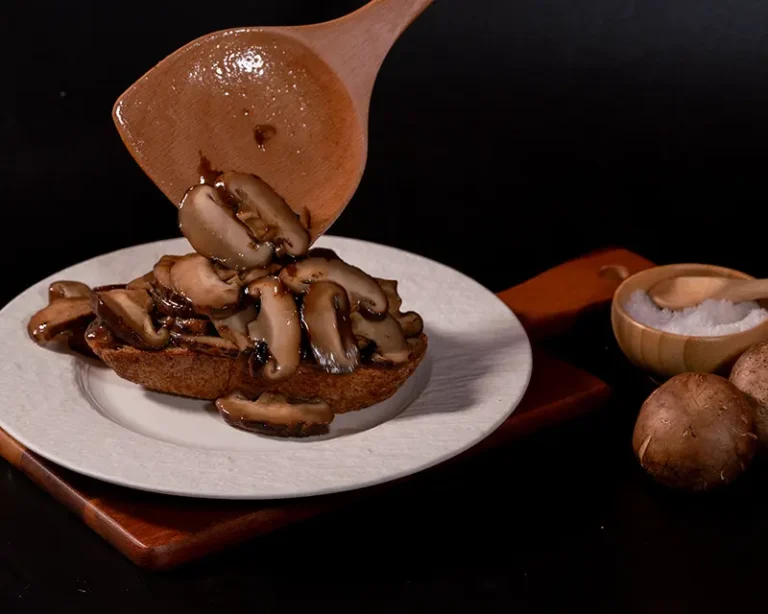
Salt does not create umami on its own. It strengthens the perception of savoury compounds that are already present in food. When foods containing glutamates are properly salted, the two work together to produce the deep savoury flavour known as umami. This is why salt is essential in broths, sauces, and slow-cooked dishes. Without enough salt, the savoury character of the food remains muted.
4. How Salt Balances Acidic Foods
Acid is an important part of flavour. Ingredients such as citrus, vinegar, tomatoes, fermented foods, and wine add brightness and freshness to a dish. But when acidity becomes too dominant, food can taste sharp or overly sour.
Salt helps moderate this effect. When a small amount of salt is added to acidic foods, the sourness often feels softer and more balanced. The acidity is still present, but it becomes less aggressive on the palate. This is why acidic dishes are almost always seasoned with salt. Tomato sauces, vinaigrettes, pickles, and citrus-based preparations all rely on the interaction between salt and acid to reach a balanced flavour. Without salt, the acidity can feel thin and overly sharp.
Salt does not remove the acid from the food. Instead, it changes how the tongue perceives the sour taste signal. As saltiness is detected alongside acidity, the overall flavour becomes rounder and more integrated.
In practice, salt allows acidity to contribute brightness and structure without overwhelming the rest of the dish. A vinaigrette without enough salt can taste thin and sharp. Add salt, and the acidity starts to feel structured rather than aggressive.
5. Why Salt Makes Fat Taste Richer
Fat gives food richness, but without salt that richness can taste heavy, dull or blurred. Ingredients such as butter, olive oil, cream, cheese, and fatty cuts of meat all rely on fat to create a satisfying mouthfeel. On its own, however, fat often tastes muted.
Salt helps bring out the flavour of fatty foods. When salt is added to dishes containing fat, the richness becomes more noticeable and the flavour feels fuller and more satisfying.
One reason is that salt enhances the savoury and aromatic compounds that are often dissolved in fat. Many flavour molecules are fat-soluble, meaning they dissolve easily in oils and fats during cooking. Salt helps these flavours become easier to perceive on the palate.
Salt also sharpens the overall flavour balance of rich foods. Without salt, dishes that contain a lot of fat can taste heavy or dull. Proper seasoning introduces contrast and definition, allowing the richness of the fat to feel more vivid rather than overwhelming.
This interaction explains why fatty foods are almost always seasoned with salt. Butter on bread, olive oil on vegetables, avocado, egg yolk, roasted meats, cheese, and creamy sauces all rely on salt to make their richness taste complete.

6. How Salt Clarifies Flavour
Salt can make the individual flavours in a dish easier to recognise. When food is properly seasoned, ingredients often taste more distinct and defined. Herbs become more aromatic, vegetables taste more like themselves, and savoury ingredients develop greater depth.
Without enough salt, flavours tend to blur together. The dish may taste dull or indistinct even when it contains many different ingredients. A small amount of salt often changes this immediately, making the existing flavours appear clearer and more vivid.
This effect occurs because salt adjusts the balance between different taste signals on the tongue. By softening bitterness and strengthening other taste signals such as sweetness and umami, salt helps the brain interpret the flavour profile of the food more easily.

In cooking, this is why seasoning is often described as “bringing out” the flavour of ingredients. Salt does not create these flavours. It makes the flavours already present in the food easier for the palate to perceive.
When seasoning is correct, the ingredients of a dish feel more focused and better defined. This is why salt makes food taste better in such different ways: it does not create flavour from nothing, but makes the flavours already present easier to perceive.
7. Why Salt Creates Flavour Contrast
Salt can make certain flavours stand out more strongly by creating contrast.
When saltiness appears alongside sweetness, acidity, bitterness, or richness, the differences between these tastes become clearer to the palate.
This contrast makes flavours feel more vivid and distinct. A small amount of salt sprinkled on sweet foods such as chocolate, caramel, or fruit can make the sweetness taste brighter. In savoury dishes, salt can sharpen the balance between rich fats, acids, and aromatic ingredients.
Because the tongue detects multiple tastes simultaneously, salt changes how the brain interprets the overall flavour profile. Instead of blending into a single uniform taste, the individual flavour components become easier to distinguish.
This is why finishing salts are often used to create moments of contrast in a dish. A few crystals on the surface of a dessert, roasted vegetables, or grilled meat can produce small bursts of saltiness that highlight the surrounding flavours.
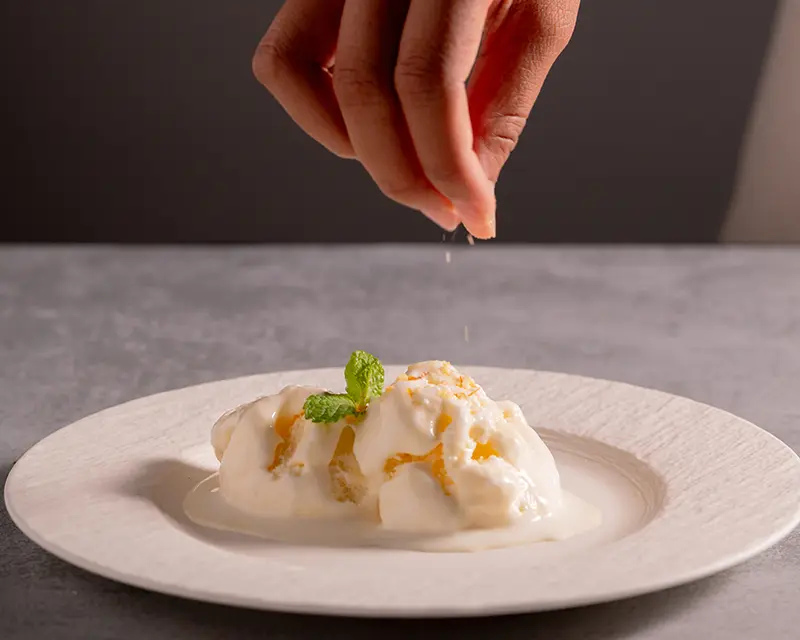
In cooking, this principle helps chefs create balance and complexity. Salt does not simply add its own taste; it also helps define the boundaries between other flavours.
Together, these taste signals explain why salt makes food taste better without simply making food taste salty.
Taste Is One Part of How Salt Changes Flavour
This page focuses on taste: why salt softens bitterness, lifts sweetness, amplifies umami, balances acidity and makes food taste clearer. But taste is only one part of the larger system. Salt also changes aroma, browning, movement, texture and mouthfeel.
How Salt Affects Flavour
The full system
Taste, aroma, browning, texture, movement and mouthfeel: the six ways salt changes food.
How Salt Affects Browning
Cleaner, rounder, more complete
Why surface moisture, heat and timing change crust, colour and roasted flavour.
How Salt Affects Aroma
More flavour reaches your nose
How salt helps aroma rise through steam, fat and moisture before you taste the dish.
How Salt Moves Through Food
Moisture moves, flavour follows
How salt pulls juice to the surface or moves deeper into food over time.
How Salt Affects Texture
Drier surfaces brown better
Why salt can change how food feels depending on timing, moisture and protein structure.
How Salt Affects Mouthfeel
Sharp, smooth, round, lingering
How salt changes the first hit, the spread of flavour and the finish.
Frequently Asked Questions About Why Salt Makes Food Taste Better
Why does salt make food taste better?
Salt improves flavour by changing how the tongue perceives other tastes. This is why salt makes food taste better: it reduces bitterness, enhances sweetness and umami, and helps flavours feel more balanced and complete.
Does salt actually change flavour or just add saltiness?
Salt does both. It adds its own taste, but it also changes how other flavours are perceived, making them clearer, stronger, and better balanced.
Why does food taste flat without salt?
Without salt, many taste signals remain weak or unbalanced. Bitterness can dominate, while sweetness and savoury flavours are harder to detect, making food taste dull or incomplete.
Why does a small amount of salt make a big difference?
Salt is detected very quickly by the tongue and influences multiple taste signals at once. Even a small amount can shift the overall balance of flavour.
Why is salt important in both sweet and savoury food?
Salt enhances existing flavours rather than adding new ones. It makes sweet foods taste sweeter and savoury foods taste deeper and more balanced.
Can salt reduce bitterness in food?
Yes. Salt interferes with bitter taste signals on the tongue, making them less intense and allowing other flavours to come forward.
Can salt ruin flavour if you add too much?
Yes. While small amounts of salt improve balance, too much salt overwhelms other taste signals. Bitterness, sweetness, acidity, and umami become harder to distinguish, and the dish can taste flat or harsh despite being over-seasoned.
What does salt taste like?
Salt tastes clean, mineral and saline. In small amounts, it may not taste strongly salty, but it changes how other flavours are perceived. It can soften bitterness, sharpen sweetness and umami, and make food taste clearer.
Does salt taste bitter?
Pure salt tastes primarily salty. Some natural salts can have faint bitter or mineral notes from trace compounds, especially magnesium or potassium. Food can also taste bitter when too much salt overwhelms the balance of sweetness, acidity and umami.
Join the Maison Kojira Letter
Eat sharper. Host better. Be more present. Get practical notes on flavour, ingredients and the small details that make food worth sharing.