
When to Salt Seafood: 5 Rules for Tender Fish, Shrimp and Shellfish
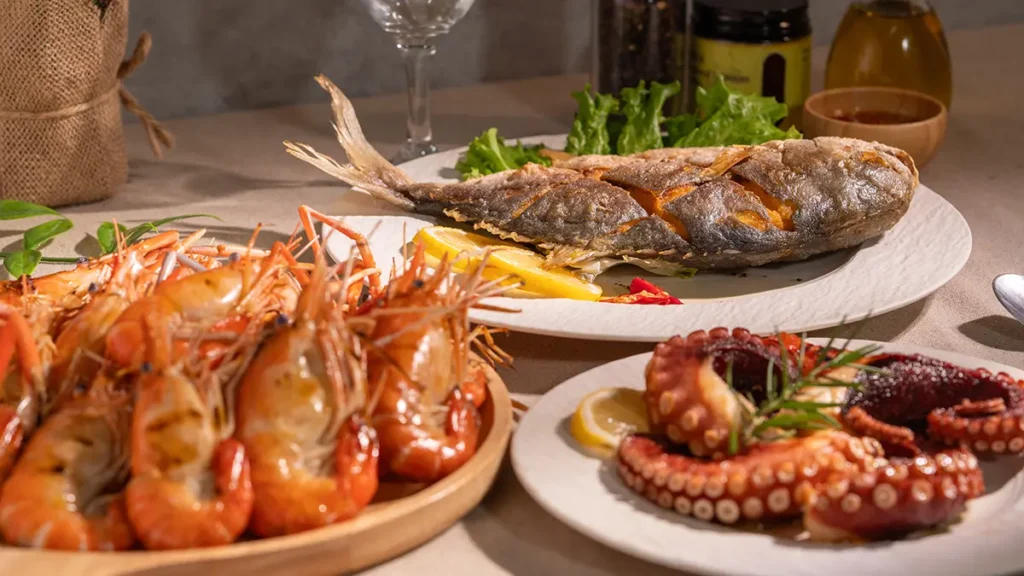
When to salt seafood is not only a question of flavour. It is a question of timing.
Fish and shellfish give you very little room to recover. Salt a fillet too early or too heavily and the surface can release moisture before it reaches the pan. Season scallops too far ahead and they can weep instead of searing. Season shrimp carelessly and they can go from sweet to sharp in one pinch. Oysters, clams and mussels may already bring enough brine before you add anything.
That is why seafood needs a lighter hand than most foods.
The rule is not simply “salt before cooking” or “salt after cooking.” It depends on what you want the salt to do. Sometimes you salt early to firm the surface and help browning. Sometimes you salt at the end because the seafood is delicate, moist, naturally briny, or already cooked. And sometimes the best move is to taste first and add nothing.
At Maison Kojira, we think seafood is one of the clearest tests of salt. Not because it needs more salt, but because it shows whether the salt has control. A good salt should make fish taste cleaner, scallops sweeter, shrimp brighter, and lobster more precise. It should not make seafood taste salty.
👨🏼🍳 Quick answer: when to salt seafood depends on the cooking method. Salt before cooking when you need a drier surface for browning. Salt after cooking when the seafood is delicate, moist, naturally briny, raw, steamed, poached, or already finished with butter, broth, olive oil, or citrus.
The 5 Rules for Salting Seafood
When to salt seafood depends on what the salt needs to do. Is it helping the surface brown, or is it finishing a delicate piece of fish or shellfish at the table? These five rules cover most seafood cooking.
1. Salt Before Cooking Only When It Helps Browning
Use early salt for fish fillets and scallops going into a hot pan or onto the grill.
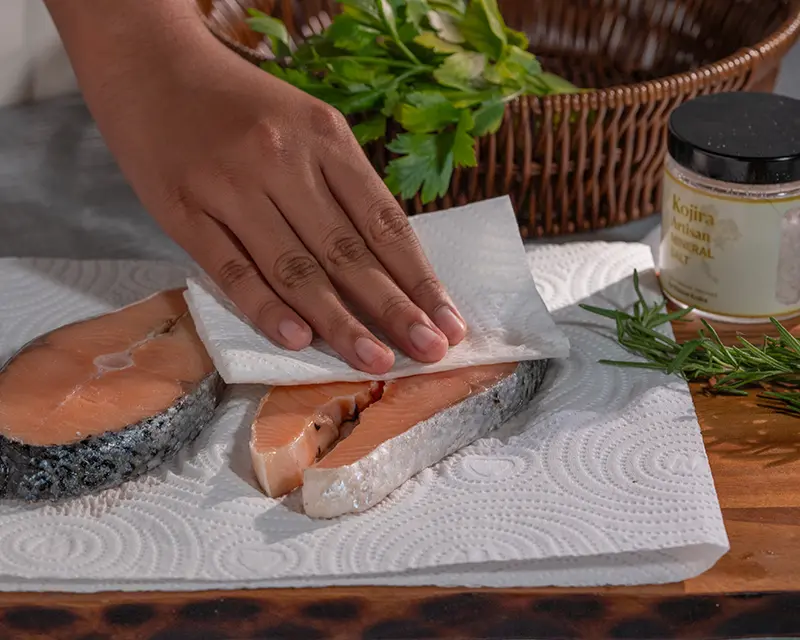
The goal is not heavy seasoning. The goal is a drier surface, better contact with heat, and a cleaner crust. Salt lightly, give it a short rest, then pat the seafood dry before cooking.
2. Salt Delicate Seafood Late
Steamed fish, poached shrimp, lobster, crab, and soft shellfish are easier to control after cooking.
These foods have moist surfaces, so salt dissolves quickly. Add it too early and it disappears into the liquid. Add it at the end and a few crystals can still sharpen the bite.
3. Taste Naturally Briny Seafood First
Oysters, clams, mussels, crab, and caviar may already carry enough salinity.
Taste before adding anything. Sometimes the right amount of salt is none. Sometimes it is one or two crystals, placed carefully.
4. Use Finishing Salt Where It Can Stay on the Surface
Finishing salt works best on dry, warm, or lightly oily seafood.
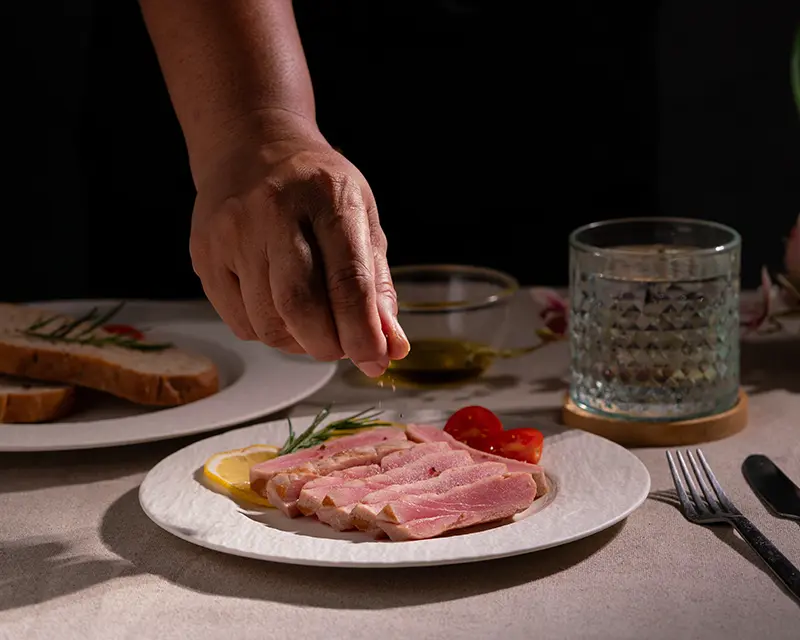
Think seared scallops, grilled fish, shrimp with olive oil, lobster with butter, or octopus from the grill. The crystals should stay visible for a moment before they dissolve. That is where contrast happens.
5. Use Less Salt with Butter, Broth and Shellfish
Butter carries salt quickly. Broth concentrates salinity. Shellfish often bring their own brine.
What tastes balanced in the first bite can become too much by the third. Use less than you think, then taste.
When to Salt Seafood: Before or After Cooking?
Salt seafood before cooking only when timing helps the cooking. For fish fillets, scallops, squid, or octopus going into a hot pan or onto the grill, a light early salt can help firm the surface and support browning. Keep it restrained, rest briefly, then pat the seafood dry before it hits the heat.
Salt seafood after cooking when control matters more than browning. That includes steamed fish, poached shrimp, lobster, crab, oysters, mussels, clams, and anything naturally briny or served with butter, broth, olive oil, or citrus. Add the salt at the end so it stays precise instead of dissolving into the liquid.
So the practical answer is simple: salt before cooking when you need a better surface, and salt after cooking when you need a cleaner finish. With seafood, the wrong timing can make salt disappear, or make it too strong. The right timing lets a small amount do more. This is why deciding when to salt seafood is really a question of moisture control, surface texture, and timing.
When to Salt Seafood by Type
Different seafood needs different timing. The same pinch of salt behaves differently on dry fish skin, wet shrimp, raw oysters, hot scallops, or shellfish in broth.
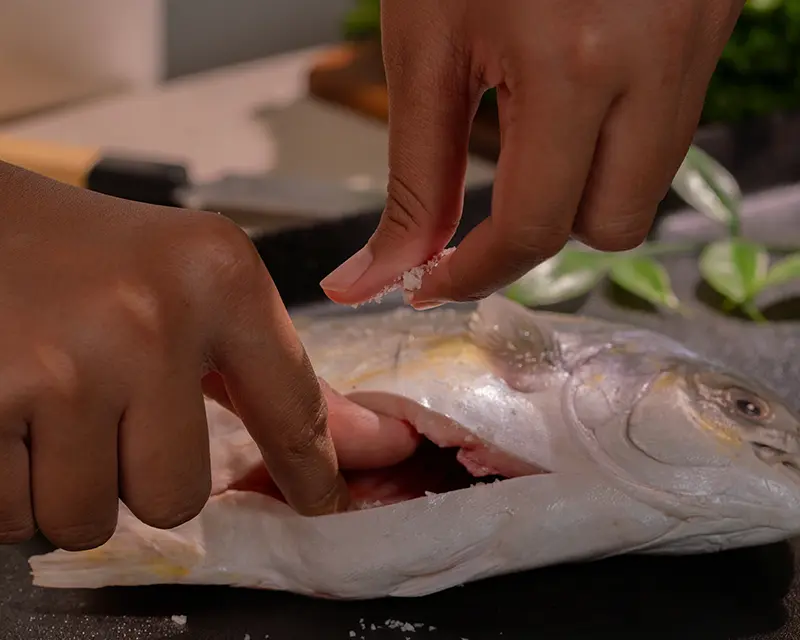
Fish and Fish Fillets
Salt lightly before searing or grilling, then finish after cooking.
Season whole fish in stages rather than relying on salt scattered over the skin. For the full method, see How to Season a Whole Fish, and How to Season Salmon for fatty salmon.
For seared tuna steaks: season lightly just before cooking, then add a final pinch to the freshly sliced centre.
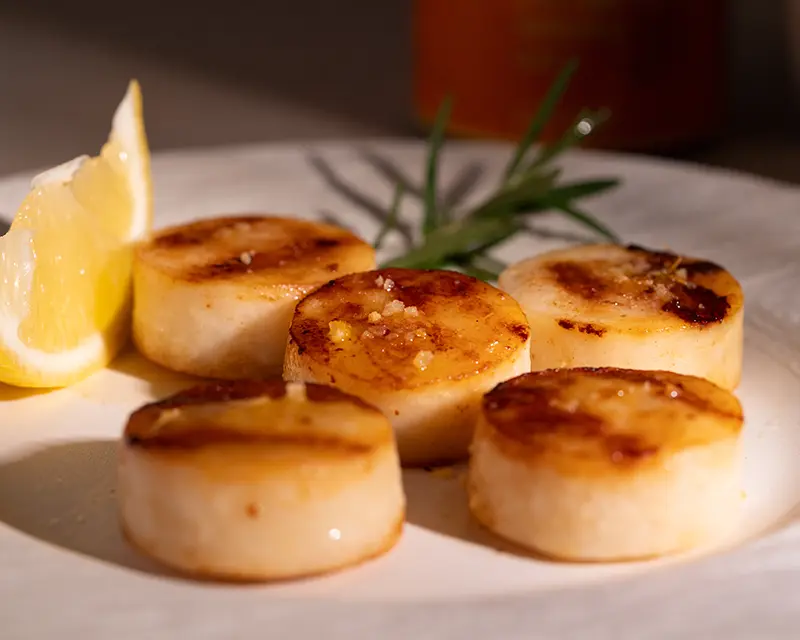
Scallops
Salt just before searing, or after cooking.
Scallops need a dry surface to brown. Salt lightly, cook hot, and avoid leaving them wet before they hit the pan.
For the full method, see How to Season Scallops for Better Flavour
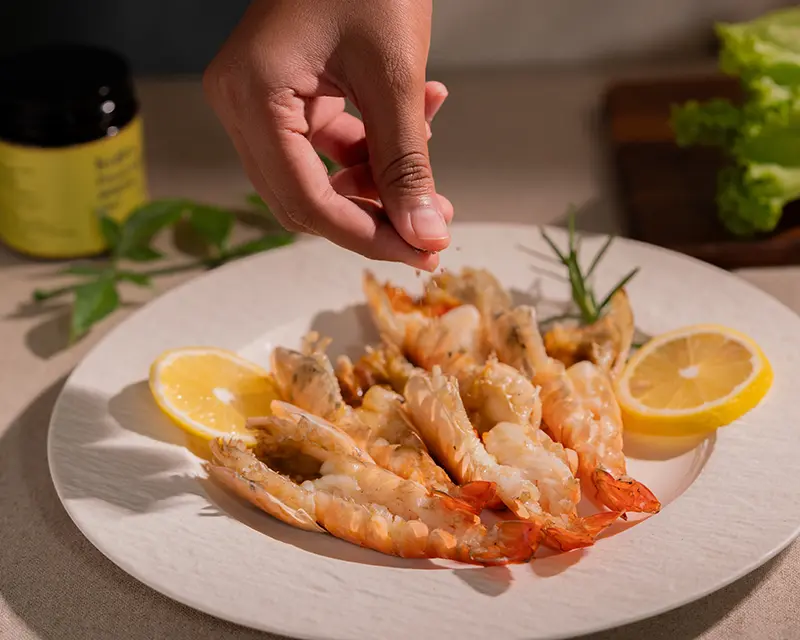
Shrimp and Prawns
Salt lightly at the end, just before grilling, or both.
Shrimp are small and absorb salt quickly. Add too much and their sweetness disappears. For boiled or poached shrimp, season after draining while they are still warm.
For the full method, see How to Season Shrimp
Lobster and Crab
Salt after cooking, especially when butter is involved.
Lobster and crab already carry sweetness and natural salinity. Butter makes salt travel fast, so use a restrained pinch after cooking rather than heavy seasoning earlier.
Oysters and Raw Shellfish
Taste first. Often, do not salt at all.
Oysters, raw clams, and other raw shellfish are already briny. If they need anything, use one or two crystals at the final moment, placed carefully.
Mussels and Clams
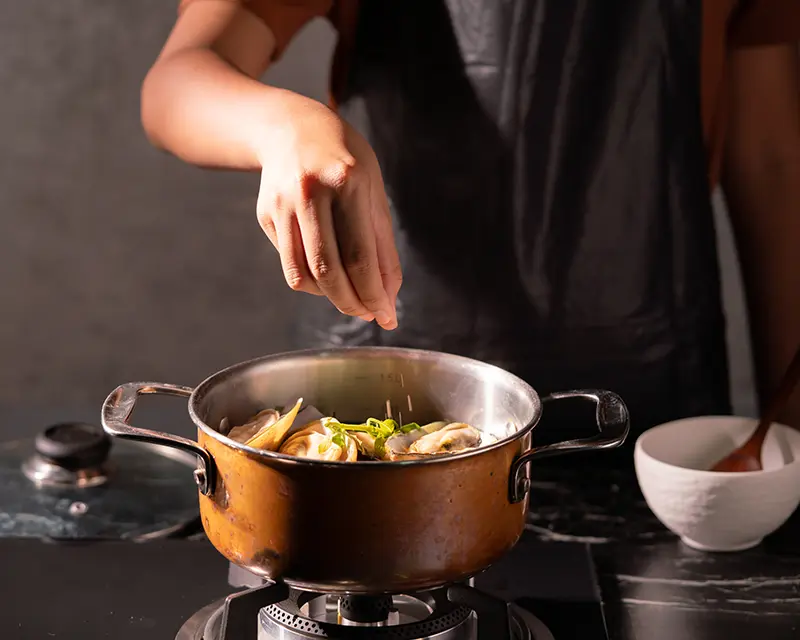
Do not salt the cooking liquid unless it truly needs it.
Mussels and clams release their own salinity into the broth. Salt the finished dish lightly at the end, after tasting the liquid and shellfish together. Check out our delicious mussel recipe, that uses no wine.
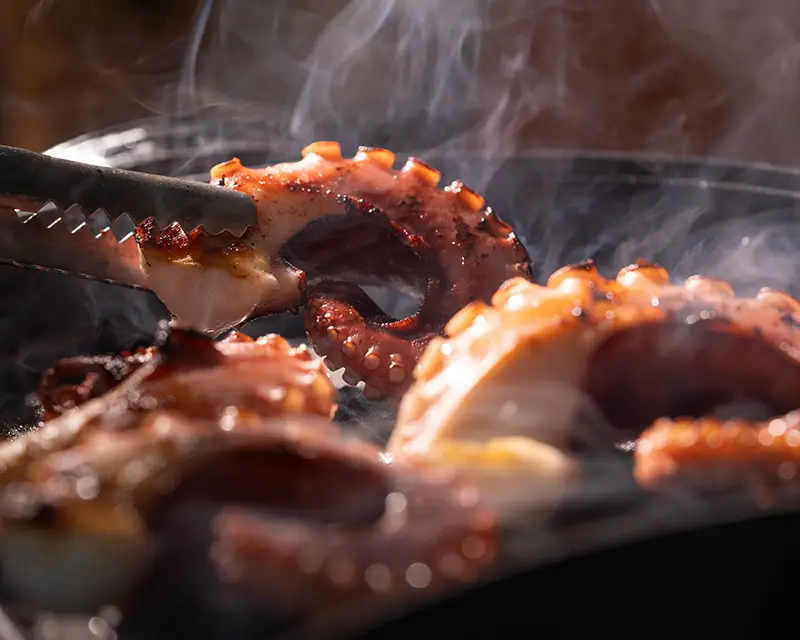
Octopus, Squid and Calamari
Salt after grilling, frying, or crisping.
These have more texture than delicate fish, but the surface still matters. Salt after high heat so the exterior stays defined and the seasoning lands on the bite, not in the pan.
For the full method for octopus, see How to Season Octopus.
Common Mistakes When Salting Seafood
The most common seafood salting mistakes are not dramatic. They are small timing errors that change the texture or make the salt feel stronger than expected.
Salting too far ahead. Fish and scallops can release moisture if salted too early or too heavily. That moisture makes browning harder and can leave the surface soft instead of cleanly seared.
Forgetting to pat seafood dry. Early salt only helps when the surface is dried before cooking. If the fish goes into the pan wet, the heat has to drive off water before it can build colour.
Salting shellfish cooking liquid too early. Mussels, clams, crab and lobster already bring natural salinity. Salt the water or broth too soon and the whole dish can move from briny to salty before you notice.
Using too much salt with butter. Butter carries salt quickly. A pinch that tastes balanced at first can feel too strong once it spreads through melted butter, lobster, crab, scallops or white fish.
Treating oysters like cooked seafood. Raw shellfish is already direct and briny. Taste first. Often the right move is no salt at all.
Serve Food Like You Know What You Are Doing
The Maison Kojira Letter shares the timing, flavour and hosting details that turn ordinary ingredients into food people remember.
Let the Seafood Speak
The best seafood often needs remarkably little: careful cooking, good olive oil or butter, and a final touch of salt that brings its natural sweetness and freshness into focus.
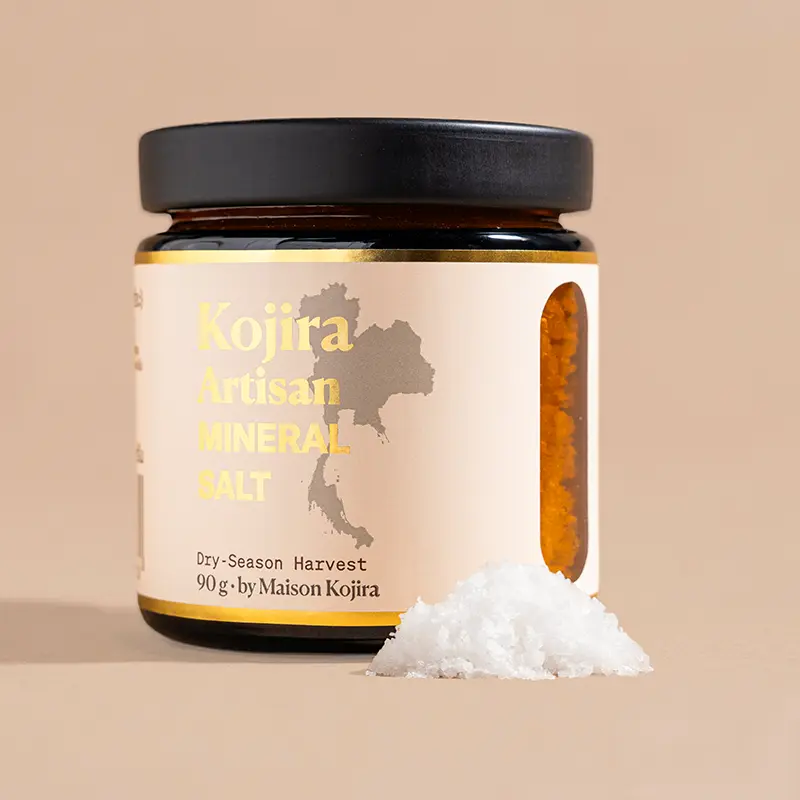
Kojira Artisan Mineral Salt is the choice for delicate flavours. Its soft salinity enhances the sweetness of scallops, shrimp and lobster while allowing the character of fresh fish to remain central. Try a few crystals on pan-seared white fish, grilled prawns or scallops just before serving. It is especially suited to preparations where the seafood deserves all the attention.
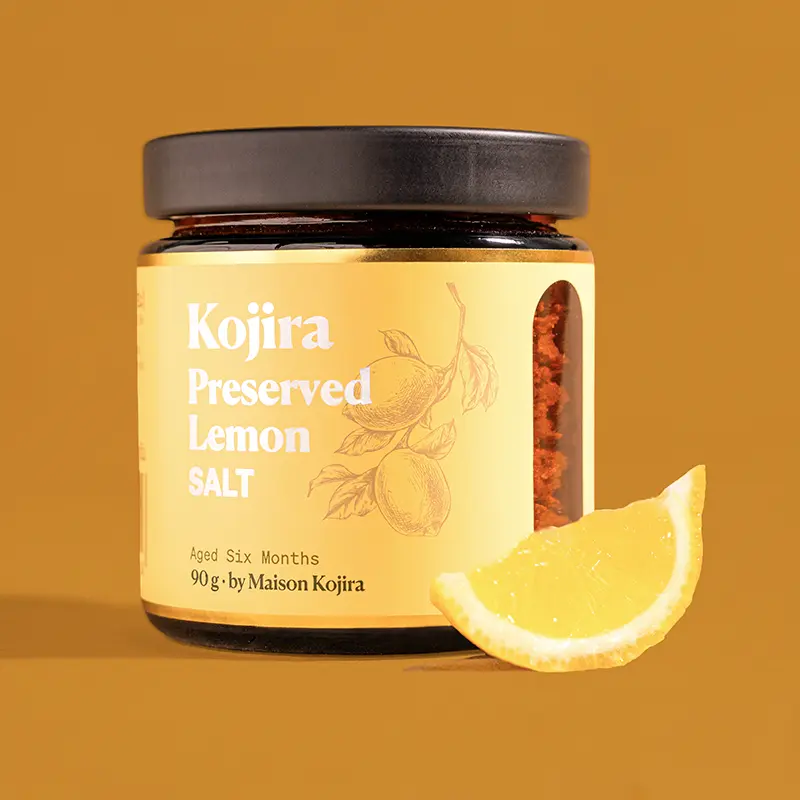
For a brighter, more aromatic finish, Kojira Preserved Lemon Salt brings the concentrated flavour of lemons preserved for six months. Its citrus character complements grilled fish, shrimp with olive oil, buttered scallops and seafood served with fresh herbs. It is particularly appealing when the dish needs a lift of lemon flavour without adding extra liquid.
Both reward restraint. Taste the seafood first, especially naturally briny shellfish, then add a few crystals where they will make the greatest difference. The aim is simple: seafood that tastes fresher, sweeter and more expressive.
Frequently Asked Questions About When to Salt Seafood
These quick answers cover the most common timing decisions: when to salt seafood before cooking, when to salt at the end, and when to leave it alone.
Should you salt fish before or after cooking?
For pan-seared or grilled fish, salt lightly 10 to 15 minutes before cooking, then pat the fish dry before it hits the pan. For steamed, poached, or very delicate fish, salt at the end instead.
Is seafood already salty?
Often, yes. Shellfish, oysters, clams, mussels, crab and some fish already carry natural salinity from the sea. That does not mean they need no seasoning, but it does mean you should taste first and salt lightly. With seafood, the goal is usually definition, not obvious saltiness.
Should you salt shrimp before or after cooking?
For grilled shrimp, you can salt lightly just before cooking. For boiled or poached shrimp, salt after draining while the shrimp are still warm. Shrimp absorb salt quickly, so use a light hand.
Do oysters need salt?
Usually no. Oysters are already briny. When deciding when to salt seafood, oysters are the clearest reminder to taste first. Add one or two crystals only if the oyster tastes flat or needs definition.
More Guides on Salt Timing and Control
Seafood is the delicate end of salting: a small pinch can clean up the flavour, sharpen the surface, or go too far. These guides continue the same logic across meat, vegetables, salt movement and finishing technique.

A Letter From Our Kitchen
A recipe worth trying, an ingredient that surprised us, or a little discovery we couldn’t keep to ourselves.
Once a month, we share our favourites in the Maison Kojira Letter.