Tuna Steak Seasoning: How to Season, Sear & Finish Tuna
Tuna steak is an unusual piece of fish. Thick, firm and richly coloured, it can take the kind of hard sear we normally associate with meat, while its centre remains tender and delicate.
That contrast is what makes tuna so enjoyable to cook. It also makes seasoning more interesting. A pinch of salt on the outside seasons the crust, but a quickly seared tuna steak may still have a largely unseasoned centre. Slice it open and you reveal an entirely new surface, ready for its final seasoning.

Good tuna steak seasoning is therefore about three things: choosing flavours that suit the fish, knowing when to add them, and deciding exactly where you place the salt.
What Is the Best Seasoning for Tuna Steak?
The simplest tuna steak seasoning is mineral salt, freshly ground black pepper and a little oil. Pat the tuna dry, season both sides lightly just before cooking, then sear in a hot pan or on a grill. After cooking, slice the tuna and add a restrained finishing pinch to the freshly exposed flesh.
For more flavour, choose one clear direction:
- Lemon and herbs: bright, fresh and particularly good with olive oil.
- Soy, ginger and sesame: savoury, aromatic and well suited to ahi tuna.
- Garlic and black pepper: warmer and more assertive, especially on grilled tuna.
- Paprika, coriander and chilli: a spiced or blackened tuna steak with a bolder crust.
The most important distinction is between seasoning before cooking, which gives the crust flavour, and finishing after slicing, which seasons the centre you are about to eat.
A Simple Tuna Steak Seasoning for Two
For two tuna steaks of approximately 180 to 200 g each, about 2.5 cm thick, start with:
- Two tuna steaks
- Approximately 1.5 to 2 g of mineral salt in total
- 1 teaspoon of neutral cooking oil
- A little freshly ground black pepper
- Lemon and fresh herbs, such as rosemary or parsley, if desired
- A small additional pinch of finishing salt for serving
This is a starting point for a lightly seasoned tuna steak. Salt crystal sizes vary, so weight gives a more reliable guide than teaspoons. If you plan to serve the tuna with soy sauce, a salty dressing or a strongly seasoned crust, reduce the initial salt.
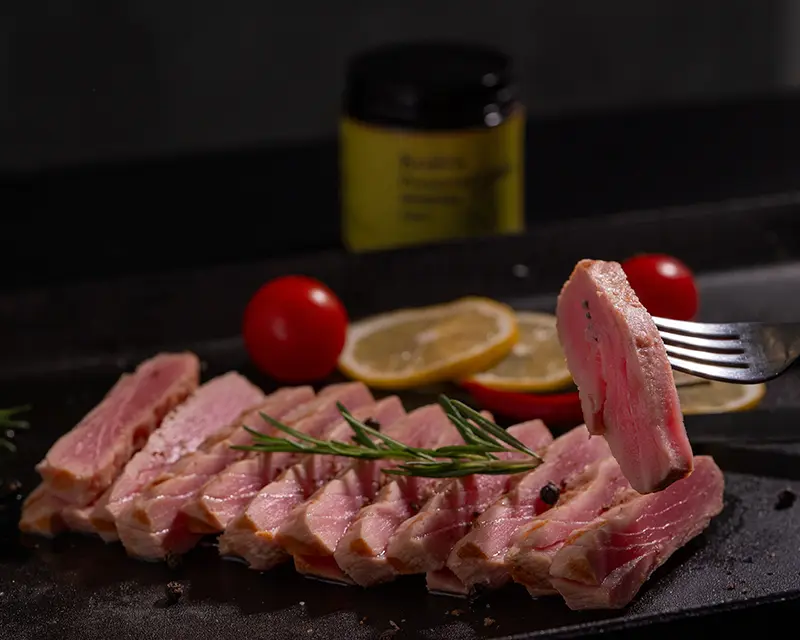
You can make the entire dish with these few ingredients. Alternatively, keep the cooking simple and introduce more character through the finishing salt.
How to Season Tuna Steak Before Searing
1. Dry the Surface Thoroughly
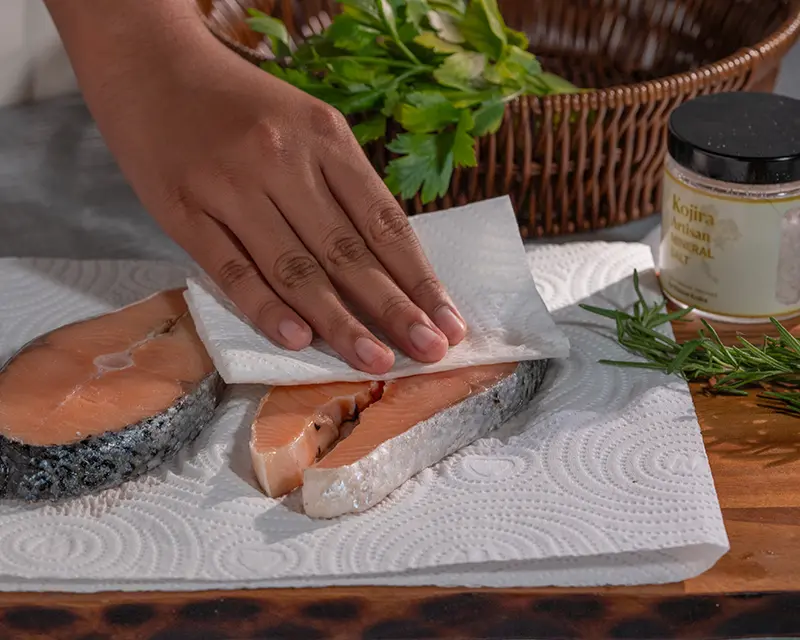
Place the tuna on kitchen paper and gently pat both sides dry. Pay attention to the edges as well as the broad surfaces.
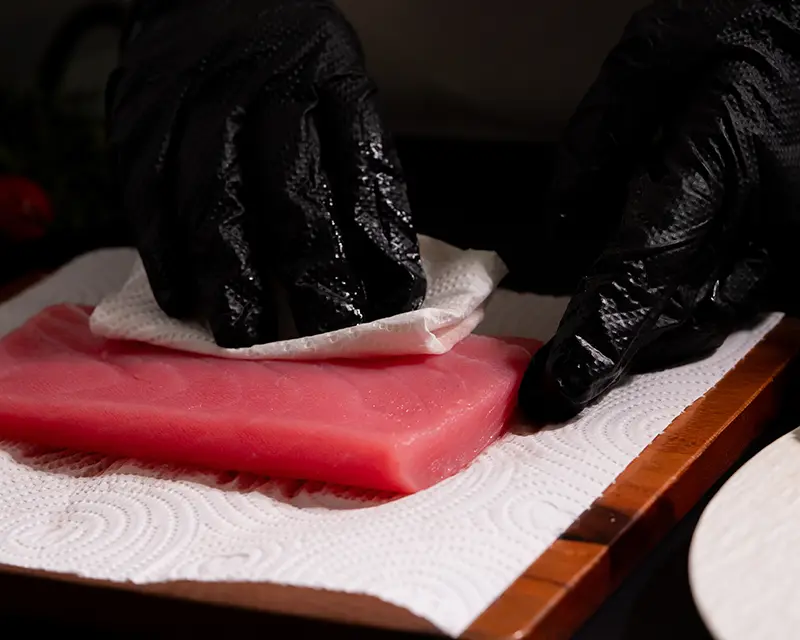
This step matters because surface moisture must evaporate before the fish can brown properly. A wet tuna steak spends its first moments in the pan steaming rather than developing a clean sear.
Drying also helps the seasoning stay evenly distributed. A small amount of salt on a dry surface is easier to control than salt disappearing into pools of surface moisture.
2. Season Lightly and Evenly
Sprinkle a small amount of Kojira Artisan Mineral Salt over both sides, then add a little black pepper if you want it. The seasoning should be distributed across the flesh without forming a heavy coating.
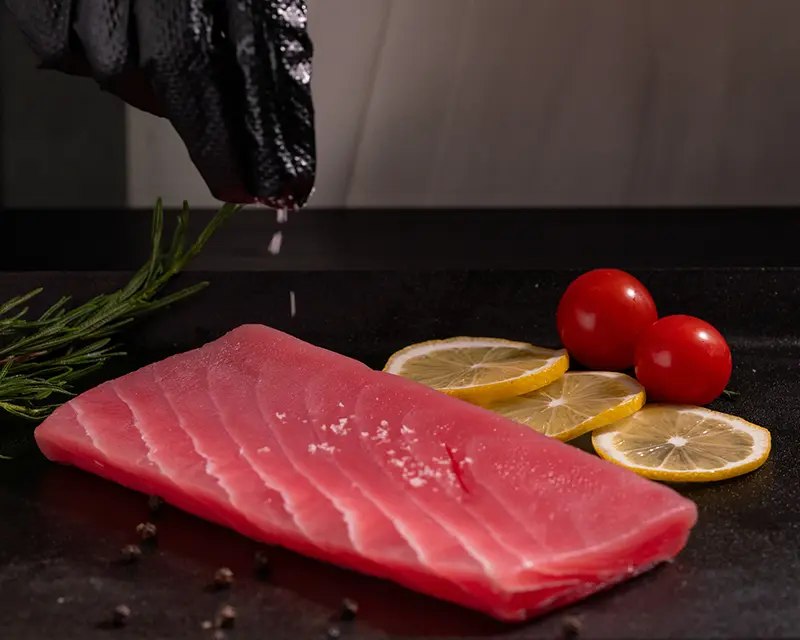
Tuna has a distinctive savoury flavour of its own. A thick layer of herbs or spices can easily become the dominant taste, particularly when the centre is served rare.
For a clean sear, season immediately before cooking. If the fish sits after salting and moisture appears, pat the surface dry again before it goes into the pan.
3. Sear Over High Heat
Heat a heavy-based pan or grill until it is properly hot. Lightly oil the tuna, then place it onto the cooking surface.
For a steak approximately 2.5 cm thick, a brief sear of roughly 45 to 90 seconds per broad side can produce a browned exterior and rare centre. The precise timing depends on thickness, starting temperature and the intensity of the heat.
Leave the tuna undisturbed long enough for the first side to develop colour before turning it. Do not move it repeatedly, because then you interrupt the contact that creates the crust.
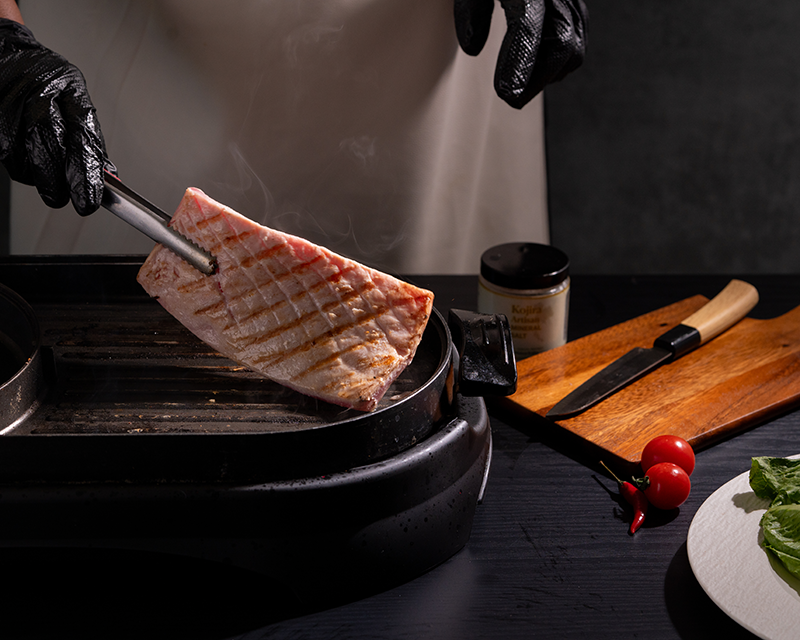
For a rare preparation, the aim is a distinctly seared exterior with a richly coloured centre. Tuna cooks quickly, so even another half-minute can change the texture considerably.
👨🏼🍳 Food safety tip: Rare tuna is an undercooked seafood preparation and carries additional risk. Buy fish intended for this preparation from a reliable supplier and follow appropriate handling advice. The US FDA recommends cooking finfish such as tuna to an internal temperature of 63°C (145°F), particularly important for people at increased risk from foodborne illness.
4. Rest Briefly, Then Slice
Transfer the tuna to a clean board or rack and give it a short rest before cutting. Letting some of the surface heat dissipate can make it easier to produce tidy slices while retaining the contrast between the crust and centre.
Use a sharp knife and cut across the steak into even pieces.
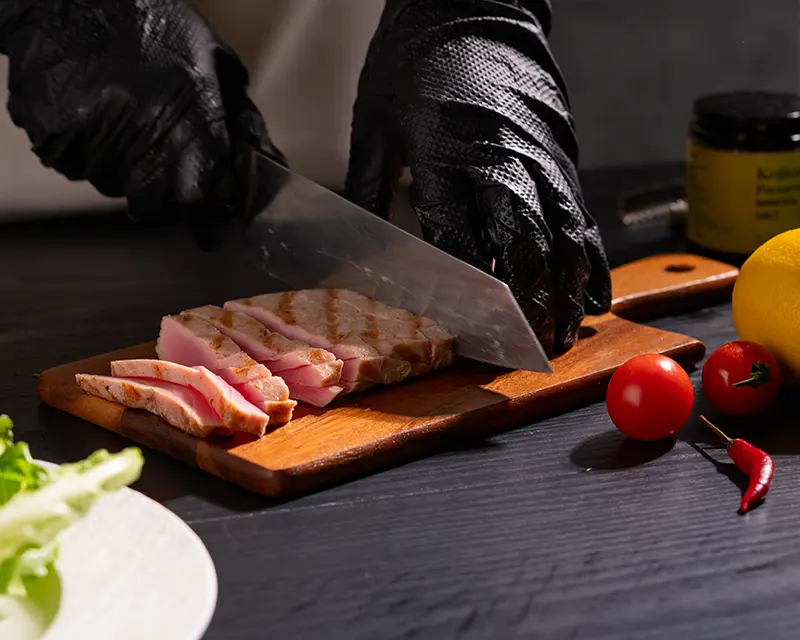
This is where tuna steak seasoning becomes different from seasoning an ordinary fish fillet.
The outside has been exposed to salt and high heat. The freshly sliced centre has experienced very little direct seasoning. Each cut now gives you access to a new surface.
5. Finish the Sliced Tuna
Arrange the slices on a plate with a little space between them. Add a very small pinch of finishing salt over the newly exposed flesh, rather than concentrating everything on the browned edges.
Taste before adding more.
For a classic tuna steak, Kojira Artisan Mineral Salt gives a clean finish. If the dish includes lemon, olive oil or herbs, Kojira Preserved Lemon Salt adds a deeper citrus character.
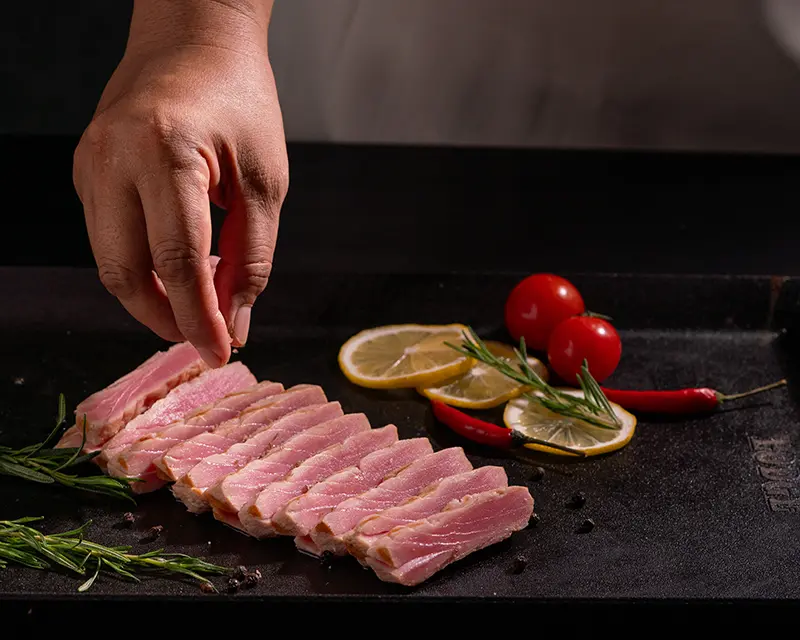
For the preserved lemon version, stir a little salt into the olive oil a few minutes before serving, giving the dried lemon peel time to become more supple. Spoon the flavoured oil around and over the tuna, then add a final light pinch directly to the freshly sliced flesh. This way, you season the fish itself while carrying the preserved lemon flavour through the dressing.
Why Tuna Steak Benefits from Seasoning Twice
A tuna steak is usually thick enough that a brief sear leaves the centre largely unchanged. Salt applied just before cooking has little time to travel far into that centre.
This creates two different opportunities:
- Before cooking, salt seasons the exterior that will become the crust. It helps define the fish’s flavour where browning takes place.
- After slicing, a second, much smaller application reaches the inner flesh directly. You can season the part of the tuna that will actually touch the tongue, rather than relying entirely on the outside of the steak.
The second pinch should be delicate. Tuna is naturally savoury, and freshly cut flesh can make salt particularly noticeable.
This approach is especially useful when you are serving tuna in thick slices, whether on a plate with olive oil and herbs, over rice, or alongside a salad.
Four Flavour Directions for Tuna Steak
1. Classic Tuna Steak with Lemon and Herbs
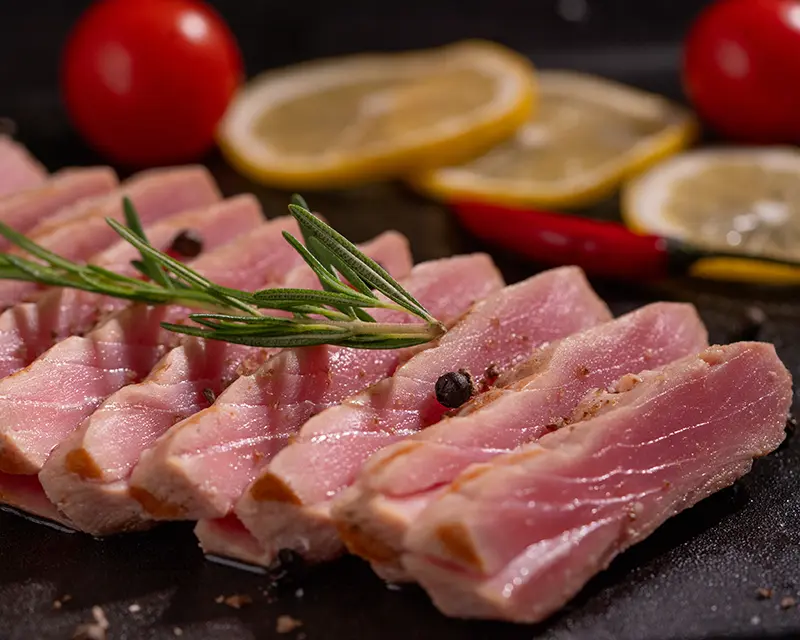
Start with mineral salt, black pepper and a little oil. Sear the tuna, slice it, then finish with fresh lemon and chopped parsley or a little rosemary.
Rosemary has a strong aroma, so use it as an accent. A few small leaves can give the dish a Mediterranean character without competing with the tuna.
For a more developed citrus finish, use Kojira Preserved Lemon Salt on the sliced fish. It contributes the rounded, savoury character of six-month-preserved lemon alongside the bright acidity of any fresh lemon juice you add.
This is an excellent choice when the tuna is served with olive oil, grilled vegetables, potatoes or a simple green salad.
2. Asian-Style Ahi Tuna with Soy, Ginger and Sesame
Ahi tuna works particularly well with soy sauce, ginger, sesame and spring onion.
Lightly oil and sear the tuna, then slice it. Finish with a small amount of soy, fresh ginger and toasted sesame seeds. A little sesame oil can add aroma, but use it sparingly.
If you want a darker savoury finish, Kojira Black Garlic Salt can bring gentle sweetness and deeper umami. Use only a small pinch, particularly when soy sauce is already contributing salt.
For sesame-crusted ahi tuna, press sesame seeds onto the surface before cooking and watch the heat carefully so the seeds toast without scorching.
3. Grilled Tuna Steak with Garlic and Pepper
Grilling gives tuna a stronger roasted character, making garlic, black pepper and herbs natural companions.
Start with a little mineral salt and pepper. Add finely grated garlic to an accompanying oil or dressing, or use a small amount of garlic powder on the steak itself.
After grilling, finish the slices with a restrained amount of salt and, if desired, a squeeze of lemon.
Keep wet garlic-heavy mixtures away from very high direct heat when possible, since garlic can darken and turn bitter quickly.
4. Blackened Tuna Steak Seasoning
For a bolder crust, combine paprika, ground coriander, garlic powder, black pepper and a small pinch of cayenne.
Apply a thin, even coating to the lightly oiled tuna before searing. The spices should create a fragrant surface rather than a thick layer of powder.
Because dry spices can scorch in a very hot pan, control the heat and watch the crust closely. A dark, fragrant exterior is the aim.
Serve with something fresh and acidic, such as lemon, lime or a light herb dressing, to balance the spices.
Which Finishing Salt Works Best with Tuna Steak?
Different salts take tuna in different directions. The choice depends on what else is on the plate.
Kojira Artisan Mineral Salt: For a Clean Tuna Flavour
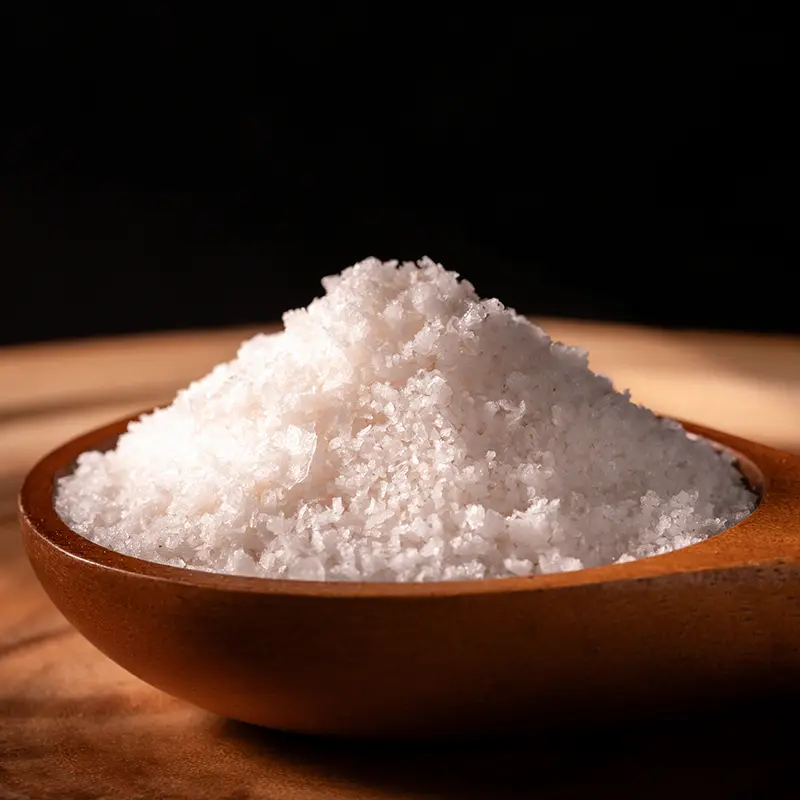
Kojira Artisan Mineral Salt is the most versatile choice for tuna. Use it lightly before searing and, if needed, again after slicing.
Its clean mineral character works particularly well with tuna served simply with black pepper, olive oil and herbs. It gives the fish definition without introducing another dominant flavour.
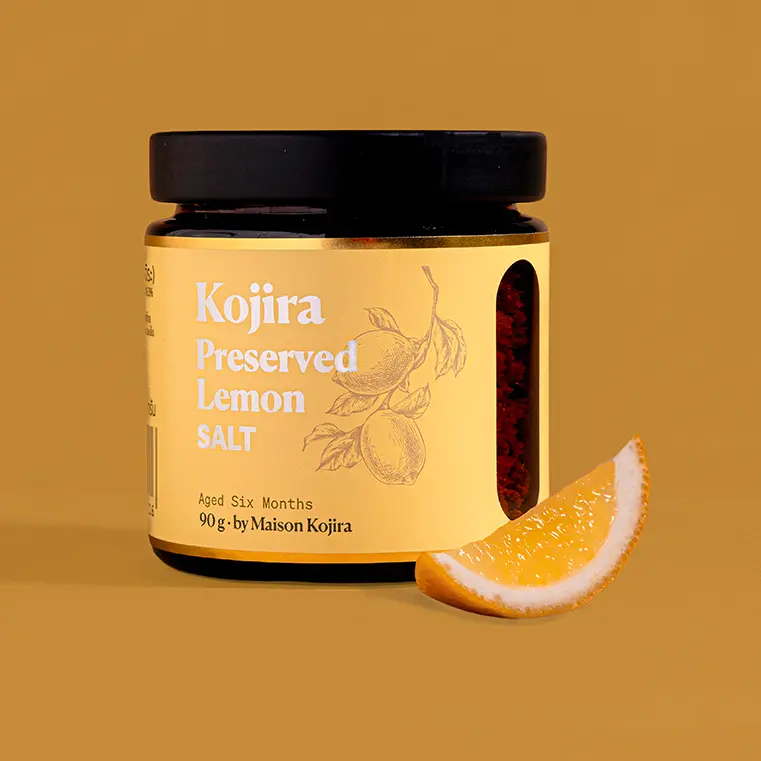
Kojira Preserved Lemon Salt: For Brightness and Citrus Depth
Kojira Preserved Lemon Salt works beautifully on sliced tuna with olive oil, rosemary, parsley or a little fresh lemon.
Its preserved lemon adds a deeper citrus flavour than fresh juice alone. Stir a little into olive oil with a few drops of lemon juice before serving, allowing the dried lemon peel to soften and flavour the dressing.
Kojira Black Garlic Salt: For Richer, Savoury Tuna
Kojira Black Garlic Salt suits tuna served with soy, sesame, grilled mushrooms or a richer savoury sauce.
Its slow-aged black garlic brings dark sweetness and umami. It is more assertive, so use a smaller finishing pinch and let the tuna remain central.
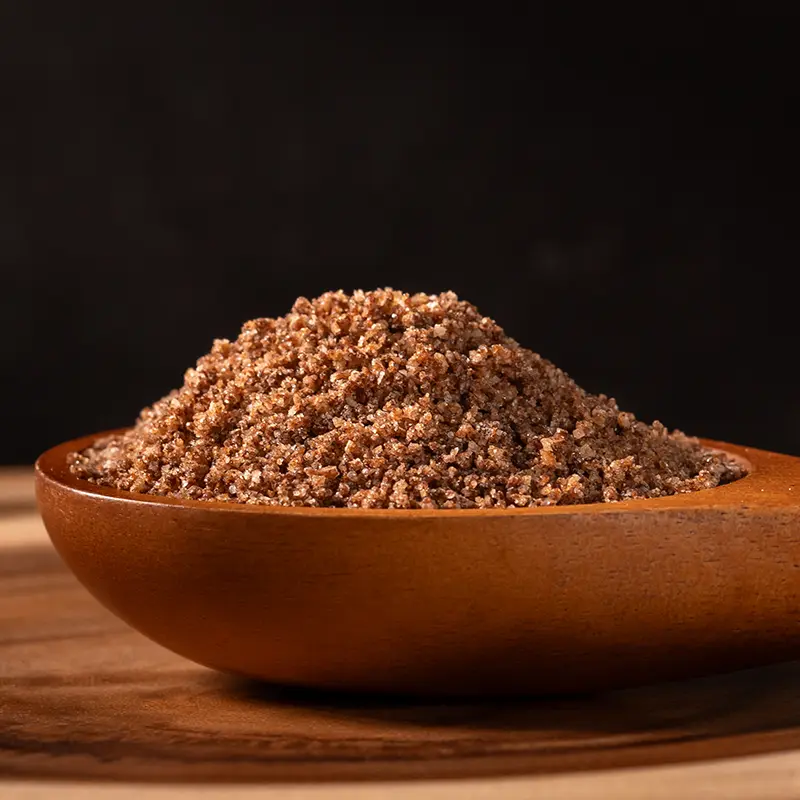
For a clean finish, choose Kojira Artisan Mineral Salt. For citrus depth, reach for Kojira Preserved Lemon Salt. And when the tuna calls for something richer and more savoury, try Kojira Black Garlic Salt.
Common Tuna Steak Seasoning Mistakes
Covering the Fish with Too Many Spices
Tuna can take bold flavours, but that does not mean every flavour belongs on the same steak. Garlic, rosemary, paprika, sesame, soy and lemon all work individually or in thoughtful combinations. Together, they can obscure the tuna. Choose a flavour direction before reaching for the seasonings, and stick to it.
Putting Wet Tuna into the Pan
Excess moisture interferes with browning. Pat the tuna dry before seasoning, and remove excess marinade from the surface before searing.
Using Too Much Salt Before Adding Soy Sauce
Soy sauce, miso and some prepared marinades already contain substantial salt. Season with the complete dish in mind, including its dressing and finishing ingredients.
Forgetting the Sliced Centre
A beautifully seasoned crust can surround a centre that tastes relatively flat. Finish the freshly cut surfaces with a very small pinch of salt, then taste.
Cooking Spices Too Aggressively
Garlic powder, dried herbs and spice rubs can become bitter when exposed to intense heat for too long. Keep heavy aromatic coatings controlled, or add delicate flavours after cooking.
The Final Pinch
A good tuna steak needs very little to become an excellent dish. The fish brings the flavour. High heat builds the crust. A little salt gives the surface definition.
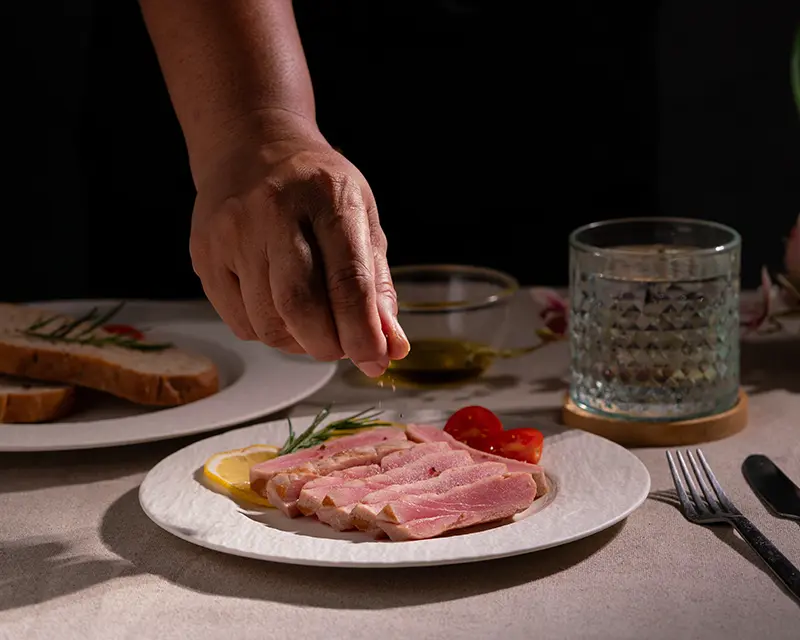
Then comes the part that is easy to overlook: the moment after slicing, when the beautifully coloured centre is finally exposed.
That is your second chance to season the tuna precisely. Sometimes all it needs is a few crystals of mineral salt. Sometimes preserved lemon gives it a little more brightness. Sometimes black garlic brings the darker savoury note the plate was missing. The trick is to make that final pinch count.
Frequently Asked Questions About Tuna Steak Seasoning
What seasoning goes well with tuna steak?
Mineral salt, black pepper, lemon, garlic, ginger, sesame, coriander and fresh herbs all pair well with tuna steak. Choose a simple combination based on whether you want a fresh, savoury or spicy dish.
Should you season tuna steak before or after cooking?
Both, for different purposes. Season lightly before cooking to give the seared exterior flavour. After slicing, taste and add a small amount of finishing salt to the exposed centre if needed.
What is the best seasoning for ahi tuna steak?
For a classic ahi tuna steak, use salt and black pepper. For an Asian-style preparation, soy, ginger and sesame work well, with a smaller amount of additional salt because soy sauce is already salty.
Do you need to marinate tuna steak?
A marinade is optional. Tuna has enough flavour to work with simple seasoning. If using soy, citrus or other liquid ingredients, keep the marinade brief and refrigerated, and dry the surface before searing. Prolonged exposure to strong acidity can change the texture of the outer flesh.
Is tuna steak seasoning different for grilling?
The same basic seasonings work for grilled and pan-seared tuna. Grilling can support stronger pepper, garlic and spice flavours, but the surface still benefits from being dry and lightly oiled. Finish the sliced tuna after cooking.
Can you use the same seasoning for yellowfin and ahi tuna?
Yes. Ahi commonly refers to yellowfin or bigeye tuna. The same seasoning principles apply, although the exact cooking time and flavour balance depend on the cut, thickness and richness of the fish.
More Guides on Seafood and Seasoning

A Letter From Our Kitchen
A recipe worth trying, an ingredient that surprised us, or a little discovery we couldn’t keep to ourselves.
Once a month, we share our favourites in the Maison Kojira Letter.