How to Season Ricotta So It Tastes Restaurant-Good
Restaurant-good ricotta comes down to precise final seasoning. A little finishing salt gives the soft, milky curds more definition and makes everything around them taste clearer.
Season it at the end, once the olive oil, herbs, fruit, honey, or other pairings are already in place. The salt then finishes the whole bite rather than just the cheese.
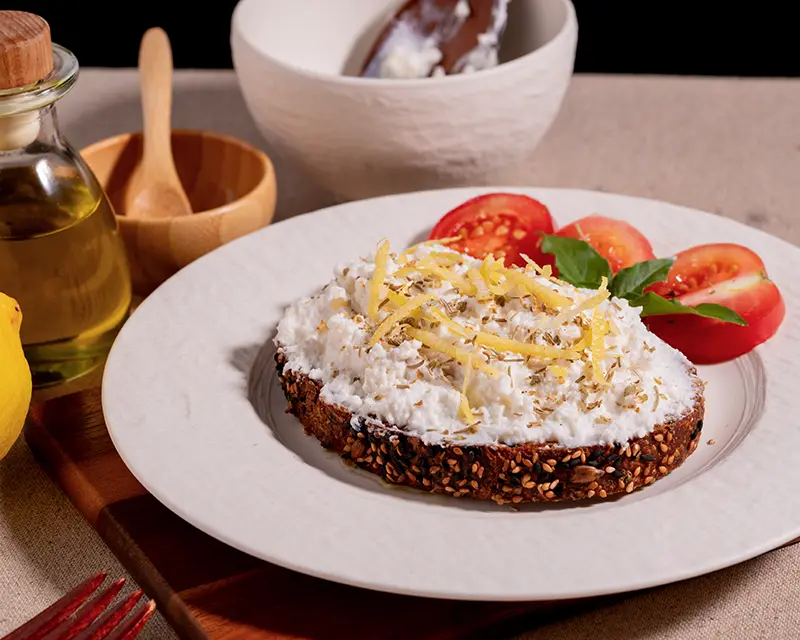
👨🏼🍳 Quick Rule: build the plate first, then season the ricotta and everything around it as one bite.
Should You Season Ricotta?
Yes. Taste it plain first. If it tastes milky but a little vague, a small amount of finishing salt will usually bring it into focus.
Ricotta is especially good with olive oil, herbs, tomato, honey, citrus, fruit, nuts, or warm bread, but those flavours can easily outrun the cheese if the ricotta itself is underseasoned.
Fresh ricotta varies, so taste before adding more.
How to Season Ricotta at the Table
Add finishing salt immediately before serving.
Ricotta holds plenty of moisture. If salt sits on it for too long, it begins drawing moisture toward the surface. The crystals dissolve into that moisture, so you lose the clean contrast of salt against the soft curds.
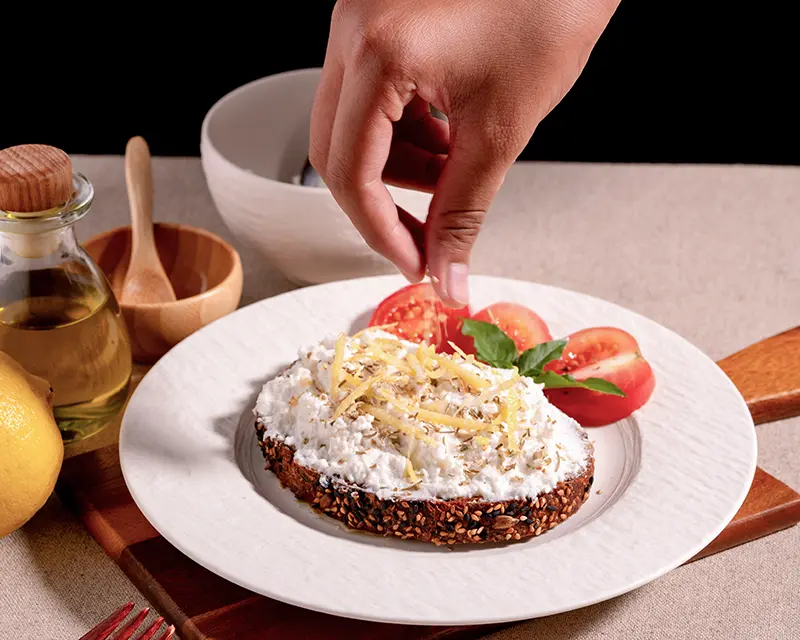
A good sequence is:
- Spoon or spread the ricotta onto the plate or toast.
- Add olive oil, herbs, vegetables, fruit, honey, or other pairings.
- Add black pepper, citrus zest, nuts, or other aromatics if you are using them.
- Finish with a small amount of salt across the ricotta and the ingredients around it.
- Taste before adding more.
👩🏽🍳 Flavour Insight: ricotta needs enough seasoning to give the curds definition while keeping their mild, milky flavour in front.
How Much Salt to Put on Ricotta
Start with a small pinch across the surface and taste. Ricotta can usually take a little more finishing salt than burrata. Its mild flavour gives you slightly more room before the salt takes over. The exact amount depends on what else is on the plate.
Use less when the ricotta is served with salty ingredients such as olives, capers, anchovies, cured meat, salted nuts, preserved lemon, or salty bread.
With honey, fruit, plain olive oil, grilled vegetables, or unsalted bread, you can usually be a little more generous. Taste as you go.
🧑🏼🍳 Salt Rule: the ricotta should taste more defined, not noticeably salty.
What Goes Well with Ricotta?
Ricotta is at its best when something pulls against its softness. Olive oil, black pepper, roasted vegetables, citrus, honey, ripe fruit, nuts and warm bread all give the mild curds something to play against.
That contrast is where seasoning starts to matter. A few crystals of salt can sharpen the olive oil, wake up the fruit, or keep a sweet ricotta from tasting too soft.
How to Season Ricotta for Savoury Dishes
Start with the ricotta, a good pour of olive oil, black pepper, and a little finishing salt. Then taste it. If it still feels too soft, give it something with more edge: lemon zest, tomato, roasted peppers, grilled courgette, aubergine, mushrooms, or warm bread. You are looking for contrast, not more weight.
On toast, we would season the whole thing rather than just the ricotta. Let a few crystals land on the cheese, the olive oil, and the toppings so every bite has the same balance.
With roasted vegetables or grilled courgette, a brighter finishing salt works especially well. It cuts through the richness and keeps the ricotta tasting fresh.
How to Season Ricotta with Honey and Fruit
Sweet ricotta needs a lighter hand. Add the honey or fruit first, then taste before reaching for the salt. Figs, dates, berries, mango, peach, orange, grapes, roasted nuts, and cacao nibs all give you sweetness, acidity, bitterness, or crunch to work with.
A few crystals of salt can make the fruit taste sweeter and stop the ricotta from disappearing underneath the honey. You should notice the fruit and cream first, then the salt right at the end.
That is the same principle behind using salt on fruit: the salt is there to sharpen what is already sweet.
👨🏻🍳 Quick Rule: with savoury ricotta, look for contrast. With sweet ricotta, use just enough salt to make the fruit and honey taste brighter.
Best Finishing Salt for Ricotta
Taste the ricotta and look at what is around it. If the plate already has plenty of flavour, use a clean mineral salt. If it needs more lift, preserved lemon is the better move.
For Most Ricotta: Kojira Artisan Mineral Salt
Use Kojira Artisan Mineral Salt when you want the ricotta to taste clearer without changing its character.
It works with olive oil, black pepper, tomato, herbs, warm bread, honey, fruit, and nuts.
For Savoury Ricotta: Kojira Preserved Lemon Salt
Use Kojira Preserved Lemon Salt with herbs, tomato, roasted peppers, courgette, grilled vegetables, or olive oil.
It brings salt and citrus brightness in the same pinch, especially useful when savoury ricotta starts to feel a little too soft.
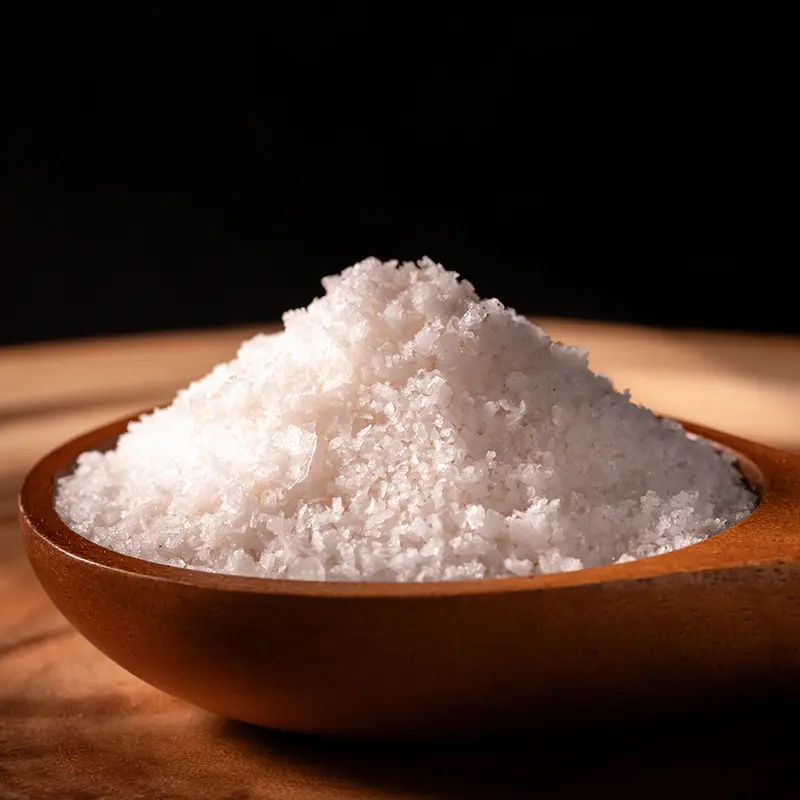
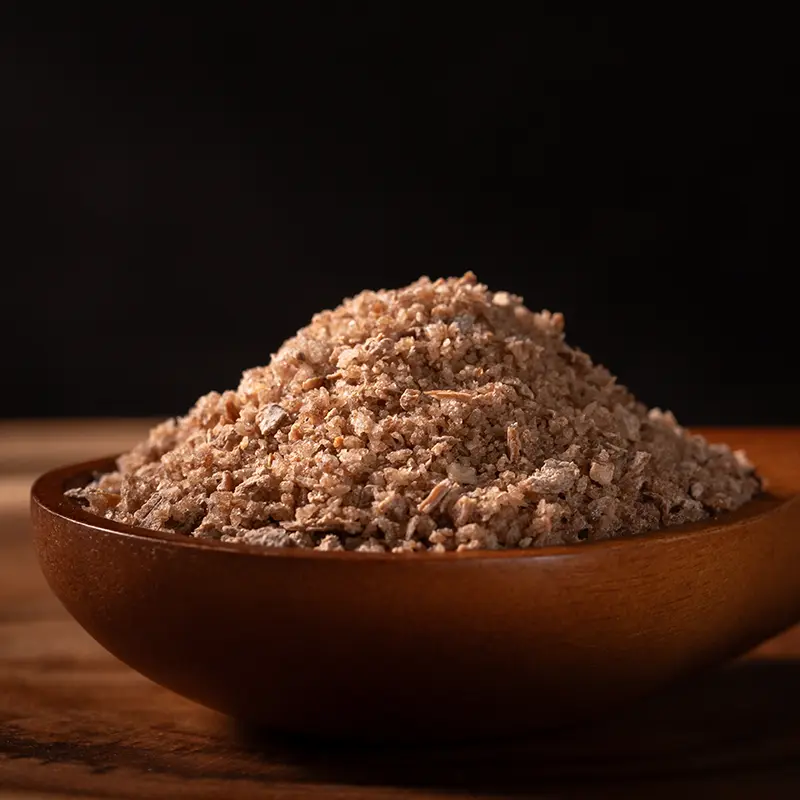
👨🏼🍳 Salt Pairing Rule: use Artisan Mineral Salt when the ricotta needs definition. Use Preserved Lemon Salt when a savoury plate needs brightness.
How to Season Ricotta: Frequently Asked Questions
Should you season ricotta?
Yes. Ricotta is mild, milky, and slightly sweet, so a small amount of finishing salt can give the curds more definition and make the flavours around them clearer.
When should you season ricotta?
Season ricotta immediately before serving, after the olive oil, herbs, vegetables, fruit, honey, or other ingredients are already on the plate.
How much salt should you put on ricotta?
Start with a small pinch across the surface and taste before adding more. The ricotta should taste more defined rather than noticeably salty.
What seasoning goes well with savoury ricotta?
Olive oil, black pepper, herbs, lemon zest, tomato, roasted peppers, grilled courgette, mushrooms, and finishing salt all work well with savoury ricotta.
Should you put salt on ricotta with honey or fruit?
Yes, but use very little. A few crystals can sharpen the sweetness of honey or fruit and give mild ricotta more definition.
What finishing salt is best for ricotta?
Mineral salt is the most versatile choice for ricotta. Preserved lemon salt works particularly well with savoury ricotta, herbs, grilled vegetables, tomato, and olive oil.
Related Guides
Serving ricotta with fruit, bread, vegetables, or another fresh cheese? These guides take the same seasoning decisions a step further.
Fresh Pairings
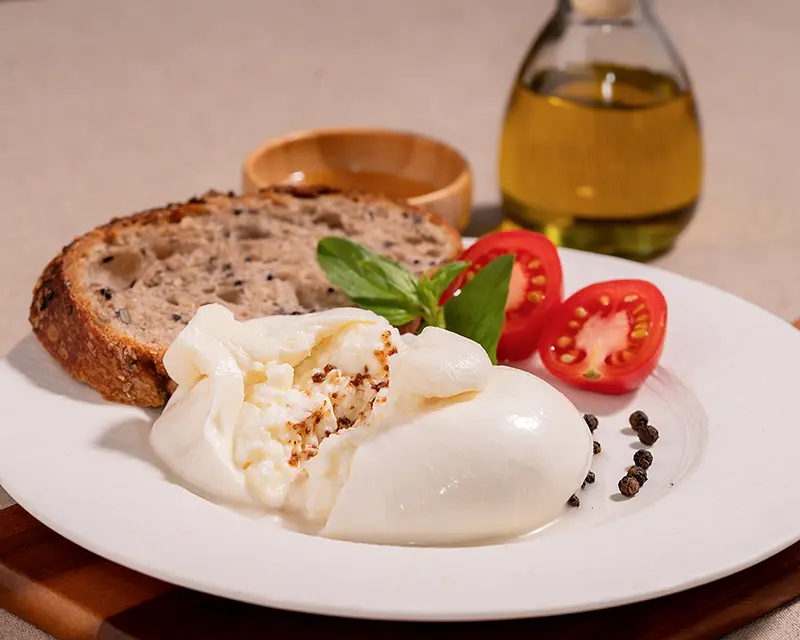
Burrata is richer and wetter than ricotta, so timing and restraint matter even more.
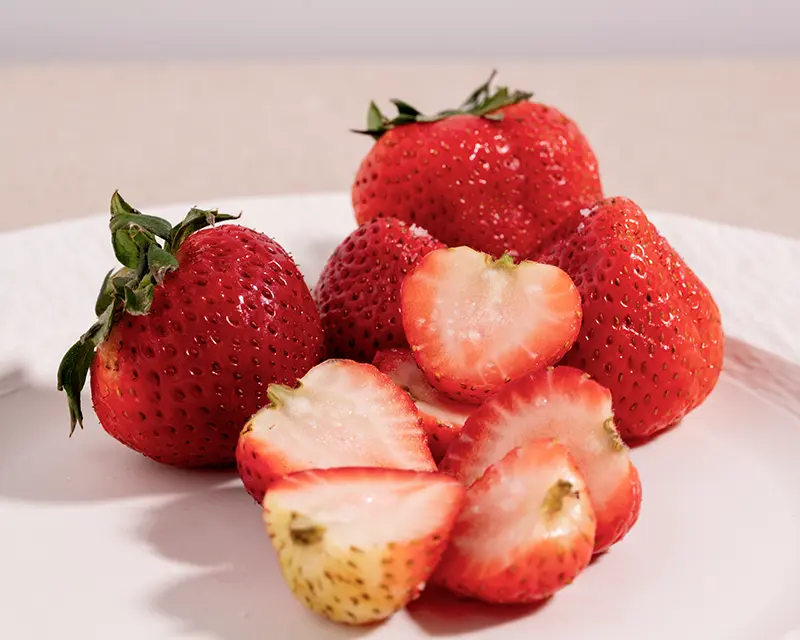
Why a tiny pinch of salt can make ripe fruit taste sweeter.
Technique and Foundations

How final seasoning changes flavour, texture, and the way a finished dish eats.
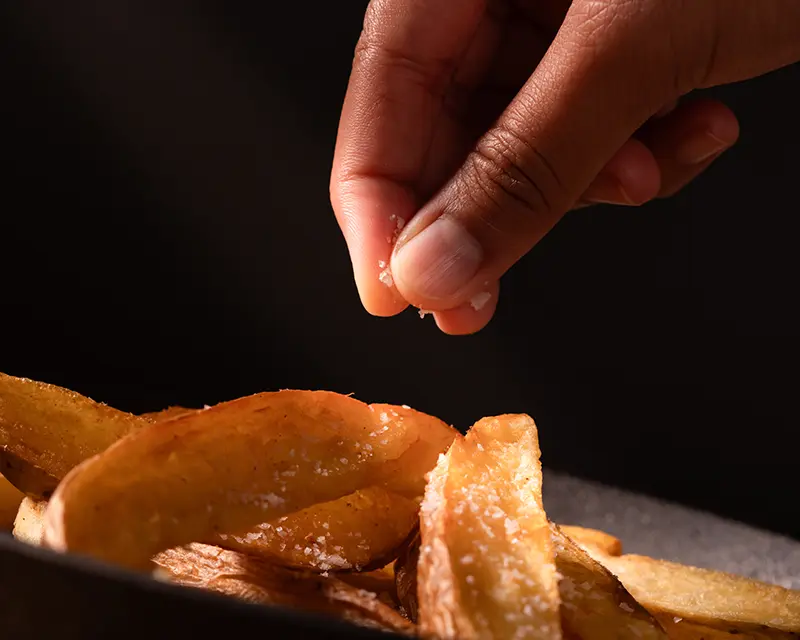
The six ways salt changes how food tastes and feels.
Bread, Vegetables and Dairy
→ Olive Oil Bread Dips
→ How to Salt Yogurt and Labneh
→ How to Salt Vegetables
→ How to Salt Tomatoes
More Seasoning Guides
→ Salt on Fruit
→ How to Season Burrata
→ How to Season Rice
→ When to Salt Eggs
Join the Maison Kojira Letter
Eat sharper. Host better. Be more present. Get practical notes on flavour, ingredients and the small details that make food worth sharing.