How to Season Salmon Without Burying Its Flavour
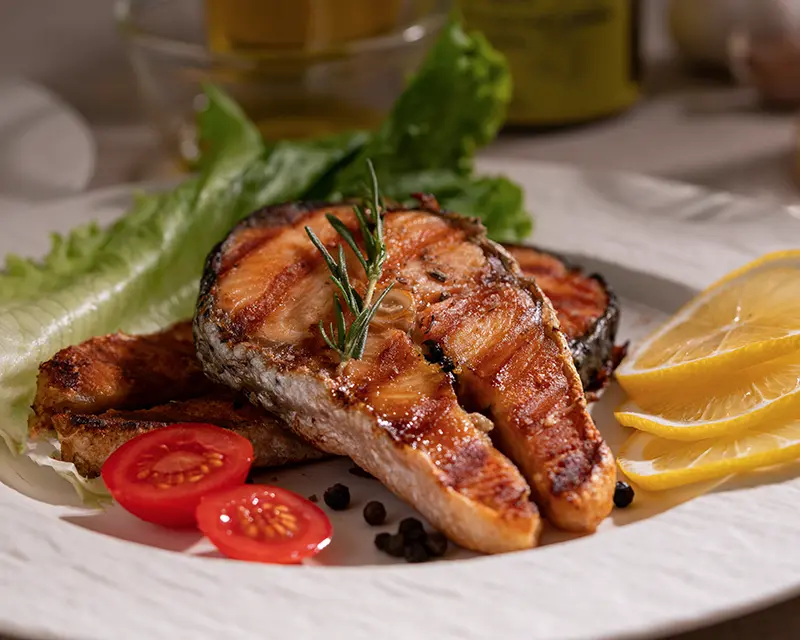
Salmon has become so familiar that it can seem almost placeless. It appears on bread, in pasta, beside rice, over fire and at Japanese counters. Few fish move so easily between an ordinary weekday meal and a dish people build an occasion around.
That versatility comes from its richness. Salmon can carry smoke, butter, chilli, herbs, saffron and citrus more confidently than most fish. But that does not mean it needs all of them. Its flavour is already distinctive, and careless seasoning can turn it into little more than a delivery system for spice.
Maison Kojira approaches salmon differently. Seasoning is not a coating or a shopping list. It is an architecture: salt to give the fish definition, acid to lift its fat, aromatics to give the dish a clear direction, whether that is dill and lemon, saffron and butter, ginger and soy, or chilli and citrus.
This guide explains how to season salmon intended for cooking. Sashimi, gravlax and other raw or cured preparations require different seasoning and handling.
Quick Answer
How to Season Salmon
Start by patting the salmon completely dry. Salt gives the fish its foundation, then you can choose a clear flavour direction with acid and aromatics, such as lemon and dill, saffron and butter, ginger and soy, or chilli and citrus.
For pan-frying or grilling, two timings work particularly well: season the salmon immediately before cooking, or give it 25 to 40 minutes and pat away any moisture left on the surface. The less useful window is 5 to 15 minutes, when the salt has drawn water out but the surface has not yet had time to dry again.
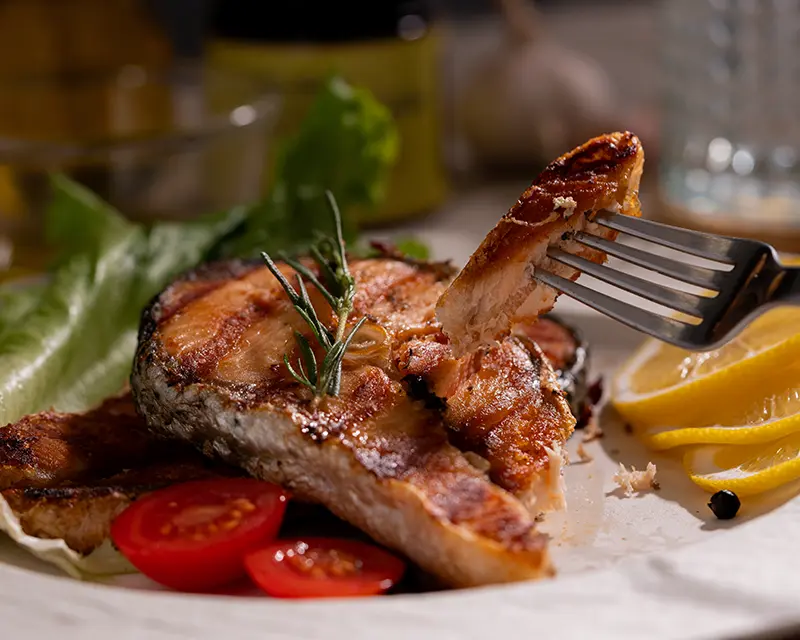
Let the cut guide where the salt goes. A fillet needs even seasoning across the exposed flesh and a lighter touch on the skin. A salmon steak also needs attention around the central bone and along its outer skin edge. For a large side of salmon, spread the seasoning evenly across the full surface.
Once the salmon is cooked, let it rest briefly and finish it while it is still warm. Choose the salt flavour you want to leave in the final bite, using a lighter hand when the salmon is served with soy sauce, miso, capers, cheese or another salty accompaniment.
How to Season Salmon Before Cooking: Two Good Times
The first decision in how to season salmon is when the salt goes on. Salmon browns best when its surface is dry. Salt can help season the fish more deeply, but it also draws moisture towards the surface before that moisture begins to move back into the salmon. This creates two useful timings and one awkward interval between them: immediately before cooking, or 25 to 40 minutes ahead. A final pinch after cooking serves a different purpose. It does not season the fish more deeply, but sharpens the surface flavour and completes the direction of the dish.
Salt Immediately Before Cooking
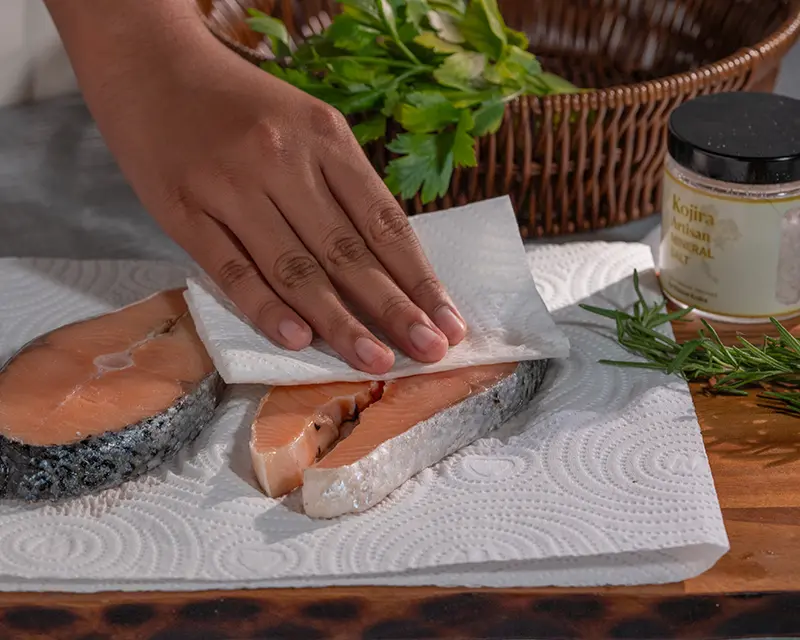
We don’t always have all the time in the world. When the salmon needs to go into the pan right away, pat it completely dry and season it immediately before cooking. The salt has too little time to draw significant moisture onto the surface, so the salmon can begin browning as soon as it meets the heat.
This works particularly well for thin fillets and quick weekday cooking.
Or Give It 25 to 40 Minutes
When you have more time, salt the salmon 25 to 40 minutes before cooking. At first, moisture will appear on the surface. As the salmon rests, some of the salty liquid begins to move back into the fish while the exterior becomes drier again.
Thinner pieces need closer to 25 minutes. Thick fillets and salmon steaks can benefit from the longer end of the range. Before cooking, pat away any moisture that remains.
Avoid the Damp Middle Window
Salting salmon roughly 5 to 15 minutes before cooking often gives you the least useful result. The salt has had enough time to pull water onto the surface, but not enough time for the exterior to dry again. Put wet salmon into a hot pan and the first energy goes into evaporating water rather than building colour.
If you find yourself in this window, you have two options. Let the salmon continue resting until it reaches the full 25-to-40-minute window, or pat the surface thoroughly dry before cooking. Patting may remove some of the salt, so taste after cooking and add a restrained finishing pinch if needed.
The Clock Gives You a Range. The Salmon Makes the Decision.
Part of knowing how to season salmon is knowing when the timer stops being useful. Twenty-five to forty minutes tells you when to check, not exactly when the fish will be ready. A thin fillet, a thick centre cut and a salmon steak release surface moisture at different rates.
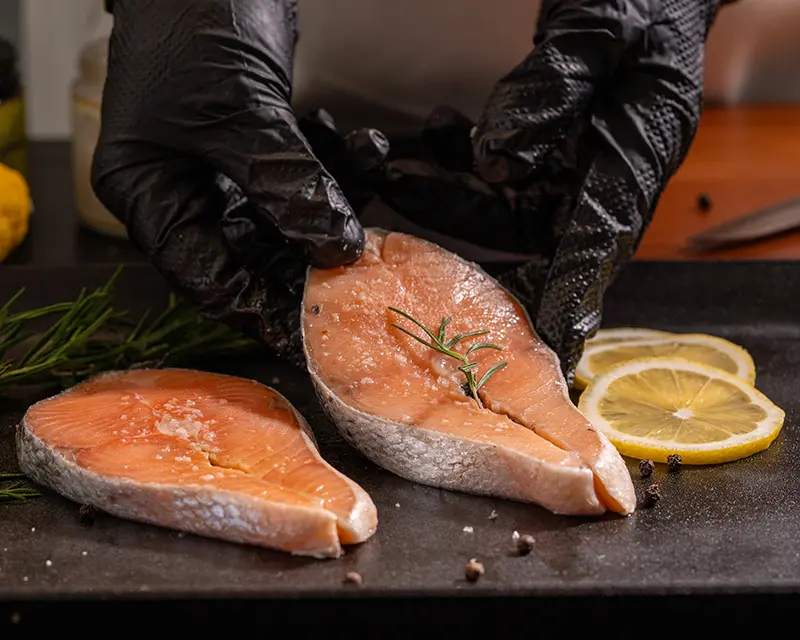
Before cooking, look at the fish. The surface should feel lightly tacky rather than slick, with no visibly wet patches. If it is still glistening, pat it dry thoroughly or give it a little longer. The clock tells you when to check. The salmon tells you when it is ready.
Choose a Clear Flavour Direction
Knowing how to season salmon is partly about knowing what not to add. Its richness can carry smoke, herbs, chilli, saffron, citrus and deeper savoury flavours without disappearing beneath them. The temptation is to keep adding, but you will usually get a better result by choosing one direction and making it clear.
Start with salt. Then decide what the salmon needs. Use acid when you want to lift its richness, aromatics when you want to shape the character of the dish, and butter, oil or a little sweetness when the flavours need rounding out. Use enough to make the salmon taste balanced, but stop before the seasoning becomes the main event.
Lemon and Herbs
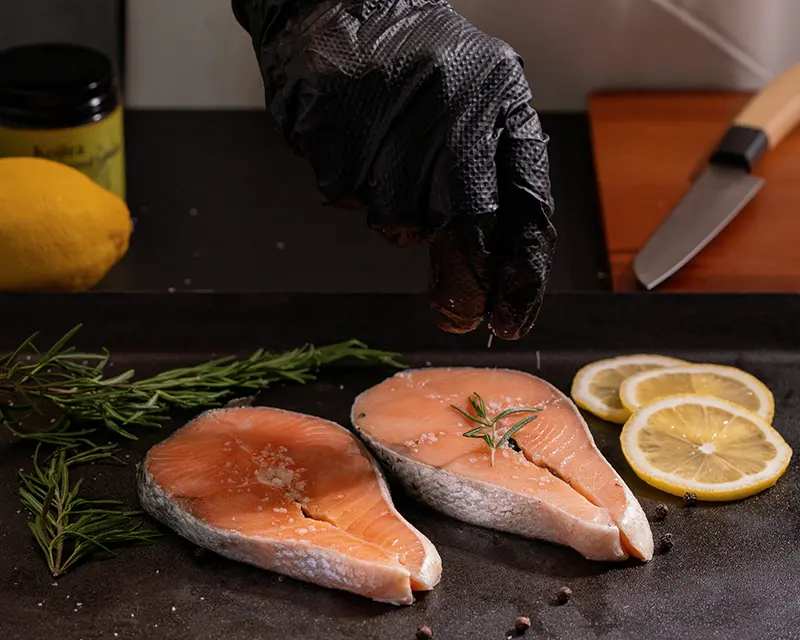
When you want salmon to taste fresh and clean, start with lemon and soft herbs such as dill, parsley or chives. Add the zest before cooking so its aroma settles into the fish, then squeeze over the juice at the end to keep the acidity bright.
This works especially well with pan-fried fillets, baked salmon and cold salmon, or whenever you are serving it with potatoes, bread or a creamy sauce. You can also replace part of the plain salt with Kojira Preserved Lemon Salt. It brings a softer, fermented citrus note, while fresh lemon juice added after cooking gives you the brighter acidity.
Saffron and Butter
When you want something warmer and more luxurious, pair saffron with butter. The butter carries the saffron’s aroma and sits naturally with the richness of the salmon, while a little lemon keeps the dish from feeling heavy.
Use saffron for fragrance rather than colour. You should notice a warm, floral depth around the salmon, not taste saffron before you taste the fish. Use it as a finishing salt, or before gentler baking where its fragrance will not be exposed directly to a very hot pan.
Ginger and Soy
When you want a deeper savoury direction, ginger and soy give you freshness, heat and umami in one combination. Because soy already brings plenty of salt, season the salmon itself more lightly and taste the fish, sauce and garnish together before adding more.
You can bring in miso, sesame or spring onion as well, but choose the elements that help the dish. You do not need to use all of them at once.
Chilli and Citrus
When you want more energy, salmon can take chilli without losing its character. Pair it with lemon, lime or another sharp citrus note so the heat stays lively rather than becoming heavy.
For gentle warmth, use a small amount of fresh chilli. For a bolder dish, move towards chilli paste or a more assertive spice mixture. The stronger the seasoning becomes, the more carefully you should taste as you go.
Sometimes the salt itself can carry part of the flavour direction. A mineral salt keeps the salmon clean and direct, while preserved lemon, saffron or black garlic salt can add another layer without turning the dish into a complicated spice mixture.

Let the Cut Decide Where the Salt Goes
How to season salmon changes with the cut in front of you. A fillet exposes one broad face, a steak is cut through the body, and a whole side changes dramatically in thickness from shoulder to tail. Use the same salt, but place it according to the structure in front of you.
Salmon Fillets
Season the exposed flesh in a light, even layer, paying attention to the thicker centre rather than automatically adding more to the thin edges. With a skin-on fillet, use a lighter amount on the skin and keep it dry before cooking. The skin benefits from surface seasoning, but most of the flavour needs to reach the flesh.
A thin tail fillet needs less time and often a slightly lighter hand than a thick centre cut. Let thickness guide the resting time rather than trying to compensate with more salt.
Salmon Steaks
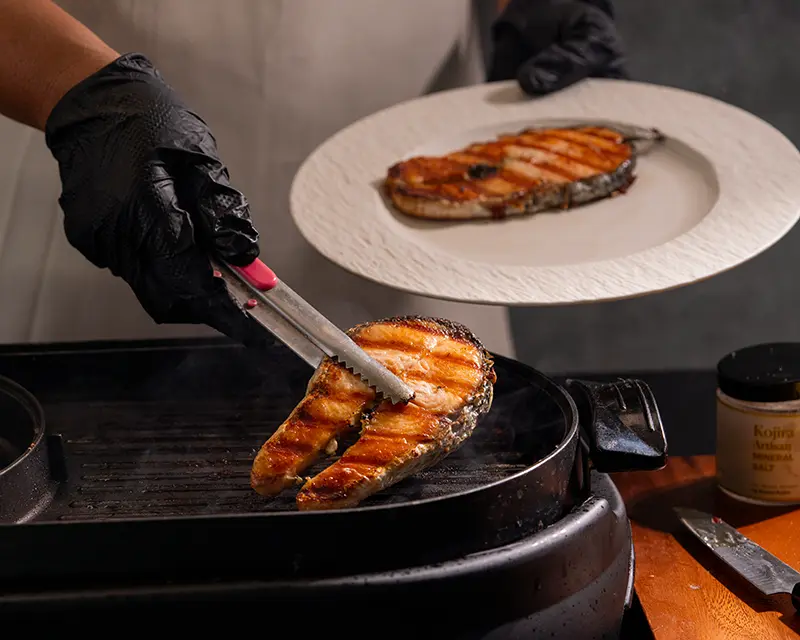
A salmon steak is a cross-section of the fish, not simply a fillet with a bone in it. It has two broad cut faces, flesh gathered around the central bone and a complete outer ring of skin.
Season both cut faces evenly, then add a smaller amount around the bone and along the skin edge. These areas are easy to overlook, which is why salmon steaks can taste well seasoned at the surface but flat closer to the centre.
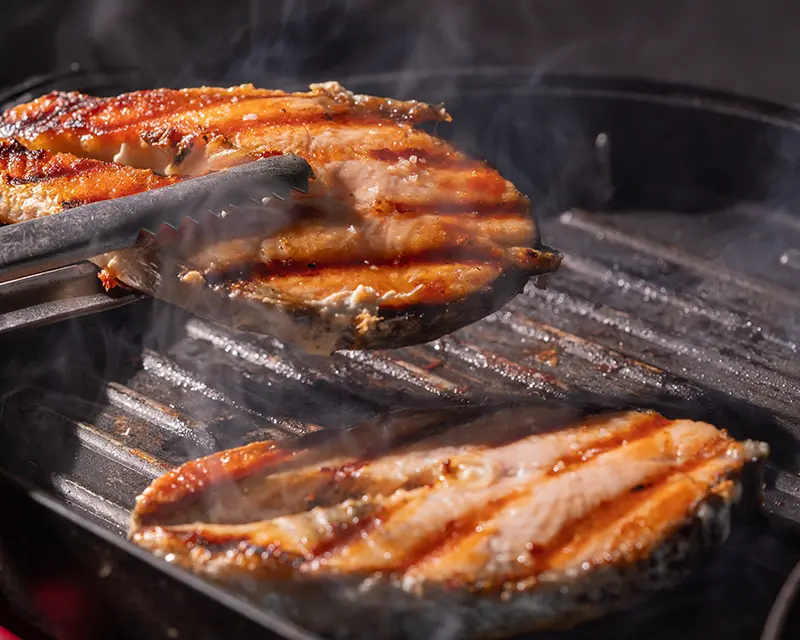
Because steaks are usually thick, they suit the longer end of the 25-to-40-minute salting window. Before cooking, pat away any moisture and check that both broad faces feel dry enough to brown.
A Whole Side of Salmon
With a whole side, how to season salmon becomes a question of managing uneven thickness. The shoulder end is thick and rich, while the tail becomes progressively thinner.
Spread the salt evenly across the side, tapering it slightly towards the narrow tail. On a very uneven side, season the thick shoulder first and add salt to the tail five to ten minutes later. Do not compensate for thickness by piling extra salt onto the surface.
When the side will be served with a glaze, soy-based sauce, capers or another salty accompaniment, account for that before seasoning. The salmon, sauce and final garnish all belong to the same salt allowance.
Serve Food Like You Know What You Are Doing
The Maison Kojira Letter shares the timing, flavour and hosting details that turn ordinary ingredients into food people remember.
How Much Salt Does Salmon Need?
Learning how to season salmon also means knowing how much salt to use. You should not have to guess every time. For salmon that will be cooked without a salty glaze or sauce, a useful starting point is 8 grams of salt per kilogram of fish, or 0.8% of its weight. That is enough to bring the flavour into focus without making salt the first thing you taste.
In practical terms:
- 150 g fillet: about 1.2 g salt
- 200 g fillet: about 1.6 g salt
- 250 g salmon steak: about 2 g salt
- 1 kg side of salmon: about 8 g salt
These numbers give you a starting point, not a final verdict. Salmon served simply with lemon, herbs or vegetables can usually take the full amount. When soy, miso, capers, cheese, salted butter or a salty glaze will join the dish, start closer to 5 to 6 grams per kilogram and adjust after cooking.
When you plan to finish the salmon with salt, reserve part of the allowance for that final moment. Use most of the salt before cooking, then scatter the remainder over the warm salmon so its flavour and texture remain present in the finished bite.
When You Do Not Have a Scale
Use a light, even layer rather than several heavy pinches in one place. You should still be able to see the salmon clearly between the crystals. Teaspoon measurements are less reliable because fine and coarse salts occupy very different amounts of space.
The Final Pinch Is the Golden Moment
Everything up to this point has prepared the salmon for this. You dried the surface, seasoned the flesh, controlled the heat and waited for the skin to crisp. Now the salmon is warm, glossy and ready for the one touch that people notice before they can explain why it tastes so good.
Sprinkle over a little of your best salt, choosing the flavour you want to leave in the final bite. Keep it clean and direct with mineral salt, brighten it with preserved lemon, add warmth with saffron or take it somewhere deeper with black garlic.
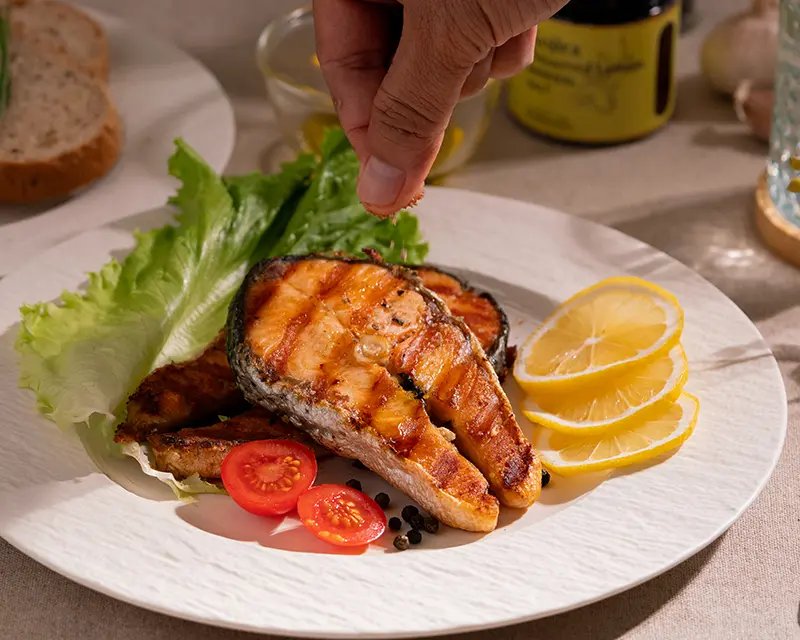
Because the salt arrives at the very end, its character remains vivid. The aroma has not disappeared into the pan, and the crystals have not fully dissolved into the fish. You taste them first, then the richness of the salmon follows.
Use it with restraint, but unapologetically. Let a few crystals remain visible across the warm flesh or crisp skin. This is the final gesture that makes the salmon feel finished.
Which Kojira Salt Works Best With Salmon?
Once you understand how to season salmon before cooking, the final choice is what you want the salt to contribute afterwards. The fish needed a clean foundation before the heat, but it also needs a flavour direction at the end.
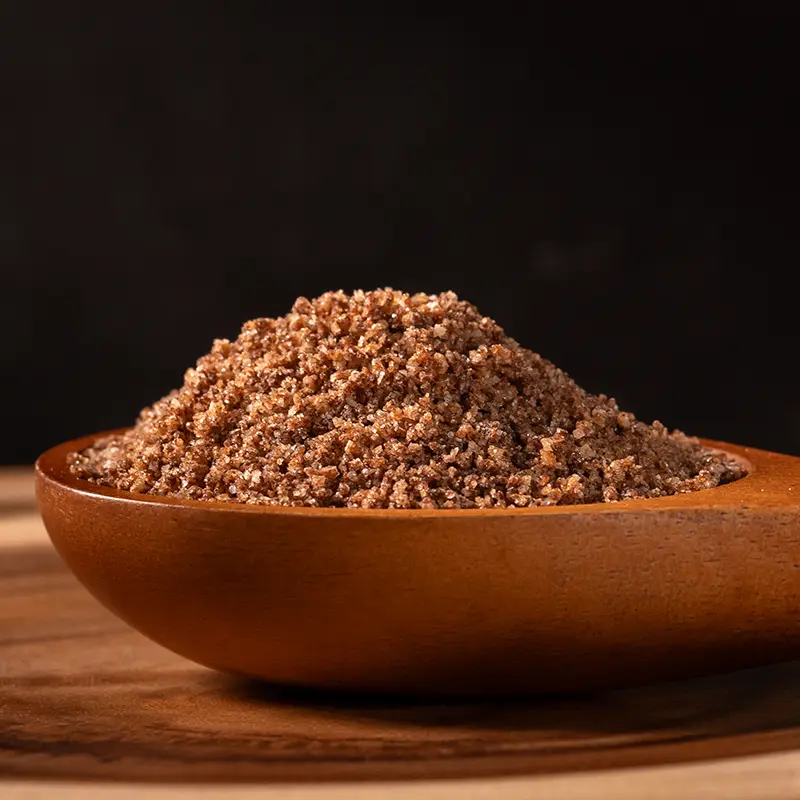
Before pan-frying, grilling or roasting, use Kojira Artisan Mineral Salt. It seasons the flesh cleanly without adding aromatics that can darken, scorch or interfere with browning.
After cooking, choose the gourmet salt that fits the direction of the dish.
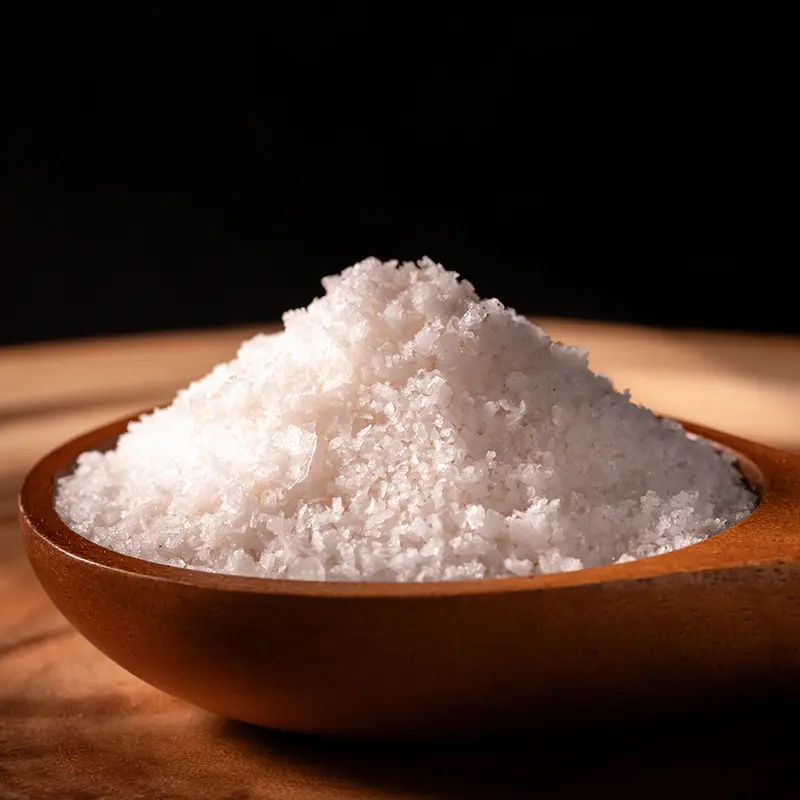
Kojira Preserved Lemon Salt works when salmon is served with lemon, herbs, butter, yoghurt or potatoes. It brings a softer, fermented citrus note, while fresh lemon juice can still provide the brighter acidity.
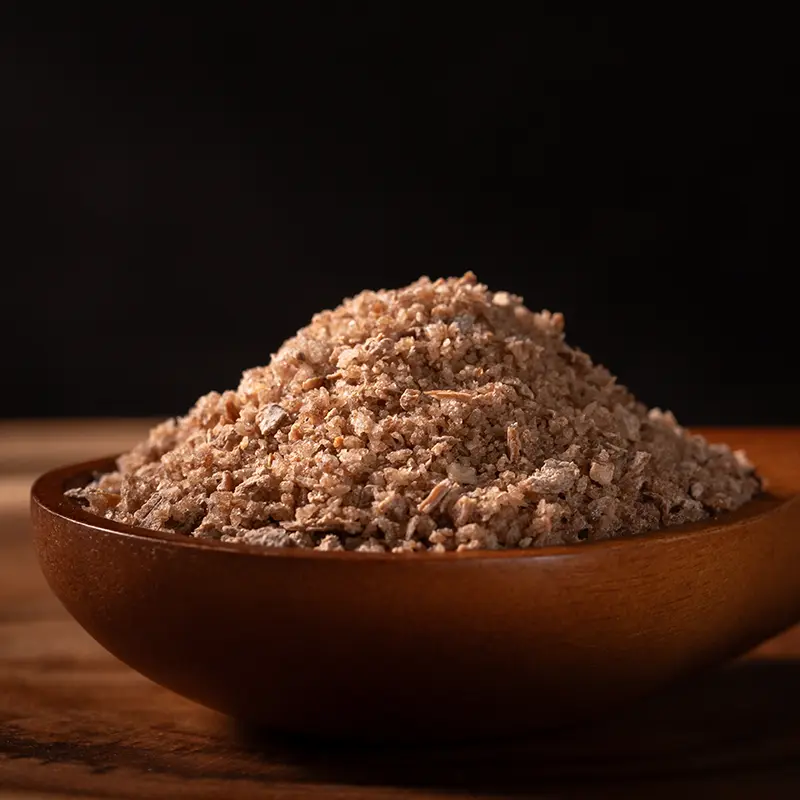
Kojira Black Garlic Salt suits grilled or roasted salmon served with soy, miso, mushrooms or browned butter. It is more assertive, so use it as a restrained finishing salt rather than a heavy coating.
Kojira Artisan Mineral Salt also works after cooking when you want the salmon itself to remain the focus. It keeps the finish clean, mineral and direct.
Common Salmon Seasoning Mistakes
Most mistakes in how to season salmon come from poor timing, uneven placement or trying to use too many flavours at once.
Using Too Many Flavours
Salmon can carry bold seasoning, but that does not mean every good flavour belongs in the same dish. Choose one clear direction and let the other ingredients support it.
Salting in the Damp Middle Window
Salt applied five to fifteen minutes before cooking can draw moisture onto the surface just as the salmon reaches the pan. Either cook immediately after salting, wait for the full resting window, or pat the fish thoroughly dry.
Seasoning Only the Top
A fillet needs even coverage across the exposed flesh. A salmon steak also needs salt around the central bone, along the skin edge and across both cut faces.
Treating Every Cut the Same
A thin tail fillet, thick centre cut, salmon steak and whole side do not need identical amounts or resting times. Let the thickness and structure guide you.
Forgetting the Rest of the Dish
Soy, miso, capers, cheese, salted butter and sauces all contribute salt. Taste the salmon as part of the finished plate, not as an isolated ingredient.
Skipping the Final Pinch
Everything else prepares the salmon for this moment. Hold a little salt back, then finish the warm fish with the mineral, citrus, saffron or savoury note you want people to remember.
Frequently Asked Questions About How to Season Salmon
What Is the Best Seasoning for Salmon?
The simplest answer to how to season salmon is to start with salt, then choose one clear flavour direction. Lemon and herbs give you freshness, saffron and butter bring warmth, ginger and soy add savoury depth, and chilli with citrus creates a brighter, more assertive result. Salmon can carry bold flavours, but it rarely benefits from using all of them at once.
Should You Season Salmon Before or After Cooking?
Both moments matter. Salt before cooking builds the seasoning into the fish. A finishing salt added to the warm salmon remains closer to the surface, where its crystals, aroma and flavour become part of the first bite.
How Long Before Cooking Should You Salt Salmon?
Either season the salmon immediately before cooking, or give it the full 25-to-40-minute resting window described in this guide. If you have already salted it and the surface has become wet, let it continue resting or pat it thoroughly dry before cooking.
Do You Season Both Sides of Salmon?
Season every exposed area that will become part of the bite. For a fillet, season the broad flesh surface and use a lighter hand on the skin. For a salmon steak, season both cut faces, the flesh around the central bone and the outer skin edge.
Can You Season Salmon Overnight?
You can, but it is usually unnecessary for salmon you intend to cook normally. Longer contact with salt continues to change the fish’s moisture and texture, gradually moving it towards a firmer, more cured result. For a fresh cooked texture, season closer to cooking instead. Research on salmon processing confirms that salting conditions affect water movement and firmness, although those studies generally concern much stronger curing processes than ordinary home seasoning.
More Guides on Salt Timing and Finishing
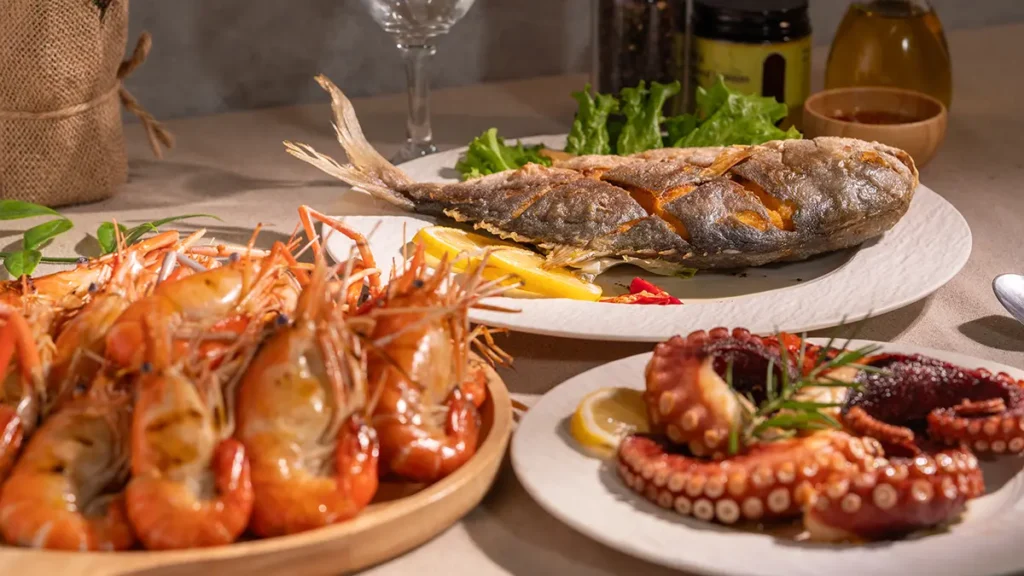
Salmon shows how seasoning changes with the cut, the cooking method and the final flavour you want to leave on the plate. The same judgement continues across other foods: knowing when to salt early, when to wait, where moisture will interfere and when the best salt should remain visible in the finished bite.
These guides carry that approach into whole fish, shellfish and finishing technique, with each ingredient asking for its own timing, placement and final touch.

Join the Maison Kojira Letter
Eat sharper. Host better. Be more present. Get practical notes on flavour, ingredients and the small details that make food worth sharing.