How to Season Scallops for Better Flavour
Scallops have a naturally sweet, delicate flavour. Great seasoning can deepen that sweetness, balance it with acidity, add warmth through aromatics, or create contrast that makes every bite more interesting. Salt, fat, acid and aromatics each play a different role.
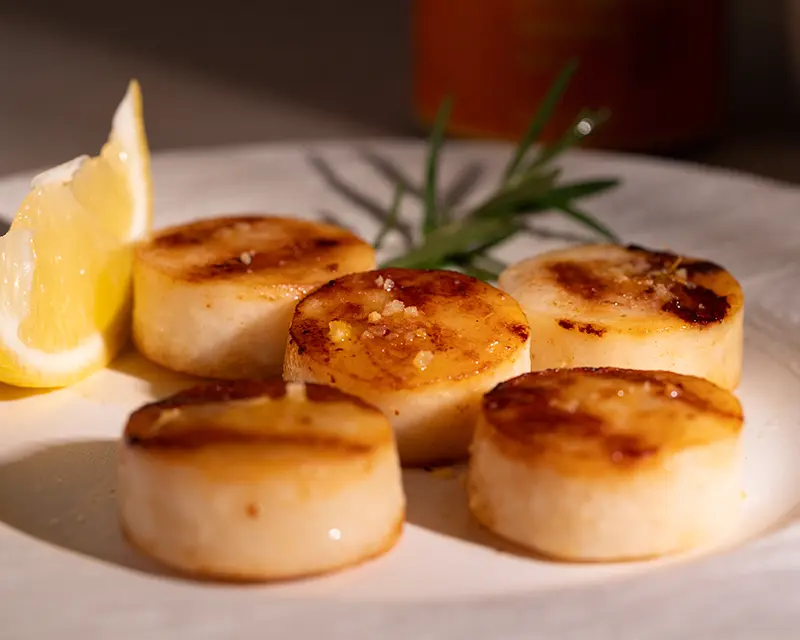
The best way to season scallops depends on the direction you want the dish to take. A clean mineral salt keeps the flavour precise. Butter adds richness. Lemon creates contrast. Herbs and aromatics can make the scallops feel fresher, warmer or more savoury.
For pan-seared scallops, the foundation stays simple: dry them thoroughly, season lightly, sear over high heat, then finish while the crust is still warm.
Quick Answer
How to Season Scallops
Salt scallops lightly right before searing, then finish them after cooking while they are still warm. Pat them completely dry first, season with a small amount of Kojira Artisan Mineral Salt for a clean crust or Kojira Preserved Lemon Salt for a subtle citrus note, then sear within 1 to 3 minutes. Do not salt scallops far ahead and leave them sitting, because salt can draw moisture back to the surface and make browning harder.
For six large scallops, use about ⅛ teaspoon of salt across the whole batch before searing. If moisture appears after salting, pat them dry again before they hit the pan. After cooking, finish immediately with a few crystals of the gourmet salt that fits the dish, adding brightness, warmth or a clean mineral finish.
What Flavours Work Best With Scallops?
Scallops have a naturally sweet, delicate flavour that rewards restraint. Rather than covering that flavour, good seasoning gives it direction.
A richer dish might build around butter and saffron. A lighter dish might use preserved lemon and olive oil. Fresh herbs can lift the sweetness, while black pepper or browned butter can add warmth. The goal is not to use every flavour at once, but to choose a clear direction and let the scallop remain at the centre of the plate.
Salt, fat, acid and aromatics each contribute something different. Understanding those four building blocks makes seasoning scallops much easier.
The Four Building Blocks of Seasoning Scallops
Salt builds the foundation
Salt seasons the scallop itself and helps define the crust. Before cooking, it creates the foundation of the flavour. After cooking, it becomes a finishing ingredient that can add brightness, warmth or a clean mineral finish depending on the gourmet salt you choose.
Fat carries flavour
Butter, browned butter and olive oil carry flavour and give scallops richness. They also help aromas spread across the palate, making the finished dish feel more complete.
Acid creates contrast
Acidity creates contrast. Fresh lemon gives immediate brightness, while preserved lemon brings a deeper, more rounded citrus character. Used with restraint, acid makes the scallop taste livelier without overwhelming its sweetness.
Aromatics decide the direction
Herbs, pepper, garlic and spices decide where the dish goes. Chives and parsley keep it fresh. Saffron adds warmth. Garlic adds savoury depth. The best aromatic is the one that supports the flavour direction you have chosen rather than competing with it.
Understanding these four building blocks makes it much easier to season scallops well.
How to Season Scallops Before Searing
The foundation of learning how to season scallops is surprisingly simple: dry them thoroughly, season lightly, then cook immediately.
Salt the scallops because the surface you season becomes the surface that browns. Even beautifully seared scallops can taste slightly flat if they go into the pan completely unsalted. A small amount of salt before cooking seasons the crust as it develops.
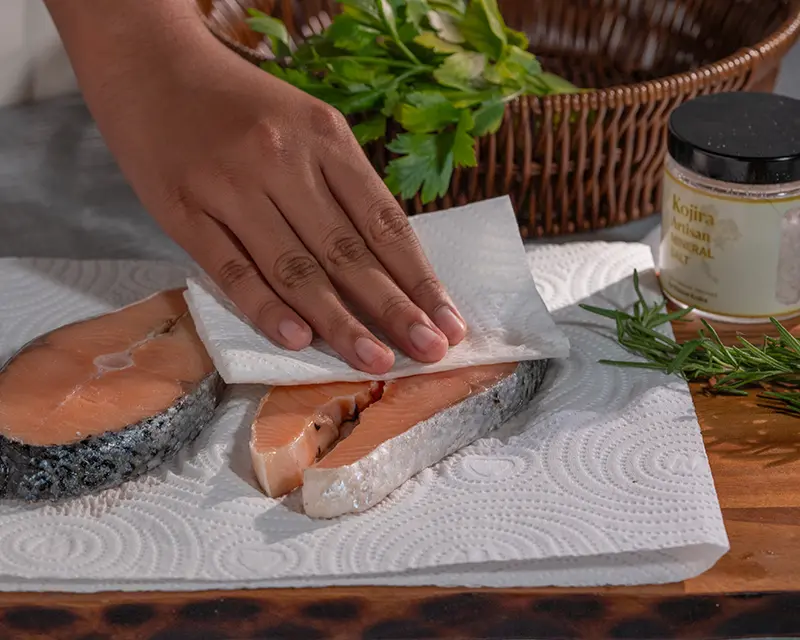
Drying comes first. Pat the scallops dry with paper towel until the surface no longer feels wet. Salt is not there to remove moisture; its job is to season the crust. If the scallops are salted too early and left sitting, moisture can return to the surface and make clean browning more difficult.
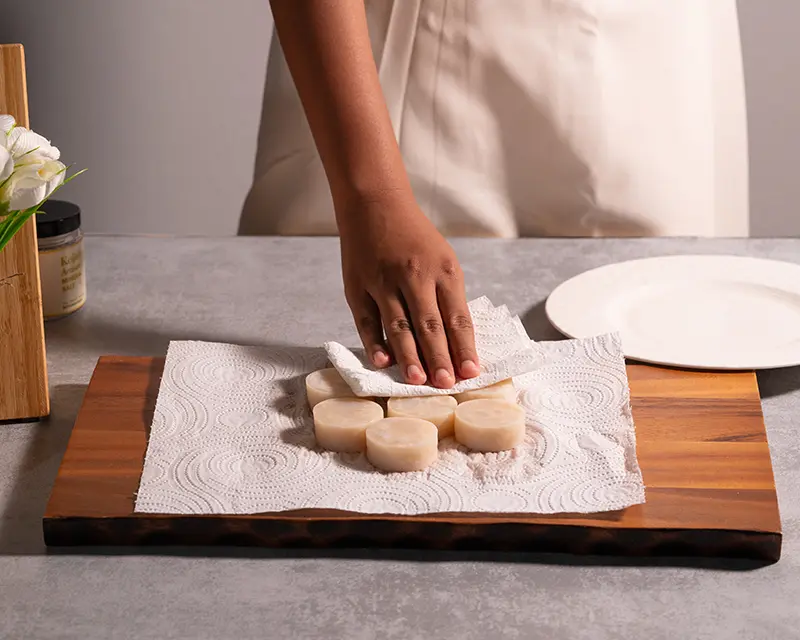
Step 1. Dry the Scallops
Place the scallops on paper towel and press them gently until both sides feel dry. This matters more than the salt itself. A wet scallop releases steam before it develops a crust.
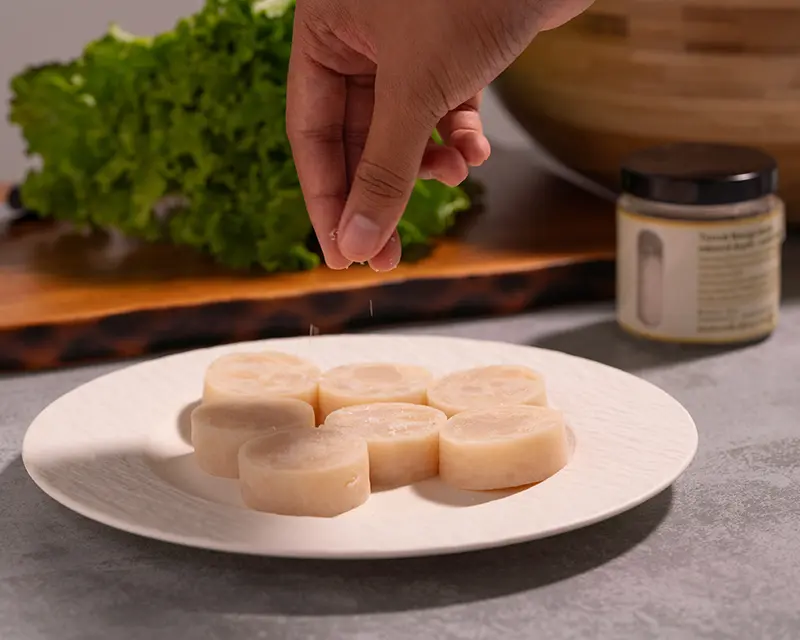
Step 2. Season Lightly
Season the dry surface with about ⅛ teaspoon of salt for six large scallops. The salt should lightly season the surface rather than coat it.
For the cleanest crust, Kojira Artisan Mineral Salt is the classic choice. If the dish benefits from a gentle citrus note, Kojira Preserved Lemon Salt also works well before searing.
Step 3. Cook Immediately
Move the scallops into the pan within 1 to 3 minutes. This gives the salt enough time to season the surface without allowing enough time for significant moisture to return.
Do not season the scallops and leave them waiting on the counter. If moisture appears after salting, pat the surface dry again before cooking.
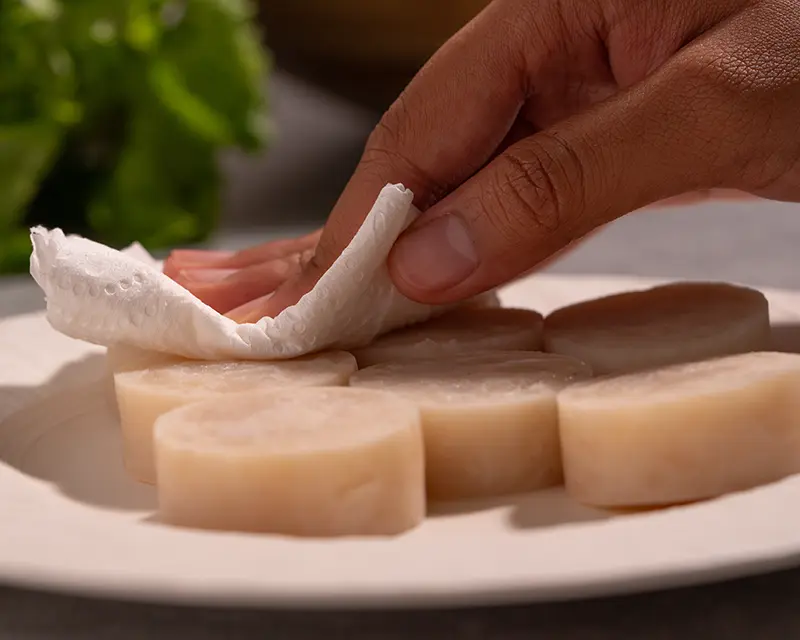
What If Scallops Release Moisture After Salting?
If moisture appears after salting, do not put the scallops straight into the pan. Pat them dry again first.
You are not trying to wipe away every trace of salt. You are removing the surface water that would stop the crust from forming. Moisture is the enemy of the sear. This is why timing matters more than simply adding more salt. The timing controls whether the surface stays dry enough to brown.
After cooking, salt has a different role. It is no longer there to season the raw surface before heat changes it. It becomes a finishing tool. A few crystals of gourmet salt on the warm crust can make the scallop taste brighter, warmer or more mineral without making it taste salty.
How Hot Should the Pan Be?
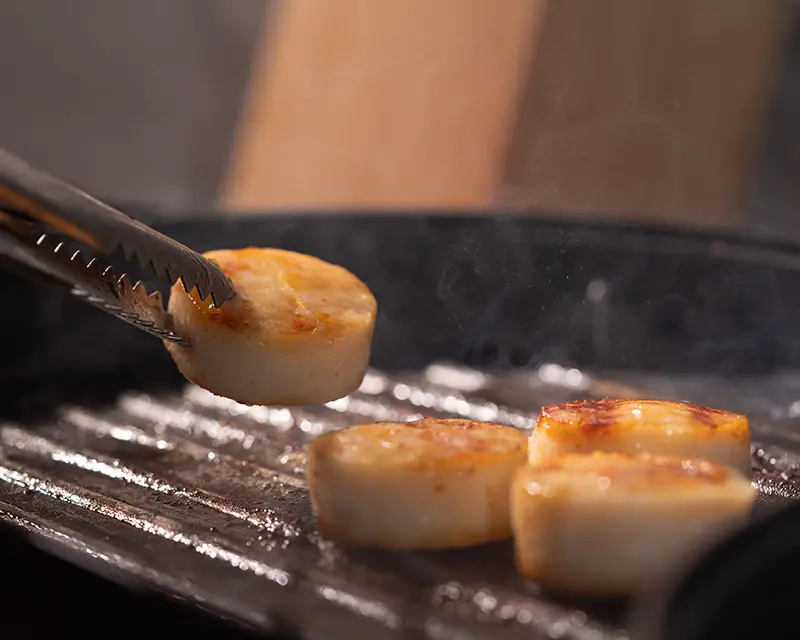
The pan should be hot enough that the scallops sear as soon as they touch the surface. If the pan is too cool, the scallops release liquid before they brown.
Use enough fat to make contact, but not so much that the scallops swim. Leave space between each scallop. Crowding the pan traps steam, and even well-dried scallops can turn pale and wet if they are packed too tightly.
Once the scallops are in the pan, leave them alone. The first side needs time to build colour. Move them too early and the crust tears before it forms. Sear hard, turn once, then take them off the heat while the centre is still tender.
The browning you are trying to build is part of the Maillard reaction, the same high-heat reaction that gives browned foods their deeper flavour. That is why dry surface, hard heat and not moving the scallops too early matter.
Finishing Scallops After Cooking
To season scallops well, the finishing step is just as important as the seasoning before cooking. It is no longer there to season the raw surface before heat changes it. It becomes a finishing tool.
This is where gourmet salt matters most. A few crystals on the warm crust can change the direction of the dish without making the scallop taste salty. The salt catches on the browned surface, dissolves lightly into the juices and makes the scallop taste sweeter, brighter or warmer.
Season scallops immediately after cooking, while they are still hot or warm.
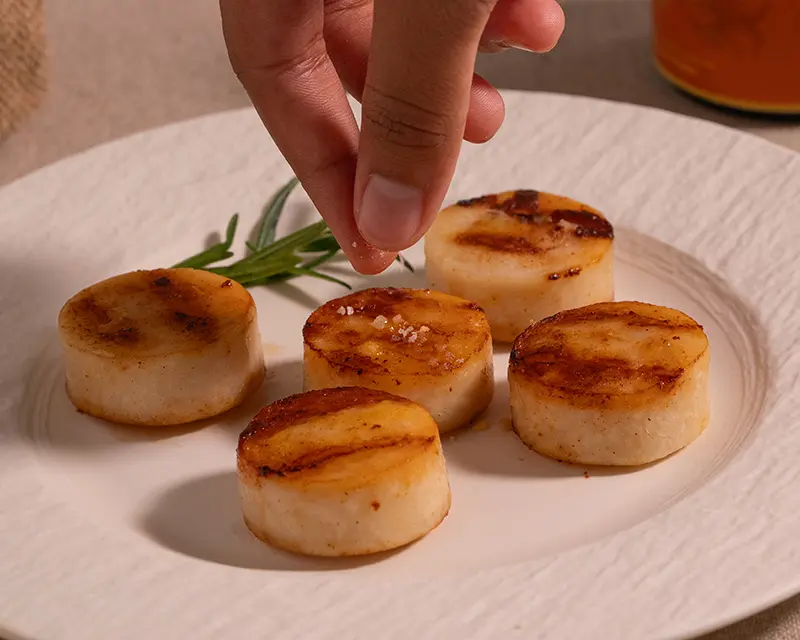
Do not wait until the scallops are cold. Do not throw finishing salt into a pool of butter where it disappears. Plate the scallops first, then finish the scallop surface directly. For clean seared scallops, use just a few crystals per scallop.
Choose the Flavour Direction
The same scallop can taste very different depending on the finishing salt you choose. Rather than adding more salt, think about the direction you want the dish to take. Do you want it brighter, warmer or more restrained?
For Brightness
Choose Kojira Preserved Lemon Salt when serving scallops with butter, olive oil, herbs or fresh lemon. It adds citrus depth and gentle salinity that lift the natural sweetness without turning the dish into a lemon-forward recipe.
For Warmth
Choose saffron salt when serving scallops with browned butter, warm pan juices, rice, risotto or richer seafood sauces. It adds warmth, aroma and colour that complement the scallop’s sweetness.
For Purity
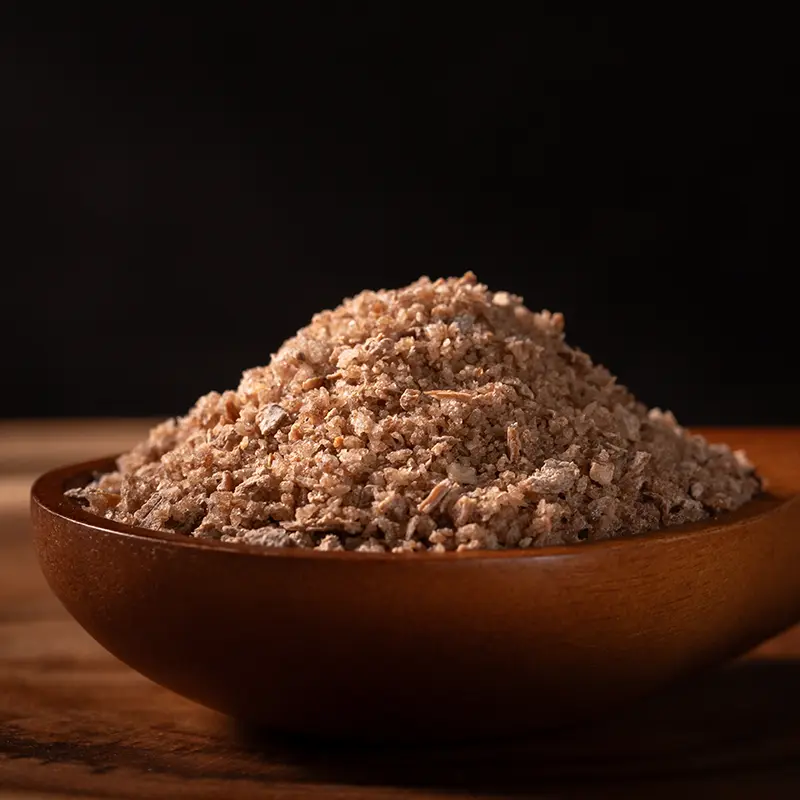
Choose Kojira Artisan Mineral Salt when you want the scallop itself to remain the focus. Its clean mineral character seasons without competing, making it an excellent choice for simple preparations where the quality of the scallop takes centre stage.
For Sweetness
A restrained vanilla salt can work beautifully in butter-led dishes. Used sparingly as a finishing salt, it gently deepens the scallop’s natural sweetness without making the dish taste sweet.
Serve Food Like You Know What You Are Doing
The Maison Kojira Letter shares the timing, flavour and hosting details that turn ordinary ingredients into food people remember.
Common Mistakes When Seasoning Scallops
The mistakes with scallops are usually small, but they show up quickly in the pan. Most come down to moisture, heat, timing and restraint rather than using more seasoning.
Salting Too Early
If scallops sit too long after salting, moisture can return to the surface. That moisture makes browning harder and can leave the scallops pale, soft or steamed instead of seared.
Using Too Much Salt Before Cooking
Before searing, the salt should be light. It is there to season the surface that becomes the crust, not to make the scallop taste salty.
Skipping the Paper Towel
Salt cannot fix a wet surface. Pat the scallops dry first, then salt them. If moisture appears again, dry them again before cooking.
Moving the Scallops Too Soon
A crust needs contact and time. Once scallops hit the pan, leave them alone until the first side has browned.
Finishing Into the Pan
Finishing salt works best on the warm scallop surface. If it goes into melted butter or pan juices, it dissolves quickly and loses precision.
Waiting Too Long to Finish
Season after cooking while the scallops are still warm. That is when a few crystals of gourmet salt can catch on the crust and shape the final bite.
By this point, it comes down to control: dry surface before heat, light mineral salt before searing, and expressive finishing salt while the crust is still warm.
Frequently Asked Questions About Seasoning Scallops
Should you salt scallops before searing?
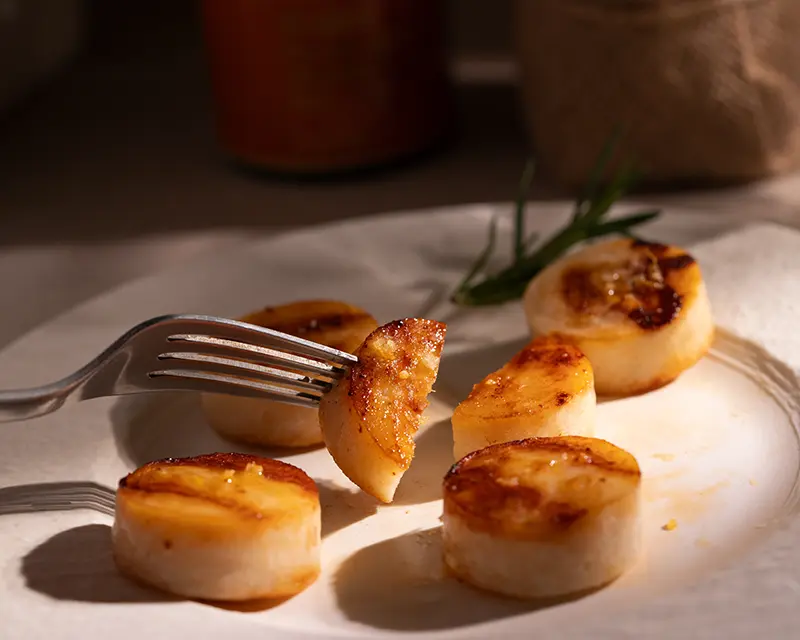
Yes, but only lightly and only right before searing. Pat the scallops dry first, season with a small amount of Kojira Artisan Mineral Salt, then sear within 1 to 3 minutes.
What seasoning goes best with scallops?
The best seasoning depends on the flavour direction you want to create. For a clean, classic finish, use a good mineral salt and butter. For brightness, add preserved lemon and fresh herbs. For warmth, pair scallops with saffron and browned butter. The most successful scallop dishes use restraint: season enough to complement the scallop’s natural sweetness, not to cover it.
Should you dry scallops after salting?
If moisture appears after salting, yes. Pat the surface dry again before the scallops hit the pan. You are removing water, not trying to wipe away every trace of salt.
Do you salt scallops before or after cooking?
Both can work, but they do different jobs. When to salt scallops depends on whether you are seasoning the crust before heat or finishing the warm surface after cooking. Salt before searing with Kojira Artisan Mineral Salt. Salt after cooking with Kojira Preserved Lemon Salt or Kojira Artisan Mineral Salt.
What salt is best for scallops?
Before searing, use Kojira Artisan Mineral Salt. After searing, use Kojira Preserved Lemon Salt for brightness, or Kojira Artisan Mineral Salt for a cleaner mineral finish.
How should you season scallops?
Yes, but use the same rule: dry first, salt lightly, then grill quickly. When to salt scallops on the grill follows the same logic as pan-searing: do not salt them far ahead and leave them wet on the surface. For grilled scallops, finishing salt after cooking often gives better control.
More Seafood Seasoning Guides
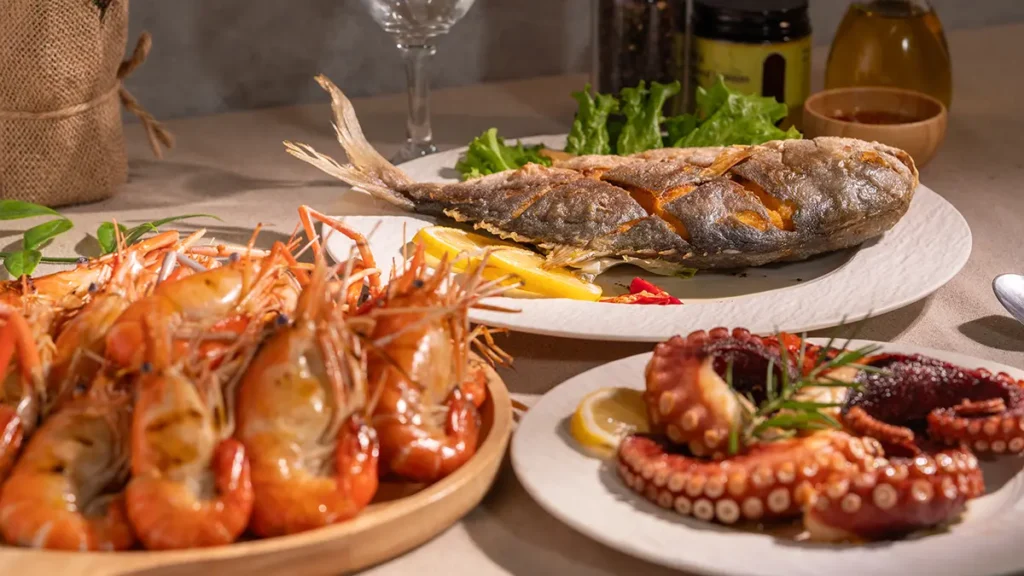
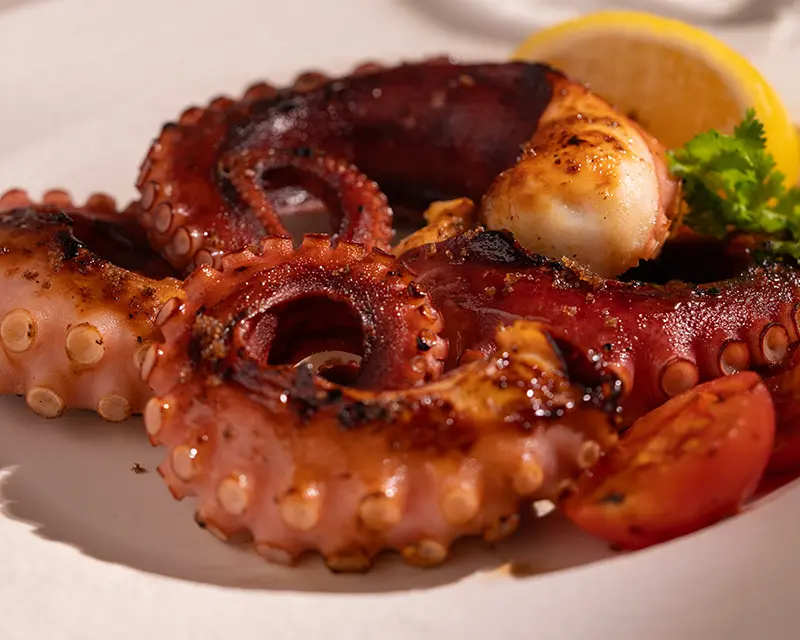
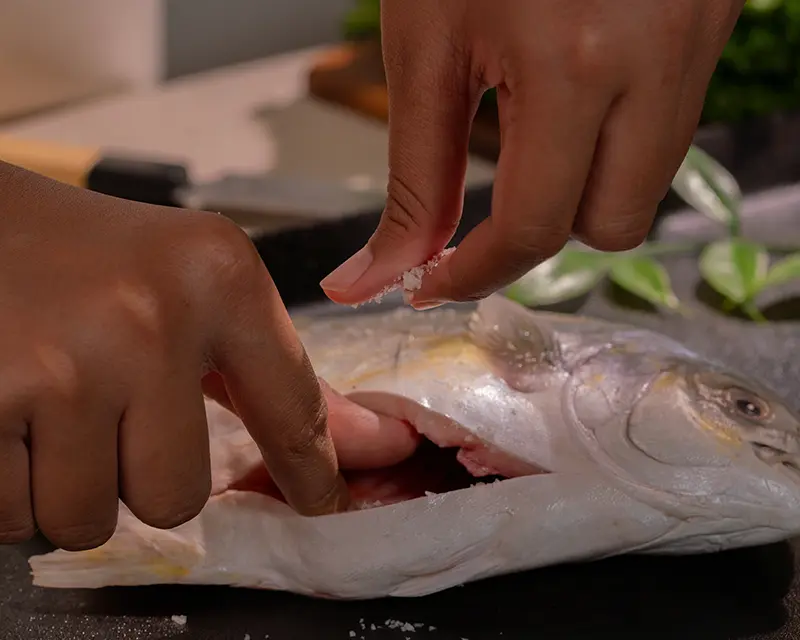
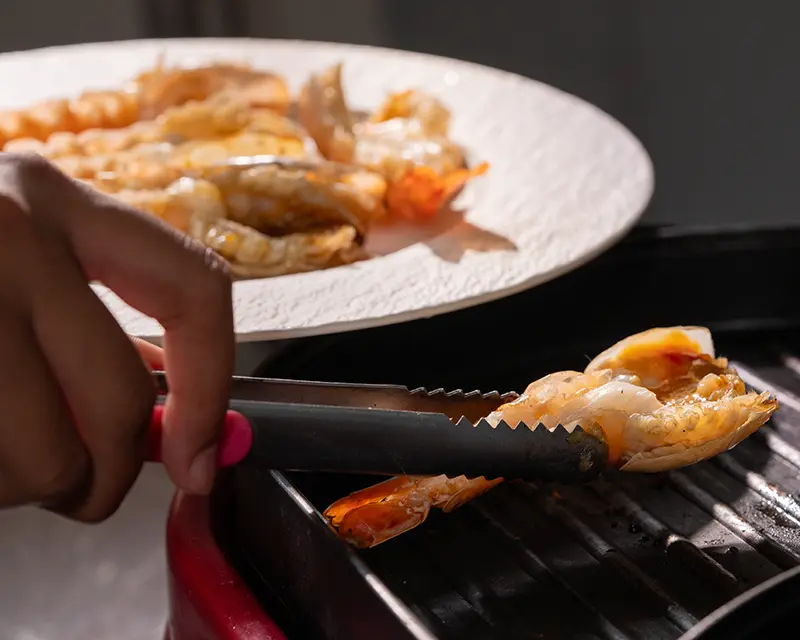
Now that you know how to season scallops, the same principles can be applied to shrimp, whole fish, salmon and octopus.
These guides continue the same salt-control logic across seafood, meat, finishing technique and flavour.
Join the Maison Kojira Letter
Eat sharper. Host better. Be more present. Get practical notes on flavour, ingredients and the small details that make food worth sharing.