How to Season Rice So It Tastes Better With Every Dish
You can make plain rice taste better in dozens of familiar ways: cook it in stock, add butter or oil, stir in garlic and herbs, or finish it with citrus and spices.
The harder part is deciding which of those choices actually belongs with the meal in front of you. If you are serving curry, the rice may need to stay quiet and absorb the sauce. With grilled fish, it may benefit from more freshness and lift. Alongside steak or roasted mushrooms, it can carry more depth. Fried rice needs a different approach again, because the seasoning is built in the pan through heat, fat and aromatics.
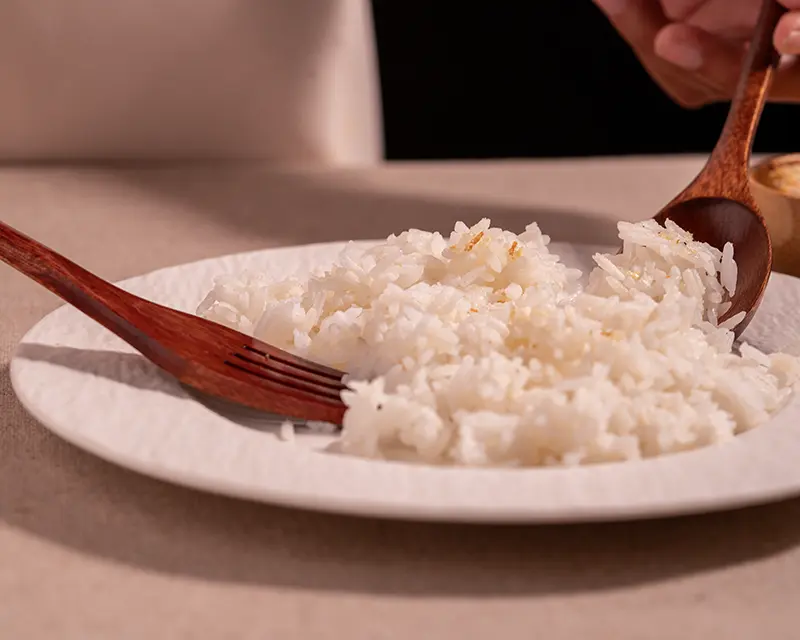
Good rice is not background. It carries sauce, softens heat, holds fat, catches juices and gives the meal somewhere to land. Seasoning should help it do that without making the rice compete with everything around it.
Sometimes you build flavour into the cooking liquid. Sometimes you add richness while the rice cooks. Sometimes the warm grains need a final lift from herbs, citrus, olive oil or finishing salt. And sometimes the best decision is to leave them almost plain.
Before choosing what to add, ask yourself: “What does this rice need to do in this meal?”
Match the Seasoning to the Meal
The same bowl of rice can play very different roles depending on what comes next.
Beside a rich curry, rice gives the sauce somewhere to settle. With grilled seafood, it should stay light enough to let delicate flavours shine. Alongside roasted meat, it can carry a little more richness. With vegetables, it often acts as the thread that brings the plate together.
That is why there is no single best way to season rice. The meal decides.
| If you’re serving… | Season the rice… |
|---|---|
| Thai curry | Lightly, so it absorbs the sauce without competing with it. |
| Grilled seafood | With freshness and a clean finish. |
| Steak or roasted meat | More confidently, adding richness and savoury depth. |
| Roasted mushrooms | To complement earthy flavours rather than cover them. |
| Roasted or grilled vegetables | With olive oil, herbs and clean salinity. |
| A simple rice bowl | Finish while warm with herbs, citrus, olive oil or finishing salt. |
| Fried rice | Throughout cooking, building flavour through heat, fat and aromatics. |
Build Flavour in Layers
A useful way to think about how to season rice is to decide when each flavour should go in. You do not need to add everything at once. Some ingredients work best in the cooking liquid, others need heat and fat, and some should only touch the rice after it is cooked.
Before Cooking
Start with the liquid. Use plain water when the rice needs to stay neutral beside curry, chilli or a strongly seasoned sauce. Use stock when the rice has to carry more of the meal itself.
You can also add whole spices, tea or a gentle infusion here. Because the rice cooks in that liquid, the flavour moves through the grains rather than sitting on the surface. When deciding how to season rice throughout the grain, this is usually the best time to add salt.
During Cooking
If you want butter, olive oil or aromatics to become part of the rice instead of sitting on top, add them while it cooks.
Butter makes the grains feel rounder and richer. Olive oil brings fruitiness and helps carry herbs or spices. Garlic, onion and other aromatics soften as they cook, so their flavour becomes warmer and less sharp. Keep tasting the meal in your head. If a rich curry or sauce is coming, stop early. If the rice needs to stand beside grilled meat, vegetables or eggs, you can build more flavour here.
Fried rice is the clearest example. You season it in the pan, where heat, fat, egg, aromatics and sauce come together.
After Cooking
Once you fluff the rice, you have your last chance to decide what it needs. Fluff it first, then add fresh herbs, citrus, olive oil, flavoured butter or finishing salt. These ingredients stay brighter on the surface and give you more control over the final balance.
This is the moment to adjust the rice to the meal. Add freshness for seafood, savoury depth for mushrooms or roasted meat, or keep the finish clean when the rest of the plate already carries plenty of flavour. The final addition should complete the rice, not bury it.
Season Different Types of Rice Differently
How to season rice also depends on the grain itself. The meal tells you what the rice needs to contribute; its fragrance, bran, starch and cooking method determine how you get there.
How to Season Jasmine Rice
Thai jasmine rice is one of Thailand’s great food ingredients, and much of the country’s prized Hom Mali rice is associated with the Northeast. For Maison Kojira, that connection is personal: our family grows jasmine rice in Isaan, close to the same landscape that shapes our mineral salt.

Jasmine rice already has character. When cooked well, it is soft, fragrant, and quietly floral. Heavy salting can flatten that. When jasmine rice is served with Thai food or spicy foods from other kitchens, it often needs restraint because the dishes around it carry salt, heat, fermentation, acidity, sweetness, and fat. Once you understand how to season rice, finishing salt becomes a final adjustment rather than a rescue mission.
This is where restraint matters. Jasmine rice should still smell like jasmine rice. It should be soft enough to receive curry, grilled meat, chilli, herbs, or sour fermented flavours without becoming another loud thing on the plate. When the rice is good, salting it well often means knowing when to stop.
👩🏽🍳 Better Rule: let jasmine rice stay fragrant. Salt it according to what sits beside it.
How To Season Brown Rice
Brown rice carries more flavour of its own than jasmine rice. That means it can also carry more seasoning without losing its identity. The bran layer gives it more chew, nuttiness, and earthiness, so a little salt during cooking helps it taste fuller.
Salt brown rice during cooking rather than trying to fix it after. If you add salt only at the end, the surface may taste seasoned while the grain underneath stays dull.
Brown rice needs enough salt to bring out its grainy, nutty side. Without it, the bran can taste dry and dull. With the right amount, the rice feels warmer, rounder, and more satisfying before anything else is added.
How To Season Sticky Rice
Sticky rice needs restraint. Across Southeast Asian cooking, and especially in Isaan and Northern Thai dishes, it is often eaten with intensely seasoned food: grilled meat, larb, som tam, jaew, fermented sauces, salty dips, herbs, chilli, and acid.
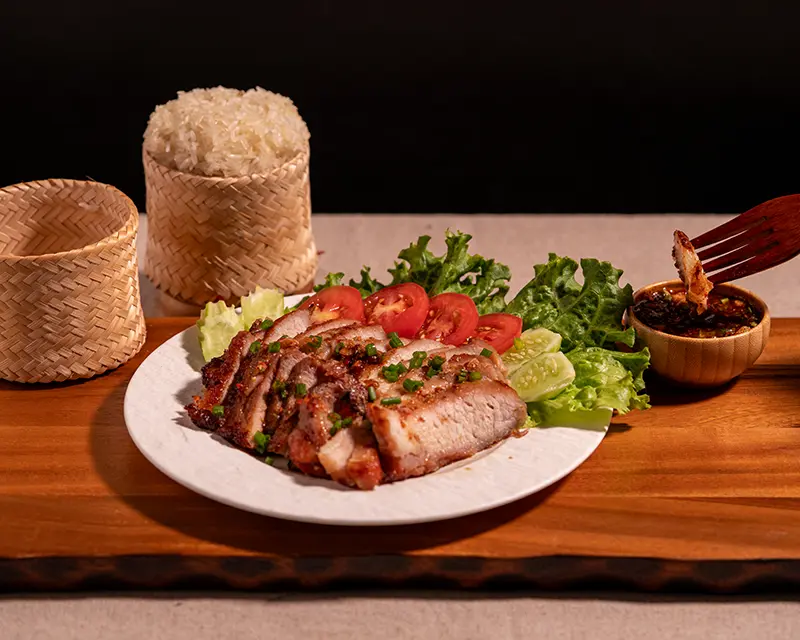
In that setting, sticky rice should carry the food, soften the stronger flavours, and give what you are serving structure. This is where how to season rice becomes less about adding flavour and more about protecting balance. If the rice is heavily salted, every bite becomes louder: the dips taste sharper, the meat tastes saltier, and the rice stops calming the plate.
If sticky rice is served plain, add only a small amount of salt after steaming while the rice is still warm: about 0.5–1 g salt per 100 g uncooked sticky rice. Skip the salt when sticky rice is served with larb, som tam, jaew, grilled meat, fermented sauces, or salty dips.
👩🏾🍳 Quick Rule: keep sticky rice lightly seasoned unless it is the main dish.
How To Season Fried Rice
Fried rice should be seasoned in the pan, not in the rice cooker.
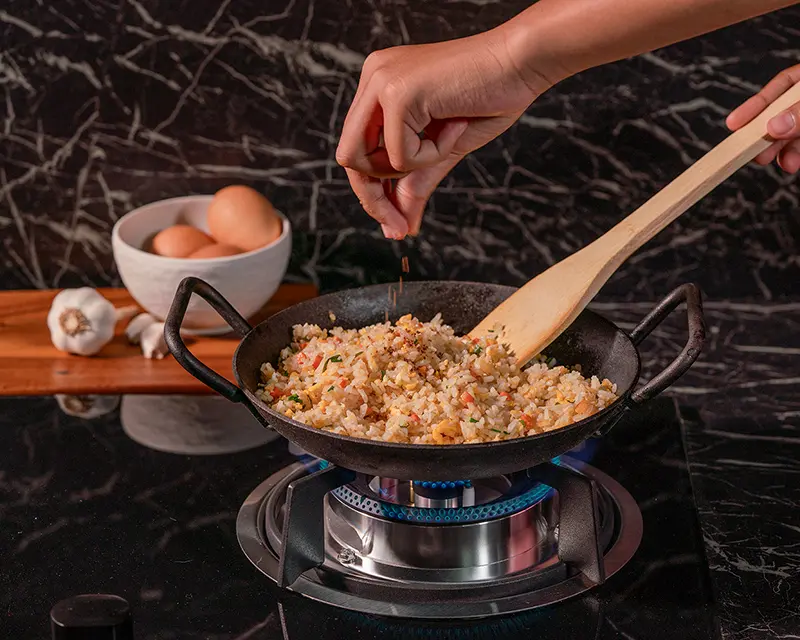
Start with cooked rice that is plain or only lightly salted. Then build the seasoning in the wok or pan with fish sauce, soy sauce, salt, white pepper, aromatics, egg, meat, seafood, or vegetables.
Taste near the end, after the rice has taken on fat and heat and some moisture has cooked off. Fried rice can change quickly in the pan: a splash of fish sauce, soy sauce, or a pinch of salt becomes more noticeable as the rice dries and the flavours concentrate. Fried rice is not plain rice with seasoning added later. It is rice rebuilt in heat, fat, aromatics, and sauce.
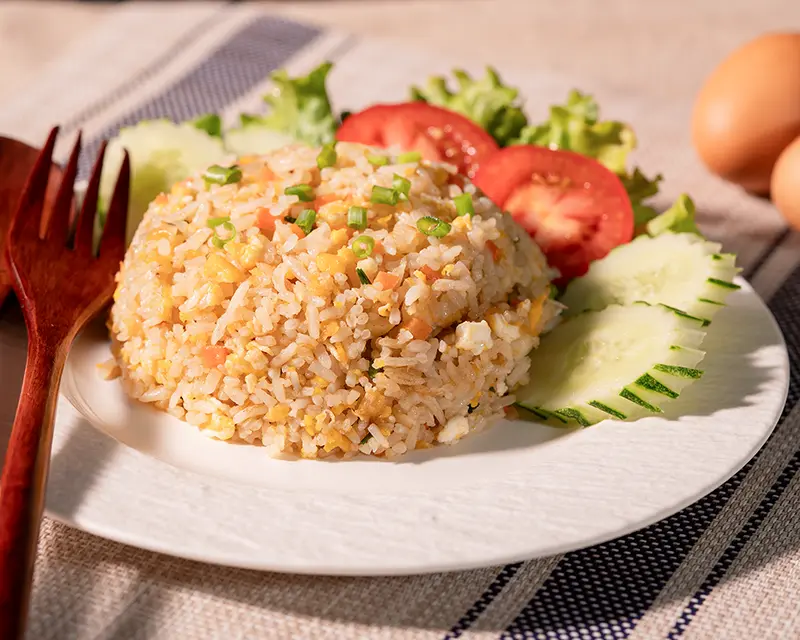
👩🏼🍳 Better Rule: for fried rice, season the pan, not the rice cooker.
Before you season the rice
Four Questions to Ask
Whatever kind of rice you are cooking, how to season rice comes down to four decisions.
What does the rice need to do?
Carry a curry, balance grilled meat, support seafood, or become part of the dish itself?
When should the flavour go in?
Into the cooking liquid, while the rice cooks, or after it has been fluffed?
How does this rice want to be seasoned?
Consider its fragrance, texture and cooking method before deciding how much flavour it can carry.
Does the rice need anything else?
Sometimes a final pinch completes it. Sometimes the better decision is to stop.
Should You Salt Rice Before Cooking or After?
Salt rice before cooking when you want the rice itself to taste lightly seasoned. The salt dissolves into the water and moves into the grains as they cook.
Salt after cooking when you want more control, or when the rice will be served with sauces, curries, stir-fries, grilled meat, dips, or fermented flavours.
If the rice is the quiet part of the meal, keep it quiet. If the rice itself is the dish, season it.
How Much Salt To Use For Rice
For plain rice, start with 1–2 g salt per 100 g uncooked rice.
For 500 g uncooked rice, that means about 5 to 10 g salt. The lower end is usually enough when rice is served with curry, chilli, soy sauce, fish sauce, dips, fermented sauces, or heavily seasoned grilled food. The higher end belongs to rice that has to stand more on its own: rice with eggs, butter, mushrooms, olive oil, vegetables, or grilled meat.
Rice should taste complete, not noticeably salty.
Use less for white rice served with spicy and fragrant foods, such as Indian or Thai dishes. Use more for rice served simply with eggs, vegetables, butter, olive oil, mushrooms, or grilled meat. This is where how to season rice becomes practical: start with a small amount, then adjust for the meal around it.
Want Better Seasoning Instincts?
The Maison Kojira Letter goes deeper into rice, eggs, potatoes and the small seasoning decisions that make everyday food taste more complete.
Finish Only When the Rice Needs It
How to season rice at the end depends on whether the rice needs lift, or whether the rest of the plate is already doing the seasoning. Finishing salt works best when rice is served simply: with eggs, grilled meat, vegetables, mushrooms, butter, olive oil, sesame, herbs, or as a rice bowl.
Use little or none when rice is served with curry, stir-fries, soy sauce, fish sauce, salty dips, fermented sauces, salted egg, or highly seasoned grilled food.
Finishing salt belongs on rice when the rice is exposed. A bowl of warm rice with eggs, mushrooms, butter, grilled meat, vegetables, or olive oil can take a final pinch beautifully. Rice buried under curry, soy sauce, fish sauce, dips, or fermented flavours usually does not need that extra voice.
👩🏻🍳 Chef tip
Fluff the rice before adding finishing salt. When rice is still compact from steaming, salt tends to sit unevenly on the surface. Once the grains are loosened, a small pinch spreads more evenly and lifts the flavour of the whole dish.
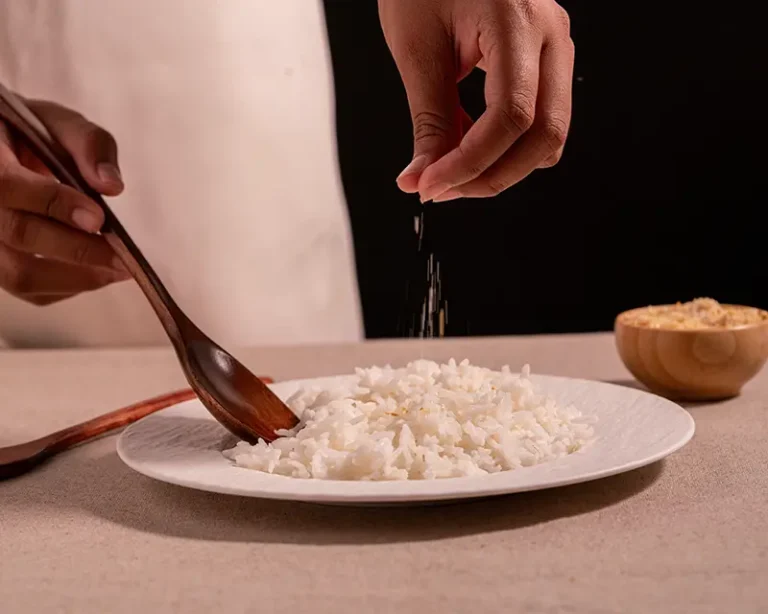
Best Finishing Salts for Rice
Choose the salt after you know what the rice is doing. Brown rice and mushrooms want depth. Fried rice wants darker umami salt. Seafood rice wants lift.
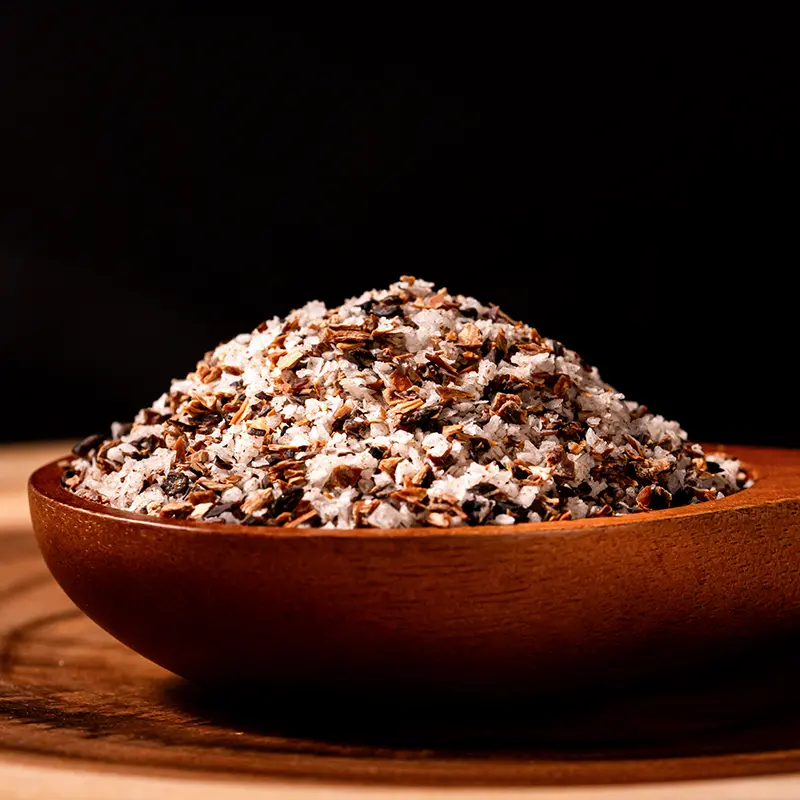
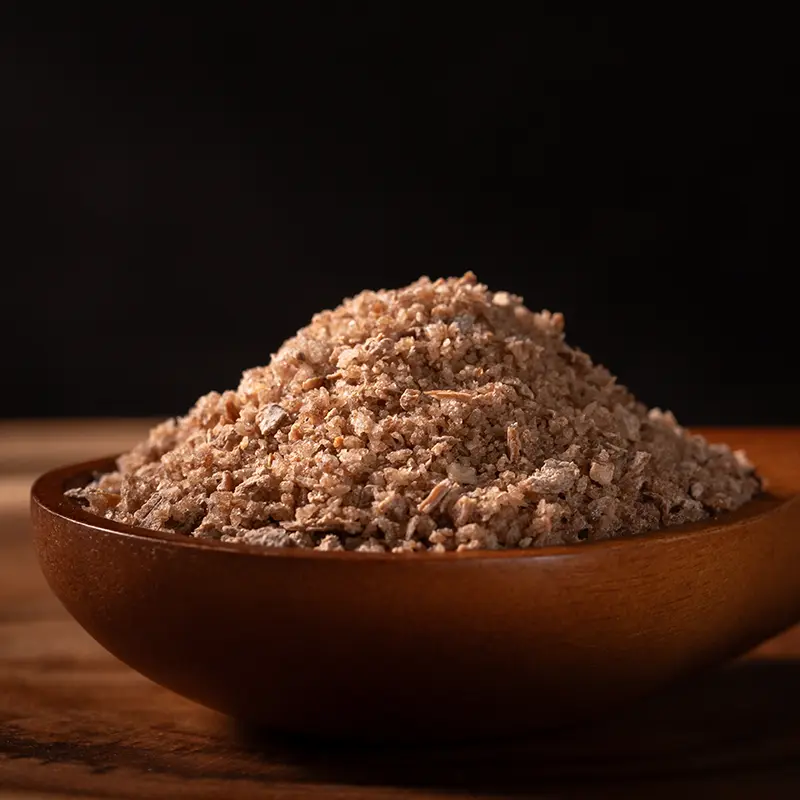
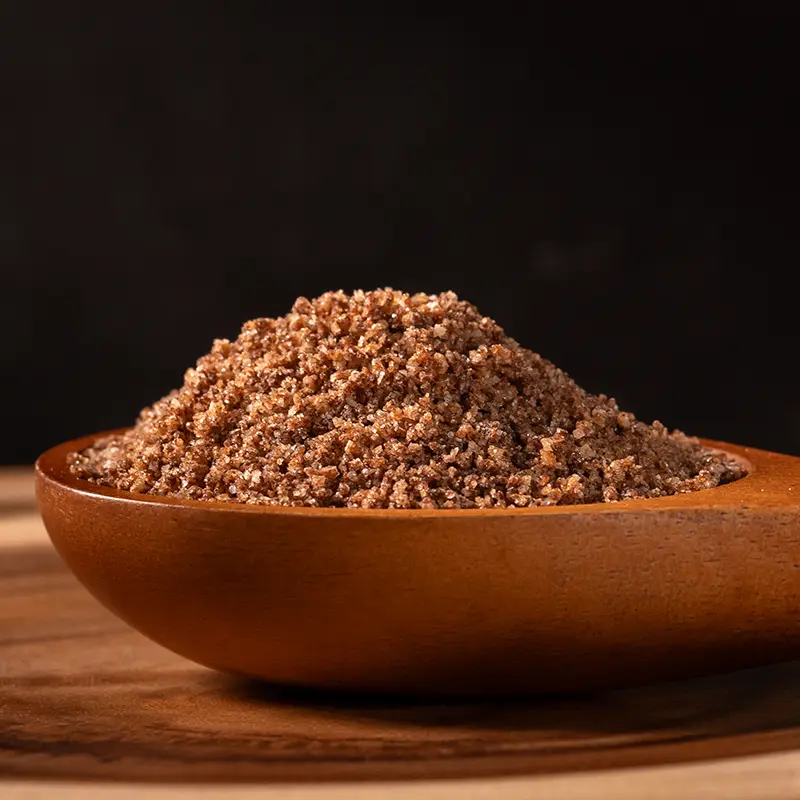
🧑🏼🍳 Salt Pairing Rule: Good rice doesn’t ask for attention. It makes the rest of the meal taste more complete. Season it accordingly.
Frequently Asked Questions About How to Season Rice
Should you salt rice before cooking or after?
When you’re deciding how to season rice, think about what the rice needs to do in the meal. Salt rice before cooking when you want the rice itself to taste lightly seasoned. Salt after cooking, or use no extra salt, when the rice is served with salty sauces, curries, dips, or stir-fries.
How much salt should you use for rice?
For plain rice, start with 1–2 g salt per 100 g uncooked rice. Use less for jasmine rice served with Thai food, and more for rice served simply.
Should you salt sticky rice?
Usually very little, or not at all. Sticky rice is often served with strongly seasoned food, so it should support the meal rather than compete with it.
How much salt should you use for 500 g rice?
For 500 g uncooked rice, use about 5–10 g salt. If you’re wondering how to season rice for a complete meal, adjust that amount to what you’re serving it with. Use less with curries, stir-fries, dips, soy sauce, fish sauce, or chilli. Use more only when the rice is meant to taste seasoned on its own.
Related Guides
Once you understand how to season rice, the same logic becomes easier to use elsewhere: season for the food, the cooking method, and the role it plays on the plate.
Technique Guides
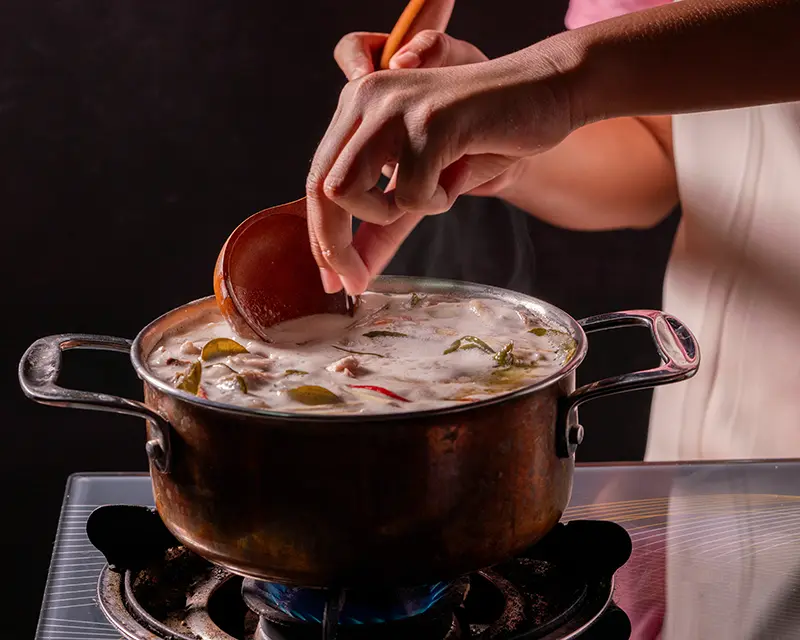
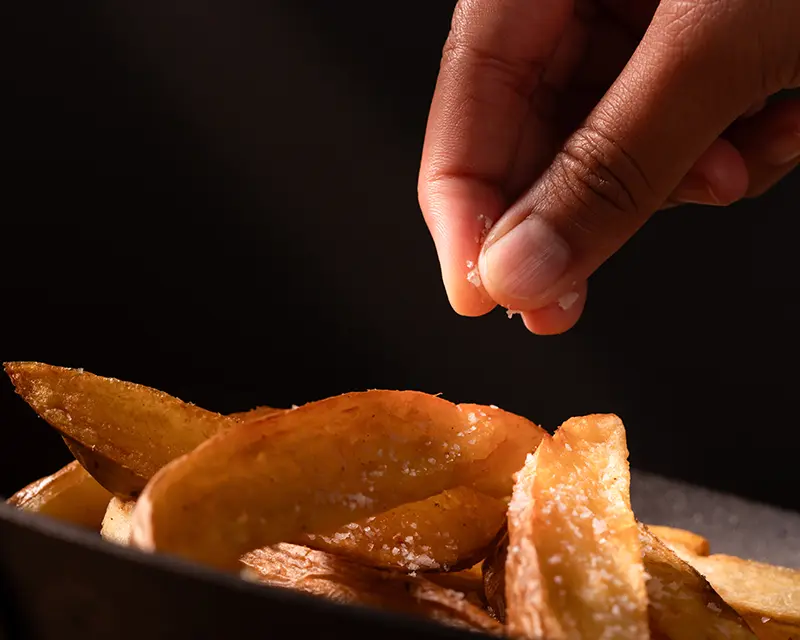
Start here if you want the broader logic behind better salting: how chefs use finishing salt, and how salt changes flavour, aroma, texture, and balance.
More Salting Guides
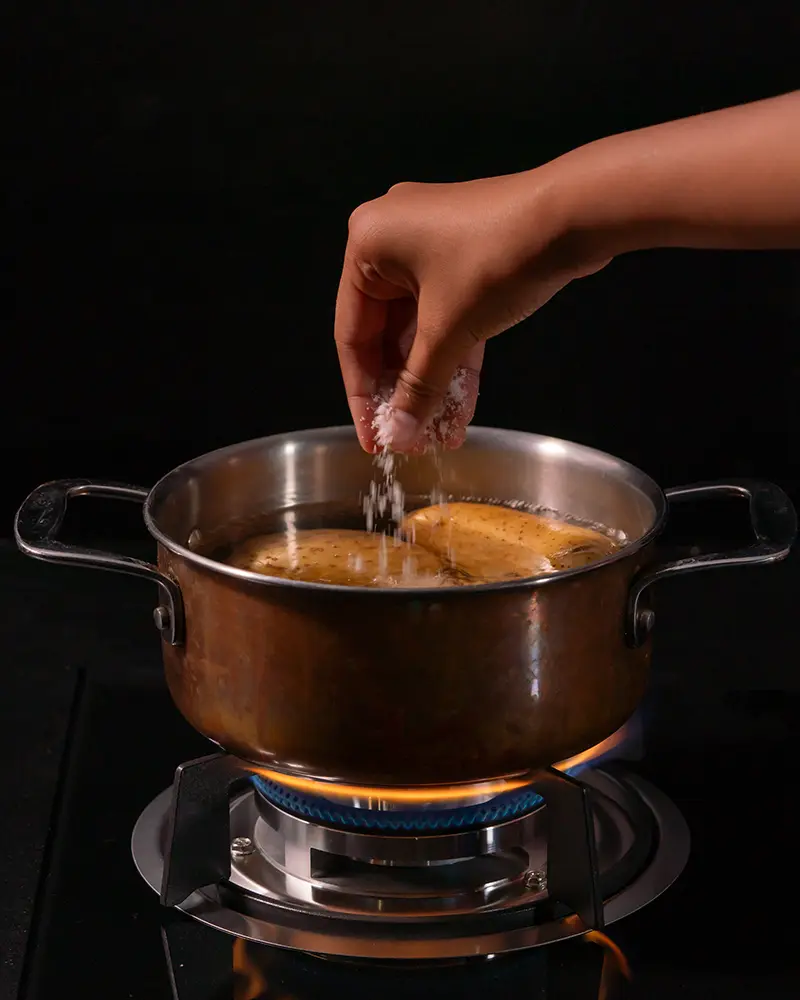
Use the same judgement across everyday cooking: when to salt early, when to finish at the end, and when to hold back because the dish already carries enough seasoning.
Join the Maison Kojira Letter
Eat sharper. Host better. Be more present. Get practical notes on flavour, ingredients and the small details that make food worth sharing.