When to Salt Shrimp for Sweet, Juicy, Well-Seasoned Prawns
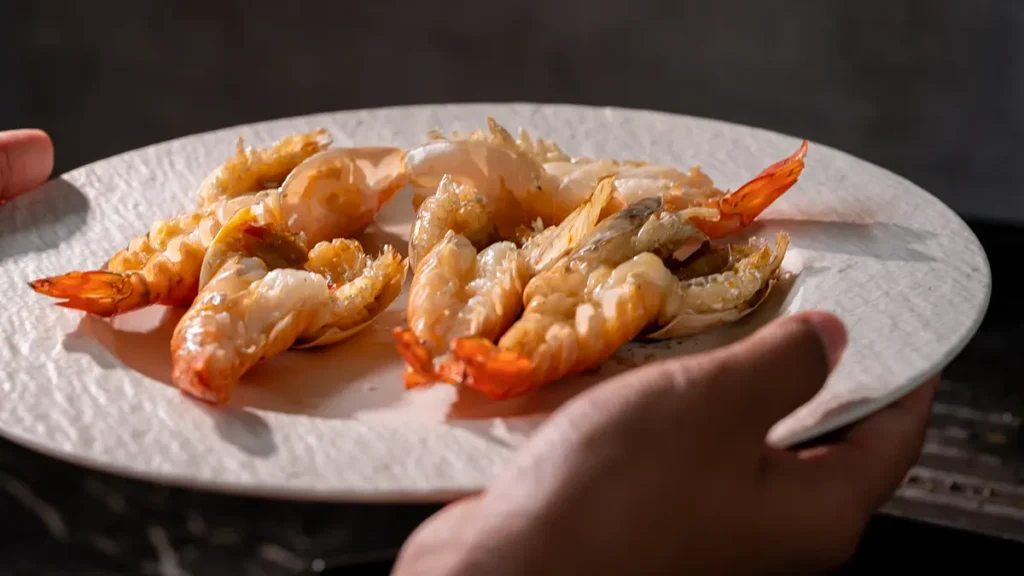
Shrimp seem almost too easy. Split them open, brush them with oil or butter and lay them over a hot grill. Within minutes, the shells turn orange, the edges begin to brown and the exposed flesh turns opaque while staying juicy. At their best, they taste sweet and rich, with buttery juices gathered in the cut and just enough char to make you reach for the next one. A squeeze of lemon at the table can sharpen the flavour, but they are already good to go.
That is why we like shrimp. But that simplicity is also exactly why knowing when to salt shrimp matters. There is no heavy sauce or long marinade to hide a prawn that tastes flat. Prawns and shrimp are usually served with little more than citrus and herbs.
If you salt only the shell, much of the seasoning never reaches the flesh. If you add it at the wrong moment, you miss the chance to season the flesh and its juices properly. But get the timing right and the sweetness becomes clearer, the juices taste fuller and the prawns arrive at the table already tasting complete. This guide shows you how.
Quick Answer
When to Salt Shrimp
Before Cooking
For flavour that settles into the flesh
Salt peeled shrimp or butterflied prawns shortly before cooking.
Apply the salt directly to the exposed flesh.
After Cooking
For salt you taste more directly
Salt the shrimp while it is still warm. The crystals cling to the juices on the warm flesh, making the sweetness clearer and the seasoning more immediate.
Before and After
For depth and lift
Season lightly before cooking, then taste one prawn while warm.
Add a few crystals if the sweetness still feels muted or the juices need a little more salt.
Why When to Salt Shrimp Depends on the Shell
If you have ever peeled a beautifully grilled shell-on prawn and found the flesh less seasoned than expected, the shell is probably the reason. The shell looked beautifully seasoned, but much of the sweet meat underneath had received very little salt.
That shell still earns its place. It shields the delicate flesh from direct heat, helps hold the juices inside and gives you the pleasure of pulling the prawn apart at the table. There is something almost primal about that, isn’t there?
Butterflying gives you both. Cut the prawn along the back, remove the vein and open it out while leaving the shell attached. The exposed centre lets salt meet the glossy flesh directly and creates a channel where oil, butter or lemon can collect as it cooks. Underneath, the shell continues to protect the meat and hold its juices.
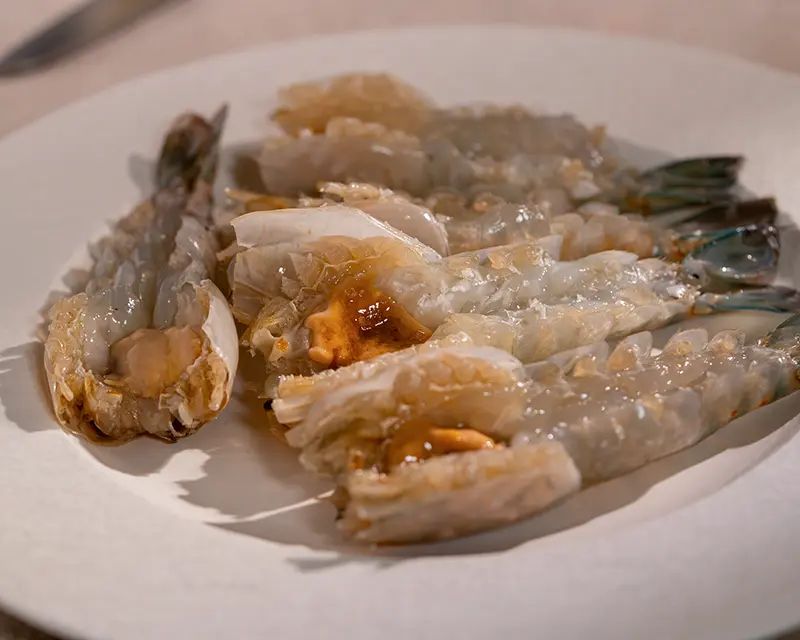
Once the flesh is exposed, timing changes what you taste. Salt it before cooking and the seasoning begins moving into the exposed flesh, so it tastes integrated rather than added only at the surface. Add it afterwards and more of the salt remains near the surface, where you taste it sooner and more distinctly. Use a little at both moments when you want the flesh seasoned first and a clearer final layer on top.
How to Salt Shrimp in Different Forms
Intact Shell-On Prawns
Salt placed over an intact shell has limited access to the flesh. Season the butter, sauce or cooking liquid instead, or add salt after the prawns have been peeled. For grilling, a small amount around the opening near the head or between separated shell sections can help, but most seasoning still remains outside.
Butterflied Shell-On Prawns
This is the most useful form for salting before grilling or searing. Spread the salt over the exposed flesh, leave it for 5 to 10 minutes, blot away loose moisture and cook over high heat. The shell protects the underside while the open centre takes the seasoning directly.
Peeled Raw Shrimp
Without the shell, salt reaches the flesh quickly. Use a lighter hand and salt only shortly before cooking. Long rests are unnecessary and make precise seasoning harder to control.
Already-Cooked Shrimp
Season while the shrimp are still slightly warm or immediately after draining. The surface moisture helps the crystals soften and adhere. Taste first when the shrimp were boiled in salted water or cooked in a seasoned sauce.
Salt Before Cooking When You Want the Flavour to Settle Into the Prawn
When the flesh is exposed, salt can reach the prawn before it cooks. For six large butterflied tiger prawns, spread about 2 g of salt over the cut flesh rather than the shell. Leave them for 5 to 10 minutes, then grill or sear in a hot pan.
This works especially well when the prawns are carrying the meal: brushed with butter, grilled until the edges colour, then served with lemon, herbs, rice, bread or a cold salad. Because the flesh was seasoned before it met the heat, the prawns already taste complete when they come off the grill.
A marinade gives a different result. Oil, garlic, chilli, herbs or citrus coat the prawns and leave them softer and more glazed. The extra moisture can slow browning, so let the excess drip away before cooking. When you want cleaner contact with the grill or pan, salting the exposed flesh is the more direct route.
During the short rest, the salt dissolves in the moisture on the surface and begins seasoning the outer flesh. By the time the prawns are cooked, the exposed centre already carries the salt rather than depending entirely on seasoning added at the end.
Which Salt to Use Before Cooking
When you want the prawn’s own sweetness to remain at the centre, mineral salt is the natural choice. It seasons the exposed flesh without adding another flavour, leaving room for lemon, herbs or sauce at the table.
Sometimes, though, you want another flavour there from the beginning. A wet marinade can do that, but it also adds moisture to the surface. Dry zest brings aroma, although much of it remains separate as the salt dissolves.
A salt with flavour already worked into it gives you another route. Kojira Preserved Lemon Salt is made with six-month preserved-lemon brine and slowly dried peel integrated into mineral salt. As the crystals dissolve, the salt and preserved-lemon character season the exposed flesh together.
When the prawns come off the grill, the exposed flesh already carries that rounded, savoury citrus. Serve them as they are, squeeze over fresh lemon for a sharper edge, or add butter, garlic, chilli and herbs.
Before the Prawns Reach the Heat
Keep the Surface Dry
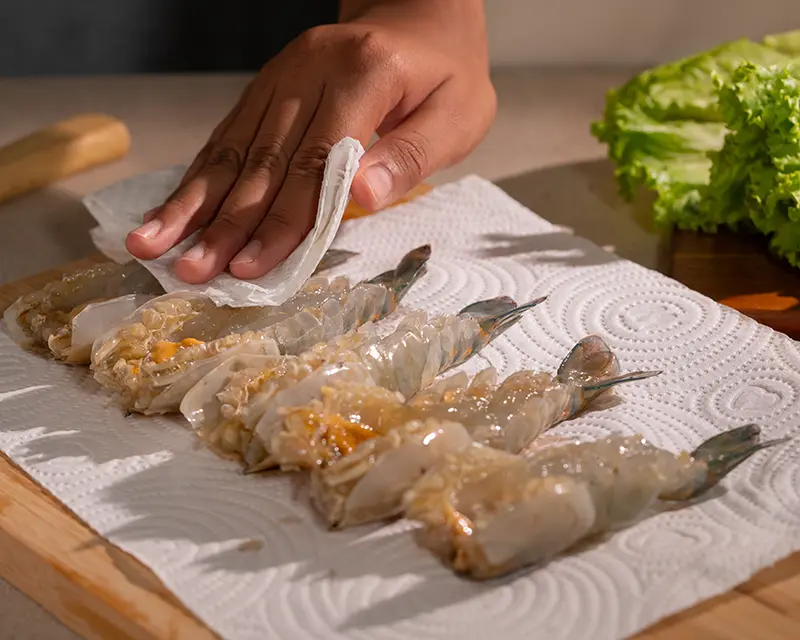
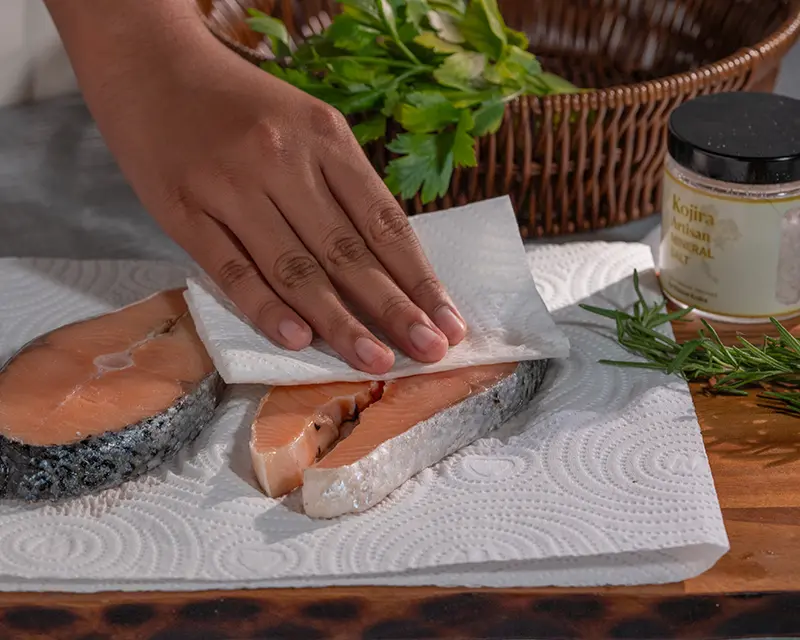
After the short salting rest, the exposed flesh may look slightly damp as the salt draws out surface moisture. Before the prawns meet the heat, you can gently blot away that loose moisture with paper towel.
Blotting is better than wiping because it preserves more of the dissolved seasoning. Once the surface is dry, the prawns can go straight onto a hot grill or into a hot pan.
Butterflied Prawns Cook More Quickly
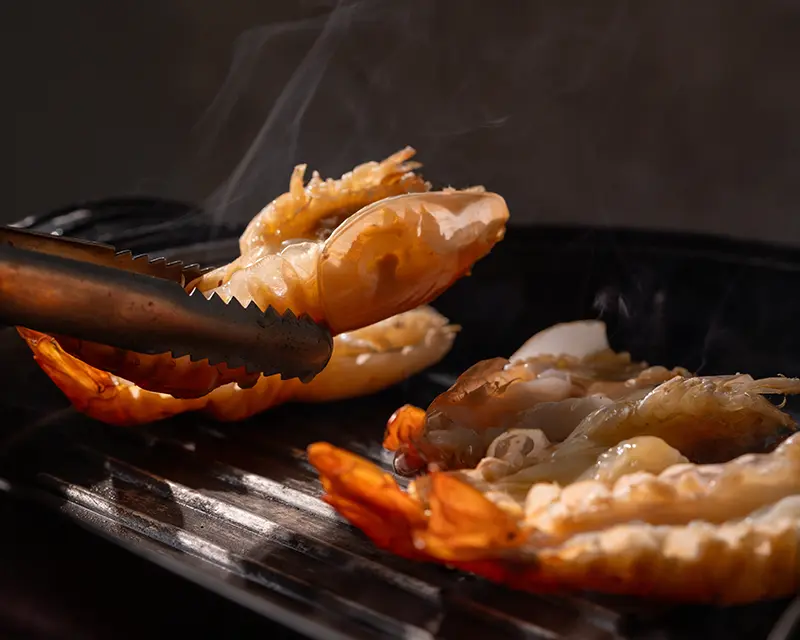
Because more of the flesh is exposed directly to the heat, your butterflied prawns will cook faster than intact shell-on prawns. You will know they are ready when the flesh turns pearly and opaque but still looks juicy.
While they are still warm, you can taste one to see whether the flesh already feels complete or needs a final pinch of salt.
What Salt Does After Cooking
Salt added while the prawn is still hot clings to the juices and melted butter on the exposed flesh, where you taste it more directly. You taste it earlier in the bite than salt added before cooking, so a restrained pinch can make the sweetness clearer and bring garlic, chilli or lemon forward.
That can be your only salting moment, or you can create a second layer when you already seasoned the shrimp before cooking.
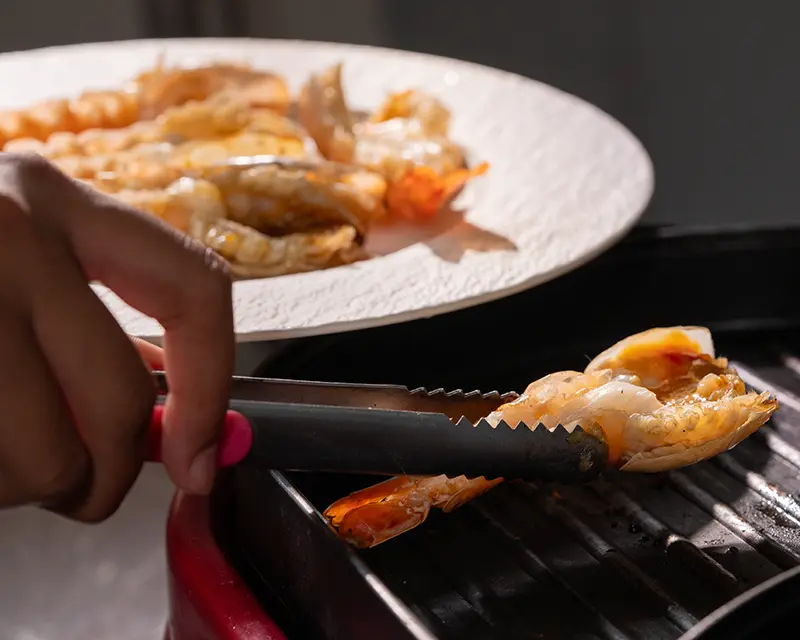
When to Salt Only After Cooking
After cooking, the right amount of salt depends on everything else served with the prawns. Butter, garlic, chilli, dressing, pan juices or a salty dipping sauce all change the balance, so it is easier to judge once the dish comes together.
You can taste the first prawn while it is still warm. A few crystals on the exposed flesh may be enough to make the sweetness clearer without taking over.
When to Salt Before and After
A small amount before cooking seasons the exposed flesh. A final pinch afterwards keeps the salt, and any flavour it carries, closer to the surface.
When you use the same flavoured salt at both moments, the final crystals are what you taste first: bright and distinct on the surface. Then the flavour already worked into the hot, juicy flesh comes through underneath. That echo is what makes the prawn feel layered: you taste the flavour once as a direct finish, then again more softly, woven through the flesh.
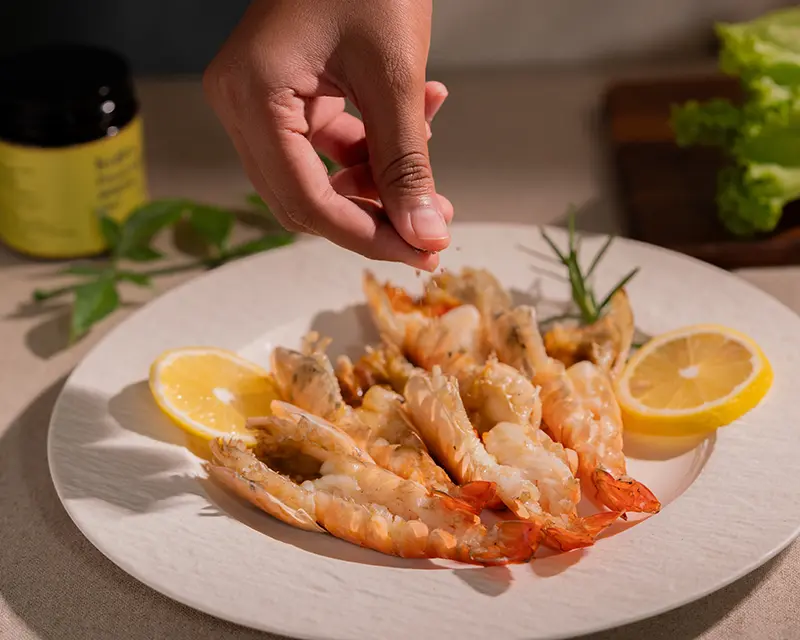
Taste Them While They Are Still Hot
This is when prawns are at their best: the shells still fragrant, the butter and juices gathered in the cut, and the flesh sweet and firm. Bring them straight to the table with lemon, herbs, rice, or crusty bread and olive oil for dipping. Taste the first one before adding anything else, then finish the rest to match the meal.
Serve Food Like You Know What You Are Doing
The Maison Kojira Letter shares the timing, flavour and hosting details that turn ordinary ingredients into food people remember.
Best Kojira Salts for Shrimp and Prawns
Once you know when to add the salt, the next question is what you want it to bring to the prawn. Mineral salt keeps the natural sweetness at the centre. A flavoured salt can carry preserved citrus into the exposed flesh before cooking, or bring citrus, saffron and other aromatics more clearly to the surface afterwards.
Kojira Preserved Lemon Salt works when the prawns are served with butter, garlic, chilli, herbs, rice, bread or salad. Added before cooking, its preserved-lemon character settles into the exposed flesh. A restrained final pinch makes the citrus more distinct at the surface.
Kojira Artisan Mineral Salt works whenever you want the prawn itself to remain central. Added before cooking, it seasons the exposed flesh cleanly. Added afterwards, it gives the hot, juicy prawn a more direct finish.
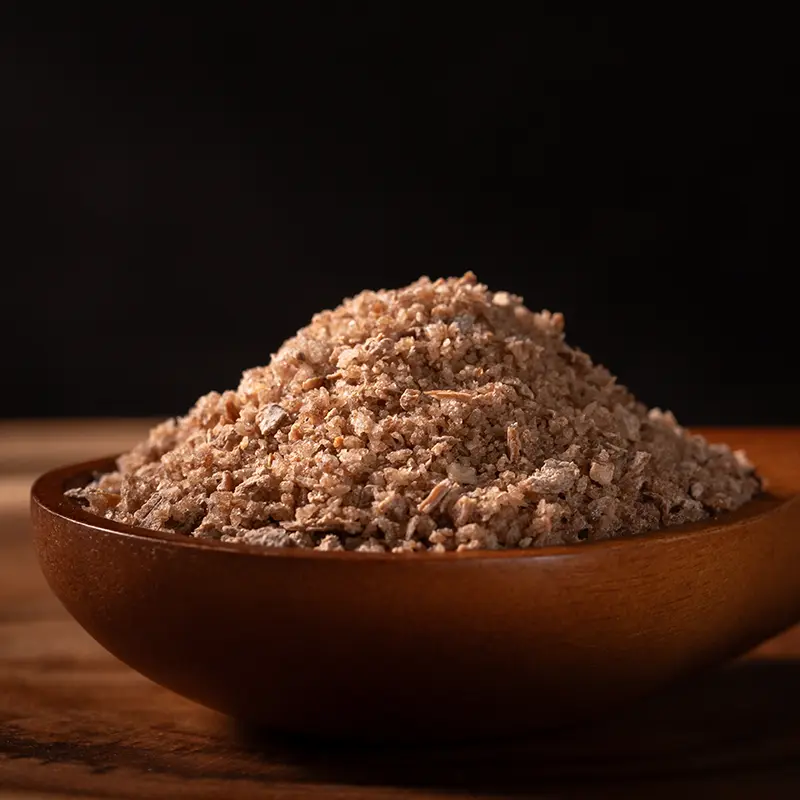
Common Mistakes When Salting Shrimp and Prawns
Shrimp give you little room to hide an error. Most problems come from putting the salt in the wrong place, giving it too much time, or judging the seasoning before the finished dish is together.
Salting an Intact Shell
An intact shell can look generously seasoned while the flesh underneath
still tastes flat. Most of the salt remains on the part you peel away.
Apply salt to exposed flesh, or season the butter, sauce or cooking liquid
instead.
Salting Too Far Ahead
Butterflied and peeled prawns take salt quickly. A long rest draws more
moisture to the surface and makes the final seasoning harder to control.
For large butterflied tiger prawns, five to ten minutes is enough. Peeled
shrimp generally need even less time.
Cooking While the Surface Is Wet
Moisture from rinsing, thawing, marinating or salting slows browning and can
make the prawns steam before they colour.
After the salting rest, blot away loose moisture without wiping or rinsing
the seasoning from the flesh.
Finishing Before Tasting
Butter, sauces, dipping liquids and pan juices can all change how salty the
finished prawn tastes. Adding finishing salt automatically can push the dish
too far.
Taste one prawn while it is warm, then decide whether the surface needs
clearer salinity, a stronger aromatic note or nothing more.
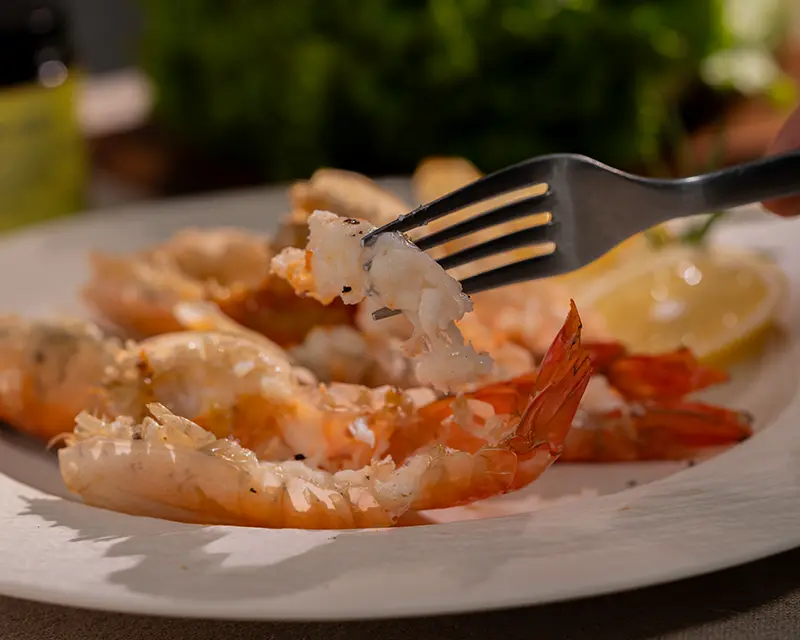
Frequently Asked Questions About When to Salt Shrimp and Prawns
Should You Salt Shrimp Before or After Cooking?
Salt before cooking when the flesh is exposed and you want the seasoning to settle in. Salt after cooking when you want it more noticeable at the surface.
How Long Before Cooking Should You Salt Shrimp?
For large butterflied tiger prawns, five to ten minutes is enough. Peeled shrimp need only a brief rest before cooking.
Should You Salt Shell-On Prawns?
Salt on an intact shell reaches little of the flesh. Butterfly the prawn and season the exposed centre, or salt the flesh after peeling.
How Much Salt Should You Use for Shrimp and Prawns?
Use about 2 g for six large butterflied tiger prawns. For peeled shrimp or finishing salt, start with less and taste before adding more.
More Guides on Seafood, Browning and Finishing Salt
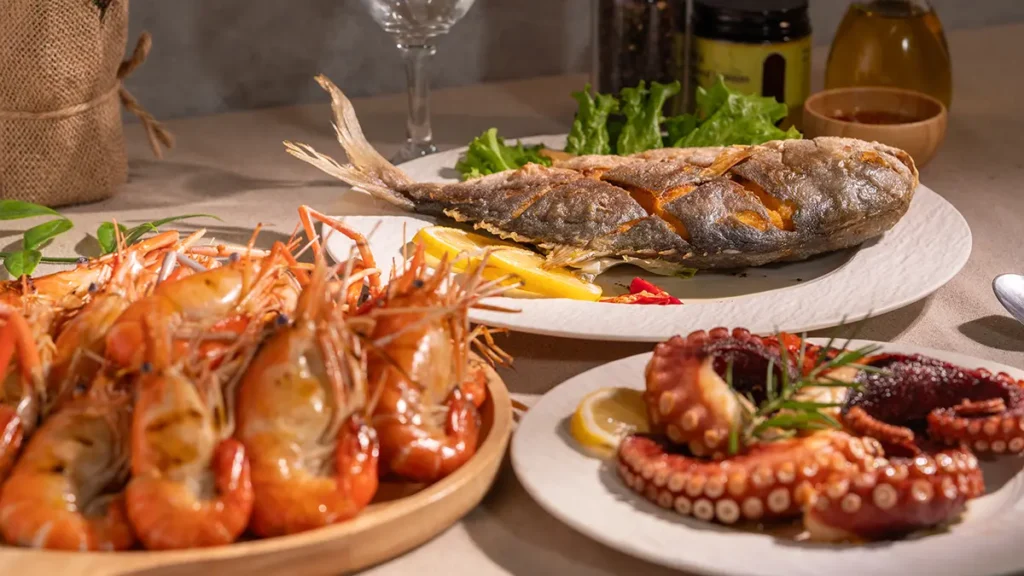
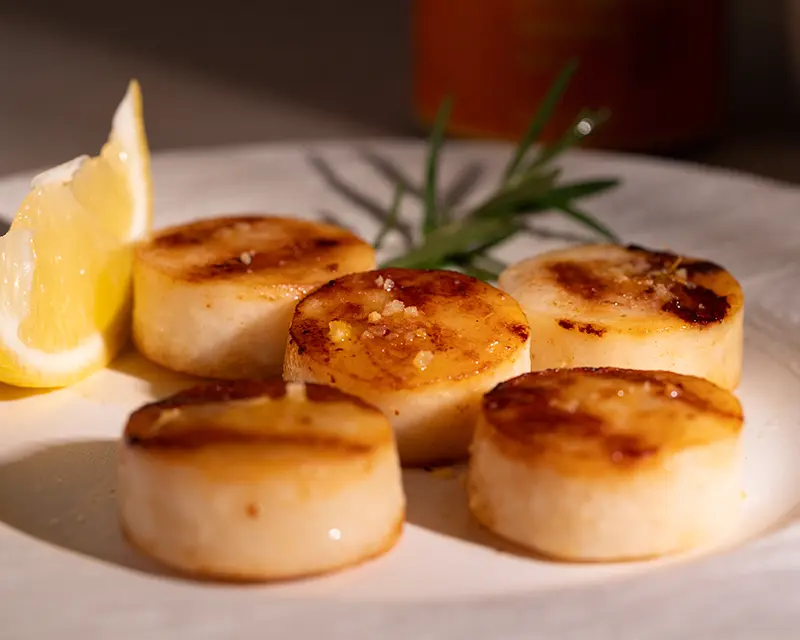
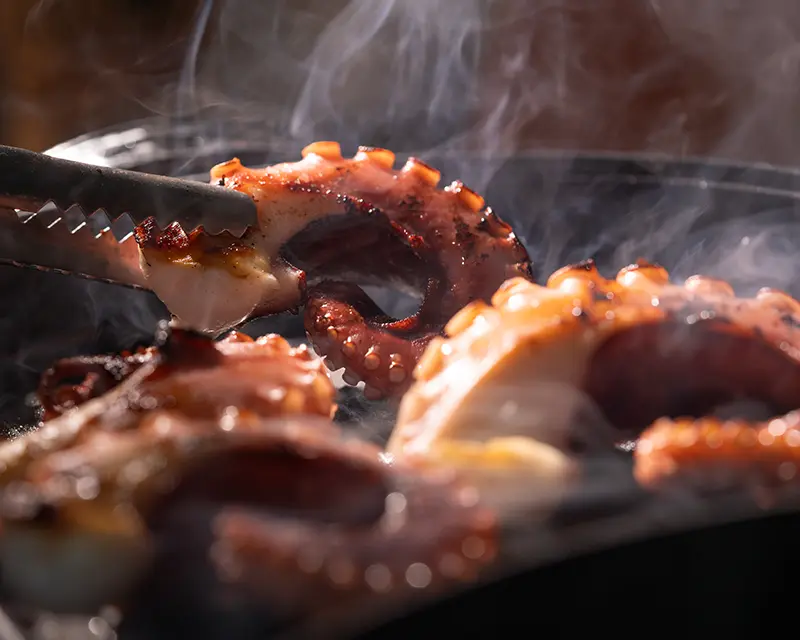
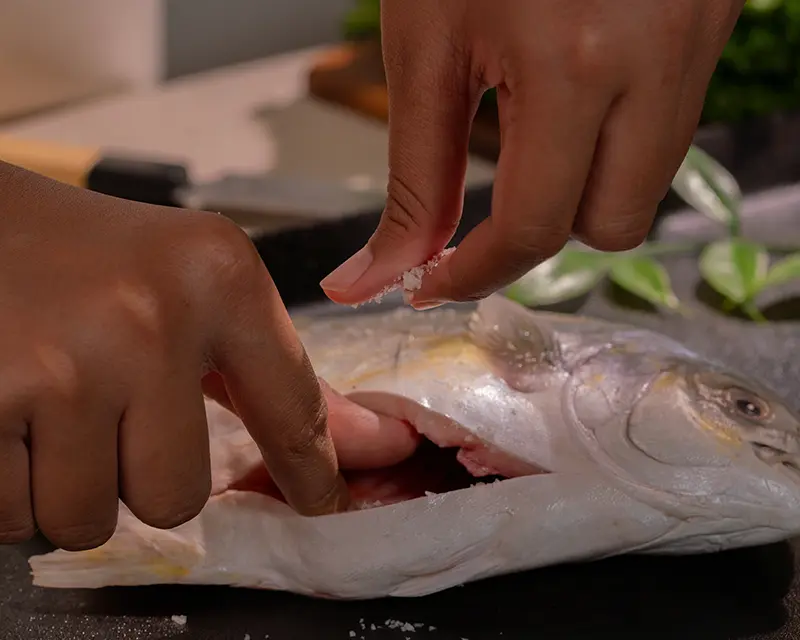
Shrimp and prawns show how the shell, exposed flesh and cooking method change where salt belongs. The same questions return with scallops, octopus and other seafood: first see where the seasoning can reach, then decide whether it should settle in before cooking or remain more distinct at the end.
Join the Maison Kojira Letter
Eat sharper. Host better. Be more present. Get practical notes on flavour, ingredients and the small details that make food worth sharing.