How to Season Asparagus for Deeper Flavour
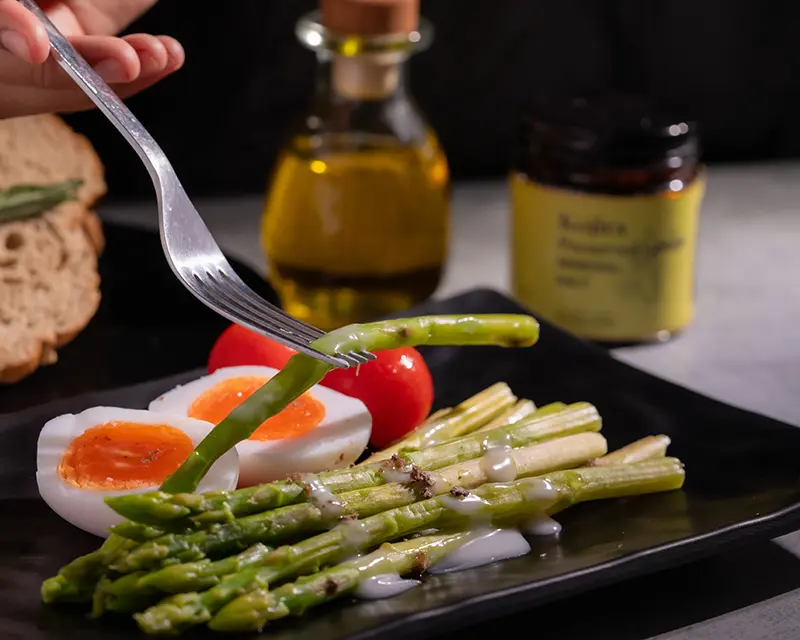
If you want to know how to season asparagus, start with the kind of asparagus in front of you.
Thin green asparagus cooks in minutes, so it needs very little seasoning and very little time. Thick green asparagus can handle more heat, more oil, and a stronger final seasoning. White asparagus needs a different approach because it is thicker, milder, and usually cooked until tender.
The mistake is seasoning all asparagus the same way. Green asparagus usually needs snap and brightness. White asparagus needs flavour from its cooking water. Roasted asparagus develops sweetness and browned edges, then may need a final pinch for clarity and lift.
The best way to understand how to season asparagus is to decide where the flavour needs to enter: through the cooking water, before the heat, or in the final pinch.
👨🏼🍳 Seasoning Rule: salt the water when asparagus needs seasoning inside. Finish with salt at the end when it needs brightness, texture, or lift.
Green Asparagus: Keep the Snap
How to season asparagus when the spears are green depends largely on their thickness and cooking method. Thin green asparagus cooks quickly and needs a lighter hand. Boil or blanch it too long and it loses the clean, grassy taste that makes it good. You want the stalk tender enough to eat, but still green, fresh, and slightly firm when you bite it.
For boiled or blanched green asparagus, salt the water before the spears go in. They cook fast, so they need flavour in the water from the beginning. The water should taste lightly seasoned, not aggressively salty.
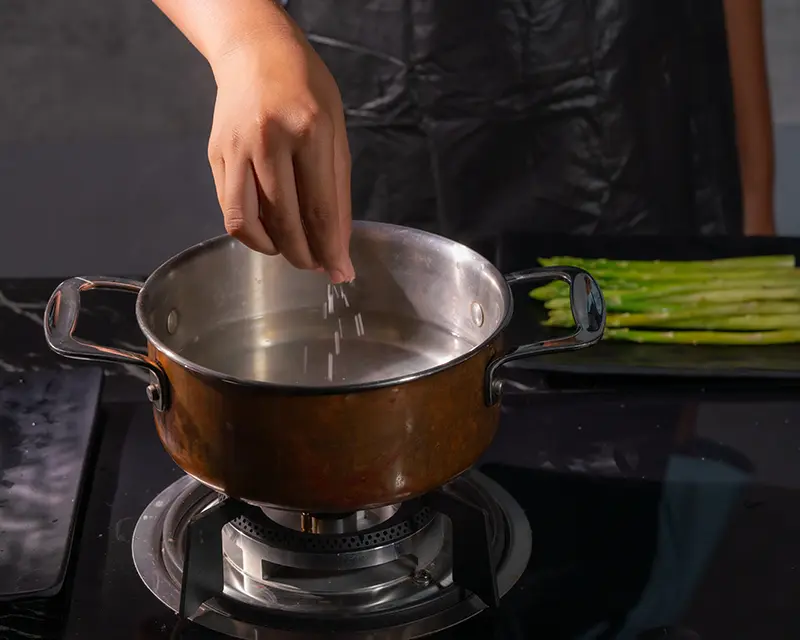
Cook until just tender, then drain and let the steam leave. Taste one spear before adding butter, olive oil, lemon, egg, fish, or herbs.
If it tastes green and fresh but a little flat, finish with a small pinch of salt just before serving. That final salt should make the asparagus taste brighter, not salty.
For roasted or grilled green asparagus, coat the spears with oil first, then add a light pinch of salt before cooking. Thin spears need very little. Thick spears can take more. After cooking, taste again. If the asparagus tastes sweet but flat, finish with salt while it is still hot.
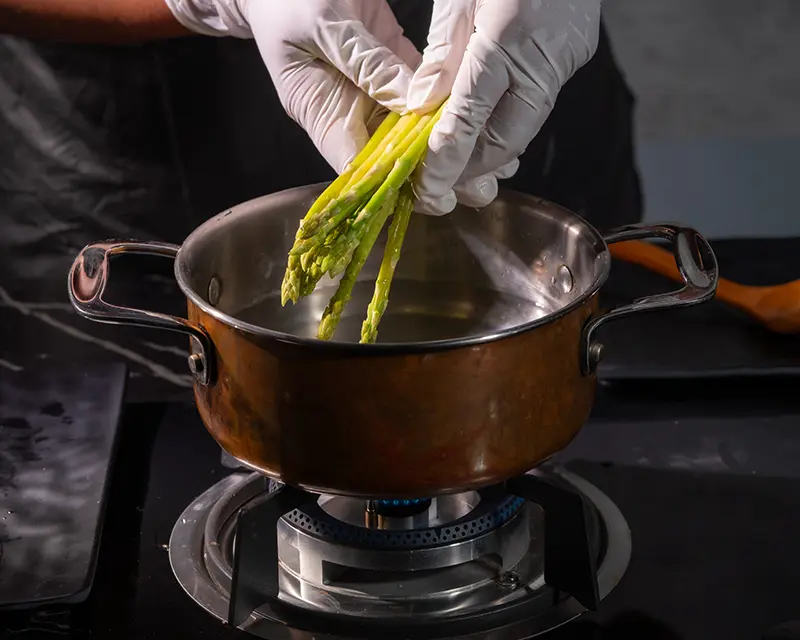
👩🏼🍳 Green Asparagus Rule: salt the water for boiled green asparagus. For roasted green asparagus, salt lightly before heat and finish only if needed.
White Asparagus: Season the Water First
White asparagus needs seasoning from the cooking water. It is thicker, milder, and more delicate than green asparagus. It does not have the same grassy snap, so the flavour has to be built into the spear while it cooks.
In Northern Europe, white asparagus is treated less like an everyday vegetable and more like a short season. In the Netherlands, Germany, and parts of Belgium, it appears for a few weeks, then disappears again. It is often served as the centre of the meal: white asparagus with potatoes, egg, ham, butter, or hollandaise.
For Maison Kojira, that dish also carries a small family memory. Jacob’s father once cooked the Dutch version for Prakay: white asparagus with potatoes, egg, and ham. Years later, she still sometimes makes it in Bangkok when the Netherlands feels far away.
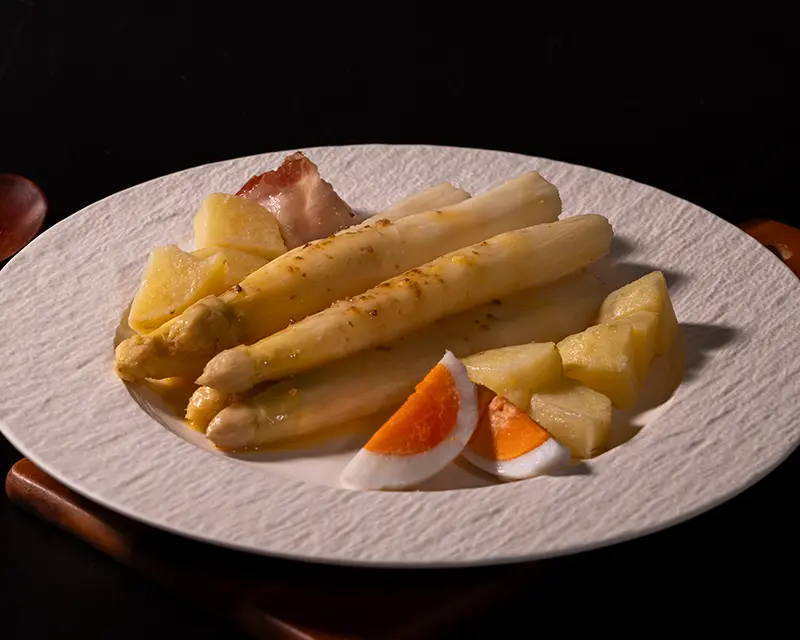
That kind of dish only works when the asparagus is seasoned from within. The potatoes, egg, ham, butter, or hollandaise can support it, but they cannot rescue a bland spear.
If white asparagus cooks in plain water, it can come out tender but underseasoned. A pinch of finishing salt at the end helps the surface, but it cannot fully fix the inside of a thick spear.
Salt the cooking water first. Let the asparagus become tender in water that already tastes lightly seasoned. Then finish carefully. White asparagus wants a clean mineral edge, butter, egg, potato, ham, herbs, or a little saffron warmth. It does not need a heavy final salt.
👨🏼🍳 White Asparagus Rule: season the cooking water first, then finish lightly.
How to Season Roasted or Grilled Asparagus
When deciding how to season asparagus for roasting or grilling, remember that heat concentrates both sweetness and salt. Roasting and grilling change asparagus more dramatically than boiling. Heat concentrates its sweetness, softens the stalk and browns the tips, so the seasoning you add before cooking may taste stronger by the end.
A light pinch with the oil builds the base. After cooking, taste one spear. If it already tastes sweet, browned and complete, stop. If it still feels flat, a small finishing pinch can give the tips more edge and make the sweetness clearer.
Roasted asparagus needs salt in two possible places: a little before roasting, and a little after roasting.
Before roasting or grilling, use a light pinch of salt with the oil. This gives the asparagus base seasoning while the heat softens the stalks and browns the tips. Do not use much. Asparagus is slender, and the flavour concentrates as water leaves.
Thin green asparagus needs very little salt before roasting because it roasts fast. Thick green asparagus can take a little more because it has more body and spends longer in the heat.
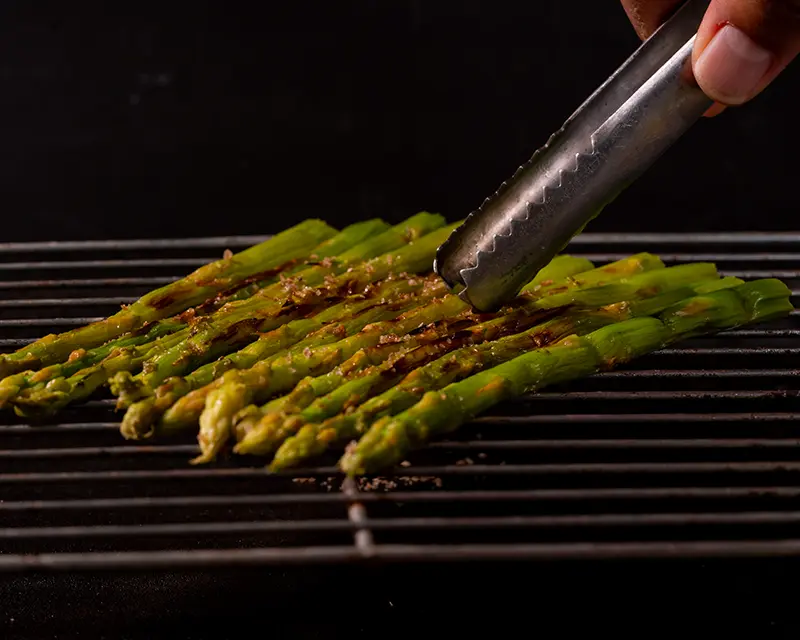
After roasting, taste one spear before adding more. If it already tastes sweet, browned, and seasoned, stop. If it tastes roasted but still a little flat, finish with a small pinch of salt while it is still hot. That final salt gives the tips more edge and makes the sweetness clearer.
Use artisan mineral salt when you want a clean finish. Use preserved lemon salt when the asparagus is going with fish, herbs, lemon, yoghurt-style sauces, or spring salads. Use black garlic salt only when the asparagus is deeply roasted and going with mushrooms, eggs, steak, roast chicken, or potatoes.
👨🏼🍳 Roasted Asparagus Rule: salt lightly before roasting for base flavour. Taste after roasting, then finish only if the spears need more edge.
How Much Seasoning Does Asparagus Need?
Use a light hand. Knowing how to season asparagus also means knowing when to stop. Asparagus has a narrow window. Too much salt flattens the sweetness, bitterness, and fresh spring flavour that make asparagus worth eating.
- For boiled green asparagus, salt the water lightly. The spears cook quickly, so the water should give them base flavour without making them taste salty.
- For white asparagus, the cooking water matters more. The spears are thicker and milder, so they need seasoning while they cook. The water should taste lightly seasoned, not aggressive.
- For roasted or grilled asparagus, use a small pinch before roasting, then taste after roasting. If the asparagus already tastes sweet, browned, and complete, stop. If it tastes good but flat, finish with a little salt while it is still hot.
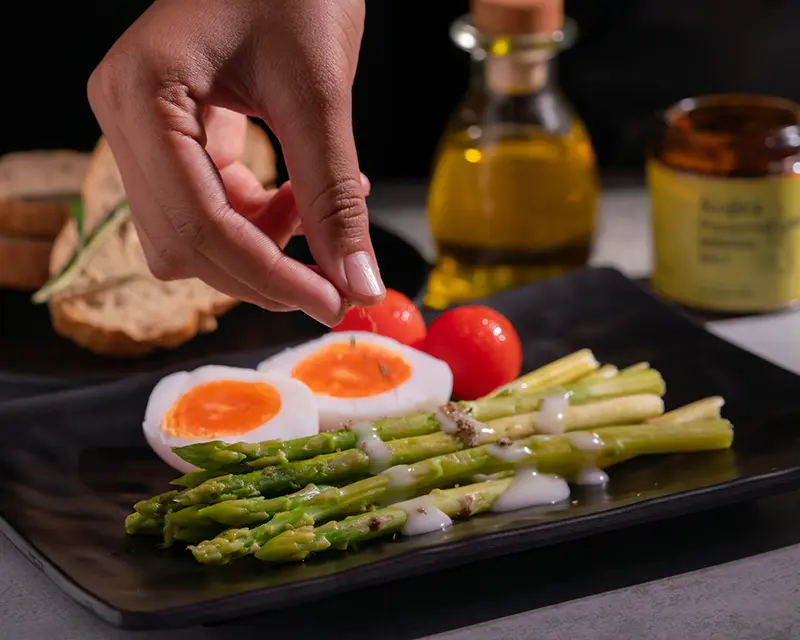
This is where gourmet salts earn their place. You are not adding salt because the asparagus was cooked badly. You are choosing the final direction of the dish: cleaner, brighter, warmer, deeper, or more savoury.
For finishing salt, start with less than you think. A small pinch across the whole plate is usually enough, especially when asparagus is served with butter, hollandaise, ham, cheese, anchovy, egg, fish, or salted sauces.
👨🏼🍳 Better Rule: salt asparagus in stages. Water or roasting builds the base. Finishing salt adjusts the final bite.
Choose the Flavour Direction
The final part of how to season asparagus is choosing the flavour direction. Select the finishing salt according to how the asparagus was cooked and what sits beside it.
Kojira Artisan Mineral Salt
Use on boiled green asparagus, white asparagus, asparagus with butter, eggs, potatoes, fish, or simple olive oil. This is the cleanest choice when you want the asparagus itself to stay centre stage. It adds clarity, texture, and a precise final edge.
Kojira Preserved Lemon Salt
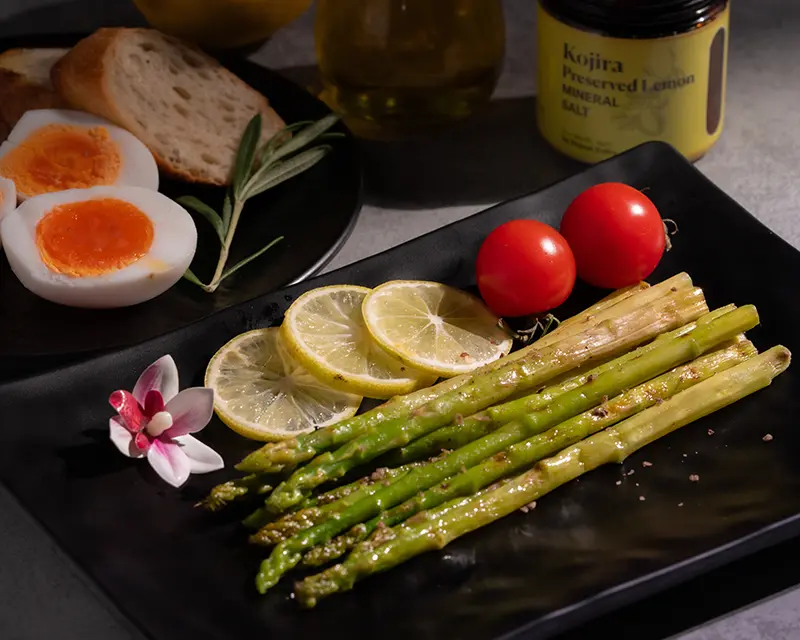
Use on green asparagus with olive oil, grilled fish, herbs, yoghurt-style sauces, spring salads, or roasted asparagus that needs brightness. It works especially well when the plate wants lemon, but you do not want to add more liquid.
Kojira Black Garlic Salt
Use on roasted or grilled asparagus with mushrooms, eggs, steak, roast chicken, lentils, potatoes, or darker savoury plates. Skip it on delicate boiled white asparagus. It works best when the asparagus has browned edges and the plate can handle sweetness, depth, and umami.
👩🏼🍳 Flavour Direction Rule: choose mineral salt for clarity, preserved lemon for brightness, saffron for warmth, and black garlic for browned or deeply savoury asparagus.
Frequently Asked Questions About How to Season Asparagus
Should you season asparagus before cooking?
Yes, if you are boiling or blanching asparagus, salt the water before the spears go in. For roasting or grilling, use a light pinch of salt before roasting, then taste after roasting and finish only if needed.
Should you season asparagus after cooking?
Yes. A small pinch of finishing salt after boiling, roasting, or grilling can make asparagus taste brighter, especially with olive oil, butter, lemon, egg, fish, hollandaise, potatoes, or browned roasted tips.
How do you season white asparagus?
Salt the cooking water first. White asparagus is thicker and milder than green asparagus, so it needs seasoning while it becomes tender. Finish lightly at the end with mineral salt or saffron salt.
How do you season roasted asparagus?
Add oil and a light pinch of salt before roasting. After roasting, taste one spear. If it tastes sweet and browned but still a little flat, finish with a small pinch of salt while it is still hot.
What finishing salt works best on asparagus?
Use artisan mineral salt for clarity, preserved lemon salt for brightness, saffron salt for white asparagus or butter-based dishes, and black garlic salt for roasted asparagus with deeper savoury foods.
How do you season asparagus?
How to season asparagus depends on the type and cooking method. Salt the water for boiled or blanched spears, season lightly before roasting or grilling, then taste before adding a small finishing pinch.
More Guides on Vegetables, Timing and Finishing Salt
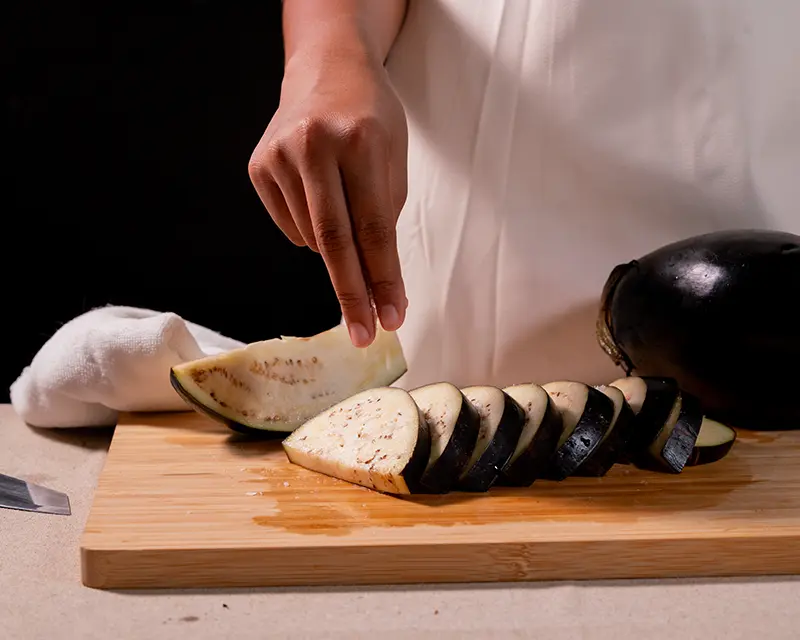
Once you understand how to season asparagus, the same logic applies across vegetables: build flavour early when cooking water or browning matters, then finish late for brightness, texture or a cleaner final bite.
Technique and Foundations
Join the Maison Kojira Letter
Eat sharper. Host better. Be more present. Get practical notes on flavour, ingredients and the small details that make food worth sharing.