Salt on Fruit: The Simple Trick That Makes Fruit Taste Sweeter
Salt on fruit makes more sense in Bangkok than it does on paper.
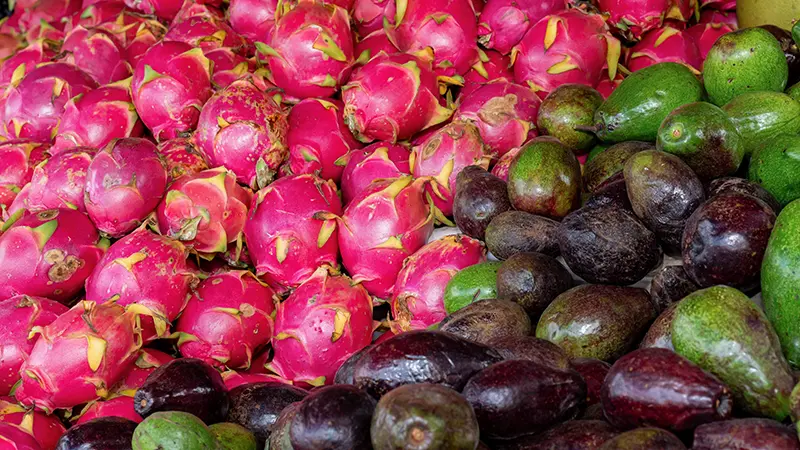
Maison Kojira is based in Bangkok, where salt on fruit is part of the daily rhythm. In Europe, people used to have the milkman. Here, you have the fruit man. He comes through the neighbourhood with cut watermelon, green mango, pineapple, guava, pomelo, papaya, and whatever is good that day. Fruit is not a special occasion here. It is daily food: water, acid, perfume, fibre, heat relief, appetite and season.
But salt on fruit does not work the same way on every fruit. In Thailand, the strongest salt habit belongs to sour, green and sharp fruit: green mango, guava, pomelo, underripe pineapple, sour plum. Salt helps those fruits feel less raw. With chilli, sugar or lime, it turns sharpness into appetite.
Ripe fruit needs a lighter hand. A small pinch can make watermelon taste juicier, strawberries taste sweeter and more fragrant, citrus taste brighter, pineapple taste sharper, or mango taste more vivid. Salt should make the fruit taste more like itself: sweeter where it is sweet, sharper where it is acidic, juicier where it is already ripe.
Salt works best when the fruit has enough juice, acid, aroma or ripeness to answer back. If the fruit is dull, salt will not save it. If the fruit has tension, salt can make that tension delicious.
Quick Rule: Add Salt Just Before Eating
Salt on fruit works best at the last moment, just before serving or eating.
Cut fruit releases juice quickly. Once salt touches the surface, it starts dissolving into that juice. That can be delicious if you eat the fruit straight away, but if it sits too long, the fruit can turn watery and the salt loses the little surface contrast that makes it useful.
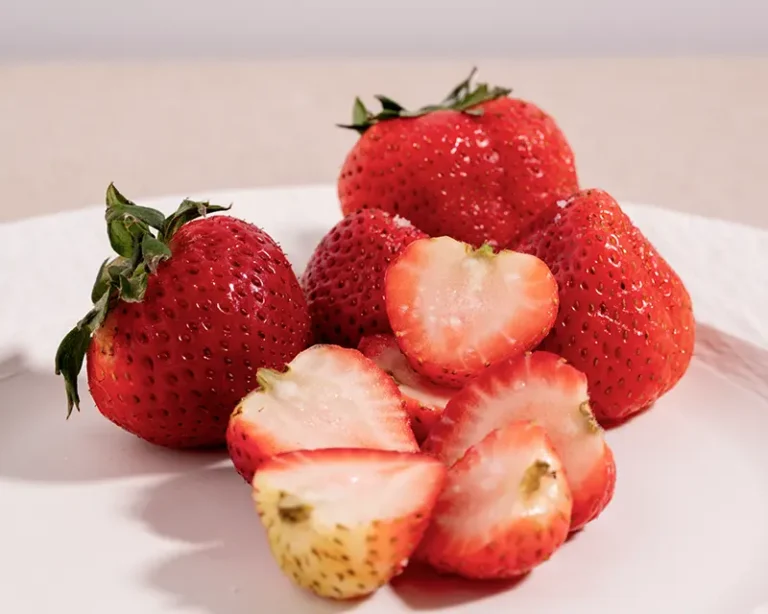
For ripe fruit, add a tiny pinch just before serving or eating. For sour, green or sharp fruit, you can use a little more, especially with chilli, sugar or lime. The salt should meet the juice on the surface, not sit in the bowl long enough to draw everything out.
👨🏼🍳 Quick Rule: salt fruit at the end, eat it soon, and use less on ripe fruit than on sour or green fruit.
Why Salt Makes Fruit Taste Sweeter
A good piece of fruit is rarely just sweet. Watermelon has water and freshness. Pineapple has sugar and acid. Mango has perfume and softness. Pomelo has bitterness, juice, and citrus oil. Guava has crunch and green sharpness. Strawberries, peaches, cherries, and plums all carry sweetness, acidity, aroma, and skin. This is why salt on fruit depends so much on the fruit itself: water, acid, aroma, ripeness, and texture all change the result.
A small amount of salt makes those parts easier to notice. It can soften bitterness, sharpen sweetness, and make juice taste brighter. On sour or green fruit, salt helps the sharpness feel less raw. On ripe fruit, it should do less. It should make the fruit taste clearer, not seasoned.
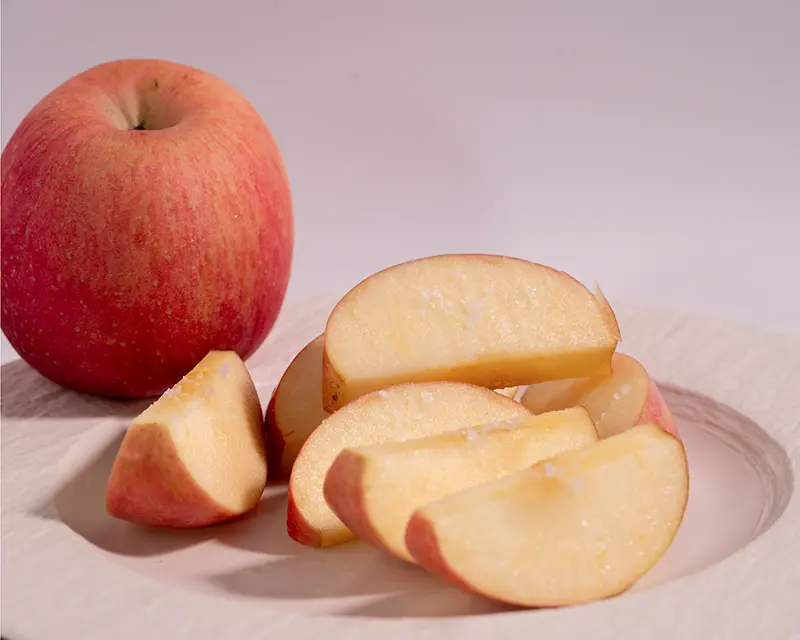
This is why the fruit matters more than the salt. If the fruit is underripe, dry, dull, or cold from the fridge, salt can only do so much. If the fruit already has sweetness, acid, juice, or aroma, salt can make those qualities stand up.
👩🏽🍳 Flavour Rule: salt works best on fruit that already has something to say. It can sharpen good fruit, but it cannot turn weak fruit into great fruit.
A Citrus Lesson From a Restaurant Christmas Gift
One of the first cookbooks Jacob, co-founder of Maison Kojira, owned was Ferran Adrià’s The Family Meal. He received it as part of a staff Christmas present while working a student job as a dishwasher in a restaurant in the Netherlands.
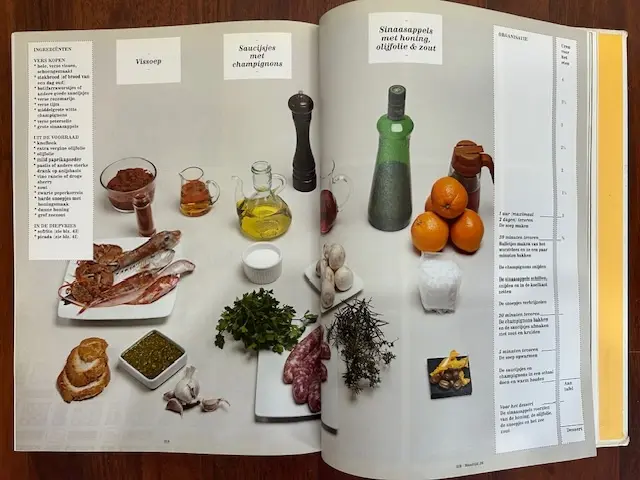
The book was based on the staff meals cooked at elBulli, the kind of food made to feed the team before service. That made serious restaurant thinking feel practical, not distant.
One recipe stayed with him: sliced oranges with olive oil, honey, and salt, a quiet example of why salt on fruit can feel complete rather than strange. It is barely a dessert on paper, but it explains the whole idea. Ripe fruit, fat, sweetness, acidity, and a small pinch of salt can become complete without becoming complicated.
Choose by Fruit Type
Salt on fruit works differently depending on the fruit. The best question is not only “does salt work here?” It is what kind of fruit you are dealing with: juicy, sour, crisp, tropical, aromatic, or delicate.
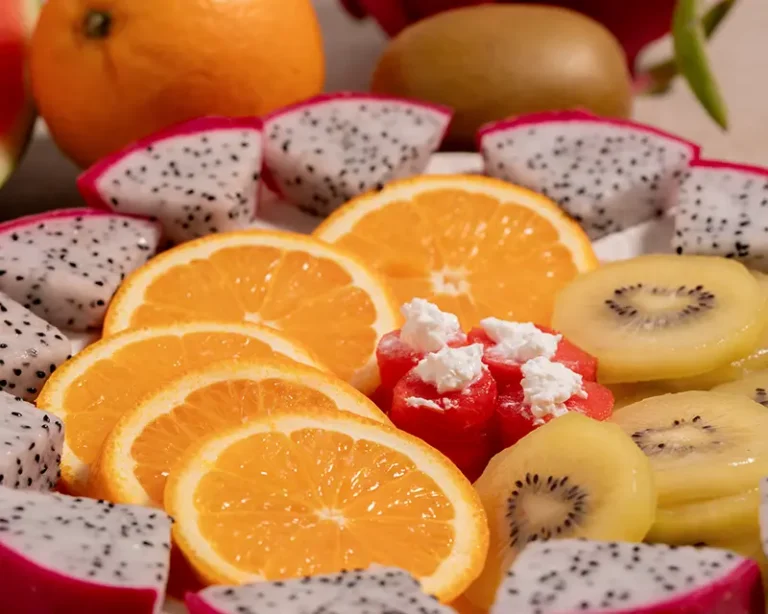
Juicy Melons
Watermelon, cantaloupe, honeydew
Use salt just before eating. Melons release juice quickly, so timing matters more than complexity. A fine mineral salt, delicate flaky salt, or chilli-lime salt works best.
Ripe Tropical Fruit
Mango, pineapple, papaya, dragonfruit, lychee, rambutan, mangosteen
Use salt for brightness, not aggression. These fruits already have perfume and sweetness, so the salt should make them more vivid without covering their aroma.
Sour and Green Fruit
Green mango, guava, pomelo, underripe pineapple, sour plum
This is where salt can be more assertive. Sour fruit can carry chilli, sugar, lime, and salt because the sharpness gives the seasoning something to push against.
Crisp Orchard Fruit
Apples, pears, Asian pear, jujube, crisp guava
Use a finer salt. Big flakes can feel clumsy because the fruit is crunchy and less juicy on the surface. The salt should sharpen the bite, not sit on top.
Berries, Stone Fruit and Figs
Strawberries, cherries, peaches, nectarines, plums, figs
Use restraint. These fruits are aromatic and easy to overwhelm. A tiny pinch works better than a visible salty finish.
Citrus and Fragrant Fruit
Orange, lemon, mandarin, grapefruit, lime, pomelo
Use salt to soften sharp acidity and bring out aromatic oils. Preserved lemon salt, mineral salt, or saffron salt can work beautifully here.
👨🏼🍳 Fruit Rule: choose the salt by the fruit’s structure. Juicy fruit needs timing. Sour fruit can take more seasoning. Delicate fruit needs restraint.
Want Better Flavouring Instincts?
The Maison Kojira Letter goes deeper into salted fruit, yogurt bowls, sharper tomatoes and the small seasoning decisions that make daily food taste more complete.
Salt on Watermelon and Melons
Watermelon is the easiest fruit to understand with salt. One bite tells you whether it works. It is also one of the clearest examples of salt on fruit, because the effect shows up immediately in the juice.
A good watermelon already has sweetness, water, and a little green freshness near the rind. Salt sharpens that sweetness and makes the juice feel colder, brighter, and more refreshing. It should not make the watermelon taste salty. It should make the next bite feel harder to resist.
Timing matters more with melons than almost any other fruit. Watermelon, cantaloupe, and honeydew release juice quickly once they are cut. Add salt too early and it disappears into the juice. Add it just before eating and it stays on the surface long enough to change the first bite.
Use a very small pinch for ripe melon. For watermelon with chilli, lime, or sugar, you can use a little more because the seasoning has acidity and heat to push against. For delicate cantaloupe or honeydew, use less.
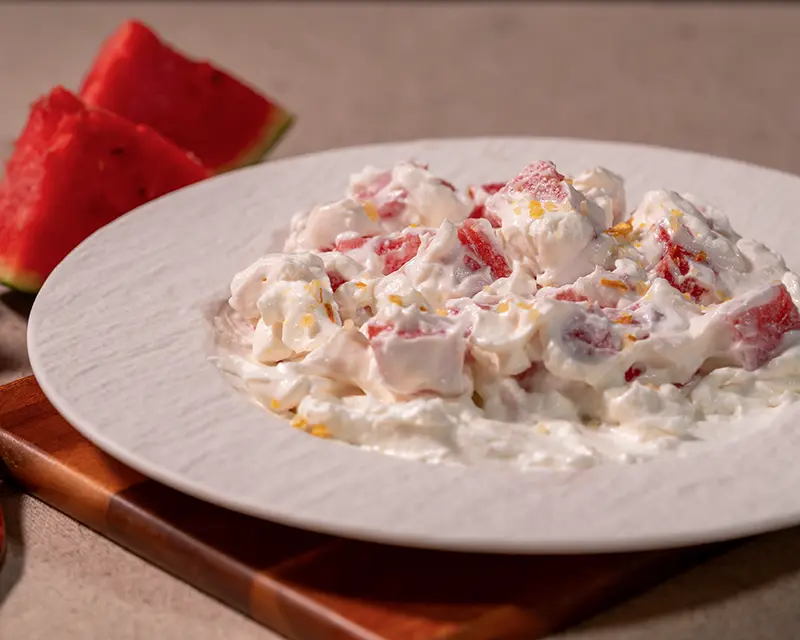
Watermelon also works with yogurt or labneh when the salt stays restrained. The dairy gives the fruit a creamy base, while a few crystals of salt make the melon taste colder, juicier, and more vivid. Add the salt at the end, just before eating.
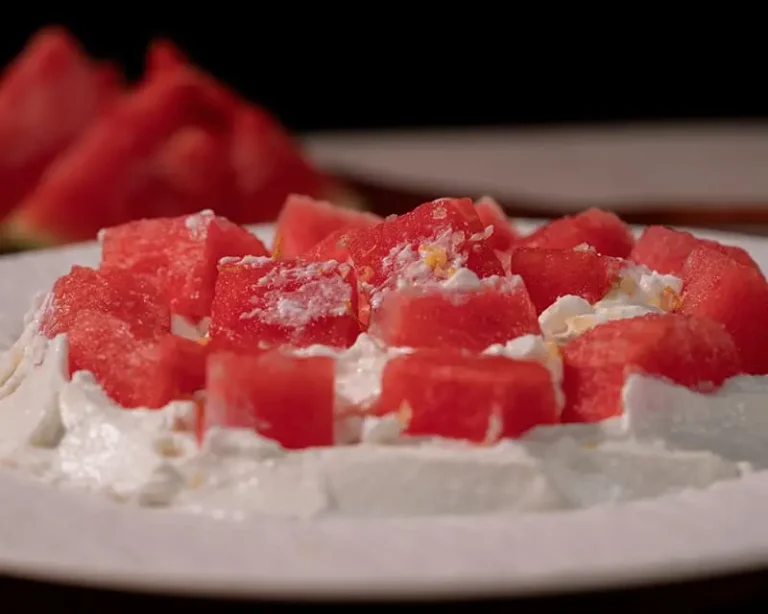
Fine mineral salt works well when you want clean brightness. Delicate flaky salt gives a little texture. Chilli-lime salt makes the most sense when the melon is very sweet, very cold, or eaten in hot weather.
👨🏼🍳 Melon Rule: salt melon at the last moment. The juicier the fruit, the faster the salt dissolves.
Salt on Mango, Pineapple, Papaya and Ripe Tropical Fruit
Ripe tropical fruit does not need much help. That is the first rule.
When you cut into a good mango, dragonfruit, pineapple, papaya, lychee, rambutan, or mangosteen, you already have sweetness, juice, aroma, and softness. If you add too much salt, you flatten the perfume and turn something generous into something forced.
Use salt here for brightness. You want the fruit to taste more vivid, not seasoned.
With mango, a tiny pinch can make the sweetness feel deeper and the aroma more open. With pineapple, salt sharpens the acidity and makes the juice feel cleaner. With papaya, it can make a soft, mellow fruit taste less sleepy. With lychee, rambutan, and mangosteen, use almost nothing. These fruits are fragrant and delicate; salt can help, but it can also interrupt them fast.
With dragon fruit, salt needs an especially light hand because the fruit is mild, watery, and delicate. A few fine grains can make it taste cleaner and more vivid. Too much salt makes it taste flatter.
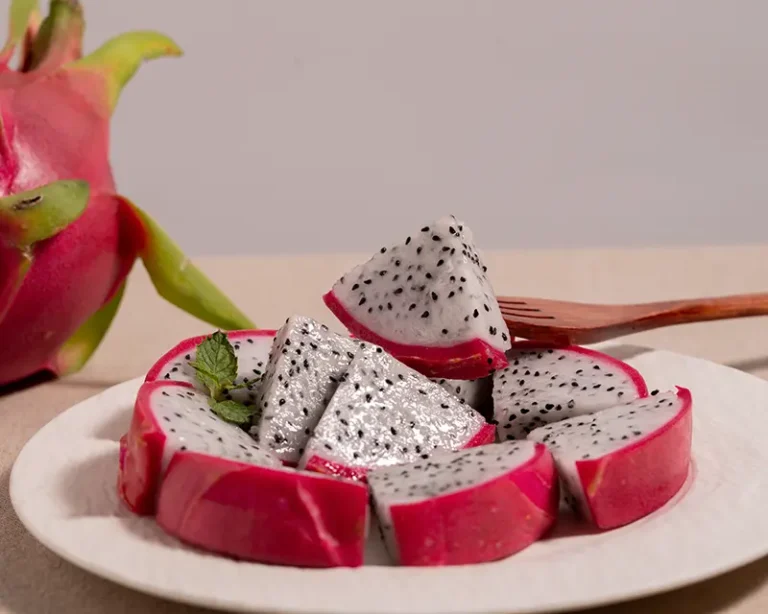
Taste first. If the fruit is already ripe, cold, juicy, and fragrant, use less than you think. If it tastes slightly flat, a small pinch of mineral salt or preserved lemon salt can wake it up. If it is sweet but needs edge, lime and chilli can make more sense than more salt.
👩🏽🍳 Tropical Fruit Rule: the riper and more fragrant the fruit, the lighter your hand should be. Salt should make tropical fruit taste more vivid, not less like itself.
Salt on Green Mango, Guava, Pomelo and Sour Fruit
When you eat green mango, crisp guava, pomelo, underripe pineapple, or sour plum, you are not dealing with soft sweetness. You are dealing with edge: acid, crunch, bitterness, tannin, sharp juice, and sometimes a little dryness on the tongue.
Salt helps that edge become pleasurable.
With green mango, salt pulls the sourness into focus and makes chilli and sugar feel sharper. With guava, it softens the raw green bite and makes the crunch more satisfying. With pomelo, salt can reduce the bitter edge and make the citrus oils taste clearer. With underripe pineapple, it helps the acid feel less aggressive. With sour plum, salt belongs almost naturally because the fruit already wants contrast.
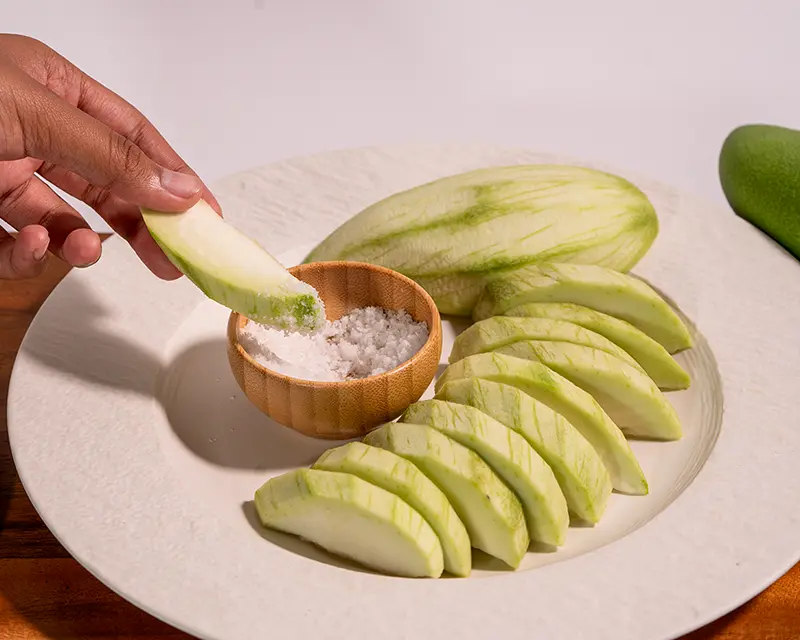
This is the place where you can use more seasoning than you would on ripe fruit. Salt alone works, but chilli, sugar, lime, or preserved lemon salt can make the fruit feel more complete. You are not trying to hide the sourness. You are giving it shape.
Add the salt just before eating, especially if the fruit is juicy. If the fruit is dry, crisp, or firm, use a finer salt so it spreads evenly instead of landing in harsh spots.
👨🏽🍳 Sour Fruit Rule: sour and green fruit can take more salt because it has more edge. Use salt to turn sharpness into appetite, not to cover it.
Salt on Apples, Pears, Asian Pear and Crisp Fruit
Crisp fruit behaves differently from juicy tropical fruit. When you bite into an apple, pear, Asian pear, jujube, or crisp guava, the pleasure is partly sweetness, but mostly snap, juice, skin, and clean acidity. Salt can work, but it needs to be finer and more controlled. Big flakes can feel clumsy here because there is less soft surface for them to dissolve into.
Use salt when the fruit tastes good but slightly flat. A tiny pinch can make apple taste sharper, pear taste less soft, Asian pear taste colder and cleaner, and guava taste more vivid. If the fruit is already fragrant and balanced, leave it alone.
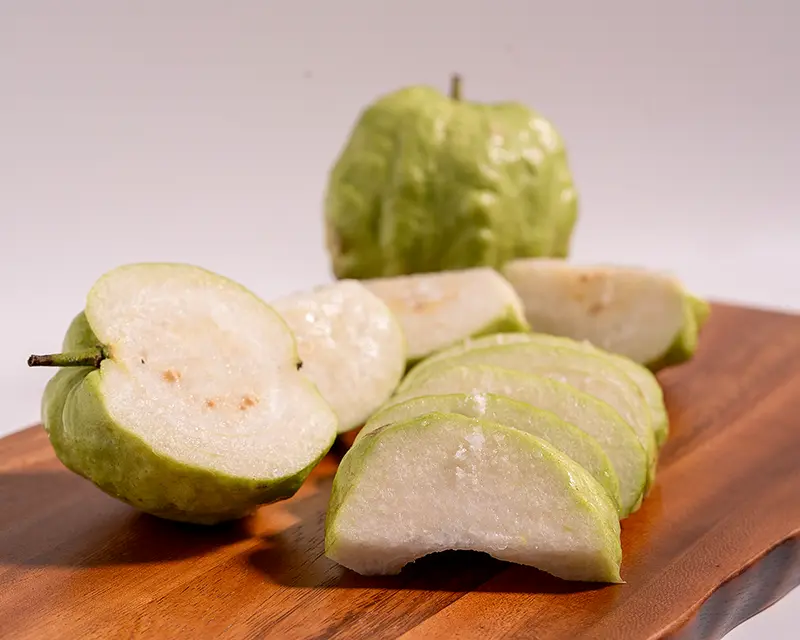
This is also where chilli salt can make sense, especially with guava, green apple, or very crisp pear. The fruit has enough crunch and acidity to carry it. For softer pears, use much less. Salt can push them from delicate to strange quickly.
Cut the fruit first, then add salt just before eating. If the pieces are dry on the surface, use a finer salt or toss very lightly so the seasoning spreads. You want a clean lift across the bite, not one salty patch.
👩🏻🍳 Crisp Fruit Rule: the crunchier the fruit, the finer the salt should be. Salt should sharpen the snap, not sit on top of it.
Salt on Strawberries, Cherries, Peaches, Figs and Stone Fruit
Berries and stone fruit are where salt can either make the fruit sing or ruin it fast.
Strawberries, cherries, peaches, nectarines, plums, apricots, figs and ripe berries carry perfume as much as sweetness. You taste them in layers: skin, juice, acid, softness, floral aroma, sometimes a little bitterness near the stone or skin. Salt can make those layers clearer, but only if you use almost nothing.
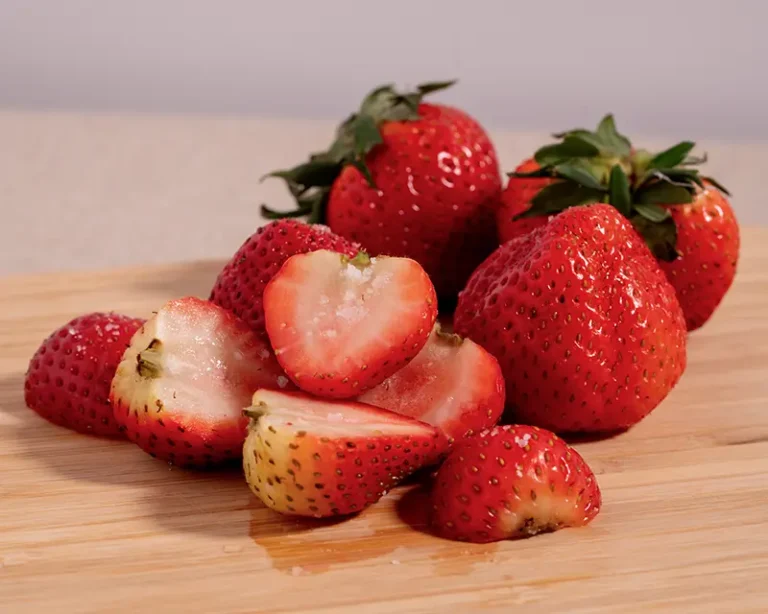
With strawberries, a tiny pinch can make the fruit taste sweeter and more fragrant. With cherries, it can sharpen the dark juice and make the skin taste less flat. With peaches and nectarines, salt should stay barely there, because the aroma is delicate. With plums and apricots, salt works best when the fruit has enough acidity to answer back. With figs, salt works best when there is fat on acid on the plate: yogurt, ricotta, soft cheeses, honey, lemon, balsamic, or black pepper.
This is not the place for heavy flakes or aggressive seasoning. If the fruit is ripe and fragrant, use a fine mineral salt or a few crushed flakes. If the fruit is underripe, salt will not fix the problem. It may only make the sourness more obvious.
Add salt after cutting or just before eating. Do not let berries or sliced stone fruit sit too long with salt, because the fruit will release juice and lose its clean bite.
👩🏼🍳 Berry and Stone Fruit Rule: use the smallest pinch on the most fragrant fruit. Salt should lift the aroma, not become part of the aroma.
Salt on Orange, Grapefruit, Pomelo and Citrus
When you eat orange, mandarin, grapefruit, lemon, lime, pomelo, or calamansi, you get sweetness, acid, bitterness, juice, pith, and aromatic oils. Salt can make that balance feel cleaner. It softens the sharpest edge of the acidity and makes the sweetness and citrus aroma easier to notice.
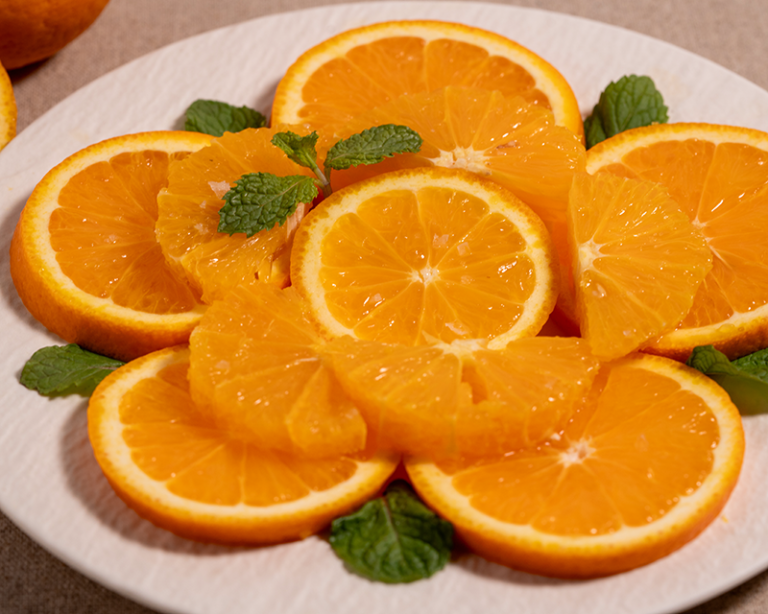
You feel this most clearly with grapefruit and pomelo. A tiny pinch of salt can make the bitter edge less harsh and the juice taste rounder. With orange or mandarin, salt can make the fruit taste sweeter and more fragrant. With lime, calamansi, or very sharp citrus, use a tiny pinch unless the fruit is part of a larger plate with honey, chilli, olive oil, cream, or yoghurt.
Citrus can also carry more aromatic salts than many fruits. Preserved lemon salt works naturally because it reinforces the citrus oils. Mineral salt keeps the flavour clean. Saffron salt can work beautifully with orange, mandarin, honey, yoghurt, cream, or olive oil because it adds warmth without fighting the fruit.
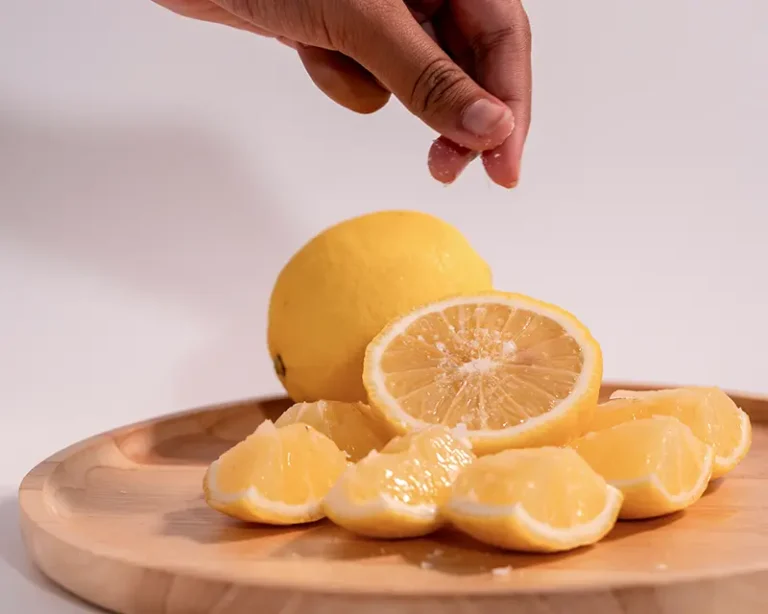
Add salt just before eating. Citrus releases juice quickly once cut, and salt added too early disappears into the plate.
👨🏼🍳 Citrus Rule: salt should make citrus taste brighter and rounder. If the fruit starts tasting cured or briny, you used too much.
When to Leave Fruit Alone
Salt works best when fruit has enough juice, acid, aroma, ripeness, or sharpness to carry it.
Leave the fruit alone when it already tastes clear, ripe, fragrant, and complete. Leave the fruit alone when it already tastes clear, ripe, fragrant, and complete. Good salt on fruit begins with knowing when the fruit needs nothing. A perfect mangosteen, a soft ripe peach, a fragrant lychee, or a beautifully ripe mango may need nothing. Salt can sharpen fruit, but it can also interrupt delicacy.
Be careful with very soft fruit, very floral fruit, and fruit that has little acidity. Salt can make those fruits taste flatter rather than brighter. It also becomes obvious quickly on fruit that is already wet, overripe, or sitting in its own juice.
Underripe fruit is different. Sour, green, and sharp fruit can often carry salt, chilli, sugar, or lime because the fruit has enough edge to push back. Dull fruit is harder. If the fruit has no sweetness, no acid, no aroma, and no juice, salt will not fix it.
👩🏽🍳 Restraint Rule: salt belongs where fruit has something to answer with. Use it to sharpen good fruit, not to rescue weak fruit.
Best Salts for Fruit
Choose salt on fruit by the fruit’s structure, not by habit.
Use fine mineral salt when you want clean brightness without changing the fruit’s direction. Use delicate flaky salt when the fruit is juicy enough to dissolve it quickly, such as watermelon, pineapple, orange, or ripe stone fruit. Use preserved lemon salt when citrus, pineapple, mango, or fruit served with yoghurt or honey is involved. Use chilli-lime salt with sour green fruit, guava, watermelon, pineapple, and mango. Use saffron salt only where the fruit has warmth or perfume, such as orange, mandarin, honeyed citrus, or ripe mango with cream.
The stronger the fruit, the more seasoning it can carry. The more fragrant the fruit, the lighter your hand should be. The best salt on fruit feels precise, not obvious.
👨🏼🍳 Salt Pairing Rule: juicy fruit needs timing, sour fruit can take more seasoning, crisp fruit needs finer salt, and fragrant fruit needs restraint.
More Sweet, Fresh and Dairy Salt Guides
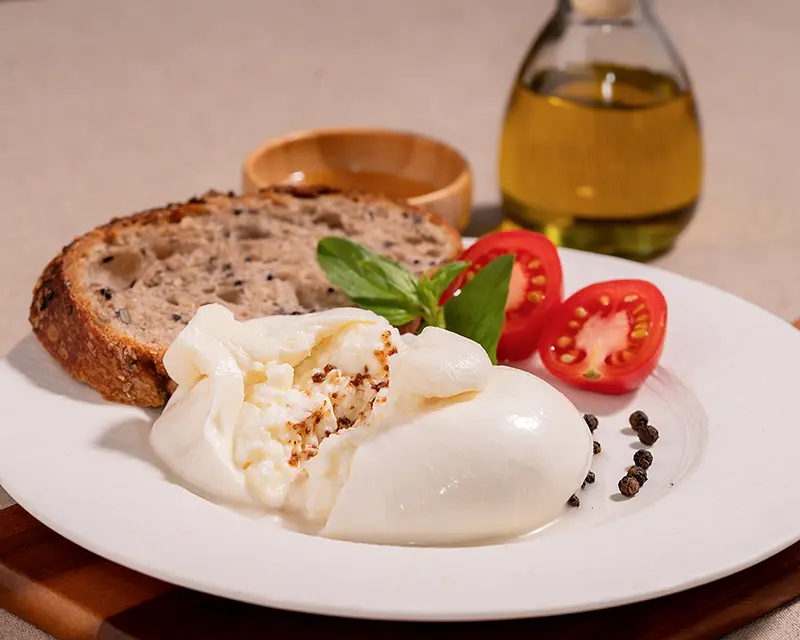
Once you understand salt on fruit, the same logic carries into yogurt, labneh, burrata, ricotta, and feta. These foods are mild, moist, creamy, and easily over-seasoned. A tiny pinch of finishing salt can make sweetness, acidity, dairy, and fruit taste clearer, but only when the salt stays precise.
Frequently Asked Questions About Salt on Fruit
Is salt good on fruit?
Yes. A small pinch of salt can make fruit taste sweeter, juicier, and brighter. It works best on fruit with enough juice, acid, aroma, or sharpness to carry it.
Why does salt make fruit taste sweeter?
Salt can soften bitter or sour edges and make sweetness easier to notice. On fruit, it also meets the juice on the surface, so the effect is immediate.
When should you add salt to fruit?
Add salt just before serving or eating. Cut fruit releases juice quickly, so salt added too early dissolves and can make the fruit watery.
What fruit tastes good with salt?
Watermelon, mango, pineapple, papaya, guava, pomelo, grapefruit, orange, strawberries, peaches, plums, apples, pears, and sour green fruit can all work. Good salt on fruit depends on ripeness: ripe fruit needs less salt than sour or green fruit.
More Fresh, Sweet and Dairy Salt Guides
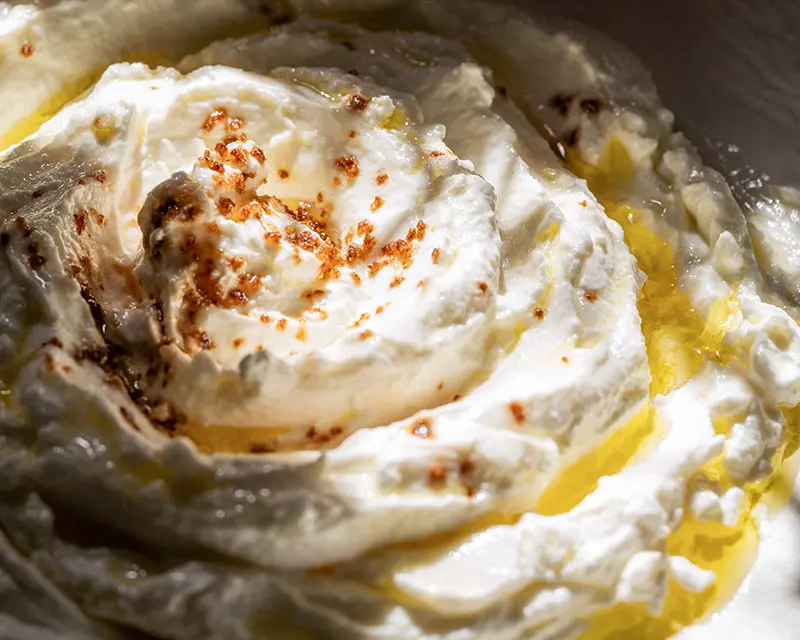
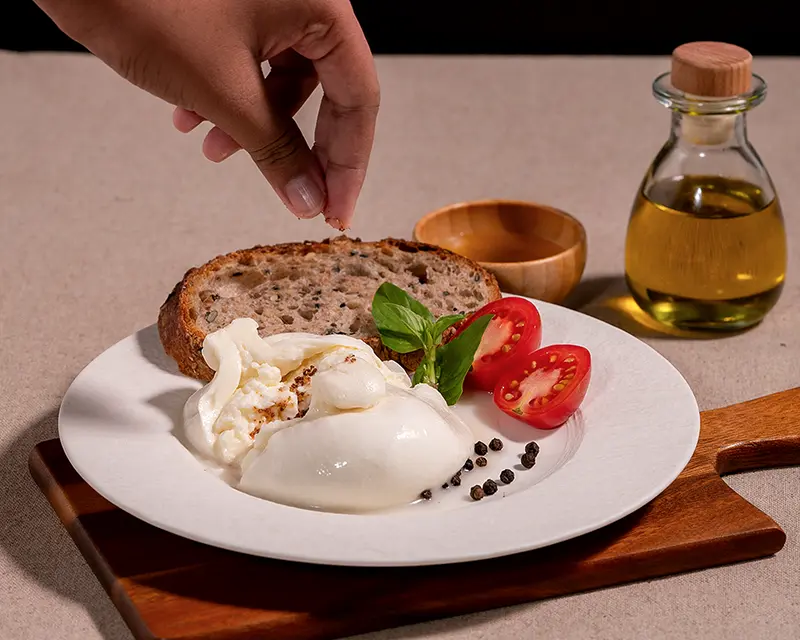
Once you understand salt on fruit, the same logic carries into yogurt, soft cheese, desserts and fresh vegetables: moisture, acidity, fat, timing and restraint decide the bite.
Join the Maison Kojira Letter
Eat sharper. Host better. Be more present. Get practical notes on flavour, ingredients and the small details that make food worth sharing.