 Kojira Preserved Lemon Salt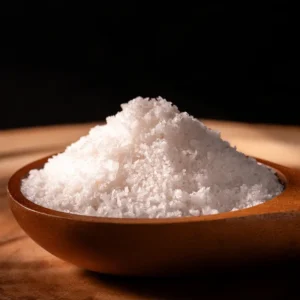
Culinary Salts for Restaurant-level Cooking
Seasoning is the difference between food that tastes fine and food people remember. Kojira Culinary Salts help the food you serve taste more vivid: eggs, rice, steak, vegetables, fish, pasta, potatoes, olive oil, and bread gain depth, brightness, and flavour in one step.
This collection begins with inland mineral salt from Northeast Thailand, reduced over wood fire, sun-dried, and harvested by hand. From that foundation, we do the deeper work first: fermenting mushrooms, salt-curing lemons, ageing garlic, and keeping saffron in whole threads before working them into the mineral crystals. The result is salt with real flavour, natural minerals, and ingredient depth in every pinch.
Sprinkle, stir, fold into a sauce, or finish at the table. Roast a chicken. Finish a bowl of rice. Fold into warm olive oil. Season yoghurt into a sauce. You will taste the difference before anyone says a word.
Choose the Salt That Fits How You Cook
Everyday cooking
For eggs, rice, pasta, and vegetables.
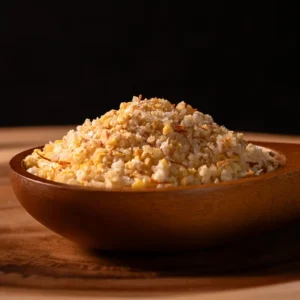
A clean, steady, mineral-rich foundation salt for daily cooking and finishing.
Dark umami
For steak, eggs, mushrooms, rice, and savoury dishes.
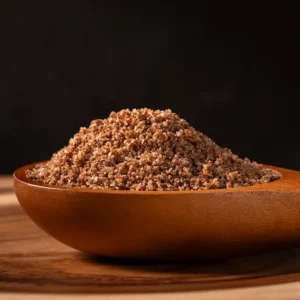
Slow-aged black garlic brings dark umami, mellow sweetness, and depth.
Mushroom depth
For proteins, broths, noodles, mushrooms, and savoury cooking.
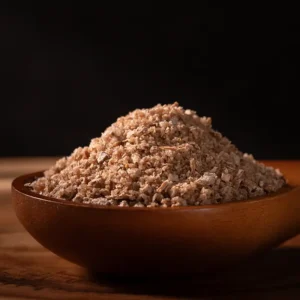
Kojira Fermented Mushroom Salt
Fermented shiitake, orinji, and shimeji bring mushroom umami and lactic clarity.
Bright citrus
For fish, vegetables, yoghurt, olive oil, and lighter dishes.
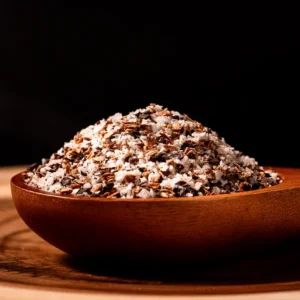
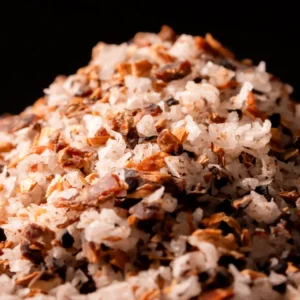
Preserved lemon adds clean citrus lift, salt, and brightness in one step.
Aromatic lift
For rice, seafood, eggs, sauces, and composed dishes.
Whole saffron threads bring warm aroma, colour, and savoury depth.
Start with the salt that fits your daily cooking, then add the others as your table expands.
Make the Food You Serve Taste Better
Good cooking often comes down to one small adjustment before you serve. A little more depth. A little more brightness. A little more savoury strength.
Kojira Culinary Salts are made for the food you already cook: eggs, rice, steak, roasted vegetables, fish, pasta, potatoes, olive oil and bread. Use them as a finishing salt, or work them into sauces, dressings, marinades, yoghurt, butter, oil, and dips when you want more depth without building everything from scratch.
A small pinch can bring umami, brightness, clean mineral depth, mellow sweetness, or aromatic lift. You can use it when food tastes almost right, but needs something more.
We do the slow work first.
We ferment mushrooms in small batches, age garlic until it becomes dark and savoury, preserve lemons with salt and time, and keep saffron in whole threads because powder loses too much of its beauty. Then we bring those ingredients into mineral salt so they are ready when you cook.
Your fried egg becomes richer. Tomatoes taste brighter. Rice feels less plain. Steak gains depth. Olive oil and bread become something worth slowing down for. Roasted vegetables taste more deliberate. A quick yoghurt sauce suddenly tastes like you planned it.
No artificial flavours. No artificial colours. No synthetic sweeteners. No shortcut compounds pretending to be flavour.
Just real ingredients, prepared carefully, and made easy to use.
Why Whole Ingredients Matter
The flavour comes from real ingredients, not extracts or isolated compounds. Mushrooms keep their natural matrix after fermentation. Garlic is aged as whole cloves. Lemons are preserved intact before drying. Saffron remains in full threads.
Whole ingredients bring more than flavour. They bring texture, aroma, and naturally occurring micronutrients often reduced by industrial processing. We do not use artificial flavours, colours, sweeteners, preservatives, or isolated flavour compounds to imitate depth.
In busy urban kitchens, it is not realistic to ferment mushrooms, age garlic, preserve lemons, or cook with high-grade saffron every day. Integrating them into mineral salt makes that depth practical.
No extra preparation. Just better seasoning.
Why Being Close to Producers Matters for Flavour
Maison Kojira is made in Bangkok, with direct access to Thailand’s growers, salt lands, herbs, fruits, botanicals, and year-round agricultural production.
Because we are close to producers, we can choose ingredients when they are fresh, seasonal, and worth using, rather than building flavour from anonymous commodity inputs.
That closeness shows up in the flavour: mineral salt from Isaan, citrus from real fruit, herbs and botanicals chosen when they taste alive.
Cook Better With Salt
- Finishing Salt Guide
- How Chefs Use Finishing Salt
- How to Use Finishing Salt on Vegetables
- How to Salt Eggs
- Best Salts for Olive Oil Bread Dip
- What Is Umami Salt?
Choose Your Salt
Start with the salt that fits your daily cooking, then add the others as your table expands.