When to Salt Eggs: 4 Timing Rules for Better Texture
Should you salt eggs before or after cooking? It depends on the egg. When to salt eggs is mostly about texture: raw eggs need salt early when you want soft curds, while cooked eggs need finishing salt when you want warm yolk, crisp whites, or surface contrast.
Salt added before cooking becomes part of the egg and changes how the proteins set. Salt added at the end stays on the surface, where it gives a sharper finish and a little crystal texture.
Use early salt for scrambled eggs and omelettes. Use finishing salt for soft-boiled eggs, poached eggs, fried eggs, hard-boiled eggs, egg toast, devilled eggs, and avocado eggs just before serving.
Soft curds need salt early. Warm yolks, crisp whites, toast, and filled eggs need salt at the end, where the crystals can hold their texture before melting.
The 4 Timing Rules for Delicious Eggs
The easiest way to decide when to salt eggs is to look at texture. Soft curds need salt early, runny yolks need salt while warm, crisp whites need salt at the end, and filled eggs need a final adjustment just before serving.
Salt Before Cooking for Softness
Salt early when the egg will be stirred, folded, or cooked into soft curds. The salt has time to dissolve into the eggs before heat changes the texture.
Salt While the Yolk Is Warm
Soft-boiled eggs, poached eggs
When to salt eggs with runny yolks is simple: salt after opening, while the yolk is still warm. The crystals melt into the yolk and make it taste fuller without toughening the white before cooking.
Salt at the End for Surface Contrast
Fried eggs, hard-boiled eggs, eggs on toast
Salt at the end when you want the crystals to stay on the surface for a moment. This works best with crisp whites, firm yolks, buttered toast, or sliced boiled eggs.
Salt Just Before Serving
Salt filled or plated eggs just before serving. The goal is balance: enough salt to wake up the fat, yolk, avocado, or filling without making the dish taste salty.
👨🏼🍳 Egg Rule: when to salt eggs depends on texture: early for soft curds, warm for runny yolks, and late for surface contrast.
How Much Salt to Use When You Salt Eggs
Once you know when to salt eggs, the next question is quantity. Eggs need less salt than people think. The yolk carries flavour through fat, and the white takes seasoning quickly, so a few crystals can change the whole bite.
Start small. You can always add another pinch at the table, but once eggs are over-salted, there is nowhere for the salt to hide.
👨🏼🍳 Practical guideline
- 2–3 crystals per bite (soft-boiled eggs)
- A very light pinch (scrambled eggs)
- A small pinch (fried eggs)
Reduce if the dish already carries salt (cheese, bacon, sauces).
When to Salt Scrambled Eggs
Scrambled eggs are the clearest place to understand when to salt eggs before cooking. Scrambled eggs are about softness. Salt them lightly before cooking when you want smaller curds, a silkier texture, and seasoning that runs through the egg instead of sitting on top. This is the difference between scrambled eggs that taste soft all the way through and eggs that need salt rescued at the table.
This is one of the few egg styles where early salting matters. Mixed into raw eggs, salt loosens the protein structure before heat sets it. The eggs cook more gently, hold moisture better, and form softer curds.
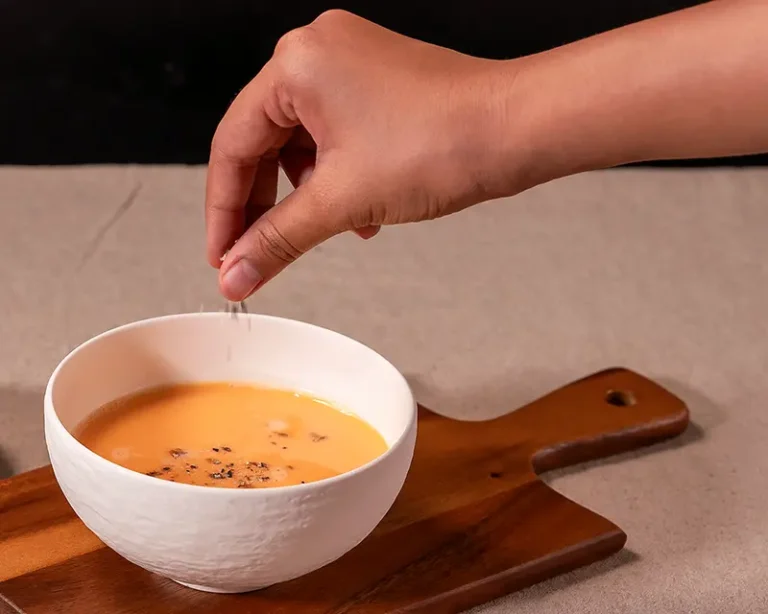
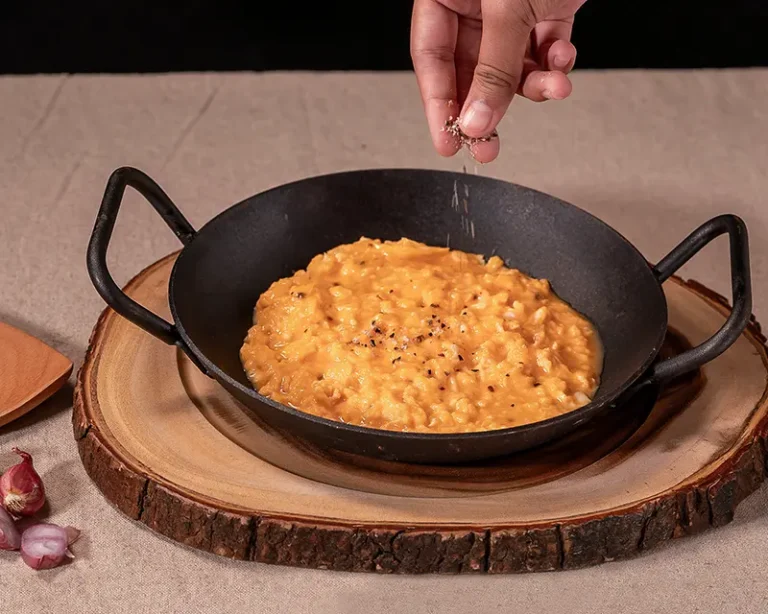
For soft, creamy scrambled eggs, add a light pinch of salt before whisking, then cook slowly over low heat. If you want a sharper finish, add only a few crystals of finishing salt at the end, once the eggs are on the plate.
How much salt to use on scrambled eggs
Use a light pinch. Scrambled eggs hold salt easily, so small amounts are enough.
Best finishing salt for scrambled eggs
- artisan mineral salt: light melt with subtle texture
- chive or herb salt: lifts richness and keeps flavour fresh
- black garlic salt (used sparingly): adds depth without overpowering
These salts add depth without adding complexity.
👨🏼🍳 Flavour insight
Egg proteins begin to set around 62–70°C. Salt added before cooking affects how tightly those proteins bond, which helps the curds stay softer. Salt added at the end stays on the surface, creating small points of contrast across the finished eggs.
When to Salt Omelettes
An omelette is about restraint: soft egg, even seasoning, and nothing loud enough to break the texture. Unlike scrambled eggs, an omelette sets into one continuous layer, so a small amount of salt before cooking helps the whole egg taste balanced from edge to centre. For omelettes, when to salt eggs is simple: add a light pinch before cooking, then finish only if the surface needs contrast.
Add a light pinch of salt before the pan if you want a soft, smooth omelette. The salt spreads through the beaten egg before the proteins set, giving a more uniform texture and preventing the surface from carrying all the seasoning.

You can still finish an omelette at the end, but use restraint. A few crystals on a warm butter omelette, especially with herbs, mushrooms, or cheese, can sharpen the final bite without making the surface taste salty.
How much salt to use on omelettes
Use a light pinch before cooking. If the omelette has salty fillings such as cheese, ham, smoked fish, or seasoned mushrooms, reduce the salt in the egg and finish with only a few crystals after plating.
Best finishing salt for omelettes
- herb salts (chive, parsley, tarragon): lift the egg and match fresh fillings
- mushroom salt (used lightly): adds savoury depth, especially with butter or cheese
- saffron salt: adds warmth and aroma to butter-rich omelettes
These aromatic salts work because omelettes carry flavour through fat and heat, not structure.
👨🏼🍳 Flavour Insight
Omelettes carry flavour through butter, yolk, and filling. Salt added early gives structure and even seasoning. Salt added at the end gives contrast, especially when the omelette is still warm.
When to Salt Soft-Boiled Eggs
A soft-boiled egg is one of the clearest places to taste finishing salt: warm yolk, barely set white, and a few crystals melting slowly into the first spoonful. Open the egg while the yolk is still warm. Add a few crystals just before eating, so the salt melts into the surface without disappearing too soon.
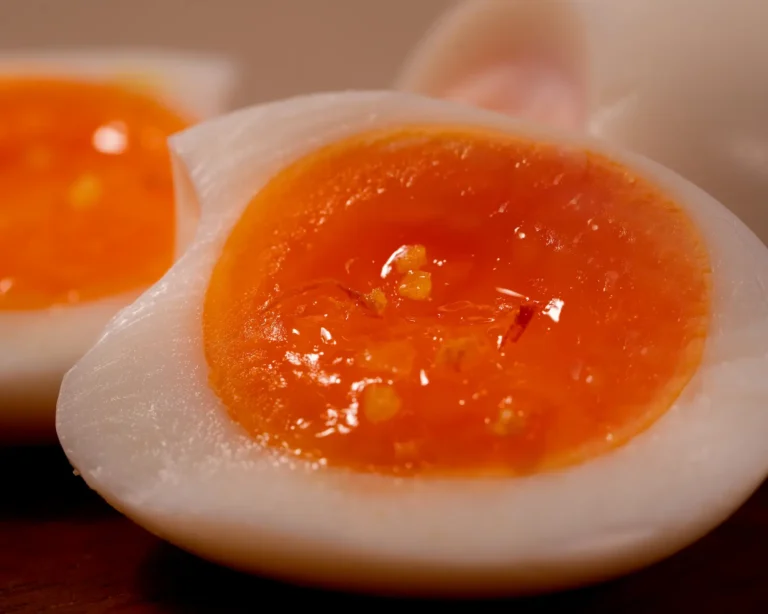
This is where finishing salt works beautifully: the crystals sit on the yolk, melt slowly, and make the egg taste richer without disappearing immediately.
If you want to understand why crystal size matters here, read the Finishing Salt Guide. Warm yolk shows the difference clearly: fine salt disappears quickly, while larger crystals melt more slowly and give the egg a sharper finish.
When to salt soft-boiled eggs
Add salt after opening, while the yolk is warm, just before eating.
How much salt to use on soft-boiled eggs
A few crystals per bite.
Best finishing salt for soft-boiled eggs
- fine mineral salt: even coverage when serving in a cup or by spoon
- mushroom salt (used lightly): for deeper, savoury eggs, especially with toast
- saffron salt: adds warmth to buttered eggs or eggs with bread
👨🏽🍳 Flavour insight
Egg yolk carries flavour through fat. Salt increases aroma release, making the egg taste richer and more savoury.
Try this once
Make a soft-boiled egg. Add no salt while cooking. Finish it only at the end with a few crystals on the yolk and a few across the white. Taste the yolk first, then the white. The difference is the whole point of finishing salt.
Why Eggs Respond So Strongly To Salt
The reason when to salt eggs matters so much is that eggs change quickly under heat. Eggs are simple, but sensitive. They are mostly water, protein, and fat, which means salt can change both texture and flavour quickly.
When salt is mixed into raw eggs, it spreads through the whites and yolks before heat sets the proteins. This is why scrambled eggs and omelettes can become softer and more even when lightly salted before cooking.
When salt is added after cooking, it stays on the surface, especially on warm yolk, and dissolves as you eat. That gives the egg a sharper finish, a little texture, and a more immediate savoury taste.
When to Salt Poached Eggs
Poached eggs need restraint. The white is soft and clean, the yolk is warm and fluid, and there is no browned edge or butter to hide behind. Too much salt takes over quickly. A poached egg is quiet food, so the salt has to be precise.
Add salt after plating, while the egg is still warm. Place a few crystals directly on the yolk and a little across the white. The yolk carries the salt first, while the white gives a cleaner, softer contrast.
How much salt to use on poached eggs
Use a very light pinch. Poached eggs are usually eaten with toast, hollandaise, vegetables, or smoked fish, so the rest of the dish may already carry salt.
Best finishing salt for poached eggs
- flaky mineral salt: holds on the surface and adds contrast
- citrus salt (lemon):adds brightness and sharpens the flavour
- white pepper salt: adds a subtle edge
👩🏼🍳 Chef tip
Salt after draining the egg, not while it is still wet from the poaching water. A drier surface helps the crystals stay where you place them.
When to Salt Fried Eggs
Fried eggs show the other side of when to salt eggs: salt at the end, while the yolk is still warm. A fried egg is simple until the yolk breaks. Then the salt matters. A fried egg gives you two surfaces: the set white and the warm yolk. Salt belongs at the end, when the white has just set and the yolk can still melt the crystals into the first bite.
Add a few crystals directly on the yolk, then scatter the rest lightly across the white. The yolk carries richness, the white gives structure, and the salt connects both without disappearing into the pan.
If the egg sits too long before serving, finishing salt loses its edge. Add it while the egg is still hot enough for partial melting, but close enough to serving that the crystals remain visible.
Salt fried eggs at the end, while the white has just set and the yolk is still warm. That is the moment when the surface can hold the crystals, but the yolk is still hot enough to melt them into the first bite.

For eggs, the goal is not more salt. It is better timing. A few crystals of mineral salt, mushroom salt, or saffron salt can change the final bite without making the dish taste salty.
How much salt to use on fried eggs
Use a small pinch. Fried eggs oversalt quickly, especially when served with salted butter, toast, cheese, bacon, or sauce.
Best finishing salt for fried eggs
- fine mineral salt: even surface coverage
- chili salt: heat and contrast, especially with oil or butter
- mushroom salt (used lightly): deeper savoury notes, especially with butter or toast
Fried eggs pair well with umami salts. See our Guide on Umami Salt.
👨🏼🍳 Chef tip
Salt from 20–30 cm above the plate so the crystals spread evenly.
When to Salt Egg Toast
Egg toast is where finishing salt becomes obvious. The bread is dry and crisp, the egg is warm, and the yolk turns into a sauce. That is why egg toast rewards finishing salt more than almost any breakfast plate. A few crystals of salt can season the yolk, catch on the toast, and change each bite as you eat.
Add salt once the egg is on the toast, while the yolk is still warm. Place a few crystals on the yolk and scatter the rest lightly across the white and bread. When the yolk breaks, it carries some of the salt into the toast instead of leaving it only on the surface.
How much salt to use on egg toast
Use a small pinch. Toast, butter, cheese, bacon, smoked fish, or sauces can already bring salt, so start light and add more only after the first bite.
Best finishing salt for egg toast
- mineral finishing salt: even coverage across egg and toast
- mushroom salt: adds savoury depth
- herb salt: lifts freshness
👩🏽🍳 Serving Tip
Break the yolk before the first bite. Let it run into the toast, then taste before adding more salt. The yolk will carry the crystals farther than you expect.
When to Salt Hard-Boiled Eggs
Hard-boiled eggs are humble, but they reveal bad seasoning immediately. The yolk goes chalky, the white goes flat, and salt has to land exactly where you taste it. Hard-boiled eggs are firm, mild, and slightly dry compared with soft eggs. Salt matters because it lands directly on the cut surface, where the yolk is dense and the white needs clean seasoning.
Slice the egg just before serving, then add salt immediately before eating. Place a few crystals on the yolk and scatter the rest lightly across the white. If the egg is still slightly warm, the salt adheres better and tastes more integrated.
How much salt to use on hard-boiled eggs
Use a moderate pinch. The dense texture can take slightly more salt than soft-boiled or poached eggs, but reduce it if the egg is going into a salad, sandwich, or plate with dressing.
Best finishing salt for hard-boiled eggs
- fine mineral salt: even coverage, clean flavour
- herb salts (chive, dill): lift freshness, especially in cold eggs or salads
- mustard seed salt: sharpens the yolk and works well with butter, mayonnaise, or toast
👩🏼🍳 Chef tip
A light coating of olive oil, melted butter, or mayonnaise helps finishing salt cling to cold hard-boiled eggs. Without a little fat or moisture, the crystals can fall off the surface before you taste them.
When to Salt Devilled Eggs
Devilled eggs are built for the table: rich, cold, creamy, and eaten in one or two bites. That makes the final seasoning matter. Devilled eggs are already seasoned from the inside. The yolk filling usually carries mayonnaise, mustard, vinegar, pepper, or paprika, so finishing salt should be used as a final accent, not as the main seasoning.
Add salt after piping, just before serving. A few crystals across the top give the creamy filling a sharper finish and stop the egg from tasting too heavy.
How much salt to use on devilled eggs
Use very little. The filling often already contains salt, and devilled eggs are easy to over-season because every bite is rich and concentrated.
Best finishing salt for devilled eggs
- fine mineral salt: clean, even seasoning
- chili salt: adds heat and cuts through the richness
- mustard seed salt: sharpens flavour and reinforces the classic profile
- smoked salt (used lightly): adds deeper savoury notes
👩🏽🍳 Serving tip
Salt just before the eggs go to the table. If the crystals sit too long on the filling, they dissolve into the surface and the contrast disappears.
When to Salt Avocado and Eggs
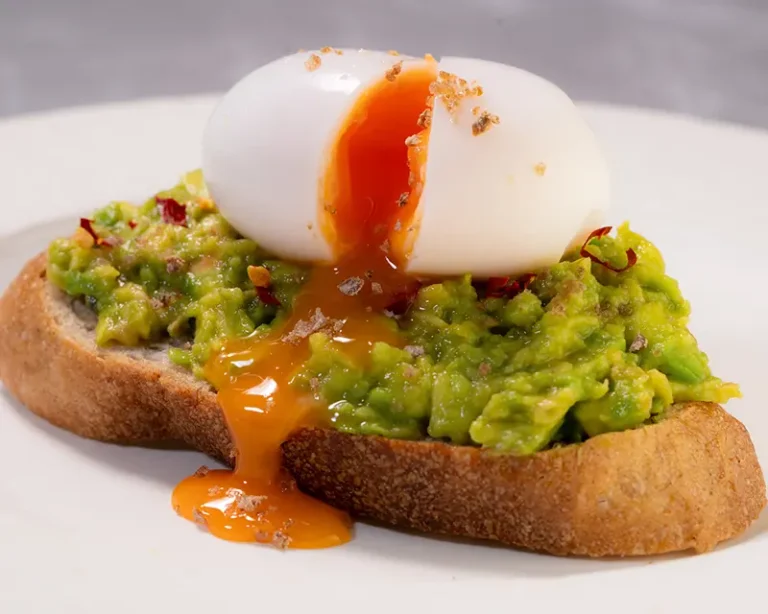
Avocado and eggs both carry flavour through fat. That makes salt very noticeable, especially when the yolk is warm and the avocado is soft. A small amount can make the whole dish taste fuller, cleaner, and less flat. This is the kind of plate that turns dull quickly when it is under-salted and heavy when it is over-salted.
Add salt after plating. Scatter a little across the avocado, then place a few crystals directly on the yolk.
How much salt to use on avocado and eggs
Use a moderate pinch, but adjust for the rest of the plate. Toast, feta, smoked fish, bacon, chilli oil, or sauces can already bring salt, so start lighter when those are included.
Best finishing salt for avocado and eggs
- citrus finishing salt: adds brightness and cuts through richness
- chili salt: adds heat and contrast
- mineral finishing salt: even coverage across both elements
👨🏻🍳 Serving tip
Add salt after slicing or mashing the avocado, not before. Once the surface is exposed, the salt can sit where it matters instead of disappearing into the plate.
Egg Dishes Around the World That Highlight Salt
Other egg traditions also show why when to salt eggs depends on texture, timing and whether the salt is mixed in or used as a finish. Many traditional egg dishes rely on salt not only for seasoning but also for transforming flavour and texture. These examples show how strongly eggs respond to salt in different cuisines.
Korean Roasted Salt with Eggs
In Korea, roasted salts are sometimes served with eggs just before eating. These salts are heated until they become dry, mineral, and slightly toasted in flavour.
Used as a finishing salt, they dissolve slowly on warm egg yolk and create small bursts of seasoning and texture.
This shows the opposite timing: salt added at the end does not move deeply into the egg. It stays on the surface, where you taste it immediately.
Japanese Tamago and Salt Balance
Japanese tamago omelette uses a small amount of salt to balance sweetness and strengthen the savoury flavour of the eggs.
Eggs do not need much salt to taste complete. A small pinch can sharpen flavour because yolk carries aroma through fat, while the salt strengthens savoury perception. For a deeper explanation of this interaction, see the How Salt Affects Flavour guide.
Black Salt and “Egg Flavour” in Indian Cooking
Kala namak (black salt) contains sulfur compounds that create an egg-like aroma. This makes it common in Indian street food and vegan cooking to recreate egg flavour.
Examples include chaat, fruit salads or vegan tofu ‘egg’ dishes. This shows how some salts shape flavour through aroma, not just salinity.
What These Traditions Reveal About Eggs and Salt
Across cuisines, eggs are rarely treated as neutral. They are preserved, seasoned, balanced, sharpened, and sometimes transformed by salt.
Salt can amplify savoury flavour, balance sulfur aromas, carry aroma through yolk fat, and create contrast when used as a finishing salt.
That is why eggs need less salt than people think, but better timing than most people give them.
More Timing Guides
When to salt eggs becomes obvious once you taste the difference: salt early for softness, salt late for contrast. The same idea matters with vegetables and potatoes, where the wrong timing can make food watery, flat, or poorly seasoned.
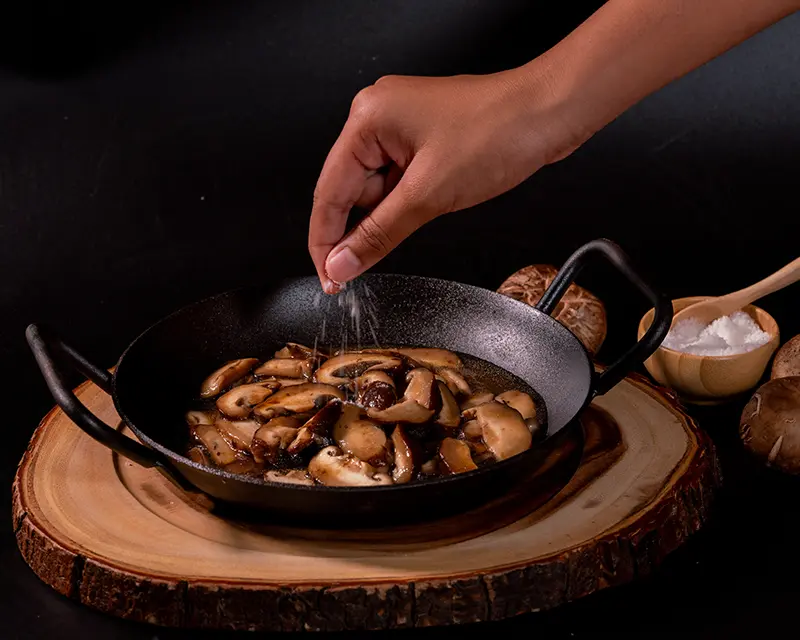
When to Salt Mushrooms for Deeper Browning and Flavour
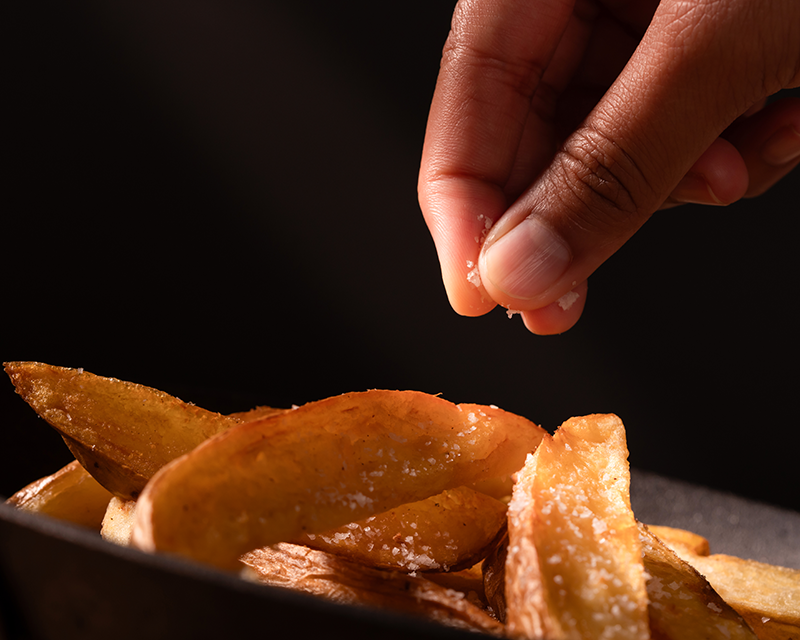
When to Salt Fries So They Stay Crisp
Frequently Asked Questions About When to Salt Eggs
How do you salt eggs before or after cooking?
When to salt eggs depends on the result you want. Salting before cooking produces softer scrambled eggs and more even seasoning, while salting after cooking acts as a finishing step that creates surface salinity and texture contrast. Both work, but they do different jobs: early salting changes texture, late salting changes flavour.
What salt is best for eggs?
Eggs work especially well with finishing salts that dissolve gradually and add texture.
Common choices include: flaky sea salt, mineral finishing salt and aromatic salts such as fermented mushroom salt or saffron salt.
These salts create small bursts of salinity on the surface of the egg rather than dissolving immediately.

Why do chefs add salt to eggs at the end?
Professional kitchens often add salt at the end because finishing salt stays on the surface of the egg. The crystals dissolve slowly on warm yolk and create stronger flavour contrast than salt mixed in earlier.
Many chefs use finishing salt this way across a wide range of dishes, from eggs and vegetables to grilled meat and fish. See How Chefs Use Finishing Salt to understand how professional kitchens apply finishing salt during plating.
Can you oversalt eggs easily?
Yes. Eggs reach flavour balance quickly because they contain fats and proteins that amplify saltiness. A very small pinch is usually enough. If ingredients such as cheese, bacon, or sauces are added, even less salt may be needed.
Why does salt taste stronger on eggs?
Egg yolks contain fats that carry aroma compounds. When salt dissolves on the yolk surface it enhances these aromas and increases savoury flavour perception. This is why even a small amount of finishing salt can noticeably change the taste of eggs.
Why do eggs taste bland without salt?
Eggs contain fats and proteins that carry flavour, but their natural salinity is very low. Without salt, many of the aroma compounds in egg yolks remain muted. Salt increases flavour perception by enhancing savoury notes, reducing sulfur sharpness, and amplifying aromas carried by the yolk’s fats. This is why even a very small pinch of finishing salt can make eggs taste significantly richer and more balanced.