How To Use Finishing Salt On Potatoes
Salt changes potatoes more than almost any other ingredient. The way it is usedβduring cooking or added at the endβdirectly affects flavour, texture, and intensity.
For best results, potatoes are seasoned in two stages. Salt in the cooking water builds internal flavour. Finishing salt added at the end stays on the surface, creating sharper, more defined taste in each bite.
This guide shows exactly when to add salt, how much to use, and which salts work best for roasted potatoes, fries, mashed potatoes, and boiled potatoes.
How To Use Finishing Salt on Roasted Potatoes
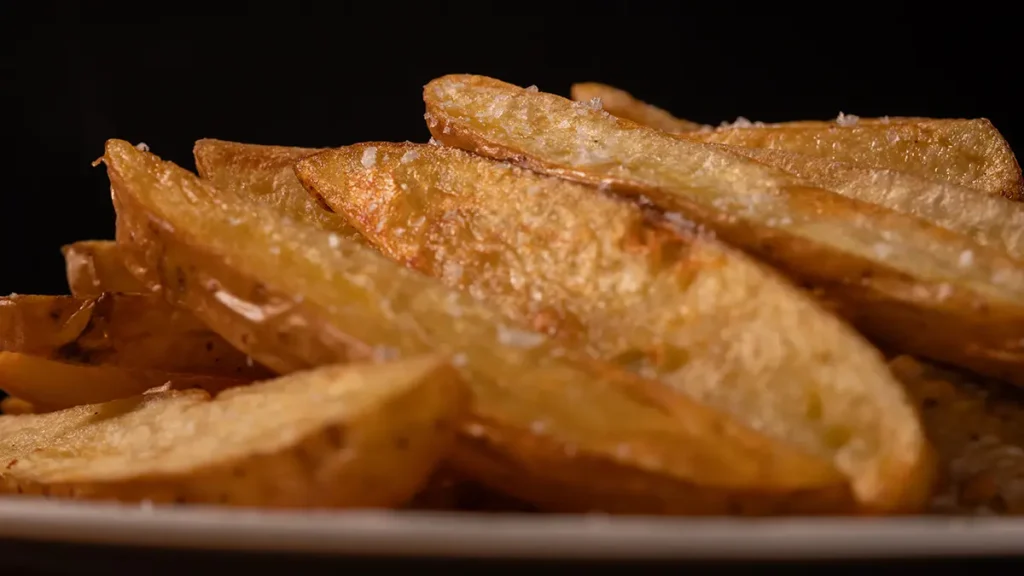
Roasted potatoes develop a dry, textured surface while the interior becomes soft and fluffy. This contrast makes them one of the best foods for finishing salt. Salt crystals settle into the small ridges of the roasted surface and dissolve slowly as they meet heat and oil.
Sprinkle the salt evenly over the potatoes just after they leave the oven. The residual heat helps the crystals release flavour without fully dissolving into the potato.
When to add finishing salt on roasted potatoes: Immediately after roasting, while the potatoes are still hot and lightly coated with oil.
How much to use: A moderate pinch across the surface of the dish. Roasted potatoes benefit from visible salt crystals rather than completely dissolved seasoning.
Best finishing salt for roasted potatoes:
- artisan mineral salt: clean structure that balances oil and keeps the flavour clear
- black garlic salt: deep, rounded umami that reinforces roasted edges
- rosemary or thyme salt: adds aromatic lift that cuts through richness
π©πΌβπ³ Chef tip
Always season roasted potatoes while they are still hot. As they cool, the oil on the surface thickens and salt crystals no longer adhere evenly.

How To Use Finishing Salt on French Fries
French fries have a crisp exterior and a soft, steaming interior. This hot surface creates the ideal moment for finishing salt to dissolve slightly while still leaving small crystals that sharpen flavour in each bite.
As soon as the fries come out of the fryer or oven, scatter the salt lightly across them while they are still hot. The thin layer of oil on the surface helps the crystals adhere and distribute evenly.
When to add finishing salt on French fries: Immediately after frying or baking, while the fries are still hot and glistening with oil.
How much to use: A moderate pinch across the fries. Because fries are thin and highly textured, salt spreads quickly, so a small amount is usually enough.
Best finishing salt for french fries:
- artisan mineral salt: clean, even salinity that carries across the whole batch
- smoked salt: adds depth that works with fried, browned surfaces
- chili salt: use when the fries are served plain or lightly oiled, adds heat and contrast
π©πΌβπ³ Chef tip
Toss fries gently after salting to distribute the crystals evenly. Adding salt too early causes it to dissolve completely into the oil instead of creating bursts of flavour on the surface.
How To Use Finishing Salt on Mashed Potatoes
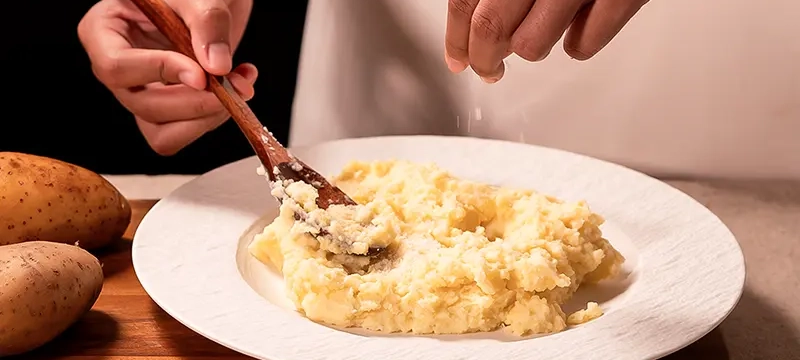
Mashed potatoes carry flavour through fat and moisture rather than through a dry surface. Butter, cream, and warm starch allow salt to dissolve quickly and distribute evenly through the dish.
Because of this, mashed potatoes are usually seasoned in layers. The potatoes are salted during cooking, and a small amount of finishing salt is added at the end to sharpen the overall flavour.
When to add finishing salt on mashed potatoes:
Salt the potatoes first while they cook in the water. After mashing and adding butter or cream, finish with a small pinch of finishing salt just before serving.
How to apply finishing salt:
Sprinkle the finishing salt lightly across the surface of the mash or fold it gently through the top layer while the potatoes are still warm.
How much to use:
A small pinch. Most seasoning should already come from properly salted cooking water.
Best finishing salt for mashed potatoes:
- artisan mineral salt: melts cleanly into the surface and keeps the flavour smooth
- chive or parsley salt: adds freshness that cuts through butter and cream
- mushroom salt (use lightly): adds savoury depth, best with butter-heavy or roasted garlic mash
π©πΌβπ³ Chef tip
Always taste mashed potatoes before adding finishing salt. Because the potatoes absorb salt from the cooking water, the final seasoning usually needs only a small adjustment.
How To Use Finishing Salt on Boiled Potatoes
Boiled potatoes develop their base seasoning during cooking. Salted water allows sodium to move into the potato as it cooks, creating even internal flavour. Use generously salted water, as much of the salt stays in the water, so only a small portion enters the potato.
Finishing salt works differently. When added after draining, it stays on the surface. Some crystals dissolve into the warm potato, while others remain intact. This creates small, concentrated points of salinity that sharpen the overall flavour.
Used together, internal seasoning and surface salt create a fuller and more precise result.
When to add finishing salt on boiled potatoes:
Salt the cooking water first so the potatoes absorb seasoning during boiling.

After draining, add a light pinch of finishing salt while the potatoes are still warm. If using butter or olive oil, coat the potatoes first, then add the salt so it adheres to the surface.
How much to use:
Use a generous amount of salt in the cooking water. For finishing, add a light, even pinch. The potatoes are already seasoned internally, so the final salt should lift the flavour, not weigh it down.
Best finishing salt for boiled potatoes:
- artisan mineral salt: clean salinity that sits on the surface and sharpens the flavour
- flaky sea salt: light surface contrast that creates small bursts of salinity
- light citrus salt (very restrained): adds brightness, especially with olive oil
- herb salt (chive, parsley, or dill): adds freshness that lifts the mild flavour
π©πΌβπ³ Chef tip
Salt the cooking water generously. Proper internal seasoning allows finishing salt to sit on the surface and define the flavour, rather than compensate for bland potatoes.
Why Potatoes Respond So Well to Finishing Salt
Roasted potatoes, fries, and smashed potatoes develop a crisp outer surface while the interior becomes soft and fluffy.
This contrast creates ideal conditions for finishing salt. Salt crystals settle on the dry exterior of the potato instead of dissolving immediately into the interior. As the crystals meet heat, steam, and oil, they dissolve gradually and create small bursts of salt in each bite.
These bursts of salt sharpen the natural sweetness of the potato and highlight the toasted flavours created during roasting or frying.
For this reason, chefs rarely rely on dissolved salt alone when finishing potatoes. A light scattering of finishing salt at the end adds texture and clearer flavour contrast across the surface of the dish.
Potatoes are one of the foods where finishing salt makes the biggest difference. At Maison Kojira we craft culinary salts designed to highlight texture, aroma, and flavour in food. Potatoes provide one of the clearest examples of this interaction because their dry exterior allows salt crystals to remain on the surface long enough to create bursts of flavour.
If you want to explore the different types of finishing salts and how chefs use them, see our Finishing Salt Guide.
The science behind how salt affects flavour, moisture, and texture during cooking is explained in detail in our guide How Salt Affects Flavour.
Salt, Starch, and Surface Texture
Potatoes are built largely from starch. As they cook, starch granules swell and gelatinise, softening the interior while the outer surface gradually dries. When roasted or fried, this outer layer becomes slightly rough and crisp.
This textured surface allows salt crystals to remain on the exterior of the potato rather than dissolving immediately into the interior. Each crystal dissolves slowly as it meets heat, steam, and oil, releasing flavour gradually across the surface.
The result is a different form of seasoning from salt dissolved during cooking. Finishing salt creates small bursts of salinity that sharpen flavour and add texture rather than spreading evenly through the ingredient.
Common Mistakes When Salting Potatoes
Potatoes seem simple, but they are easy to season poorly. Because they contain large amounts of starch and moisture, salt behaves differently on potatoes than on many other foods.
Several common mistakes prevent finishing salt from creating the flavour contrast it is capable of.
Adding finishing salt too early
Finishing salt works best when it lands on warm food just before serving. If it is added too early, the crystals dissolve completely and the surface bursts of flavour disappear.
Under-salting the cooking water
Boiled potatoes, mashed potatoes, and potatoes destined for roasting should always be cooked in properly salted water. If the interior of the potato is bland, finishing salt cannot compensate for the missing base seasoning.
Using salt that is too fine
Very fine salt dissolves instantly and spreads evenly through the dish. While this is useful during cooking, it removes the texture and flavour contrast that finishing salt provides.
Oversalting after frying or roasting
Hot potatoes absorb salt quickly. Adding too much finishing salt can overpower the natural sweetness of the potato and hide the toasted flavours created during cooking.
Using heavily flavoured salts indiscriminately
Potatoes pair well with aromatic salts, but strong flavours such as smoked salts or fermented salts should be used carefully. A small pinch is usually enough to transform the dish.
Understanding these small details allows finishing salt to do what it does best: create contrast, texture, and sharper flavour across the surface of the food.
Frequently Asked Questions About Finishing Salt on Potatoes
Should you salt potatoes before or after cooking?
Potatoes are usually salted at two stages.
First, the cooking water is salted so the potatoes absorb seasoning internally.
Second, a small amount of finishing salt is added just before serving so the crystals remain on the surface and create bursts of flavour.
Both steps work together. Internal seasoning builds the base flavour, while finishing salt sharpens the taste and adds texture.
When should you add salt to roasted potatoes?
Finishing salt should be added immediately after the potatoes leave the oven. While the potatoes are still hot, the thin layer of oil on the surface helps the salt crystals adhere and dissolve slightly without disappearing completely.
If the potatoes cool before salting, the oil thickens and the salt no longer spreads evenly.
Why do fries taste better with salt added right after frying?
Fresh fries come out of the fryer coated in a thin layer of hot oil. When salt is added at this moment, the crystals stick to the surface and dissolve slightly, spreading evenly across the fries.
If salt is added later, the oil cools and the crystals fall off instead of adhering to the surface.
Why do potatoes need more salt than many other foods?
Potatoes contain a large amount of starch and water, which dilutes seasoning. As the potato cooks and expands, the starch absorbs flavour, making the overall taste milder.
Because of this, potatoes usually need both properly salted cooking water and a small amount of finishing salt to bring out their natural flavour.
Why do restaurant potatoes taste better than homemade ones?
Restaurant potatoes often taste better because professional kitchens season them in layers. Potatoes are usually cooked in salted water, seasoned again during roasting or frying, and finished with a light pinch of finishing salt just before serving.
This layering creates a balanced flavour inside the potato while the final crystals remain on the surface and sharpen each bite.
Restaurants also tend to salt potatoes while they are still hot, which helps the crystals adhere to the surface and distribute more evenly.
What type of salt works best on potatoes?
Potatoes work particularly well with salts that have larger crystals. These crystals remain on the surface long enough to create bursts of flavour in each bite. Common choices include: artisan mineral salts, flaky sea salts and herb or aromatic finishing salts.
Very fine salt dissolves quickly and spreads evenly through the dish, which removes the texture and contrast that finishing salt provides.
How Finishing Salt Works Across Different Ingredients
Potatoes are a clear example of how finishing salt interacts with food. Their dry, starchy surface allows salt crystals to settle and dissolve slowly, creating sharp bursts of flavour in each bite. Other foods behave differently depending on their structure, moisture, and fat content.
At Maison Kojira we explore these differences across a range of ingredients, sharing practical guides on how to use finishing salt across different foods in real cooking.
Meat and Seafood
β How to Use Finishing Salt on Meat
β How to Use Finishing Salt on Seafood
Eggs and Vegetables
β How to Salt Eggs
β How to Use Finishing Salt on Vegetables
Starches and Grains
β How to Use Finishing Salt on Grains
Simple Foods
β How to Use Finishing Salt on Simple Foods
Kojira Fermented Mushroom Mineral Salt