Do All Salts Taste the Same? The Honest Answer
Do all salts taste the same? We make salt, love salt, and still say: sometimes yes.
Our salt begins in inland mineral brines in Northeast Thailand, on family land where salt has been harvested for generations. We care about the place it comes from, the fire, the drying, the crystals, the mineral character, and the way it feels between the fingers.
But if you dissolve any good unflavoured salt completely into pasta water, soup, dough, or a long-cooked sauce, most of that difference disappears. At that point, you are mostly tasting sodium chloride and concentration.
That is not an argument against better salt. It is the reason to use better salt where it can still be tasted.
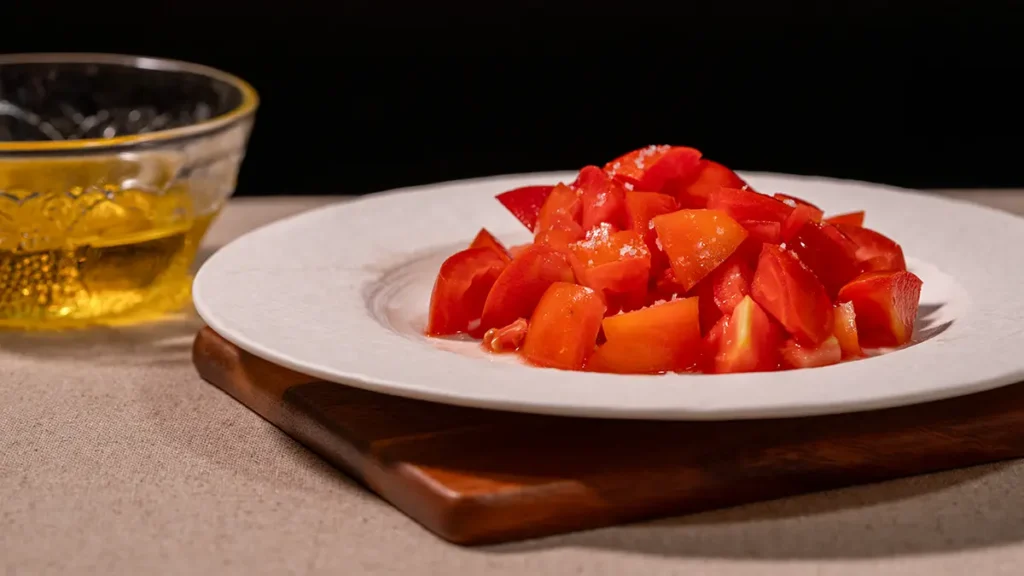
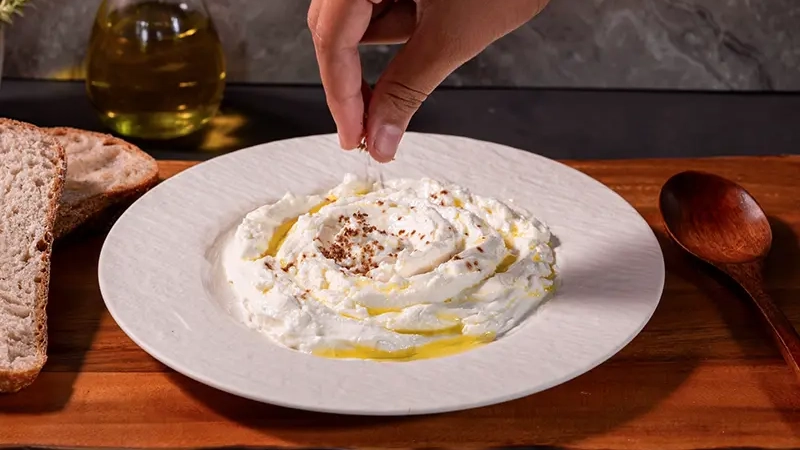
The answer changes when salt is tasted directly on the food: on tomatoes, eggs, grilled meat, mushrooms, olive oil, fruit, yoghurt, bread, roasted vegetables, or anything finished at the table. Then crystal size, mineral character, texture, dissolution speed, and real ingredients can change what reaches your tongue.
Better salt matters when the dish lets you taste the difference.
When Do All Salts Taste the Same, and When Do They Not?
The answer to “do all salts taste the same?” depends less on the salt itself than on where the salt is used. If it dissolves completely, the differences shrink. If it stays on the surface, the differences become easier to taste.
When Salt Disappears
Pasta water, soup, dough, and long-cooked sauces.
When salt dissolves completely and spreads evenly through food, most good unflavoured salts become very difficult to tell apart.
At that point, the main difference is usually the amount of sodium, not the salt’s origin, minerals, or crystal character.
When Salt Matters
Tomatoes, eggs, mushrooms, grilled meat, seafood, olive oil, bread, yoghurt, fruit, and roasted vegetables.
When salt remains visible, textured, or close to the surface, the difference becomes easier to taste.
Crystal size, mineral character, dissolution speed, and real ingredients all change how the salt reaches the tongue.
When All Salts Taste Almost the Same
If salt is fully dissolved into pasta water, soup, dough, or a long-cooked sauce, most good unflavoured salts become very difficult to tell apart once the sodium level is the same.
That is not because better salt has no value. It is because the dish has taken away the things that make better salt different: the crystal structure, the texture, the way it dissolves, and the small mineral notes you might notice when the salt is tasted directly.
It is also why speciality salt is usually not the most economical choice for bulk cooking. A carefully harvested mineral salt costs more because of where it comes from, how it is collected, how it is dried, and how much labour goes into preserving its character. If that character disappears completely into a large pot of water or dough, you are paying for qualities the dish will not let you taste.
For pasta water, basic cooking salt is usually enough. Save better salt for the moments where it still reaches the tongue.
What Makes Better Salt Better
Do all salts taste the same once the food lets you taste the salt directly? No. Better salt becomes better when the things that make it different can still be tasted: mineral content, crystal structure, purity, and ingredient depth.
1. Mineral Content
Natural salts can carry small amounts of calcium, potassium, magnesium, iron, manganese, and other elements.
These can change the character of salinity: cleaner, rounder, sharper, more bitter, or more mineral.
2. Crystal Structure
The shape of the crystal changes how salt reaches the tongue.
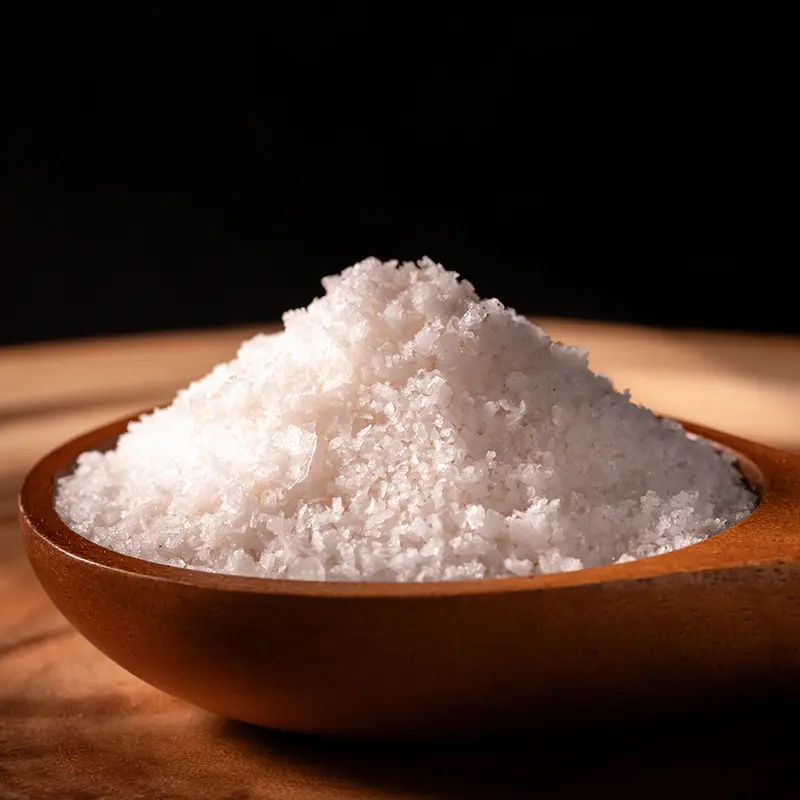
Fine salt disappears quickly. Larger or irregular crystals dissolve more slowly, creating texture, control, and small pulses of salinity.
3. Purity
Finishing salt is tasted directly, so cleanliness matters.
Careful harvesting, drying, handling, and testing matter more when salt stays on the surface of food.
4. Ingredient Depth
Some salts carry real ingredients, not only minerals.
Fermented mushroom, preserved lemon, black garlic, saffron, herbs, citrus, smoke, or chilli can add umami, brightness, sweetness, aroma, colour, or depth in one controlled pinch.
Mineral Content: Why Source Still Matters
Salt is mostly sodium chloride. That is the honest baseline. This is why the question “do all salts taste the same?” has to be answered carefully. The main ingredient is the same, but the smaller details are not always the same.
Natural salts are not always only sodium chloride. Depending on where the salt forms, small amounts of other minerals can remain in the crystals. These minerals do not turn salt into a different ingredient, and they should not be exaggerated. But when salt is tasted directly, they do change the character of salinity: how sharp, round, clean, mineral, or slightly bitter it feels on the tongue.
This is where source begins to matter. A salt made from inland mineral brine, reduced slowly, dried carefully, and handled by hand is not the same thing as a highly refined industrial salt made only to disappear into food, or a salt produced by evaporating seawater.
Because we work with mineral salt ourselves, we also wanted the numbers behind the story. Our measured mineral profile includes sodium at 382,700 mg/kg, calcium at 2,916 mg/kg, potassium at 1,663 mg/kg, magnesium at 459 mg/kg, iron at 17.25 mg/kg, and manganese at 3.11 mg/kg.
Those values give the salt more shape. Calcium, potassium, magnesium, iron, manganese, and other trace elements can make salinity feel cleaner, more mineral, more rounded, and less flat.
That is what better salt should do. It should lift the food and make it taste more delicious.
Crystal Structure: Why Shape Changes Saltiness
Crystal structure is one of the easiest salt differences to taste, because it changes how fast salt dissolves.
Fine salt disappears almost immediately. Larger crystals dissolve more slowly. Flaky salt breaks quickly, but still gives a light surface hit. That is why the same amount of salt can feel harsh, soft, sharp, or controlled depending on its shape. It is not only chemistry. It is timing: how much salt reaches the tongue at once, and how long it stays there.
For finishing, crystal structure matters because the salt is still visible and tasted directly. A good crystal gives control, texture, and clean bursts of salinity without overwhelming the food.
Purity: Why Clean Salt Matters
Purity is not only about how a salt tastes. It is about what you are comfortable eating.
Finishing salt is tasted directly. It sits on tomatoes, eggs, fish, bread with olive oil, yoghurt, fruit, and warm food at the moment you eat it. That makes clean harvesting, careful drying, proper handling, and testing more important than they might seem in a salt that disappears into boiling water.
A better salt should taste clean, but it should also be clean. It should not carry unwanted residues, dirt, off-notes, or harmful levels of heavy metals and contaminants. Salt comes from the earth, the sea, or mineral brines, and those sources are not all the same.
This is not about making salt sound dangerous. It is about taking a basic ingredient seriously. Salt should be pure enough, clean enough, and carefully handled enough to add to the food you eat or serve your loved ones.
Ingredient Depth: When Salt Carries More Than Salt
Some salts taste different because they contain more than mineral character and crystal structure. They carry other ingredients.
This can be simple: herbs dried into salt, citrus zest mixed through crystals, smoked salt exposed to wood smoke, or chilli blended into coarse salt. In better versions, the ingredient work goes deeper. Mushrooms may be fermented or dried to concentrate umami. Garlic may be aged until dark and sweet. Lemons may be preserved before being dried into the salt. Saffron may be infused carefully so the salt carries aroma and colour as well as salinity.
That changes the role of the salt. It is no longer only seasoning. It becomes a way to carry salinity, aroma, acidity, sweetness, umami, smoke, heat, or colour in one controlled pinch.
This is why gourmet salts can taste more different from each other than plain salts do. A mineral salt and a sea salt may differ subtly. A mushroom salt, preserved lemon salt, black garlic salt, smoked salt, chilli salt, or saffron salt can create a much clearer difference in the dish.
But ingredient depth only works when the salt itself gives the ingredient room. If the salinity is too sharp, it can crowd out the flavour it is meant to carry. A softer, more layered salt lets the added ingredient open into the food instead of sitting on top of it.
That is the point of a good gourmet salt. The salt should season first, then help the ingredient shine: mushroom becoming deeper, preserved lemon becoming brighter, black garlic becoming rounder, and saffron becoming warmer and more aromatic.
So, Do All Salts Taste the Same?
No, but they do not taste different in every situation.
When salt dissolves completely into pasta water, soup, dough, or a long-cooked sauce, most good unflavoured salts become very difficult to tell apart. The crystal is gone. The texture is gone. The surface hit is gone. What matters most is the amount of salt in the food.
But when salt is tasted directly, the answer changes. On tomatoes, eggs, mushrooms, grilled meat, olive oil, yoghurt, fruit, bread, fish, or roasted vegetables, the differences are easier to notice. Mineral character, crystal structure, purity, and ingredient depth can all change how the salt reaches the tongue.
So the honest answer is simple: use ordinary salt where salt disappears. Use better salt where the food lets you taste the difference. That is where the question “do all salts taste the same?” finally becomes worth caring about.
Taste the Difference Where It Matters
Do all salts taste the same? Not when the salt is still part of the bite. Better salt earns its place when it stays close to the surface of food, where crystal structure, mineral character, purity, and ingredient depth can still reach the tongue.
Start with mineral salt for a cleaner finish, or choose a gourmet salt when you want real ingredient depth.
Join the Maison Kojira Letter
Eat sharper. Host better. Be more present. Get practical notes on flavour, ingredients and the small details that make food worth sharing.