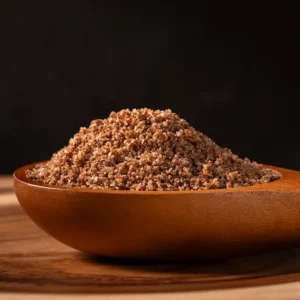
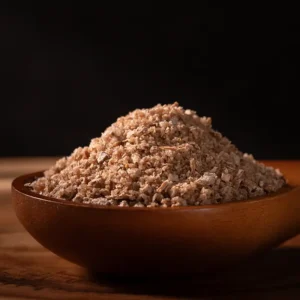
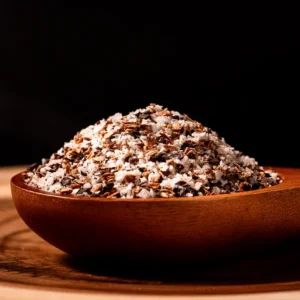
 Kojira Fermented Mushroom Salt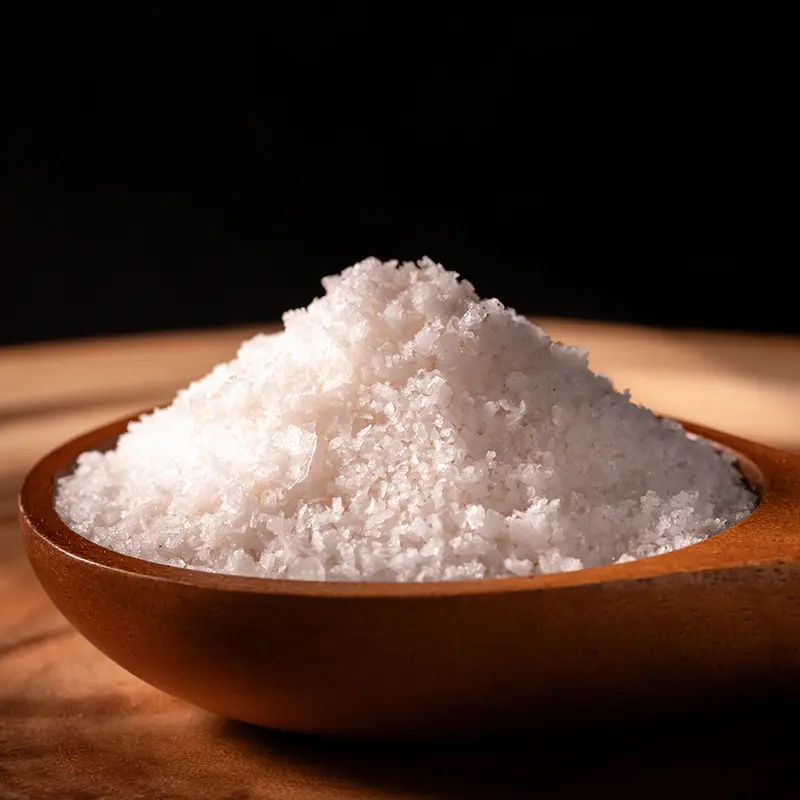
Kojira Artisan Mineral Salt
$17
Wood-Fired, Sun-Dried Mineral Salt
- Softer than sea salt and classic rock salt
- For cooking, sauces and final seasoning
- Wood-fired, sun-dried and lifted by hand
- 100% natural, unrefined mineral salt
- Seasonal production, 90 g jar in a handmade wooden box
Delivered to your kitchen by KEX Express
- 1–2 business days
- Receive tracking code by email
- Nationwide delivery across Thailand
- International delivery by DHL Express
Availability expected starting 15 October.
Available on back-order
- Change or cancel free of charge until dispatch
- Clear Returns & Refunds Policy
The Salt That Makes Food Taste Finished
Kojira Artisan Mineral Salt is for the moment when good food still tastes unfinished.
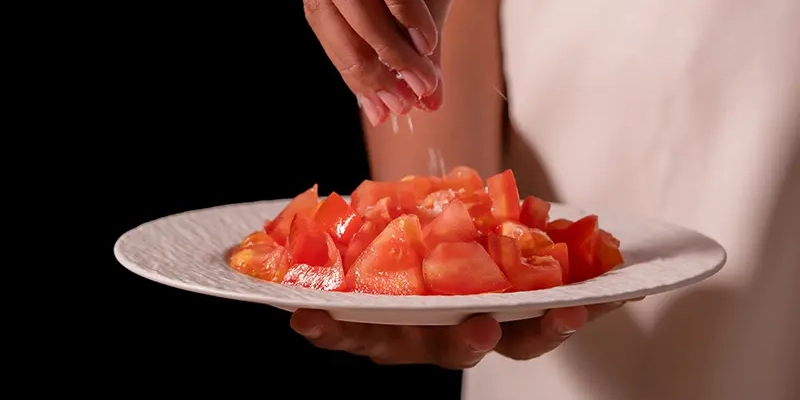
A pinch on fried eggs makes the yolk taste richer. Rice tastes warmer and less plain. Tomatoes taste brighter. A spoon of yoghurt becomes a sauce. Olive oil and bread taste like something you meant to serve. Fish, chicken, broths, and vegetables get depth without that hard salty hit you get from standard refined salt.
This is the jar you keep beside the stove because it works everywhere: while cooking, in sauces, over finished dishes, and at the table.
How to Use Artisan Mineral Salt
Kojira Artisan Mineral Salt works as both a cooking salt and a finishing salt. Use it early when seasoning should move through the food. Use it later when a dish tastes almost right, but needs lift.
- For cooking: pasta water, rice, grains, broths, pan sauces.
- For simple food: fried eggs, boiled eggs, omelettes, yoghurt sauces.
- For finishing: tomatoes, roasted vegetables, potatoes, mushrooms, salads.
- For richness: olive oil bread dips, butter, dips, doughs, batters.
Start here. Build everything on it.
Where Terroir Becomes Taste
Kojira Artisan Mineral Salt begins on our family salt land in Isaan, Northeast Thailand, above ancient mineral deposits beneath the Khorat Plateau.
The fields rest for most of the year. During the dry season, from late January to April, salt rises through the land and forms a crust at the surface. That crust is gathered by hand, dissolved in clay vessels, and turned into mineral-rich brine. As the brine moves through the salt earth, it carries trace minerals from the land itself: the beginning of the salt’s soft, layered character.
The brine is slowly reduced over wood fire until crystals begin to form, then lifted by hand and dried under the sun. At Maison Kojira, we finish the salt with a controlled low roast at 130°C for 90 minutes, so the crystals become crisp, dry, and ready for clean use in the kitchen.
The process takes weeks. It depends on land, season, heat, wind, and sun. That is why this salt tastes different. It has a softer edge than sea salt and classic rock salt, with steady mineral depth that makes food taste seasoned without overshadowing it.
The result is a mineral salt with softer salinity, clean texture and enough depth to season food without overpowering it.
Mineral Depth, Verified
Lab testing shows naturally occurring calcium, potassium, magnesium, iron, and manganese in Kojira Artisan Mineral Salt.
In the kitchen, that gives the salt a softer, steadier, more layered salinity. Eggs taste richer. Rice tastes warmer. Sauces feel more balanced. Vegetables, fish, olive oil, bread, and broths gain depth without a hard salty edge.
Gourmet Salt Collection
Kojira Artisan Mineral Salt is the foundation of the Gourmet Salts collection. Start with this jar if you want one salt that improves daily cooking without changing the character of the dish. Then add one flavour salt based on how you cook most.
- Kojira Black Garlic Salt: dark sweetness from 28% slow-aged black garlic
- Kojira Fermented Mushroom Salt: rich umami from fermented Shiitake, Eringi & Shimeji mushrooms
- Kojira Preserved Lemon Salt: bright preserved citrus from whole lemons aged for six months
Packaging & Preservation
Mineral salt is naturally stable, but prolonged exposure to moisture can alter crystal texture and flow.
Kojira Artisan Mineral Salt is packed in UV-protective amber glass, induction-sealed and protected from air before closing to maintain its dryness, structure and mineral character.
Each 90 g jar is presented in a handmade wooden box, protecting the glass in transit and giving the finished product a presentation box worth keeping.
Additional information
| Net Weight | 90 g |
|---|---|
| Ingredients | Mineral salt (100%) |
| Origin | Our family salt fields in Northeast Thailand |
| Thai FDA Registration Number | 10-1-10269-5-0003 |
| Storage | Store in a cool, dry place. Keep sealed. |
| Shelf Life | 60 months from production date. |
| Allergens | None declared. |
Available on back-order
- Change or cancel free of charge until dispatch
- Clear Returns & Refunds Policy